Black Fluffy Mold: What Homeowners Need to Know
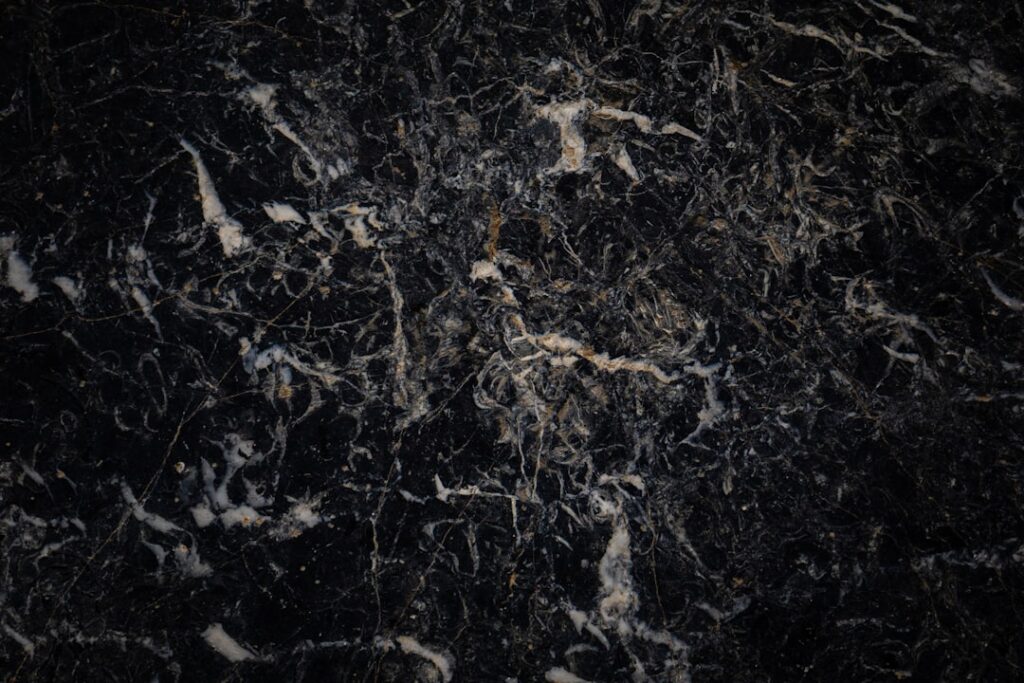
The phrase black fluffy mold gets searched constantly because the texture does not match what most people expect from the so-called toxic black mold. Stachybotrys chartarum is generally slimy or wet looking, not cottony. When a homeowner sees a dark patch that has clear aerial growth — visible threads, a faint pile, or a halo of hair-like extensions — they are almost certainly looking at a different species. This guide summarizes EPA and CDC guidance current as of 2026 — consult a certified mold inspector for testing and your physician for symptom evaluation.
Part of our Types of Mold guide — start there for the full picture →
Is this mold, asbestos, or water damage? Get a free instant screen
Upload a clear photo of the suspect area. You'll get an instant AI screening opinion and what to do next. This is screening guidance, not a professional determination.
Screening guidance only. AI can be wrong. Confirm asbestos, mold type, or lead with lab testing or a licensed professional before acting.
What Black Fluffy Mold Usually Is
The two largest groups of fluffy household molds are Aspergillus and Penicillium. Both genera produce raised, cotton-like or wool-like colonies, and both can darken to black, dark green, or dark brown as the colony matures. Aspergillus niger is the species most directly responsible for the fluffy black growth homeowners spot on damp drywall, around shower caulk, in attics with poor ventilation, and on stored food. Penicillium can present as fluffy-then-blackening colonies that started out white, blue, or green and shifted color over weeks. Cladosporium also occurs but usually has a flatter, more powdery surface.
The deciding visual is the texture. Slimy and wet-looking points to Stachybotrys territory. Cottony, fuzzy, or hairy points to Aspergillus, Penicillium, or related opportunists. Color alone cannot do this work because all of these species can present in a dark shade once they have matured on a wet substrate.
Why Fluffy Mold Often Looks Different Over Time
Many fluffy molds change color as their spores mature. A colony can start out as a white, faintly visible patch and turn black or dark green within ten to fourteen days as sporulation peaks. That progression is one reason a homeowner who saw “nothing serious” two weeks ago can return and see what looks like black mold today. The growth has not necessarily accelerated. It has simply finished its color development.
Aspergillus niger is the most striking example. Its young colonies are pale yellow or white with a peach-colored back, then become deep black on the surface as the conidial heads form. From a distance, the patch looks black; up close, the underlying mycelium often shows yellow. Penicillium colonies usually move from blue-green to dark green or olive-black with age and develop a powdery surface dusting on top of the fluffy base layer.
Where Fluffy Black Mold Tends to Grow Inside Homes
The growth surface tells a homeowner almost as much as the texture. Fluffy molds prefer chronically damp organic materials with airflow — the kind of surfaces where a dry exterior layer and a wet underlying layer co-exist. The most common locations include:
- Attic sheathing near roof leaks or under-insulated bathroom vents
- The back of furniture pushed against an exterior wall in a finished basement
- Around bathroom ceiling fans that have never been replaced
- Behind wallpaper in older bedrooms with poor ventilation
- On stored cardboard boxes in damp garages and crawlspaces
- On window frames where condensation drips and pools in winter
Front Range homeowners see attic-sheathing colonies more often than people expect, because Colorado winters concentrate humid air at the roof deck if the attic is poorly ventilated. The Denver metro pattern is usually small dark colonies on the underside of north-facing roof decks, which can be fluffy or velvety in texture depending on the species and the moisture cycle.
How Fluffy Mold Compares to Stachybotrys
The two profiles diverge on more than texture. Stachybotrys typically requires the substrate to stay wet for seven to ten days continuously before it gains a foothold. Aspergillus and Penicillium can establish in two or three days of intermittent dampness. That difference matters because it tells homeowners something about the moisture story. A fluffy black patch likely points to repeated condensation cycles, intermittent leaks, or chronically humid air. A slimy black patch points to a sustained leak or flood.
The risk profile also differs in nuance. Aspergillus species can produce mycotoxins, including aflatoxin under certain conditions, and Aspergillus infections can be a serious concern for immunocompromised patients. Stachybotrys produces a different toxin set. The EPA and CDC frame both as “remove the mold and fix the moisture” without recommending species-specific lab work for most homes. A useful sibling read for homeowners trying to separate species concerns is our guide to different types of black mold.
Is Black Fluffy Mold Dangerous?
The honest answer is: it depends on dose, duration, and personal susceptibility. The CDC’s general position is that any indoor mold growth large enough to see should be cleaned up. Aspergillus and Penicillium can both trigger allergic responses — sneezing, congestion, eye irritation, asthma flares — particularly in sensitive groups. People with weakened immune systems, those undergoing chemotherapy, organ transplant recipients, and people with severe COPD face a more serious risk profile because some Aspergillus species can cause infections in lung tissue when defenses are low.
For a typical healthy adult in a typical Front Range home, a small fluffy black patch on a window frame is not an emergency. It is a sign that humidity is too high in that microclimate or that there is intermittent condensation. The right response is to fix the moisture source, clean the surface, and watch for return. For larger colonies — broadly, anything beyond about ten square feet — the EPA recommends professional remediation, regardless of species. Our overview of the mold inspection process walks through what that scope of work involves.
How to Clean Small Areas of Fluffy Black Mold Safely
For a manageable patch under ten square feet on a hard, non-porous surface, the EPA’s published guidance supports straightforward homeowner cleaning. The basic steps:
- Wear an N95 or better respirator, gloves, and safety glasses. Fluffy molds release spores readily when disturbed.
- Avoid brushing or vacuuming the colony dry. A HEPA-filtered vacuum is acceptable; a regular shop vac is not.
- Use a detergent and water solution, not bleach, on porous and semi-porous materials. The EPA specifically notes that bleach is not required for routine mold cleanup.
- Dry the surface thoroughly with fans or a dehumidifier within twenty-four hours.
- Inspect again in two weeks. Return of the colony means the moisture problem has not been fully resolved.
Porous materials such as drywall, ceiling tile, carpet pad, and upholstered furniture rarely come clean when colonized. The hyphae of fluffy molds penetrate the substrate rather than just sitting on the surface, which means a wipe-down only removes the visible part of the colony while the root structure persists inside the material. Removal and replacement is the durable answer, and it is also typically cheaper than repeated cleaning cycles that never quite resolve the problem.
Front Range homeowners often ask whether a small painted-over patch can be left alone. The answer in nearly every case is no: paint does not seal mold, mold does not stop respiring under paint, and the colony usually reasserts itself within a season. Encapsulant primers exist for specific scenarios in remediated attics, but they are not a substitute for removing colonized material.
When Fluffy Mold Means the Roof, Bathroom Fan, or HVAC Needs Attention
Repeated appearance of fluffy black mold in the same spot almost always means there is a structural moisture story that has not been solved. The most common Front Range triggers:
- Bathroom fans that vent into the attic instead of out through a roof or soffit cap. Building code in Colorado has required exterior termination for years, but pre-1990 retrofits often skipped it.
- Ice dams in winter that allow brief but repeated water entry under roof sheathing.
- Negative-pressure clothes dryer exhausts that pull moisture-laden air through cold attic gaps.
- HVAC condensate lines that drip slowly inside a basement utility room.
- Refrigerator and dishwasher supply lines with pinhole leaks behind the appliance.
An infrared camera scan during a home inspection often catches the moisture pattern that explains the mold. Our explainer on home inspection tools and what they actually see covers the consumer and professional options. The point of the scan is not the picture itself but the moisture story behind it: a wet stripe two feet wide on a north-facing exterior wall is almost certainly thermal bridging through a poorly insulated stud bay, and the cleanup will fail until that bay is air-sealed.
Another commonly missed source on Colorado homes is the dryer vent itself. Dryer transition ducts often pull apart at the wall connection, allowing humid lint to vent directly into a basement utility room. A fluffy black colony on the ceiling above a dryer is a strong signal to inspect that connection before doing anything else with the surface.
When to Get a Professional Involved
Several scenarios point toward calling a certified inspector or remediation contractor rather than handling fluffy black mold alone. Colonies larger than ten square feet, mold in HVAC equipment, mold inside wall cavities reached only by demolition, sewage-contaminated water as the source, and any home where a resident has severe asthma, immunosuppression, or active respiratory infection. Real estate transactions often warrant a third-party report even for smaller patches because the documentation matters more than the cleanup itself.
Most reputable Front Range mold inspectors are independent — meaning they do the assessment but do not perform the remediation, which avoids the conflict of interest that has historically dogged the industry. ASHI and InterNACHI maintain directories that filter by mold-specific credentials such as the IICRC AMRT designation. Typical inspection costs in the Denver metro run between three hundred and seven hundred dollars depending on home size and sample count.
What Differentiates Recurring Fluffy Mold from a One-Time Patch
Two scenarios get filed together in people’s heads but really need different responses. A one-time patch is usually the result of a discrete event — a roof leak, a burst supply line, a child leaving a window cracked during a snowstorm. Once the event is resolved and the surface is cleaned, the patch should not return. Recurring fluffy mold on the same surface means the moisture story is ongoing. It might be condensation cycling on a poorly insulated rim joist, vapor migration through a slab, or chronic humidity from showers in a bathroom with a bad fan.
The diagnostic signal is whether the patch comes back within thirty to sixty days after a thorough cleaning. If it does, no amount of additional cleaning will solve the problem; the moisture source has to be fixed. Pin moisture meters used by Front Range home inspectors can quantify the dampness reading in surrounding wood and drywall, which often points at the source faster than visual inspection alone.
Homeowners who suspect a recurring problem should document with dated photographs. Time-stamped photos of the same wall over multiple months become the most useful piece of evidence in any insurance or seller-disclosure conversation that follows.
References
- Mold Cleanup in Your Home — U.S. Environmental Protection Agency
- About Mold and Health — Centers for Disease Control and Prevention
- Mold and Indoor Air Topic — National Institute of Environmental Health Sciences
- A Brief Guide to Mold, Moisture, and Your Home — U.S. Environmental Protection Agency
Frequently asked questions
Is black fluffy mold the same as toxic black mold?
Usually not. Stachybotrys chartarum, the species the public calls toxic black mold, tends to look slimy or wet rather than fluffy. A fluffy black colony is more likely Aspergillus niger, Penicillium, or a related opportunistic species.
Can fluffy black mold make you sick?
It can trigger allergy and asthma symptoms in sensitive people. Aspergillus species can also cause serious infections in immunocompromised individuals. For healthy adults with small colonies, the symptom risk is lower but cleanup is still appropriate.
Why did the white mold I had two weeks ago turn black?
Many fluffy molds shift color as they mature. Aspergillus niger and several Penicillium species start out pale and darken to black or dark green as spores develop on the colony surface.
Should I use bleach to clean fluffy black mold?
The EPA does not recommend bleach as a routine mold cleaner. Detergent and water work for hard surfaces. Porous materials with mold growth, such as drywall and carpet pad, usually need to be removed rather than treated.
Front Range homeowners dealing with recurring fluffy black mold can get in touch through our contact page to connect with a qualified local inspector who can trace the moisture source.