Can Mold Cause Ear Infections? What the Evidence Suggests
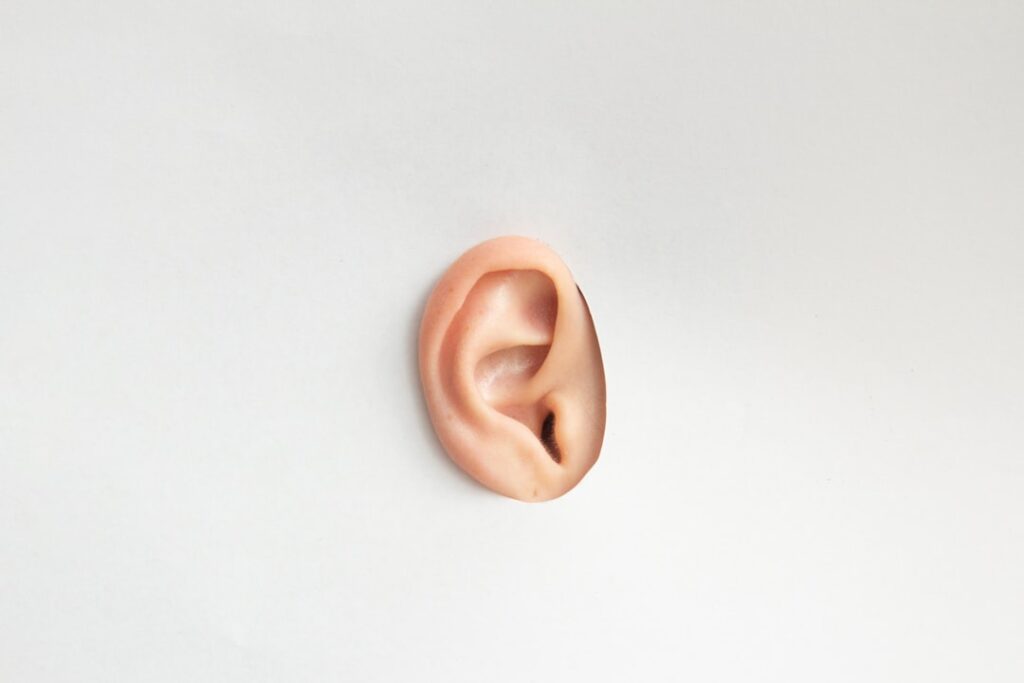
Ear pain, a blocked or full feeling, or a child tugging at an ear can be worrying, especially in a home with a musty basement or visible mold on a bathroom ceiling. It is natural to wonder whether the two are connected. The short answer is that household mold is not an established direct cause of the typical middle-ear infections that doctors see most often. Mold can, however, trigger allergic and irritant reactions in the nose and throat, and congestion in that area is generally understood to affect how well the ears drain. Separately, a fungal infection of the outer ear canal does exist, but it usually involves fungi already living on skin or in the environment rather than mold growing in a house. This guide explains how ear infections usually develop, where mold may and may not fit, what CDC and EPA say about mold reactions, when to see a doctor, and how to reduce mold exposure at home. It is general information for Colorado Front Range households, current as of 2026, and is not medical advice. Anyone with ear pain, discharge or hearing changes should see a healthcare provider.
Part of our Types of Mold guide — start there for the full picture →
Is this mold, asbestos, or water damage? Get a free instant screen
Upload a clear photo of the suspect area. You'll get an instant AI screening opinion and what to do next. This is screening guidance, not a professional determination.
Screening guidance only. AI can be wrong. Confirm asbestos, mold type, or lead with lab testing or a licensed professional before acting.
Can Mold Cause Ear Infections Directly?
Based on current public health guidance, mold in a home is not recognized as a direct cause of common middle-ear infections. The National Institute on Deafness and Other Communication Disorders (NIDCD), part of the National Institutes of Health, describes an ear infection as an inflammation of the middle ear, usually caused by bacteria, that occurs when fluid builds up behind the eardrum. NIDCD says an ear infection usually is caused by bacteria and often begins after a sore throat, cold or other upper respiratory infection (NIDCD, Ear Infections in Children).
That description does not list mold as a cause. It does point to the upper airway as the usual starting point, which is where mold exposure may play an indirect role. Mold is known to irritate the nose and throat and to trigger allergies in sensitive people, and anything that causes ongoing congestion in the nose and throat may make it harder for the ears to drain. That is a plausible indirect link, not proof that mold causes ear infections, and the strength of any such connection is uncertain.
It also helps to separate three different situations people sometimes group together:
- Middle-ear infections (otitis media), behind the eardrum, usually bacterial and often following a cold.
- Outer-ear infections (otitis externa), in the ear canal, which can be bacterial or, less often, fungal.
- Ear fullness or pressure without infection, which can come from congestion, allergies or pressure changes.
Mold exposure, if it plays any part, is most likely to show up in the third category and as a possible contributor to the first. For other symptoms commonly blamed on mold, the guides on black mold symptoms and whether mold can cause a viral infection follow the same evidence-based approach.
How Mold May Affect the Ears Indirectly
The ear, nose and throat are physically connected. NIDCD explains that the eustachian tube is a small passageway connecting the upper part of the throat to the middle ear, and that its job is to supply fresh air to the middle ear, drain fluid and keep air pressure steady between the nose and the ear. NIDCD also notes that if the eustachian tubes are swollen or blocked with mucus due to a cold or other respiratory illness, fluid may not be able to drain (NIDCD).
Allergic and irritant reactions in the upper airway
EPA’s Brief Guide to mold states that molds produce allergens, irritants and, in some cases, potentially toxic substances, and that inhaling or touching mold or spores may cause allergic reactions in sensitive individuals. EPA lists hay fever-type symptoms such as sneezing, runny nose, red eyes and skin rash, notes that allergic reactions to mold are common and can be immediate or delayed, and says mold exposure can irritate the eyes, skin, nose, throat and lungs of both mold-allergic and non-allergic people (EPA, A Brief Guide to Mold, Moisture and Your Home).
CDC similarly says that for some people, mold can cause a stuffy nose, sore throat, coughing or wheezing, burning eyes or skin rash, and that people with asthma or mold allergies may have severe reactions (CDC, About Mold).
From congestion to ear pressure
As general medical background, allergic rhinitis and chronic nasal congestion are commonly discussed as possible contributors to eustachian tube dysfunction, where the tube does not open and close normally. When that happens, people may notice ear fullness, muffled hearing, popping or mild discomfort. In some cases, fluid can collect behind the eardrum, and that fluid can become infected if bacteria are present. The research on how much allergies contribute to ear infections is mixed, and many other factors are involved, so mold-related congestion should be thought of as one possible influence rather than a cause.
Related upper-airway effects are covered in the guides on whether mold can cause post-nasal drip and whether mold can cause a sore throat. Some people also describe lightheadedness alongside ear pressure; the guide on whether mold can cause dizziness looks at that symptom.
Why children are more affected by ear problems generally
NIDCD notes that children get ear infections more often than adults, that five out of six children will have at least one ear infection by their third birthday, and that children’s eustachian tubes are smaller and more level than adults’, which makes it harder for fluid to drain even under normal conditions. A child’s developing immune system and adenoids also play a role (NIDCD). Those anatomical factors are why a congested child is more likely than a congested adult to end up with fluid behind the eardrum, regardless of what caused the congestion.
Otomycosis: The Fungal Ear Infection That Does Exist
Fungal infections of the ear do occur. Otomycosis is a fungal infection of the outer ear canal. In general medical descriptions, it is most often associated with species of Aspergillus or Candida, organisms that are common in the environment and on skin. It tends to be linked with conditions in the ear canal itself rather than with mold growing on walls or ceilings at home.
Factors commonly mentioned in connection with otomycosis include:
- Moisture trapped in the ear canal from swimming, bathing or humid conditions.
- Minor injury to the canal skin from cotton swabs, hearing aids or earbuds.
- Prolonged use of antibiotic or steroid ear drops, which can alter the normal balance in the canal.
- A weakened immune system or conditions such as diabetes.
Symptoms often described include itching, a sense of fullness, discomfort, discharge and sometimes visible debris in the canal. Because these overlap with bacterial outer-ear infections and other conditions, diagnosis requires an examination, and treatment is different from what is used for bacterial infections. Self-treating with drops left over from a previous infection is not a good idea.
Aspergillus is also a common indoor mold genus, so the overlap in names can cause confusion. Having Aspergillus spores in household air, which is common at low levels in most homes, is not the same as having an ear canal infection. Separately, CDC notes that immune-compromised people and people with chronic lung disease may get infections in their lungs from mold (CDC). People in those groups should discuss mold exposure with their healthcare provider.
Symptom Patterns and What They May Mean
Symptoms alone cannot identify the cause of an ear problem, but certain patterns suggest which direction to look. The table below is a general orientation, not a diagnostic tool.
| Symptom pattern | Possible cause | What to do |
|---|---|---|
| Ear pain with fever after a cold or sore throat | Middle-ear infection, usually bacterial | See a healthcare provider, especially for young children or severe pain |
| Ear fullness or popping with sneezing, runny nose and itchy eyes | Allergies or congestion affecting the eustachian tube; mold may be one possible trigger among others | Discuss allergy evaluation with a provider; check the home for dampness and mold |
| Itching, discharge or debris in the ear canal | Outer-ear infection, bacterial or fungal (otomycosis) | Have the ear examined; avoid swabs and leftover drops |
| Symptoms that ease when away from home and return on coming back | Possible indoor trigger such as mold, dust or other allergens | Look for moisture and mold; consider a home inspection and medical advice |
| Repeated infections or hearing changes in a child | Recurrent otitis media or fluid behind the eardrum | Follow up with a pediatrician or ear specialist |
| Ear pain with dizziness, severe headache or facial weakness | Possible more serious condition | Seek prompt medical care |
When to See a Doctor
Ear symptoms deserve medical attention more often than many people assume, particularly in young children who cannot describe what they feel. NIDCD notes that most ear infections happen to children before they have learned to talk, and lists signs to look for: tugging or pulling at the ear, fussiness and crying, trouble sleeping, fever (especially in infants and younger children), fluid draining from the ear, clumsiness or problems with balance, and trouble hearing or responding to quiet sounds (NIDCD).
Reasons to contact a healthcare provider include:
- Ear pain lasting more than a day or two, or pain that is severe.
- Fever, especially in infants.
- Fluid, pus or blood draining from the ear.
- Hearing loss, ringing, or a persistent blocked feeling.
- Dizziness, balance problems, swelling behind the ear or facial weakness.
- Repeated ear infections over months.
- Ear symptoms in someone with a weakened immune system, diabetes or chronic lung disease.
NIDCD also describes otitis media with effusion, where fluid stays behind the eardrum after an infection, and chronic otitis media with effusion, where fluid remains or keeps returning even without infection. NIDCD notes that the chronic form can make it harder for children to fight new infections and can affect hearing (NIDCD). Because these can have few obvious symptoms, follow-up visits matter.
What to tell the provider about the home
If mold or dampness is a concern, it helps to share specifics: where the mold is, how large an area, how long it has been there, whether there has been water damage, and whether symptoms change when away from home. That context can help a provider decide whether an allergy evaluation makes sense. Keeping a short symptom diary for a few weeks, noting time at home versus elsewhere, can also be useful.
Some people also notice nosebleeds or chest symptoms during high-exposure periods; the guides on whether mold can cause a bloody nose and whether mold can cause bronchitis cover those questions, and the black mold exposure guide discusses exposure levels and health effects more broadly.
How Ear Infections Are Diagnosed and Treated
Knowing what a typical medical visit looks like can make it easier to decide when to go and what to ask. NIDCD explains that the simplest way for a doctor to check for a middle-ear infection is to look at the eardrum with a lighted instrument called an otoscope, and that a red, bulging eardrum indicates an infection. A doctor may also use a pneumatic otoscope, which blows a puff of air into the ear canal, to check for fluid behind the eardrum (NIDCD).
For an acute middle-ear infection, NIDCD says many doctors will prescribe an antibiotic over seven to 10 days and may recommend over-the-counter pain relievers or eardrops for fever and pain. NIDCD cautions that a child with a fever or other flu-like symptoms should not be given aspirin unless a doctor says to, because aspirin is considered a major preventable risk factor for Reye’s syndrome. When a diagnosis is uncertain and a child does not have severe pain or fever, a doctor may suggest waiting a day or two to see whether the earache resolves. NIDCD adds that a child should start feeling better within a few days, that a call back to the doctor is warranted if the child still seems sick after several days, and that fluid left in the middle ear after an infection usually disappears within three to six weeks (NIDCD).
Fungal outer-ear infections are handled differently. They typically need cleaning of the ear canal and antifungal treatment chosen by a clinician, and antibiotic drops alone are not expected to resolve them. That difference is one more reason not to self-diagnose an itchy or draining ear based on a mold concern at home.
Common misconceptions about mold and ears
- “Black mold in the house causes ear infections.” There is no established direct link. Color does not identify a mold species, and the typical middle-ear infection is bacterial.
- “A mold test will explain the ear problem.” Air or surface sampling can show that mold is present, but it cannot show that mold caused a particular symptom. A medical evaluation and a moisture-focused inspection answer different questions.
- “If the ears feel blocked, it must be an infection.” Fullness and popping are often caused by congestion or pressure changes without any infection.
- “Symptoms should clear the day the mold is removed.” Irritation in the nose and throat can take time to settle; the guide on how long a sore throat from mold lasts discusses typical timelines for upper-airway symptoms.
Reducing Mold Exposure at Home
Whether or not mold is behind a particular ear problem, reducing indoor mold and dampness is reasonable for anyone with allergies or frequent upper-respiratory symptoms. CDC states that if mold is seen or smelled, it should be removed, that the type of mold does not need to be known, and that the mold must be cleaned up and the moisture problem fixed. CDC notes mold can be removed from hard surfaces with household products, soap and water, or a bleach solution of no more than 1 cup of bleach per gallon of water, and never mixed with ammonia or other cleaners (CDC).
Control moisture and humidity
EPA describes moisture control as the key to mold control. Its Brief Guide recommends drying water-damaged areas and items within 24 to 48 hours to prevent mold growth, and keeping indoor humidity below 60 percent, ideally between 30 and 50 percent (EPA). Practical steps include:
- Running bathroom and kitchen exhaust fans during and after showers and cooking.
- Fixing plumbing leaks, roof leaks and foundation seepage promptly.
- Keeping gutters clean and grading sloped away from the foundation.
- Using a dehumidifier in damp basements, while avoiding over-humidifying in winter.
Front Range patterns
Colorado’s dry climate does not prevent indoor mold. Common sources in Front Range homes include winter condensation on cold windows and exterior corners, basements that take on water during snowmelt or spring storms, humidifiers run too high in winter, and evaporative coolers in summer. Bedrooms deserve particular attention when children have recurring congestion, since that is where they spend the most hours.
Cleaning safely, and when to get help
Cleaning disturbs mold and can temporarily increase exposure. People with allergies, asthma or recurring ear and sinus problems may want someone else to do the cleanup. EPA lists gloves, goggles and an N-95 respirator as protective equipment for cleaning moldy areas. For hidden mold, persistent musty odors or large areas, an independent assessment can help locate the moisture source before remediation; the mold hygienist guide explains when that level of evaluation makes sense. The mold inspection resource center covers testing and prevention, and the mold types hub explains the common indoor genera.
Other household factors worth addressing
Mold is only one possible indoor contributor to upper-airway irritation. NIDCD lists avoiding exposure to cigarette smoke as a way to help reduce ear infections in children, noting that babies around smokers have more ear infections, and recommends frequent handwashing to limit colds and flu (NIDCD). Dust mites, pet dander and pollen tracked indoors can also drive allergy symptoms. Regular cleaning, good filtration on the heating system, and keeping bedding washed can help alongside moisture control. Addressing several of these factors together is often more effective than focusing on any single one.
References
- Ear Infections in Children — National Institute on Deafness and Other Communication Disorders, National Institutes of Health
- About Mold — Centers for Disease Control and Prevention
- A Brief Guide to Mold, Moisture and Your Home — U.S. Environmental Protection Agency
Frequently asked questions
Can mold cause ear infections?
Household mold is not an established direct cause of typical middle-ear infections, which NIDCD says are usually bacterial and often follow a cold. Mold can trigger allergies and congestion, which may indirectly affect ear drainage in some people.
What is otomycosis?
Otomycosis is a fungal infection of the outer ear canal, usually associated with Aspergillus or Candida. It is generally linked to moisture or irritation in the ear canal itself rather than to mold growing in a home, and needs a medical diagnosis.
Can mold allergies cause ear pressure or fullness?
Possibly. EPA and CDC note mold can cause stuffy nose and hay fever-type symptoms, and congestion is commonly linked to eustachian tube problems that cause ear fullness or popping. A provider can help sort out allergies from infection.
When should a child with ear pain see a doctor?
When there is fever, severe or lasting pain, fluid draining from the ear, trouble hearing, balance problems or repeated infections. NIDCD lists ear tugging, fussiness and trouble sleeping as signs in children too young to explain.
Will removing mold from the house stop ear infections?
Not necessarily, since most ear infections follow colds. Reducing mold and dampness can still help people with mold allergies or frequent congestion, and is worth doing whenever mold is seen or smelled.
Wondering whether a damp basement or a musty bedroom is part of the picture? Send a message through our contact page to connect with a Front Range inspector who can check for hidden moisture and mold.