Mold Infection on Skin: Medical Context for Homeowners
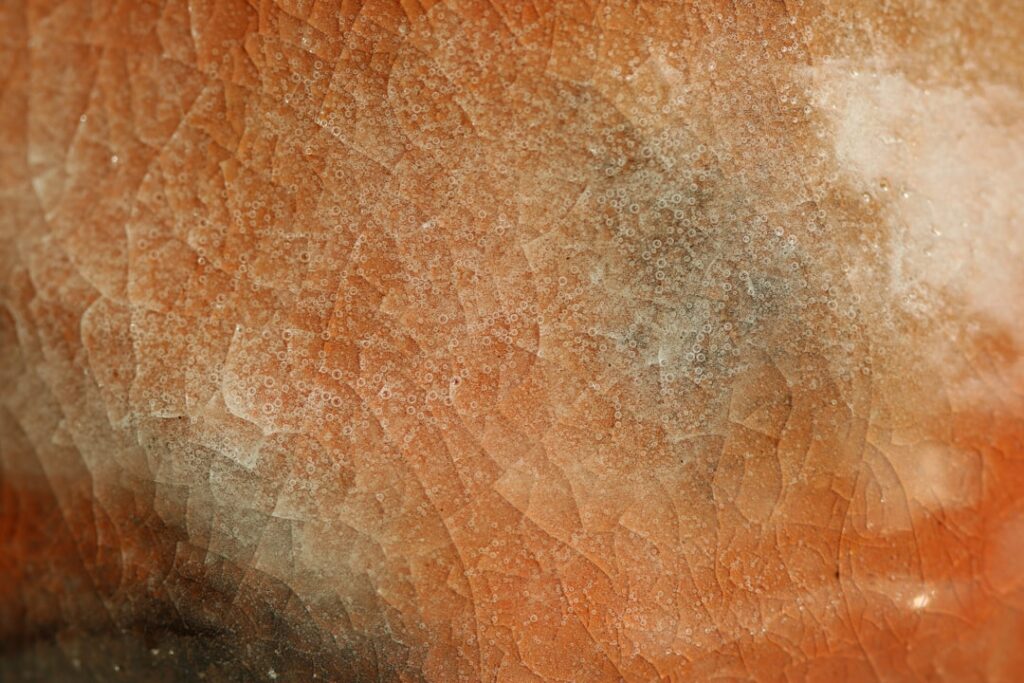
Despite the search term, indoor or building mold rarely causes skin infections in healthy individuals. Skin fungal infections — ringworm, athlete’s foot, jock itch, and most yeast infections — are caused by different organisms and have distinct medical treatment paths. Any skin lesion, persistent rash, or unexplained discoloration should be evaluated by a physician or dermatologist, not addressed through home remediation. This guide is educational rather than medical: it explains the gap between what people mean when they search “mold infection on skin” and what the medical and indoor-air-quality literature actually describes, so homeowners can route the right concern to the right professional. The methodology summarizes CDC and NIH guidance current as of 2026 and is not a substitute for clinical evaluation.
Part of our Types of Mold guide — start there for the full picture →
Is this mold, asbestos, or water damage? Get a free instant screen
Upload a clear photo of the suspect area. You'll get an instant AI screening opinion and what to do next. This is screening guidance, not a professional determination.
Screening guidance only. AI can be wrong. Confirm asbestos, mold type, or lead with lab testing or a licensed professional before acting.
Why this distinction matters before anything else
A homeowner who notices a persistent rash and has recently discovered mold in a bathroom or basement will reasonably suspect a connection. The connection is usually not what it appears to be. Skin infections caused by fungi are a well-described medical category. They are caused predominantly by dermatophyte fungi (the agents of ringworm, athlete’s foot, jock itch), by yeasts in the Candida family, and in immunocompromised patients by opportunistic environmental fungi. None of these are the molds that grow on damp drywall.
The molds that grow on damp building materials — Cladosporium, Penicillium, Aspergillus, Stachybotrys — are primarily respiratory exposure concerns rather than skin pathogens. The CDC, NIOSH, and the NIH consistently describe building mold exposure in terms of upper airway irritation, asthma exacerbation, and rare invasive disease in severely immunocompromised individuals. Skin lesions in healthy people exposed to building mold are not a documented common pattern in the peer-reviewed literature.
What this means practically: a homeowner who sees a skin rash should see a physician for the rash and, separately, address indoor mold growth as an environmental quality issue. The two concerns may coexist in the same household without being causally linked.
What skin fungal infections actually are
Dermatophyte infections
Dermatophytes are a group of related fungi adapted specifically to live in keratinized tissue — skin, hair, and nails. The species in this group cause the conditions popularly called ringworm (tinea corporis), athlete’s foot (tinea pedis), jock itch (tinea cruris), and nail fungus (onychomycosis). These infections spread through direct skin contact, shared surfaces (gym floors, locker rooms, pool decks), and contact with infected animals (commonly cats and dogs). They are treated with antifungal creams or, for stubborn cases, oral antifungal medication prescribed by a physician.
Dermatophytes do not grow on drywall, ceiling tile, or carpet. They live on living hosts.
Candida (yeast) infections
Candida species are yeasts that normally live on human skin and mucous membranes. Overgrowth occurs in moist skin folds, in immunocompromised patients, or after antibiotic therapy. Symptoms include itching, redness, and sometimes a characteristic appearance in skin folds. Treatment is antifungal cream or, for systemic infection, prescription medication.
Candida is a normal human commensal, not a building contaminant.
Opportunistic environmental fungi
In severely immunocompromised patients — chemotherapy patients, organ transplant recipients, advanced HIV, uncontrolled diabetes — environmental fungi can occasionally cause skin or systemic infection. The agents include Aspergillus species, Mucor species (the cause of mucormycosis), and rare exposures to other environmental molds. These are serious medical conditions requiring inpatient infectious-disease management. They are not relevant to healthy homeowners and are not addressable through environmental remediation.
What building mold actually is
The species commonly found growing in damp homes are different organisms with different exposure profiles.
- Cladosporium. Olive-green to dark brown. Common on bathroom caulking and window frames. Primarily an allergic and respiratory exposure concern.
- Penicillium. Blue-green or gray. Common on water-damaged paper, fabric, and food. Allergic and respiratory exposure.
- Aspergillus. Multiple species, various colors. Found in HVAC systems, condensate pans, and damp dust. Mostly respiratory; rare invasive disease in severely immunocompromised patients.
- Stachybotrys chartarum. The “black mold” of popular concern. Slow-growing, water-loving, on chronically wet cellulose. Primarily a respiratory and mycotoxin exposure concern.
- Alternaria. Dark gray-black, common around plumbing leaks. Allergic and respiratory.
None of these are dermatophytes. None of them are routine causes of skin infection in healthy individuals. The CDC’s position is that building mold exposure produces respiratory and allergic symptoms; the skin-infection pathway requires direct contact with mold-contaminated material under unusual circumstances and is not documented as a common pattern in the general population.
Homeowners can review the mold inspection hub for the building-side concerns and the contractor types guide if mold remediation is independently warranted.
When a skin lesion warrants medical evaluation
Any skin lesion or rash that has any of the following characteristics warrants a physician visit, regardless of any suspected environmental cause:
- Persistent for more than two weeks.
- Spreading or changing in appearance.
- Accompanied by pain, fever, or systemic symptoms.
- Itching that interferes with sleep or daily life.
- Discoloration that does not blanch with pressure.
- Appearance in someone with a compromised immune system or uncontrolled diabetes.
- Resembling ringworm (circular, scaly, expanding edge).
- Affecting a child or an elderly household member.
A primary care physician or dermatologist can diagnose the actual cause, prescribe appropriate treatment, and rule out other conditions that may present similarly. Self-diagnosis based on internet search results — including this guide — is not a substitute for clinical evaluation.
What homeowners should do if they suspect building mold and have skin symptoms
The two concerns should be handled in parallel and through different professionals.
For the skin symptoms: see a physician or dermatologist. Bring a written history of when the symptoms started, where on the body, what makes them better or worse, and any household exposures (pets, pools, gyms, recent travel). Do not assume the cause; let the clinician evaluate.
For the suspected building mold: address it as an environmental quality issue independent of the skin symptoms. If visible growth is present and the affected area is larger than about ten square feet, or on porous materials, or following an unresolved moisture source, hiring an independent mold inspector or a certified remediation contractor is appropriate. Skin symptoms are not a meaningful trigger for indoor mold testing on their own; they are a trigger to see a doctor.
The exposure concerns that are actually documented for building mold
For homeowners worried about health effects of indoor mold exposure, the well-documented concerns are different from skin infection. The peer-reviewed literature describes the following patterns:
- Allergic responses — sneezing, nasal congestion, eye irritation, asthma exacerbation.
- Upper airway irritation in sensitive individuals.
- Triggering or worsening of asthma in people with the condition.
- Hypersensitivity pneumonitis in rare cases with sustained exposure.
- Invasive aspergillosis in severely immunocompromised patients.
The EPA, CDC, and NIH consistently describe building mold exposure in these terms. Skin infection is not on the list for healthy individuals, and any clinical presentation that includes a skin lesion should be evaluated for one of the actual causes — dermatophyte, yeast, bacterial, viral, allergic, or autoimmune — rather than presumed to be building-mold related.
Mycotoxins and what they do
Some indoor molds — Stachybotrys chartarum in particular — can produce mycotoxins under certain growth conditions. Mycotoxin exposure in indoor environments is an active research area, and the clinical effects in human populations are debated in the literature. The current consensus from the CDC and NIH is that mycotoxin exposure from typical indoor mold growth in residential settings is unlikely to cause acute toxic effects in healthy adults, though the precautionary principle supports prompt remediation of any significant indoor mold growth.
Mycotoxins are not skin pathogens. Even in the studies that document mycotoxin exposure effects, skin infection is not the described outcome.
When to call a professional versus when to call a doctor
The decision framework is straightforward.
Call a doctor when: any skin symptom is present. Regardless of suspected cause, skin symptoms are a clinical question. A physician or dermatologist diagnoses, treats, and rules out conditions that may present similarly to a fungal infection.
Call a mold inspector or remediator when: visible mold growth is present, a known moisture event has occurred, or a persistent musty smell suggests hidden growth. The trigger is the environmental condition, not the human symptom. Building mold remediation does not treat skin symptoms; it addresses the environmental issue independently.
Why patient education on this distinction matters
The medical community has documented that patients who search for health information online sometimes arrive at clinical visits with misattributed causes already in mind. A patient convinced that their rash is “mold infection” from their basement may delay appropriate dermatologic evaluation while pursuing remediation of an unrelated environmental issue. A clinician then has to spend time gently redirecting the patient toward the actual diagnosis, which may be a common dermatophyte infection treatable with a two-week course of over-the-counter antifungal cream.
The reverse misattribution also happens. A patient with a confirmed dermatologic condition may assume their building is contaminated and engage in expensive remediation that does not address their actual medical issue. The result is unnecessary cost without health improvement.
The protective message is the one this guide opens with: route the skin symptom to a physician, and route the environmental concern to an environmental professional. The two are independent questions even when they occur in the same household.
What clinicians actually do with a suspected fungal skin infection
A primary care physician or dermatologist evaluating a possible fungal skin infection typically follows a standard sequence. Visual examination of the lesion identifies the pattern — circular and scaly with an active edge suggests ringworm; satellite lesions in skin folds suggest yeast; severe itching with weeping suggests another differential. Patient history covers exposure factors — pets, gym use, swimming pools, recent travel, immune status, medications.
If the diagnosis is not clear visually, the clinician may perform a KOH (potassium hydroxide) preparation, in which a skin scraping is treated with KOH and examined under a microscope to identify fungal elements. Fungal culture provides species-level identification but takes several weeks for results. In persistent or unusual cases, skin biopsy with pathology review provides definitive answers.
Treatment depends on the diagnosis. Most superficial dermatophyte infections respond to topical antifungal creams (clotrimazole, terbinafine, miconazole) over two to six weeks. Nail infections, severe or widespread infections, and infections in immunocompromised patients may require oral antifungal medication. Yeast infections in skin folds often respond to topical antifungals combined with addressing the moisture environment.
None of these clinical pathways involve building remediation or environmental testing. The skin infection is a clinical question with a clinical answer.
When building mold actually does matter for the household
Although building mold is not a typical cause of skin infection in healthy individuals, indoor mold growth still warrants attention as an environmental quality issue. The documented exposure concerns — respiratory irritation, asthma exacerbation, allergic responses — are real and worth addressing. The EPA recommends prompt remediation of any significant indoor mold growth, both for these health considerations and for the building damage that sustained moisture inevitably produces.
Homeowners who discover building mold during an unrelated medical workup should still address the building issue, just not as a treatment for the skin symptoms. The two concerns proceed in parallel and independently. The physician treats the patient; the remediator treats the building.
References
- Basic Facts About Mold and Dampness — CDC
- Fungal Diseases Overview — CDC
- Mold and Health — NIEHS
- NIH Health Topics — National Institutes of Health
- Mold and Dampness Indoor Air Quality — American Lung Association
Frequently asked questions
Can indoor mold cause skin infections?
In healthy individuals, no — at least not as a documented common pattern. Skin fungal infections are caused predominantly by dermatophytes (ringworm, athlete's foot) and Candida yeasts, not by the molds that grow on damp building materials. Any skin lesion should be evaluated by a physician or dermatologist.
What does cause skin fungal infections?
Dermatophyte fungi cause ringworm, athlete's foot, jock itch, and nail fungus. They spread through direct contact, shared surfaces, and contact with infected animals. Candida yeasts cause overgrowth in moist skin folds. Neither category is related to building mold.
Should I test my home for mold if I have a skin rash?
Skin symptoms alone are not a meaningful trigger for indoor mold testing. They are a trigger to see a doctor. If visible mold growth is independently present in the home or a known moisture event has occurred, address that separately as an environmental issue.
What health effects of indoor mold are actually documented?
Allergic responses, upper airway irritation, asthma exacerbation, and rare hypersensitivity pneumonitis are the well-documented effects. Severely immunocompromised patients can develop invasive infection from certain molds. Skin infection in healthy individuals is not on this list.
When should I see a doctor for a skin rash?
Any rash that persists more than two weeks, spreads, is accompanied by pain or fever, interferes with sleep, or appears in someone immunocompromised warrants evaluation. Self-diagnosis from internet search is not a substitute for clinical assessment.
For independent input on building-side mold concerns (separate from any medical questions), Front Range homeowners can reach out through the InspectandTest contact page. For skin symptoms, contact a primary care physician or dermatologist.