Mold on Skin: Symptoms, Causes, and What to Do
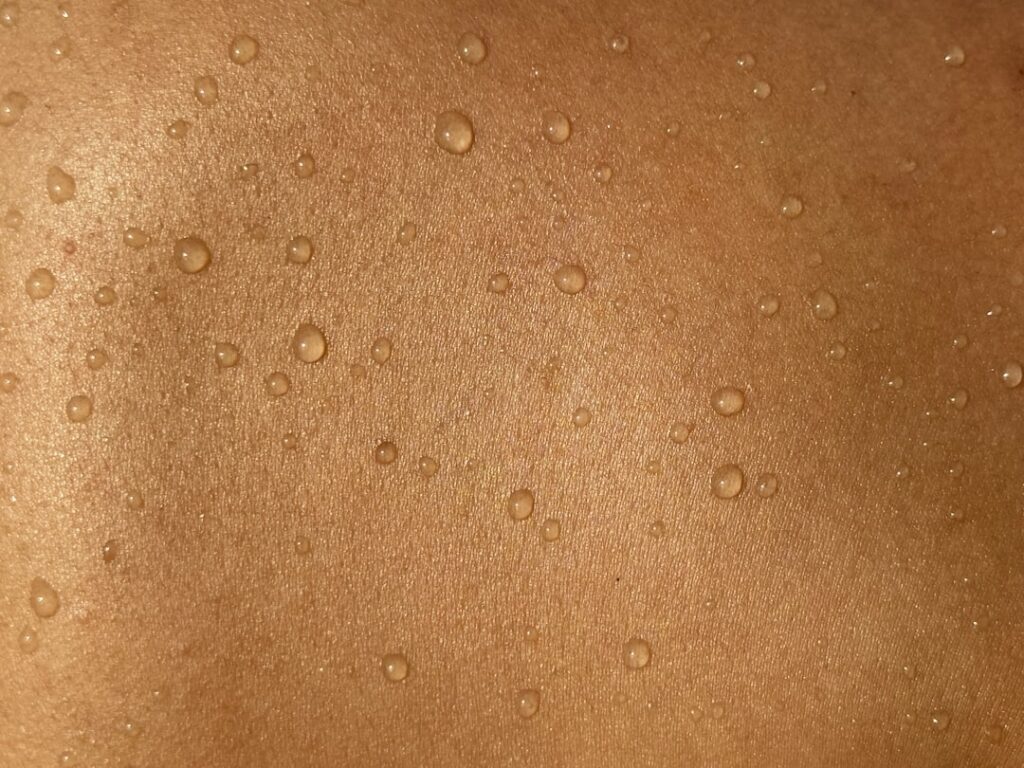
Searching for answers about mold on skin usually means one of two things: a rash or irritation that someone suspects is linked to a damp home, or a fungal skin infection that gets loosely called “mold.” The two are different, and the distinction matters for treatment. This guide summarizes EPA, CDC, and NIEHS guidance current as of 2026 to explain what skin symptoms are plausibly tied to indoor mold, what to do about them, and when to involve a doctor — consult your physician for diagnosis and a certified professional for testing decisions.
Part of our Types of Mold guide — start there for the full picture →
Is this mold, asbestos, or water damage? Get a free instant screen
Upload a clear photo of the suspect area. You'll get an instant AI screening opinion and what to do next. This is screening guidance, not a professional determination.
Screening guidance only. AI can be wrong. Confirm asbestos, mold type, or lead with lab testing or a licensed professional before acting.
Allergy, irritation, or infection — three different things
Sorting the possibilities up front saves a lot of wasted treatment. Most skin symptoms tied to a damp home fall into three categories. An allergic reaction is an immune response to mold spores — itching, hives, redness — that flares with exposure and eases away from it. An irritant reaction comes from direct contact with mold or with the harsh cleaners used on it, leaving skin stinging or inflamed where it touched. A true fungal infection like ringworm or athlete’s foot is caused by skin-adapted fungi, not household mold, and persists regardless of where you are.
These three call for different responses: reduce exposure and treat the allergy, protect skin during cleaning, or use an antifungal under a doctor’s guidance. Because the visible rash can look similar, the behavior of the symptom — when it appears, whether it travels with you, how it spreads — is the most useful clue, and a clinician is the one to confirm it.
Can mold actually grow on or affect your skin?
Household mold — the greenish, black, or fuzzy growth on drywall, grout, and window frames — does not colonize healthy human skin the way it colonizes a wet wall. What people notice instead is an allergic or irritant reaction. According to the EPA, exposure to indoor mold and its spores can trigger skin rash, itching, hives, and redness in sensitive individuals, alongside the more familiar respiratory symptoms. The reaction is the immune system responding to spores and fragments that land on skin or are inhaled, not the mold setting up residence on the body.
True fungal skin infections are a separate category. Ringworm, athlete’s foot, and yeast overgrowth are caused by dermatophytes and yeasts adapted to live on skin — not the Stachybotrys or Cladosporium that grow on a leaking bathroom wall. People often blur these together when they type “mold on skin,” so it helps to sort out which problem you are dealing with before reaching for a treatment. The cleanup and the cure differ depending on which one it is.
What skin reactions are linked to indoor mold exposure?
The CDC notes that mold-sensitive people can develop skin irritation after contact with moldy surfaces or after spending time in a building with heavy mold growth. Reported reactions include:
- Itchy, red patches — often on the hands, forearms, neck, or face, areas most exposed during cleaning or while in a damp room.
- Hives (urticaria) — raised welts that can appear quickly and fade, then return on re-exposure.
- Dry, scaly, or eczema-like skin — people with existing atopic dermatitis sometimes flare in damp, mold-prone spaces.
- Contact irritation — touching a colonized surface, or the bleach and cleaners used on it, can leave skin stinging or inflamed.
NIEHS describes mold allergy as an immune response to airborne spores; skin symptoms tend to track with overall exposure. People with asthma, allergies, or weakened immune systems are more likely to react, and they tend to react at lower exposure levels than others in the same household. That uneven sensitivity is why one family member may break out while another in the same home notices nothing.
How to tell an allergic reaction from a fungal infection
A few practical clues help. Allergic mold reactions usually improve when you leave the damp environment and worsen on return; a fungal infection persists regardless of location and often spreads in a defined ring or scaly border. Athlete’s foot stays between the toes; ringworm makes a circular patch with a clearer center. If a rash has a sharp expanding edge, oozes, or does not respond to leaving the suspected room, it points toward infection or another dermatological cause, and a clinician should look at it. Timing is another clue: a reaction that flares within hours of cleaning a moldy area and settles by the next day behaves like an allergic response, not an infection.
What causes mold-related skin symptoms in a home?
Skin symptoms rarely arrive on their own. They usually accompany a moisture problem somewhere in the house — the same conditions that let mold grow on walls let spores reach skin. The EPA is consistent on this point: control the moisture and you control the mold. Common Front Range triggers include:
- Bathroom humidity from showers without adequate ventilation, which seeds grout and ceiling mold.
- Basement and crawl-space dampness, common in older Denver and Jefferson County homes built into hillsides.
- Roof or plumbing leaks that wet drywall and framing out of sight.
- Swamp-cooler or HVAC condensation that keeps ductwork and registers damp through summer.
If a skin reaction keeps recurring, the smarter move is to find the water source rather than chase the symptom. A walkthrough that pairs visual checks with a moisture meter often reveals the wet building material feeding the spore load. Our overview of mold that develops after water damage explains how leaks turn into colonies within 24 to 48 hours, which is why fast drying matters so much in preventing exposure in the first place.
How to treat and relieve mold-related skin symptoms
For mild allergic skin reactions, the first and most effective step is reducing exposure. Beyond that, general dermatologic self-care applies, with a doctor’s input for anything persistent:
- Wash exposed skin with mild soap and water after cleaning or leaving a moldy area to remove surface spores.
- Use a fragrance-free moisturizer to repair a dry, irritated skin barrier.
- Cool compresses can calm itching and hives in the short term.
- Over-the-counter antihistamines or hydrocortisone may help mild allergic itch — follow label directions and ask a pharmacist or physician.
True fungal infections need antifungal treatment, not anti-allergy care, which is another reason to confirm what you are treating before spending on the wrong product. The CDC advises that people who are immunocompromised take mold exposure more seriously and seek medical guidance early, since they face higher risk of opportunistic infection. Wearing gloves and long sleeves while cleaning mold also prevents the contact that triggers many of these reactions in the first place.
When to see a doctor
Seek medical care if a rash spreads, blisters, oozes, or does not improve within a week or two; if you have facial swelling or trouble breathing (which can signal a serious allergic reaction); or if you have a condition that suppresses immunity. A clinician can distinguish an allergy from an infection, run patch or allergy testing if warranted, and prescribe the right treatment. The site does not provide medical advice — these are general guidelines drawn from public-health sources, and a physician should make the call on persistent or worsening symptoms.
Fixing the source: addressing mold in the home
Relieving skin symptoms without removing the mold tends to be temporary. The EPA recommends that homeowners clean up areas smaller than about 10 square feet themselves and hire a professional for larger growth, mold inside HVAC systems, or contamination from sewage or flooding. Cleanup centers on three things: fix the moisture source, dry the area thoroughly, and remove porous materials that cannot be cleaned.
Before cleanup, identify how far the problem extends. A surface stain on tile grout is very different from hidden growth behind drywall. Our parent guide to mold inspection and testing walks through how inspectors locate hidden moisture and decide whether sampling is warranted, and our piece on identifying common mold types helps you read what you are seeing. If growth is widespread or you keep reacting after cleaning, that is the signal to bring in help rather than repeating a cleanup that does not hold.
Protect yourself during any cleanup. OSHA and EPA guidance for mold work recommends an N-95 respirator, gloves, and eye protection to keep spores off skin and out of airways — relevant advice given that skin contact is exactly what triggered the search in the first place. Ventilate the area, bag debris, wash afterward, and launder the clothes you wore. These precautions matter most for the sensitive individuals most likely to react.
Other symptoms that often accompany skin reactions
Mold-related skin symptoms rarely appear in isolation. Because the immune response that produces a rash is the same one triggered by inhaled spores, people who notice skin irritation in a damp home frequently report a cluster of allergy-type symptoms at the same time. The CDC and NIEHS describe these as common in mold-sensitive individuals:
- Respiratory — nasal congestion, sneezing, throat irritation, coughing, and wheezing.
- Eyes — itching, redness, and watering.
- Skin — the itching, hives, and rashes that prompt this search.
- Asthma flare-ups in people who already have the condition.
Recognizing the pattern matters because it points back to the home rather than to the skin alone. If a rash arrives alongside a stuffy nose and itchy eyes that all ease when you leave the house, the home’s air — and its moisture — is the likely common cause. Treating only the skin while ignoring that pattern tends to leave you cycling through symptoms. Anyone whose symptoms are severe, persistent, or include breathing difficulty should see a physician promptly; this guide is general information, not a diagnosis.
Reducing your exposure day to day
Beyond cleaning up visible mold, lowering your overall exposure helps the skin and the rest of the body settle. The EPA’s core advice is to control moisture, and several everyday habits put that into practice. Keep indoor humidity below 60% — ideally 30–50% — using a dehumidifier in damp basements and crawl spaces, common in older Front Range homes. Run bathroom and kitchen exhaust fans during and after use so condensation does not feed growth. Fix leaks fast, since the EPA’s 24-to-48-hour window separates a dried spill from a new colony. Improve ventilation in stagnant rooms, and address the specific damp spots — under sinks, behind appliances, around windows — where mold quietly establishes. For people who react to skin contact specifically, wearing gloves and long sleeves during any cleaning, then washing and changing clothes afterward, prevents the direct exposure that sets off many reactions. None of these steps replaces medical care for symptoms, but together they remove the source that keeps the symptoms coming back.
The pattern worth remembering is that skin symptoms tied to a home almost always trace back to dampness, and the most durable relief comes from drying the building rather than only soothing the skin. A reaction that fades when you leave and returns when you come home is the clearest sign that the house, not a passing irritant, is the cause — and that is a problem the moisture controls above are built to solve.
References
- Mold Cleanup in Your Home and Health Effects — U.S. Environmental Protection Agency
- About Mold and Your Health — Centers for Disease Control and Prevention
- Mold and Indoor Air Quality — National Institute of Environmental Health Sciences
- Mold and Dampness in the Home — American Lung Association
Frequently asked questions
Can mold grow directly on human skin?
Household molds like Stachybotrys and Cladosporium do not colonize healthy skin. They can trigger allergic skin reactions such as itching, redness, and hives, but the growth itself stays on damp building materials, not on the body.
How do I know if my rash is from mold or a fungal infection?
Mold-related allergic rashes usually ease when you leave the damp space and return on re-exposure. A fungal infection like ringworm persists anywhere, often with a defined expanding edge. A doctor can confirm which one you have.
What should I do first if I think mold is affecting my skin?
Reduce exposure, wash the affected skin with mild soap and water, and use a fragrance-free moisturizer. Then find and fix the moisture source in the home. See a physician if the rash spreads or does not improve.
Are some people more sensitive to mold-related skin symptoms?
Yes. The CDC and NIEHS note that people with allergies, asthma, eczema, or weakened immune systems tend to react more readily and at lower exposure levels than others in the same household.
If a skin reaction keeps returning and you suspect a damp Front Range home is the cause, you can connect with a vetted local inspector through our contact page to track down the moisture source before it spreads.