Can Mold Cause Bronchitis? What the Evidence Shows
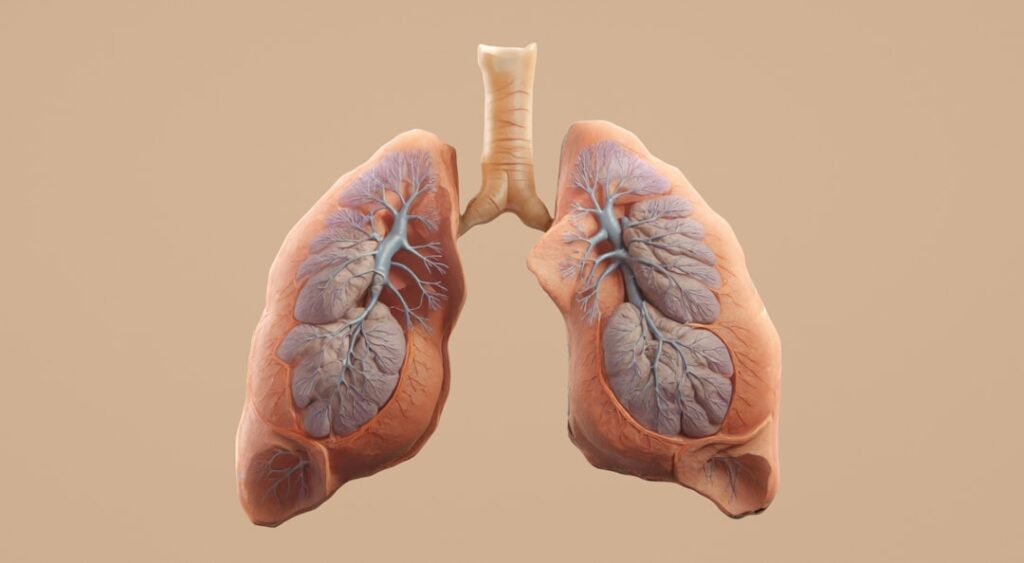
A cough that drags on for weeks in a house that smells musty raises an obvious question: is the mold making you sick? The short answer is that public health agencies link damp, moldy homes with coughing, wheezing, and other upper respiratory symptoms, but they do not describe mold as a common cause of bronchitis itself. Acute bronchitis, the “chest cold,” is usually caused by a virus. Mold appears to act more as an airway irritant and allergen that can make symptoms worse or keep them going, especially in people with asthma, allergies, or chronic lung disease. This guide walks through what CDC and EPA actually say, who seems to be at higher risk, which warning signs need a doctor, and how to find and fix the moisture problem behind the mold. It summarizes guidance current as of 2026 and is general information, not medical advice; talk with a physician about any persistent or worsening respiratory symptoms.
Part of our Types of Mold guide — start there for the full picture →
Is this mold, asbestos, or water damage? Get a free instant screen
Upload a clear photo of the suspect area. You'll get an instant AI screening opinion and what to do next. This is screening guidance, not a professional determination.
Screening guidance only. AI can be wrong. Confirm asbestos, mold type, or lead with lab testing or a licensed professional before acting.
Can Mold Cause Bronchitis? The Short Answer
Bronchitis means inflammation of the bronchial tubes, the airways that carry air into the lungs. According to the CDC, acute bronchitis occurs when the airways of the lungs swell and produce mucus, which makes you cough, and a virus usually causes it. Bacteria are a less common cause. Chronic bronchitis is a different, long-term condition that clinicians most often associate with smoking and long-term exposure to irritants, and it is diagnosed and managed by a physician.
Mold does not fit neatly into either picture. In a healthy person, household mold is not generally described as an infection that settles in the airways the way a cold virus does. What the evidence does support is an association between damp, moldy indoor environments and respiratory symptoms that overlap heavily with bronchitis: cough, wheeze, a stuffy nose, a sore throat, and chest discomfort. So a more accurate way to frame the question is this: mold is unlikely to be the direct cause of a classic case of bronchitis, but mold exposure may irritate the airways, trigger allergic reactions, and worsen existing lung conditions in ways that feel very similar or that make recovery from a chest cold slower.
That distinction matters for two practical reasons. First, if a virus is driving the illness, cleaning the house will not cure it, and a doctor’s evaluation is still the right step for symptoms that persist. Second, if mold is contributing, treating the symptoms without fixing the moisture source means they may keep coming back. Both tracks, medical and household, usually need attention at the same time.
What CDC and EPA Say About Mold and the Airways
The clearest statements come from the CDC’s mold and health page and EPA’s homeowner guidance. Paraphrasing closely, and without stretching beyond what the pages say:
- Effects vary widely. The CDC says exposure to damp and moldy environments may cause a variety of health effects, or none at all. For some people, mold can cause a stuffy nose, sore throat, coughing or wheezing, burning eyes, or skin rash.
- Upper respiratory symptoms, cough, and wheeze. The CDC notes that in 2004 the Institute of Medicine found sufficient evidence to link indoor exposure to mold with upper respiratory tract symptoms, cough, and wheeze in otherwise healthy people; with asthma symptoms in people with asthma; and with hypersensitivity pneumonitis in people susceptible to that immune-mediated condition.
- Possible link with asthma development. The same CDC page says other recent studies have suggested a potential link between early mold exposure and the development of asthma in some children, particularly children who may be genetically susceptible, and that some interventions that improve housing conditions can reduce asthma and respiratory allergy problems. That is described as a suggested link in some children, not a settled cause for everyone.
- Higher-risk groups. The CDC states that people with asthma or who are allergic to mold may have severe reactions, and that immune-compromised people and people with chronic lung disease may get infections in their lungs from mold.
- Allergens and irritants. EPA’s Brief Guide to Mold, Moisture, and Your Home says molds produce allergens, irritants, and in some cases potentially toxic substances, that allergic reactions to mold are common and can be immediate or delayed, and that molds can cause asthma attacks in people with asthma who are allergic to mold. EPA adds that mold exposure can irritate the eyes, skin, nose, throat, and lungs of both mold-allergic and non-allergic people.
- Limits of the evidence. EPA also notes that symptoms other than the allergic and irritant types are not commonly reported as a result of inhaling mold, and that research on mold and health effects is ongoing.
Notice what is missing from these statements: none of them says that mold causes bronchitis. The language is about symptoms, irritation, allergy, and asthma. Any article or contractor that tells you mold “causes bronchitis” as a flat fact is going further than the agencies do. The more defensible reading is that a damp, moldy home is one plausible contributor to lingering airway symptoms, and one worth fixing whether or not it turns out to be the main cause.
For related symptoms, see our guides on whether mold can cause a cough and whether mold can cause a sore throat. For an overview of mold species and where they grow, our mold types hub is a good starting point.
Irritation, Allergy, Asthma, and Infection: Four Different Things
Much of the confusion around mold and bronchitis comes from lumping together several different ways the body can react. Separating them helps when talking with a doctor.
Irritation
Airborne particles and odors from mold growth can irritate the lining of the nose, throat, and lungs, even in people who are not allergic. Irritation tends to produce a scratchy throat, a dry or tickly cough, and watery eyes. It is the kind of effect EPA describes for both allergic and non-allergic people. Irritant symptoms often ease when the person spends time away from the damp space, which can be a useful clue.
Allergic reaction
People with mold allergy react to proteins in spores and fragments. The result can look like hay fever: sneezing, congestion, a runny nose, itchy eyes, and postnasal drip that drives a persistent cough. EPA notes these reactions can be immediate or delayed, so the link to a moldy room is not always obvious. Dead mold can still cause allergic reactions, which is why EPA says it must be removed, not merely killed.
Asthma symptoms
For people with asthma, the CDC’s asthma trigger guidance says breathing in mold can trigger an asthma attack whether or not the person is allergic to mold. Asthma flare-ups bring wheeze, chest tightness, and shortness of breath, which can be mistaken for “bronchitis” by the person experiencing them. This is one of the better-supported mold and airway connections.
Infection
True fungal infections of the lungs are uncommon in healthy people. The CDC describes lung infections from mold as a concern for immune-compromised people and people with chronic lung disease. Conditions such as aspergillosis are diagnosed and treated by physicians and are very different from an ordinary chest cold. If someone in the home is immune-compromised, a damp, moldy environment deserves faster action and a conversation with their care team.
There is also a separate question about pneumonia, which some readers search for alongside bronchitis. Our guide on whether mold can cause pneumonia covers that topic in the same hedged way.
Symptoms, Possible Mold Links, and What to Do
The table below pairs common respiratory symptoms with the most careful description of a possible mold connection and a sensible next step. It is a triage aid, not a diagnostic tool.
| Symptom | Possible mold link (hedged) | Suggested action |
|---|---|---|
| Cough lasting a week or two after a cold | Usually viral; damp indoor air may prolong irritation in some people | Rest and fluids per your clinician; check the home for leaks, condensation, and musty odors |
| Cough lasting more than 3 weeks | Mold is one of many possible contributors; others include asthma, reflux, infection | See a healthcare professional; mention any known dampness or water damage at home |
| Wheeze or chest tightness | CDC lists wheeze among symptoms linked to damp, moldy homes; mold can trigger asthma attacks | Seek medical evaluation, especially for new wheeze; reduce exposure while the source is fixed |
| Stuffy nose, sneezing, itchy eyes | Consistent with mold allergy or irritation, also with pollen or dust mites | Ask about allergy testing; lower indoor humidity; clean visible growth safely |
| Sore or scratchy throat | CDC lists sore throat among possible mold effects; also common with colds | Note whether it improves away from home; see sore throat from mold |
| Fever, shortness of breath, or blood in mucus | Not typical of simple mold irritation; could signal infection or another condition | Contact a healthcare professional promptly; do not wait on home testing |
| Symptoms in an immune-compromised person | CDC notes lung infections from mold are a concern in this group | Call their care team; limit exposure; consider professional assessment of the home |
Who Is at Higher Risk
Most healthy adults who spend time in a mildly damp home will notice little or nothing. Based on the CDC and EPA statements above, these groups have more reason to take mold seriously:
- People with asthma. Mold is a recognized asthma trigger, and flare-ups can be severe.
- People with mold or other allergies. Allergic reactions are common and can be delayed, so a pattern may only show up over weeks.
- People with chronic lung disease, such as COPD, where airway irritation can tip an already narrowed system into worse symptoms.
- Immune-compromised people, including those undergoing chemotherapy, organ transplant recipients, and others whose care team has flagged infection risk.
- Infants and young children, given the CDC’s note on a possible link between early mold exposure and asthma development in some susceptible children.
- Older adults, who are more likely to have underlying heart or lung conditions that change how a respiratory illness plays out.
Smoking is worth mentioning separately. Smoking and secondhand smoke are major drivers of chronic bronchitis and are also common asthma triggers. In a household where both smoke and dampness are present, it is hard to tell which is doing more harm, and addressing both gives the airways the best chance to recover.
When to See a Doctor
Because mold symptoms overlap with infections and other conditions, the decision to seek care should be based on the symptoms themselves, not on whether mold has been found. The CDC’s guidance on chest colds recommends seeing a healthcare professional for any of the following:
- Fever that lasts longer than 5 days, or a fever of 104°F or higher.
- Cough with bloody mucus.
- Shortness of breath or trouble breathing.
- Symptoms that last more than 3 weeks.
- Repeated episodes of bronchitis.
The CDC also says a child under 3 months old with a fever of 100.4°F or higher needs a healthcare provider right away. Anyone with severe or concerning symptoms should seek care without waiting for a list to match.
When you go, it helps to bring a short history: when symptoms started, whether they ease when you are away from home for a few days, any recent leaks, flooding, or musty odors, and whether anyone else in the household is affected. A clinician may consider allergy testing, lung function testing, imaging, or other evaluation depending on the picture. Home mold testing is not a substitute for that evaluation, and a lab report showing spores in the air cannot tell a doctor whether mold caused a specific illness.
Repeated “bronchitis” that keeps coming back is a particular signal worth discussing. It can point to asthma, allergies, or ongoing exposure to an irritant, and a damp home is one of the things a clinician may ask about.
Checking the Home for a Moisture Problem
EPA’s core message is that the key to mold control is moisture control. Mold needs water, and in most homes the growth traces back to a specific source. A practical walk-through looks like this:
- Follow your nose. A persistent musty smell in a basement, closet, or bathroom is often the first sign of hidden growth.
- Look at the usual suspects. Under sinks, around toilets and tubs, behind washing machines, at window sills with condensation, in basements and crawl spaces, and on ceilings below bathrooms or roof penetrations.
- Check humidity. EPA recommends keeping indoor humidity below 60 percent, ideally between 30 and 50 percent, and notes that an inexpensive humidity meter can measure it. The CDC’s asthma guidance suggests keeping humidity under 50 percent. In Colorado’s dry climate, readings above that range usually point to a specific moisture source such as a humidifier set too high, poor bathroom ventilation, or a leak.
- Think back to water events. A dishwasher leak, a roof leak after hail, or a sewer backup months ago can leave growth inside walls or under flooring. EPA says water-damaged areas should be dried within 24 to 48 hours to prevent mold growth.
- Inspect HVAC components. Drip pans and drain lines that are not flowing properly can grow mold and distribute odors.
Testing has a limited role. If mold is visible, EPA’s general position is that it should be cleaned up and the moisture fixed; identifying the species usually does not change the plan. Sampling can help when growth is suspected but hidden, or when a health professional or insurer needs documentation. A mold test kit can offer a rough screen, but results are easy to misread, so treat them as a prompt for a closer look rather than a verdict. Broader guidance on finding hidden growth is in our mold inspection guide.
Fixing the Source and Cleaning Up Safely
Once the moisture source is identified, it needs a real repair: fixing the leak, improving bathroom and kitchen exhaust, regrading soil away from the foundation, cleaning gutters, or adding a dehumidifier to a damp basement. Cleaning without repairing the source tends to buy a few weeks before growth returns.
Small areas
EPA says that if the moldy area is less than about 10 square feet, roughly a 3-by-3-foot patch, most homeowners can handle the job themselves following EPA’s cleanup guidelines. Hard surfaces can be scrubbed with water and detergent and dried completely. Porous materials such as ceiling tiles, carpet, and drywall that are moldy may need to be thrown away. EPA says the use of a chemical or biocide such as chlorine bleach is not recommended as a routine practice during mold cleanup, and warns never to mix bleach with ammonia-containing cleaners.
Protect yourself while cleaning
EPA recommends gloves, goggles, and an N-95 respirator to limit exposure to mold and spores during cleanup. For anyone with lingering respiratory symptoms, this protection matters more, not less. Our guide to choosing an N95 mask for mold explains fit and filter basics. Avoid touching mold with bare hands; our article on what happens if you touch mold covers skin contact.
A sensible precaution is for the person with respiratory symptoms, asthma, or a weakened immune system not to do the cleanup at all. Someone healthy can do the work, or a professional can be hired, while the affected person stays out of the area until it is finished and dry.
Larger or complicated jobs
EPA advises bringing in experienced help when there has been a lot of water damage, when mold covers more than about 10 square feet, when the HVAC system may be contaminated, or when the water came from sewage or other contaminated sources. EPA also says to consult a health professional before starting cleanup if you have health concerns.
When to Hire a Mold Hygienist or Inspector
A general home inspector can flag moisture and visible growth, but some situations call for a specialist who can investigate hidden mold, design sampling, and write a remediation scope. Consider a mold hygienist when:
- Someone in the home has persistent respiratory symptoms, and the physician wants to know whether the home environment is a factor.
- A musty odor persists but no growth is visible.
- There has been a significant water event, such as a burst pipe, flood, or sewer backup.
- An immune-compromised person lives in the home.
- A remediation contractor has proposed a large job and you want an independent opinion and a clearance check afterward.
Keep the assessor and the remediation contractor independent of each other. A firm that profits from the cleanup has a built-in incentive to find a large problem. For a broader look at exposure concerns, our guides on black mold exposure and black mold symptoms explain what is and is not well established about so-called toxic mold.
Colorado Context
Front Range homes are generally dry, which keeps background mold growth lower than in humid regions. That makes indoor mold a stronger signal: when it shows up, there is usually a specific cause, such as a roof leak after a hailstorm, a slow plumbing leak, a poorly vented bathroom, condensation in a crawl space, or a basement that takes on water during spring snowmelt. Finding and fixing that cause is typically more effective than any amount of surface cleaning. Winter adds its own wrinkle: households that run humidifiers hard to offset dry heated air can create condensation on cold windows and exterior walls, so keep an eye on humidity readings during the heating season.
If you are unsure whether the damp spot behind a persistent cough is worth a professional look, send us a note describing the space and we can point you toward the right kind of help.
References
- About Mold and Health — Centers for Disease Control and Prevention
- Chest Cold (Acute Bronchitis) Basics — Centers for Disease Control and Prevention
- Controlling Asthma Triggers — Centers for Disease Control and Prevention
- A Brief Guide to Mold, Moisture, and Your Home — U.S. Environmental Protection Agency
- Mold Cleanup in Your Home — U.S. Environmental Protection Agency
Frequently asked questions
Can mold cause bronchitis?
CDC and EPA link damp, moldy homes with cough, wheeze, and upper respiratory symptoms, but they do not describe mold as a common direct cause of bronchitis. Acute bronchitis is usually caused by a virus. Mold may irritate the airways, trigger allergies or asthma, and make symptoms worse or slower to clear.
How can a mold-related cough be told apart from a cold?
It is often hard to tell. Clues that mold may be contributing include symptoms that ease when you are away from home and return when you come back, a musty odor, or known water damage. A healthcare professional should evaluate any cough lasting more than 3 weeks.
Who is most at risk from mold in the home?
According to the CDC, people with asthma or mold allergy may have severe reactions, and immune-compromised people and people with chronic lung disease may get lung infections from mold. Young children and older adults with heart or lung conditions also warrant extra caution.
Should a home be tested for mold when a cough lingers?
Start by looking for moisture problems and visible growth. If mold is visible, EPA guidance is to clean it up and fix the moisture source rather than identify the species. Professional assessment makes sense for hidden mold, large water damage, or when a physician asks about the home environment.
Is it safe to clean mold while having bronchitis symptoms?
It is better to have a healthy person or a professional do the cleanup while you stay out of the area. Whoever does the work should follow EPA guidance, including gloves, goggles, and an N-95 respirator, and should call in professionals for areas larger than about 10 square feet.
Want a second opinion on whether that musty basement needs a hygienist, a cleanup, or just better ventilation? Get in touch and tell us what you are seeing.