Is Mold a Bacteria? What Homeowners Should Know
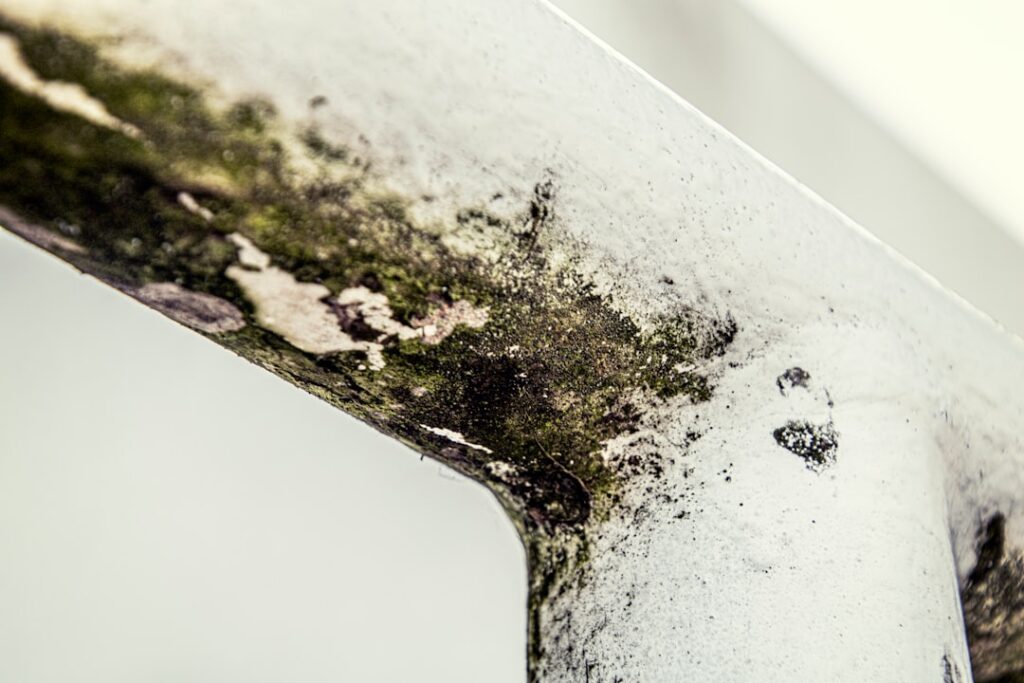
Mold and bacteria both turn up in damp, dirty, or water-damaged spots, so it is reasonable to wonder whether they are the same kind of thing. The short answer is no. Mold is a fungus, not a bacterium, and the two are biologically very different organisms. Knowing the distinction helps you understand why mold cleanup, prevention, and health concerns work the way they do. This guide explains is mold a bacteria, how fungi and bacteria differ, and why it matters at home. This guide summarizes EPA and CDC guidance current as of 2026 and is not medical advice; consult your physician for symptoms and a certified professional for testing decisions.
Is this mold, asbestos, or water damage? Get a free instant screen
Upload a clear photo of the suspect area. You'll get an instant AI screening opinion and what to do next. This is screening guidance, not a professional determination.
Screening guidance only. AI can be wrong. Confirm asbestos, mold type, or lead with lab testing or a licensed professional before acting.
Is mold a bacteria?
No. Mold is a fungus. Fungi and bacteria belong to entirely separate biological kingdoms. Bacteria are single-celled organisms with a simple cell structure and no true nucleus. Mold is a multicellular fungus made of thread-like filaments called hyphae that form a visible colony, and its cells contain a true nucleus. They reproduce differently too: mold spreads by releasing spores, while bacteria typically multiply by dividing in two.
So while mold and bacteria can grow side by side on the same wet surface, they are not the same organism, and confusing them leads to confused cleanup decisions.
The mix-up is understandable. Both are microorganisms, both flourish in damp conditions, and both can produce odors and discoloration. To the naked eye, a slimy film could be either. But the underlying biology differs at a basic level, and that difference shapes how each behaves, how it spreads, and how you deal with it. Getting the category right is the first step toward the right response.
What is mold, exactly?
Mold is a type of fungus that grows as a network of filaments and reproduces through airborne spores. Those spores are present almost everywhere, indoors and out, and they grow into visible colonies when they land on a damp surface with a food source such as wood, drywall paper, or dust. The EPA emphasizes that you cannot eliminate all spores from indoor air; the practical lever is controlling moisture. Our overview of mold inspection and testing explains how that plays out in real homes.
Because mold is a fungus, it is more closely related to mushrooms and yeast than to bacteria. That kinship is why some molds, like the cheese cultures, are cultivated for food while others spoil it.
How are bacteria different?
Bacteria are microscopic single-celled organisms. They do not form the visible fuzzy or slimy colonies people associate with mold, though large bacterial growths can produce slime films, such as the biofilm in a neglected drain. Bacteria reproduce by cell division and can multiply extremely fast under the right conditions. Some bacteria cause illness, some are harmless, and many are beneficial.
In a home, bacteria tend to be a concern in contexts like contaminated water, sewage backups, and food safety, while mold is mainly a concern as a moisture-driven growth on building materials. The two problems can overlap after a flood or sewage event, which is one reason the EPA treats contaminated-water cleanup more cautiously.
Another visible difference is structure. Mold builds the fuzzy, web-like colonies people recognize because its filaments grow outward into a network. Bacteria do not form that filamentous structure; large bacterial populations tend to appear as slime, film, or simple discoloration rather than fuzz. So while you cannot identify a specific organism by sight, the presence of clear fuzzy or hairy growth points strongly toward mold rather than bacteria.
Why the difference matters for your home
Treating mold as if it were bacteria, or vice versa, can lead to the wrong response.
Cleanup approach
Mold cleanup focuses on removing the colony and the moisture that feeds it. Killing mold is not the goal; even dead mold can cause allergic reactions, so the EPA advises removing it rather than simply disinfecting. Bacterial concerns, by contrast, often center on disinfection of surfaces and safe handling of contaminated water.
Health framing
Mold-related health effects are largely allergic and respiratory, plus infection risk for immunocompromised people. Bacterial illness works through different mechanisms. Knowing which you are dealing with helps you and any professional respond correctly.
For the bigger picture on what mold actually is, our guide that helps define mold covers the biology in plain language, and whether mold is a plant tackles another common mix-up.
Prevention overlaps, even if the organisms differ
The good news is that the prevention strategy is largely shared. Both mold and many problem bacteria need moisture, so controlling water controls both. Keeping humidity between 30 and 50 percent, fixing leaks promptly, and drying wet areas within 24 to 48 hours discourages fungal and bacterial growth alike. The cleanup may differ, but the front-line defense is the same.
Is mold treated with antibiotics?
No, and this is a clear consequence of the biology. Antibiotics target bacteria and have no effect on fungi. Fungal infections are treated with antifungal medications instead. Ironically, one of the most famous antibiotics, penicillin, is derived from a mold, but that does not mean antibiotics treat mold; it means a mold happens to produce a compound that kills bacteria. The distinction matters in a medical context, where the wrong class of drug simply will not work, and it is yet another reason getting the organism right is more than a trivia question.
How the cleanup differs in practice
Because mold and bacteria are different organisms, the home cleanup emphasis differs even though both start with moisture control. For mold, the EPA’s guidance centers on physical removal: clean small hard-surface areas, remove heavily colonized porous materials like drywall and carpet, and dry everything thoroughly. Killing the mold without removing it is not enough, since dead spores can still cause allergic reactions.
For bacterial contamination, especially after a sewage backup or a flood with dirty water, disinfection of surfaces and careful handling of contaminated materials carry more weight, and protective equipment becomes more important. The EPA classifies such “Category 3” water as the most hazardous, calling for greater caution and often the removal of porous materials that contacted it. When a water event involves both, the response has to cover fungal removal, bacterial disinfection, and the moisture that allowed either to grow.
For everyday clean water leaks caught early, mold is the primary concern and the response is straightforward drying and removal. For dirty-water events, assume both organisms are in play and treat the situation more conservatively. Knowing which scenario you are in tells you how cautious to be, which is the practical payoff of understanding that mold is a fungus and bacteria are something else entirely.
It is also worth noting that water can change category over time. Clean water from a broken supply line is low risk at first, but if it sits for a day or two, it can degrade and support bacterial growth in addition to mold. This is one more reason speed matters: a leak addressed within hours is usually a simple mold-prevention task, while the same water left for days becomes a more complicated cleanup involving both organisms. The clock, not just the source, helps determine how serious the job becomes.
Can mold and bacteria grow together?
Yes. A chronically wet surface can host both fungal and bacterial growth at once. Water-damaged buildings, especially after flooding with contaminated water, often have a mix. This is why the EPA and remediation standards treat “Category 3” water, such as sewage, more conservatively, with greater use of protective equipment and removal of porous materials. When both are present, the cleanup has to address moisture, fungal growth, and bacterial contamination together rather than tackling just one.
When to call a professional
Whether the growth is fungal, bacterial, or both, call a professional when contamination follows a sewage backup or flood with dirty water, when mold covers more than about 10 square feet, when growth recurs after cleaning, or when a household member is immunocompromised or has respiratory illness. A qualified remediation professional can identify whether you are dealing with mold, bacteria, or a combination, and scope the work accordingly. For health symptoms, see a physician.
References
- Mold Cleanup in Your Home — U.S. Environmental Protection Agency
- About Mold — Centers for Disease Control and Prevention
- Mold Health Topic — National Institute of Environmental Health Sciences
Front Range homeowners dealing with water damage that may involve mold or contamination can get in touch here to connect with a vetted inspector.