Is Mold a Plant? What Homeowners Need to Know
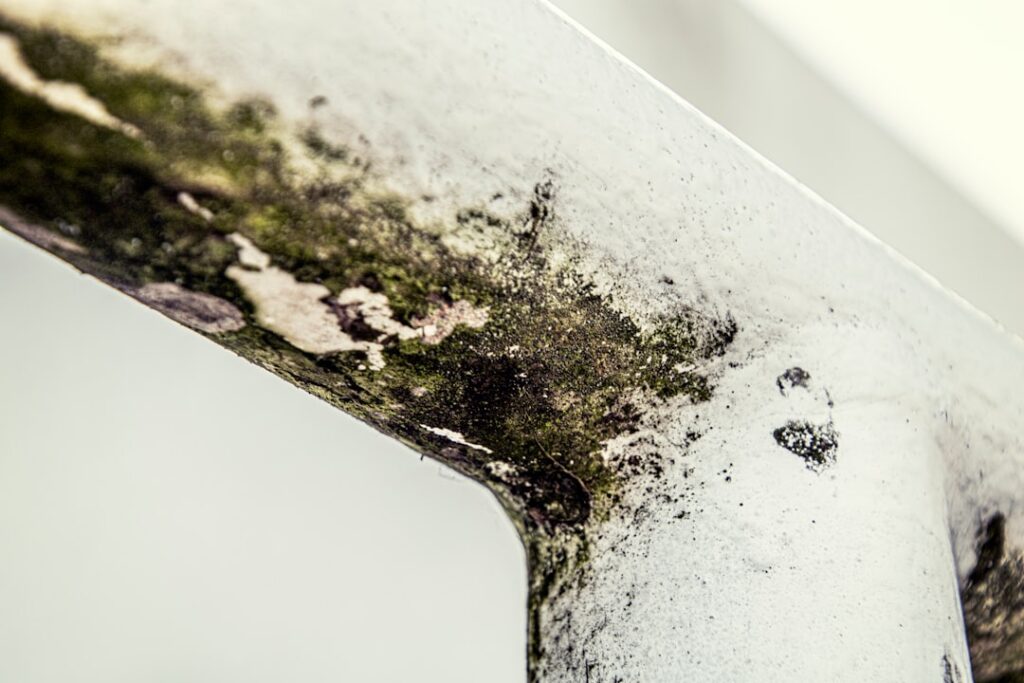
Mold spreads, grows, and seems to “feed” on its surroundings, so it is easy to assume it is some kind of plant. It is not. Mold is a fungus, a completely separate biological kingdom from plants, with a different way of getting energy, growing, and reproducing. Understanding why mold is not a plant explains some of its most important behaviors, including why it thrives in dark, damp basements where no plant could survive. This guide answers is mold a plant, lays out the differences, and connects the biology to home cleanup. This guide summarizes EPA and CDC guidance current as of 2026 and is not medical advice; consult your physician for symptoms and a certified professional for testing decisions.
Part of our Types of Mold guide — start there for the full picture →
Is this mold, asbestos, or water damage? Get a free instant screen
Upload a clear photo of the suspect area. You'll get an instant AI screening opinion and what to do next. This is screening guidance, not a professional determination.
Screening guidance only. AI can be wrong. Confirm asbestos, mold type, or lead with lab testing or a licensed professional before acting.
Is mold a plant?
No. Mold is a fungus, and fungi form their own kingdom separate from plants and animals. The single biggest difference is how each gets energy. Plants make their own food through photosynthesis, using sunlight, water, and carbon dioxide. Mold cannot photosynthesize. Instead, it absorbs nutrients from the organic material it grows on, breaking down wood, paper, and other matter externally and absorbing the results. That is why mold flourishes in dark places where plants cannot.
So mold is biologically closer to mushrooms and yeast than to anything green and leafy.
The confusion is old and understandable. For a long time, fungi were classified alongside plants because, like plants, they are rooted in place, grow toward resources, and seem to spread quietly across surfaces. Modern biology recognizes fungi as their own kingdom, distinct from both plants and animals, based on differences in how they obtain energy, what their cells are made of, and how they reproduce. Mold is squarely in that fungal kingdom.
How mold differs from plants
Several core traits set fungi apart from plants.
Energy source
Plants are producers that make food from sunlight. Mold is a decomposer that feeds on existing organic material. No light is required, which is why a dark, damp basement is ideal for mold and impossible for most plants.
Cell structure
Plant cell walls are made of cellulose. Fungal cell walls are made largely of chitin, the same tough material found in insect shells. This is a fundamental chemical difference between the two kingdoms.
Growth and reproduction
Plants grow from seeds and have roots, stems, and leaves. Mold grows as a web of filaments called hyphae and reproduces by releasing airborne spores rather than seeds. Those spores let mold spread rapidly to any new surface with moisture, which is central to how it colonizes a home.
Why this matters for your home
The fact that mold is a fungus, not a plant, explains its most troublesome habits. Because it does not need light, mold grows happily inside walls, under flooring, behind furniture, and in unlit crawl spaces. Because it spreads by spores instead of seeds, it can appear far from the original colony and re-establish quickly after an incomplete cleanup. And because it feeds by decomposing materials, it actively damages the wood, drywall, and paper it grows on.
This is why the EPA centers its guidance on moisture rather than light or sunlight exposure. Removing water, not adding light, is what stops mold. Our overview of how to define mold covers the biology in more depth, and whether mold is a bacteria addresses another common mix-up.
The decomposer trait has another consequence worth noting: mold actively damages what it grows on. A plant in a pot does not eat the pot. Mold, by contrast, breaks down the wood, paper, and other organic material it colonizes to feed itself. Left unchecked, that means structural damage to framing, subfloors, and drywall, not just an unsightly stain. The longer growth continues, the more material it consumes, which is one more reason to address it promptly.
Does mold need sunlight?
No, and this surprises many homeowners. Some molds are even inhibited by direct ultraviolet light, which is part of why sunlight and good airflow help dry out damp areas. But mold does not require darkness either; it requires moisture and a food source. The reason mold seems to prefer dark places is that dark places, like basements and closets, also tend to be damp and poorly ventilated. The darkness is correlation, not cause. Fix the dampness and the growth stops regardless of light.
This matters practically because some homeowners try to “fix” mold by adding a light to a closet or basement, expecting it to behave like a plant deprived of darkness. It does not work, because light was never the controlling factor. The same effort spent on a dehumidifier or fixing a leak would actually solve the problem. Understanding that mold is a moisture-driven fungus, not a light-seeking plant, points you toward the interventions that work.
Why mold can grow where plants cannot
The clearest demonstration that mold is not a plant is where it thrives. Mold flourishes in pitch-dark crawl spaces, inside sealed wall cavities, behind appliances, and in unlit basements, environments where no green plant could survive a week. It does this because it does not depend on sunlight for energy; it draws everything it needs from the damp organic material around it.
That ability is exactly what makes mold a hidden-problem fungus. Because it does not need light, it can establish itself completely out of sight, which is why a musty smell sometimes precedes any visible growth. A plant would announce itself by needing a window. Mold does not, and that is a direct result of being a fungus rather than a plant.
What mold shares with mushrooms and yeast
Placing mold in the fungal kingdom also clarifies its relatives. Mushrooms, yeasts, and molds are all fungi, and they share core traits: chitin cell walls, nutrition by absorbing nutrients from organic material, and the absence of photosynthesis. A mushroom is essentially the fruiting body of a larger fungal network living in soil or wood, much as a mold colony is a network of filaments living in a damp material. Yeast is a single-celled fungus used in baking and brewing.
These relationships are more than trivia. They explain why some fungi are cultivated deliberately, like the yeast in bread or the molds that ripen cheese, while others are problems indoors. The same kingdom contains both the useful and the unwanted, and what separates them is context and control rather than fundamental biology. Recognizing mold as a fungus rather than a plant puts it in the right family and makes its behavior, both helpful and harmful, easier to understand.
For homeowners, the takeaway loops back to moisture. Whatever a fungus’s role, its growth depends on the conditions it finds. Mold indoors is unwanted not because it is inherently evil but because a home offers it food and, when moisture is present, the one ingredient it cannot supply for itself. Controlling that ingredient is how you keep this particular fungus from making itself at home.
How understanding the biology guides cleanup
Because mold is a moisture-driven fungus, the response follows directly.
- Find and fix the water source first, since mold cannot grow without moisture.
- Clean small hard-surface areas, under about 10 square feet, with detergent and water and dry thoroughly.
- Remove heavily colonized porous materials, because mold roots into them like the decomposer it is.
- Keep humidity between 30 and 50 percent to prevent regrowth.
The EPA advises removing mold rather than just killing it, since dead spores can still trigger allergies. For moisture strategies, see our humidity control guide, and the mold inspection hub for when testing makes sense.
When to call a professional
Call a certified mold professional when growth covers more than about 10 square feet, when it is hidden inside walls or HVAC, when it recurs after cleaning, when contamination follows a flood or sewage backup, or when a household member is immunocompromised or has respiratory illness. For health symptoms, see a physician rather than relying on a self-assessment.
References
- Mold Cleanup in Your Home — U.S. Environmental Protection Agency
- About Mold — Centers for Disease Control and Prevention
- Mold Health Topic — National Institute of Environmental Health Sciences
Frequently asked questions
Is mold a plant or a fungus?
Mold is a fungus, not a plant. Fungi form a separate biological kingdom. Plants make food through photosynthesis, while mold absorbs nutrients by decomposing organic material, which is why it grows in dark, damp places.
Does mold need sunlight to grow?
No. Mold cannot photosynthesize and does not need light. It needs moisture and a food source. It often appears in dark areas because those spots also tend to be damp and poorly ventilated, not because of the darkness itself.
Why is mold not considered a plant?
Mold lacks chlorophyll and cannot make its own food, its cell walls are made of chitin rather than cellulose, and it reproduces by spores instead of seeds. These traits place it firmly in the fungi kingdom.
Why does it matter that mold is a fungus?
It explains mold's behavior: growing without light, spreading by airborne spores, and damaging materials by decomposing them. That is why cleanup focuses on removing moisture and growth rather than controlling light.
If you are in the Denver metro or Front Range and want a vetted inspector to assess hidden mold, reach out through our contact page.