Moisture Meter Indoor Plants: 2026 Houseplant Care Guide
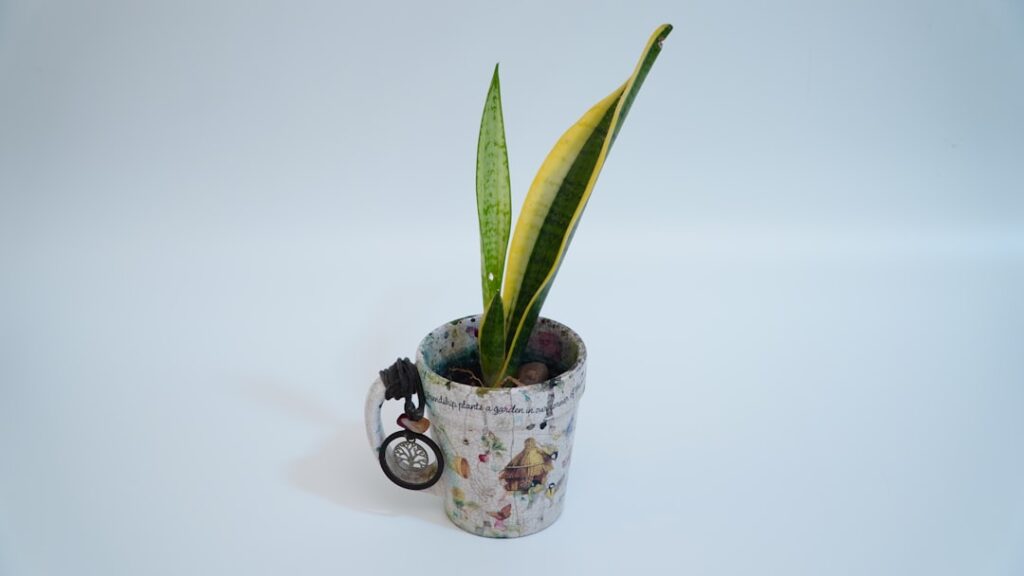
A moisture meter for indoor plants is a cheap pin probe that estimates how wet the root zone of a houseplant is, so the owner can water with intention instead of guessing. Most indoor-plant owners come to the category after killing a fiddle-leaf fig from overwatering, watching a peace lily droop because the surface soil looked moist while the root ball was bone dry, or losing a snake plant to rot when it should have been almost impossible to kill. The honest premise of the meter is small: it answers a binary question better than a fingertip, in pots where the fingertip cannot reach root depth without disturbing the plant.
What a moisture meter for indoor plants actually measures
The basic pin-probe meter measures electrical conductivity between two metal pins pushed into the potting mix. Wet mix conducts electricity better than dry mix, so the meter’s needle or digital readout correlates with moisture. The reading is relative on a 1-to-10 scale, not absolute volumetric water content. A “5” on one meter brand does not equal a “5” on another, but for a single plant over time the readings give a useful day-over-day comparison the owner can act on.
Mid-tier meters in the $25 to $60 band add capacitance sensing, which reads dielectric constant rather than direct conductivity. Capacitance models are less affected by fertilizer salts that can throw cheap conductivity meters off. Some add a light sensor (lux) and a pH probe in a single housing. For most houseplant owners, the $10 to $20 conductivity pin probe is sufficient because watering decisions are forgiving across a wide range of soil moisture.
How to use a moisture meter on indoor plants
Push the probe straight down into the potting mix to about two-thirds of the pot’s depth, where most of the active root system lives. Pots smaller than four inches across are too small for the meter to read accurately because the probe occupies most of the soil volume. For pots larger than ten inches, take readings at two opposite sides of the plant because moisture distributes unevenly after watering.
Wipe the probe between plants with a dry cloth. Residual mix from one pot affects the reading on the next. Take readings before scheduled watering, not after; the goal is to know whether the plant needs water, not to measure how much was just added. Avoid leaving the probe in the soil between readings; the pins corrode over time, especially in fertilizer-rich mixes.
What the reading means for indoor watering decisions
The general interpretation of a 1-to-10 scale runs as follows. A reading below 3 means the root ball is dry enough that drought-tolerant species like succulents and snake plants are fine but tropicals like peace lilies and ferns are stressing. A reading of 4 to 7 is the comfortable watering window for most foliage houseplants. A reading above 8 means the mix is saturated, which puts almost any plant at risk for root rot if it persists more than a couple of days.
Different houseplant species tolerate different ranges, and this is where the meter outperforms guesswork. Succulents and cacti prefer the mix to dry to 2 or below before rewatering. Tropical foliage plants like pothos and monstera prefer the 4 to 6 range. Moisture-loving plants like calathea and ferns prefer 5 to 7 consistently. Once an owner learns the preferred range for each species in their collection, the meter eliminates the guesswork that kills most houseplants.
Houseplant meters vs garden meters vs building meters
The category confusion across three adjacent tool types is worth clearing up. Indoor plant meters and outdoor garden meters use similar pin-probe technology but are sometimes calibrated differently for the lower fertilizer levels and finer potting mixes typical indoors. Most cheap meters work for both contexts. Both are distinct from building moisture meters, which are calibrated for wood and drywall and produce unreliable numbers in soil.
A homeowner who finds wet drywall from a leaking pipe should not use the houseplant meter to diagnose the building problem; the readings will not be meaningful. The right building tool is a Wagner, Delmhorst, or Protimeter pin or pinless meter calibrated for wood and gypsum. The moisture meter for garden guide covers the outdoor sibling category.
Pricing tiers in 2026
The under-$15 tier is dominated by passive analog pin probes that require no batteries. They work surprisingly well for the price. Brands at this tier include XLUX, Sonkir, Gouevn, and house-brand units sold at garden centers and big-box retailers. The $20 to $60 tier adds digital readouts, capacitance sensing, sometimes a multi-mode probe that reads moisture, light, and pH. Some Wi-Fi-connected pots in this tier auto-report moisture to a phone app.
Above $60, the market thins out for indoor-only use because most serious horticulture work has moved to smart irrigation systems or automated sub-irrigation pots. A houseplant owner does not need a $200 meter; the marginal accuracy gain is invisible at the watering-decision granularity that matters.
Common houseplant owner mistakes with moisture meters
The most common mistake is treating the meter as a diagnostic for a sick plant rather than a scheduling tool. A wilting plant in moist soil is often a root-rot problem caused by prior overwatering, not a current dryness problem. The meter confirms the mix is wet but cannot tell the owner that drowned roots cannot take up the available water. Recovery requires repotting in dry mix and reducing watering frequency, not adding more water.
The second common mistake is reading the surface of the mix rather than the root depth. Surface moisture evaporates quickly and tells nothing about the conditions where the roots actually live. Push the probe to two-thirds depth and trust that reading over what the fingertip can feel at the surface. The third mistake is leaving the probe in the soil between readings, which corrodes the pins and shortens the meter’s lifespan to a single growing season.
When the meter is not the right tool
Small succulent pots under three inches across are too small for the probe to read accurately; the lift-and-weigh method (a pot that feels heavy still has water, a pot that feels light needs water) outperforms a meter here. Self-watering pots with reservoir systems have their own visual gauges and do not need a separate probe. Air plants and orchids in bark medium produce readings that do not map to the usual interpretation scale because bark holds moisture very differently from peat-based mix.
Succulents and cacti
The meter helps confirm the mix has fully dried between waterings, which is the single most important rule for these plants. Readings of 1 to 2 before rewatering produce healthier plants than guessing. Overwatering is the number-one killer of indoor succulents.
Tropical foliage
The meter prevents both extremes. Owners with a tendency to overwater learn that 4 to 6 is plenty; owners with a tendency to underwater learn that letting the mix drop below 3 stresses these plants visibly within a day. The home inspection tools pillar covers the broader category context, though the indoor plant subcategory is its own world.
Care and lifespan of the meter
Pin probes corrode in fertilizer-heavy potting mix. Wipe the probe dry after every reading. Store in a dry environment, ideally not in the same room as the plants because humidity affects the meter housing over time. Most cheap meters last two to three years of regular use. Battery-powered digital meters add the battery-replacement task; check batteries when readings become erratic before assuming the meter has failed.
Building a watering schedule with the meter
The meter is most useful when it replaces guesswork with a small habit. Check the moisture level once a week on each plant; water any plant whose reading is at or below its preferred range. Record the readings in a notebook or phone app for the first month to learn each plant’s pattern. After that month, most owners can predict their plants’ watering needs from the calendar alone and use the meter only to confirm during seasonal transitions when light, humidity, and temperature shift the pattern.
Seasonal patterns in houseplant watering needs
Indoor plants follow seasonal rhythms even in climate-controlled homes. During the growing months (roughly March through October in most US climates), most foliage plants drink more water because they put on new growth, photosynthesize at higher rates with longer day lengths, and transpire more in the warmer interior temperatures. Watering frequency for the same plant can double between January and June. The moisture meter catches this shift by showing that the mix dries faster than expected during growth periods.
Winter brings the opposite pattern. Shorter day lengths, cooler temperatures, drier indoor air from heating systems (paradoxically, lower humidity actually slows plant water uptake because plants close their stomata to conserve moisture), and slower growth all reduce water demand. A pothos that needs water every five days in July may need water only every twelve days in January. Owners who maintain the same watering schedule year-round are the most common culprits behind winter root rot in houseplants.
Specific plants and their preferred moisture meter readings
The interpretation scale matters less than the plant-specific preference. Snake plants and ZZ plants prefer readings of 2 to 4 with full dryness between waterings; both species rot easily when consistently moist. Pothos, philodendron, and monstera tolerate the broadest range and thrive between 4 and 7. Calathea, fern, and prayer plants prefer consistent moisture at 5 to 7 and stress quickly below 4. Orchids in bark medium produce readings that do not map cleanly to the standard scale because bark holds water differently than peat mix; rely on bark color and weight checks alongside the meter.
Cacti and succulents prefer the driest end of the scale, often happiest below 2 between waterings. Citrus and other tropical fruiting plants need consistent moisture in the 5 to 7 range with attention to slight stress on the dry side, which can trigger flowering. African violets and gloxinias prefer steady 5 to 6 with bottom watering rather than top watering to avoid leaf damage. These preferences come from each plant’s native habitat and adapting watering to the species rather than to a generic interpretation rule produces healthier plants.
How indoor environmental conditions shift the readings
Three indoor variables shift the meter’s interpretation. Light intensity affects plant water demand directly; plants in bright windows transpire more and dry their pots faster than the same species in dim corners. Temperature affects both plant transpiration and evaporation from the mix surface. Humidity affects evaporation from the surface; a humid bathroom slows surface evaporation but does not slow the root zone’s moisture use significantly.
Pot material also matters. Terracotta pots wick moisture through their walls and dry faster than glazed ceramic or plastic pots of the same size. Self-watering pots with bottom reservoirs change the entire interpretation because the root ball stays consistently moist while the surface mix dries. Self-watering pot owners often find the meter shows higher readings than expected because the wicking system keeps the root zone hydrated even when the surface looks dry.
Troubleshooting unreliable readings
If meter readings seem inconsistent or implausible, check three things in order. First, probe corrosion: tarnished or pitted probes give erratic readings. Light corrosion can be polished off with fine sandpaper; heavy corrosion means the meter is at end of life. Second, battery condition if the meter is digital: weak batteries produce drifting readings that look like soil moisture changes. Third, salt buildup in the soil from accumulated fertilizer: high salinity throws off conductivity readings. Flushing the pot with plain water can reset the reading baseline.
References
- WaterSense indoor and outdoor water tips — U.S. Environmental Protection Agency
- Household water efficiency guidance — U.S. Department of Energy
- Healthy homes indoor environment resources — Colorado Department of Public Health and Environment
- Moisture meter overview for inspectors — International Association of Certified Home Inspectors
Moisture meters for home inspection
Pin meters read deep but leave marks; pinless meters scan surfaces non-destructively. Many inspectors carry both.
| Product | Why | Buy |
|---|---|---|
 Klein Tools ET140 Pinless Klein Tools ET140 Pinless | Non-destructive scanning; affordable. | Amazon — $49.97 |
 General Tools MMD4E General Tools MMD4E | Best-selling pin meter for drywall/wood. | Amazon — $37.70 |
 Lignomat Mini-Ligno Lignomat Mini-Ligno | Trusted by woodworkers; species-calibrated. | Amazon — $115.00 |