Animal in Attic: How to Identify It and What to Do Next
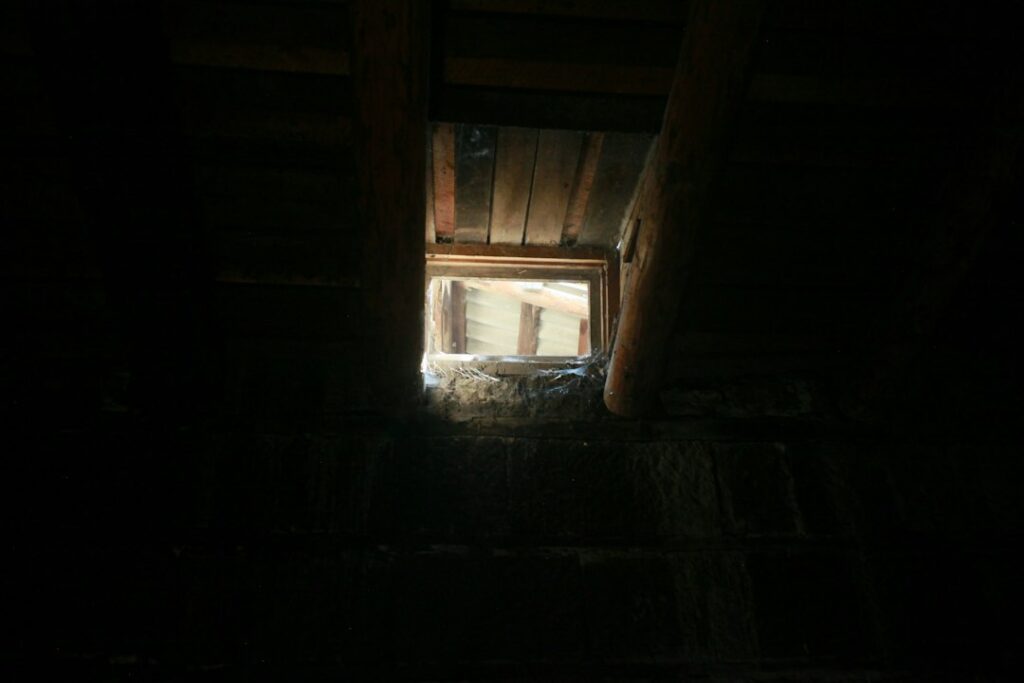
When you hear an animal in the attic, the time of day is the best first clue: scurrying in the morning and late afternoon usually means squirrels, heavy thumping after dark points to raccoons, fluttering or squeaking at dusk suggests bats, and light scratching through the night is typically mice or rats. Confirm what it is from droppings and the entry hole, then deal with it in the right order: humane exclusion so the animal leaves, sealing the entry, and safe cleanup. Raccoons, bats and any situation with young animals or possible rabies exposure are jobs for a licensed wildlife professional. This guide summarizes CDC guidance current as of 2026 on the diseases involved; it is general information, so contact a healthcare provider or your local health department after any bite, scratch or bat contact.
Part of our Specialty Home Inspections guide — start there for the full picture →
| Animal | When you hear it | Signs and droppings | Typical entry |
|---|---|---|---|
| Squirrels | Daytime, especially early morning and late afternoon; scurrying, rolling, chewing | Chewed fascia and vent edges, leaf nests, droppings slightly larger than a rat’s, rounded | Roof-soffit gaps, gable and roof vents, holes about 1.5 to 3 inches |
| Raccoons | Night; heavy thumps, walking sounds, chattering kits in spring | Torn soffits, vents or shingles; a latrine area of large tubular droppings; flattened insulation | Roof vents, soffits, chimneys; holes roughly 4 inches or larger, often ripped open |
| Bats | Dusk and dawn; faint fluttering, squeaking, scratching near the eaves | Small crumbly droppings piled below a roost, dark stains at gaps | Gaps as narrow as about half an inch at ridges, gable vents, flashing |
| Mice | Night; light scratching and pattering along the edges | Rice-sized droppings, runways in insulation, shredded nests | Gaps about a quarter inch, often via wall cavities from below |
| Rats | Night; louder scratching, gnawing, scurrying | Droppings roughly half an inch or more, grease marks, gnawed wiring | Gaps roughly half an inch to an inch, roofline or utility penetrations |
| Birds | Daylight, especially early morning; chirping, fluttering | Twigs and grass in vents, white droppings below the nest | Open vents, dryer and bath fan hoods, gaps in soffits |
Hole sizes and dropping sizes are rough guides, not exact rules. Use them together with timing and damage patterns rather than relying on any single sign.
Step One: Identify the Animal by Sound and Timing
Most attic animals are on predictable schedules, which makes listening the cheapest diagnostic tool available. Spend a day and a night noting when the noise happens and what it sounds like.
Daytime noise
Squirrels are active by day. They leave in the morning to forage and return in the late afternoon, so noise often clusters around those two windows. The sound is quick scurrying, scratching and sometimes a rolling noise as they move nuts or debris. Fox squirrels are common in Front Range towns, and attics near mature trees are frequent targets. Our guide to squirrels in the attic covers squirrel-specific exclusion and timing. Birds are the other daytime suspect, with chirping or fluttering in a vent or soffit, especially in spring.
Night noise
Raccoons are heavy, and their movement sounds like a person or a large dog walking overhead. Noise usually starts after dusk and stops before dawn. In spring, high-pitched chattering or crying can mean a mother has kits. Mice and rats also move mostly at night, but their sounds are lighter: scratching, gnawing and pattering along the edges of the ceiling. Rats are louder and heavier than mice. Our guide to rats in the attic explains how to tell the two apart and why the approach differs.
Dusk and dawn noise
Bats leave the roost at dusk and return before dawn. Inside the attic they are mostly quiet, but a colony can produce faint squeaking and a rustling or fluttering near the roofline. Watching the outside of the house at sunset is often the fastest way to confirm bats; they emerge one by one from a narrow gap. Bats need specialized handling, covered in our guide to bat removal.
Step Two: Confirm With Droppings, Damage and the Entry Point
A daylight inspection usually settles the question. Wear gloves, long sleeves and a well-fitted respirator, and look rather than touch. Do not sweep anything; the cleanup section below explains why.
- Droppings. Size, shape and location are telling. Raccoons often use one spot as a latrine. Bat droppings pile up below a roost and crumble when crushed, unlike rodent droppings. Mouse droppings are small and scattered along runways.
- Insulation. Tunnels and runways suggest rodents. Large flattened areas suggest raccoons. Nests of leaves and twigs point to squirrels or birds.
- Gnaw and tear marks. Squirrels and rodents gnaw; raccoons tear and pull. Ripped-up soffit panels or roof vents are a raccoon signature.
- The outside of the house. Walk the perimeter with binoculars. Look at soffits, fascia corners, gable vents, roof vents, the chimney top, plumbing vents and the roof-to-wall joints. Fresh chew marks, staining, nesting material poking out or a hole with smudged edges usually marks the active entry.
A simple test helps confirm an entry is in use: loosely stuff a suspected hole with crumpled newspaper or tape a piece of paper over it, then check a day later. Do not seal it permanently until you know what is inside. Sealing an animal in, particularly a mother separated from young, causes far bigger problems, including the animal tearing a new hole or dying in the attic.
Health and Safety Risks
Rabies
CDC reports that the animals most frequently found with rabies in the United States are bats, skunks, raccoons and foxes, and that contact with infected bats is the leading cause of human rabies deaths in the country. Rabies spreads mainly through bites and scratches, and once symptoms start the disease is nearly always fatal, yet medical care after an exposure is nearly 100 percent effective if received promptly. Never handle a bat or a raccoon with bare hands. If anyone may have been bitten or scratched, or a bat is found in a room where someone was sleeping, contact a healthcare provider or your local health department right away.
Raccoon roundworm
Raccoon latrines carry a separate risk. CDC explains that raccoon roundworm (Baylisascaris) infection is rare in people but can be severe, and that infection happens when infectious eggs are swallowed, usually by accident. Eggs in raccoon feces take two to four weeks to become infectious, which makes an old attic latrine more hazardous than a fresh one. Latrine cleanup is one of the clearest cases for hiring a professional.
Hantavirus from mice
CDC states that the most common hantavirus causing hantavirus pulmonary syndrome in the United States is spread by the deer mouse, which is common on the Front Range. Infection happens mainly by breathing in contaminated air when fresh urine, droppings or nesting material is stirred up.
Histoplasmosis from bird and bat droppings
CDC notes that the fungus that causes histoplasmosis is found in soil and in bird or bat droppings, and that spores are released into the air when contaminated material is disturbed. It mainly lives in the central and eastern states, but outbreaks have occurred in places scientists did not expect, so large accumulations of droppings deserve caution anywhere.
Fire and structural damage
Squirrels and rodents chew wiring, which creates a fire hazard. Raccoons can tear ductwork loose, crush insulation and damage roof sheathing. Animals that get trapped and die in the attic leave strong odors and attract insects.
What to Do Next: DIY or Call a Pro?
Some situations are reasonable DIY projects. Others are not, either because of the animal, the law or the risk.
| Situation | Reasonable DIY? | Why |
|---|---|---|
| A few mice, recent activity | Usually yes | Snap traps, steel-wool sealing and wet cleanup are manageable |
| Squirrels with one clear entry, no young | Sometimes | A one-way exclusion door can work, but roofline ladder work is risky |
| Raccoons | Generally no | Strong, potentially aggressive animals; rabies and roundworm risk; kits in spring |
| Bats | No | Rabies risk, timing restrictions around maternity season, specialized exclusion |
| Nesting birds | Depends on species | Most native birds and their active nests are federally protected |
| Any animal with young, or a bite or scratch | No | Requires a professional and, for exposures, medical advice |
Trapping, relocating and killing wildlife is regulated by state wildlife agencies, and the rules vary. Many states, Colorado included, restrict relocating trapped animals. Before setting any live trap for a mammal larger than a rodent, check your state wildlife agency’s rules. Do not use poison for mammals in an attic; beyond the legal and safety issues, poisoned animals often die inside walls or under insulation. For squirrel problems where DIY is reasonable, our roundup of the best squirrel deterrents compares the exclusion products that tend to work better than sprays or noise devices.
The spring birthing season, roughly March through June on the Front Range, needs extra care. Raccoons, squirrels and bats all raise young in attics. Excluding a mother while babies are still inside leads to a desperate animal tearing back in or dead young in the attic. A professional will look for young before installing a one-way door, and may wait or remove the young by hand so the mother can relocate them.
How Professionals Remove an Animal From the Attic
Licensed wildlife control operators generally follow a humane exclusion process:
- Inspection. Identify the species, count entry points, check for young and assess damage inside and out.
- Seal secondary openings. Close every gap except the main active entry.
- Install a one-way exclusion door. The animal can leave but cannot return. For bats, this is usually a tube or netting device; for squirrels and raccoons, a sturdier one-way door or cage.
- Monitor. Confirm the attic is empty over several days. Trapping, where legal, is used when exclusion alone is not practical.
- Permanent sealing and repair. Remove the exclusion device and close the entry with durable materials: chimney caps, roof vent guards, galvanized hardware cloth behind gable vents, repaired soffits and fascia.
- Cleanup. Remove droppings, nests and latrines; disinfect; deodorize; and remove contaminated insulation where needed.
- Warranty and follow-up. A written warranty on the exclusion work and a return visit if activity resumes.
Chimneys deserve special mention. Raccoons often den on the smoke shelf or damper of an uncapped chimney, and birds and bats use them too. A properly sized, screened cap is the permanent fix; our guide to the chimney cap explains types and sizing.
Common mistakes to avoid
- Sealing the hole right away. It feels like progress, but it traps the animal inside. Trapped squirrels and raccoons often chew or tear a new exit through drywall or the roof, and trapped animals that die leave a strong odor.
- Relying on noise makers, lights or mothballs. These rarely move an established animal, and mothballs release fumes that can drift into living spaces.
- Going into the attic to chase the animal. Cornered raccoons can bite, and a misstep between joists can put a foot through the ceiling.
- Dry sweeping droppings. This is the step most likely to put disease particles into the air you breathe.
- Ignoring the second entry. Many attics have more than one opening. Sealing only the obvious one sends the animal to the next.
Cleaning Up After an Animal Leaves
CDC’s rodent cleanup guidance is the baseline for any droppings cleanup: do not sweep or vacuum droppings, urine or nesting material, because that can put virus particles into the air. Instead, ventilate the space, wear gloves, spray the material with a disinfectant or a fresh bleach solution (CDC gives 1.5 cups of household bleach per gallon of water), let it soak for 5 minutes, wipe it up with paper towels and bag it. CDC also says contaminated insulation should be bagged for removal.
That approach works for a small area of mouse droppings. Raccoon latrines, bat guano accumulations and attic-wide contamination are different: they call for containment, respirators and specialized removal equipment, which is why most homeowners hire this part out. Our guide to attic insulation removal explains how contaminated insulation is taken out and replaced. Odor that lingers after cleanup usually points to urine-soaked insulation or framing that still needs treatment, or a dead animal that has not been found.
Typical Costs for Getting an Animal Out of the Attic
The figures below are a typical national range, not quotes. Prices vary by region and company, so get two or three written quotes.
| Service | Typical national range |
|---|---|
| Inspection | Often free to roughly $100–$300 |
| Mouse or rat trapping and sealing | Roughly $300–$1,500 |
| Squirrel exclusion | Roughly $300–$1,500 |
| Raccoon removal and exclusion | Roughly $400–$1,500 or more |
| Bat exclusion | Roughly $500–$3,000 or more, depending on the colony and number of gaps |
| Droppings cleanup and insulation replacement | Roughly $1,000–$5,000 or more |
What moves the price: the species, the number of entry points, roof height and pitch, whether young are present, the number of follow-up visits, the amount of cleanup and insulation work, and the length of the warranty. Homeowners insurance usually excludes damage caused by rodents and many animals, though some policies treat sudden damage differently; check your policy and ask your agent before assuming anything is covered.
How to Choose a Wildlife Removal Company
- Licensing. Ask what state licenses or permits the company holds for wildlife work and, if it uses any pesticides, for pest control.
- Insurance. Get proof of liability coverage, because the job involves roof and ladder work.
- Humane exclusion as the default. The company should explain how it checks for young and what it does if it finds them.
- Written estimate. It should itemize removal, each entry point to be sealed, materials, cleanup and follow-up visits.
- Warranty. Ask for the length and terms in writing, including what happens if an animal gets back in.
- Photos. Before-and-after photos of the entry points and the attic.
Red flags include quotes given over the phone without an inspection, trapping with no plan to seal entries, refusing to discuss young animals, and pressure to buy a large cleanup package before the animal is even out.
Preventing the Next Animal
Every animal that gets into an attic used an opening that already existed or one it could enlarge. Front Range weather keeps creating new ones: hail cracks vent hoods and dents soffit panels, freeze-thaw cycles open seams at the fascia, and strong winds loosen flashing. A yearly look at the roofline each fall catches most problems early.
- Install a screened chimney cap and keep it in good repair.
- Back gable vents with galvanized hardware cloth.
- Use sturdy metal guards on roof vents and plumbing vent openings where animals are a problem.
- Repair rotted or loose soffit and fascia boards promptly.
- Trim tree branches back from the roof so squirrels and raccoons cannot jump onto it.
- Secure trash, pet food and bird feeders so they do not attract animals to the house.
How a Home Inspection Flags Animals in the Attic
A home inspector views the attic where access is safe and reports visible conditions. Droppings, nests, latrines, damaged insulation, chewed wiring, torn vents and open gaps at the roofline are typically noted, with a recommendation for evaluation by a wildlife or pest professional. The inspector does not move insulation or trap animals, and a quiet attic on inspection day does not prove nothing is living there. Buyers who want a deeper look can add a focused evaluation; our overview of specialty inspections explains the options. For sellers, fixing entry points and documenting the cleanup before listing gives buyers fewer reasons to renegotiate.
References
- About Rabies — Centers for Disease Control and Prevention
- About Raccoon Roundworm — Centers for Disease Control and Prevention
- About Hantavirus — Centers for Disease Control and Prevention
- Histoplasmosis: Causes and How It Spreads — Centers for Disease Control and Prevention
- How to Clean Up After Rodents — Centers for Disease Control and Prevention
Frequently asked questions
How can you tell what kind of animal is in the attic?
Start with timing. Daytime scurrying usually means squirrels, heavy night thumping means raccoons, dusk fluttering means bats and light night scratching means mice or rats. Confirm with droppings, damage patterns and the size and location of the entry hole.
Will an animal in the attic leave on its own?
Sometimes it leaves to forage, but it usually comes back because the attic is warm and safe. The reliable solution is a one-way exclusion door on the active entry, followed by permanently sealing every opening once the attic is confirmed empty.
Is it dangerous to have an animal in the attic?
It can be. CDC lists bats, raccoons and skunks among the animals most often found with rabies, raccoon latrines can carry roundworm, and deer mouse droppings can spread hantavirus. Chewed wiring also creates a fire risk.
Can you trap and relocate an attic animal yourself?
Trapping and relocating wildlife is regulated by state wildlife agencies, and many states, Colorado included, restrict relocation. Check your state wildlife agency's rules first. For raccoons, bats and any animal with young, hiring a licensed professional is the safer choice.
How much does it cost to remove an animal from the attic?
Typical national ranges run from a few hundred dollars for simple rodent or squirrel jobs to several thousand when bat exclusion, latrine cleanup or insulation replacement is involved. Species, entry points, roof height, young animals and warranty terms drive the price.
Hearing noises overhead in a home you are buying or selling? Contact our team to schedule a Front Range inspection that includes the attic.