Attic Mold Removal: What Homeowners Need to Know
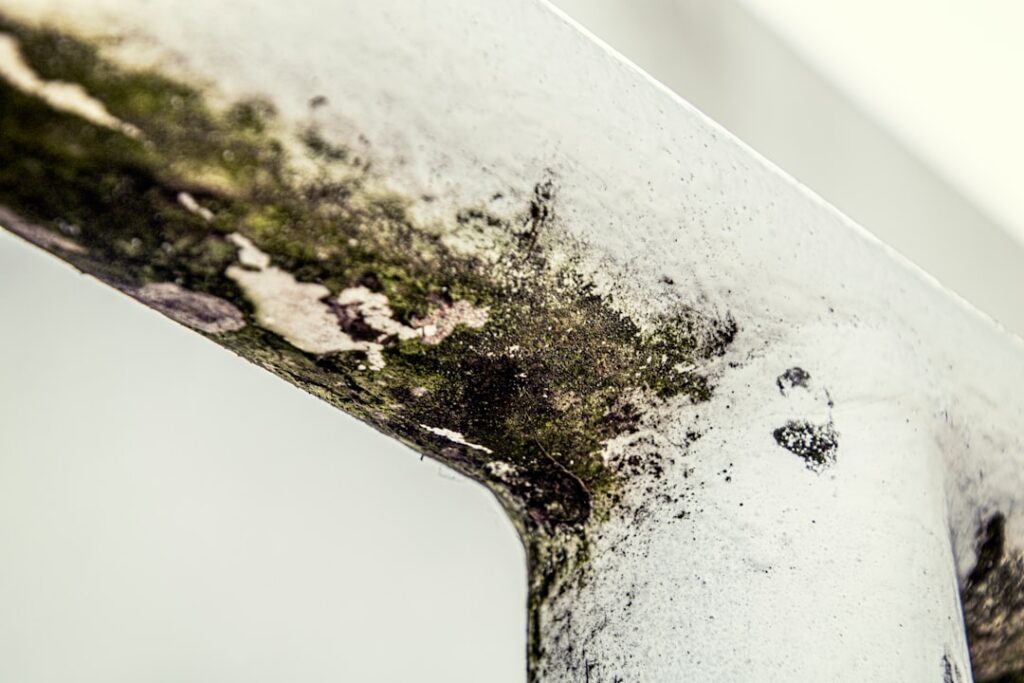
Attic mold removal addresses growth on roof sheathing, rafters, and insulation, almost always driven by trapped moisture from poor ventilation, roof leaks, or bathroom fans venting into the attic. Because attics are confined, hot, and hard to reach, removal calls for extra care. This guide summarizes EPA and CDC guidance current as of 2026; consult a certified professional for testing decisions and your physician for health concerns. Front Range attics are especially prone to mold after ice dams and in homes where exhaust fans dump humid air into the attic instead of outside.
Is this mold, asbestos, or water damage? Get a free instant screen
Upload a clear photo of the suspect area. You'll get an instant AI screening opinion and what to do next. This is screening guidance, not a professional determination.
Screening guidance only. AI can be wrong. Confirm asbestos, mold type, or lead with lab testing or a licensed professional before acting.
Why Attics Grow Mold
Mold needs moisture, and attics collect it in predictable ways. Inadequate ventilation traps warm, humid air that condenses on cold roof sheathing in winter. Roof leaks introduce direct water. Bathroom and dryer vents that terminate in the attic rather than outdoors pour moisture into the space. The result is dark staining on the underside of the roof deck, the classic attic mold pattern.
Identifying Attic Mold
Look for black, gray, or white discoloration on the roof sheathing and rafters, frost or water stains in winter, and a musty smell. Damp or matted insulation is another clue. Because attic mold often sits out of sight, many homeowners discover it only during a roof project or home inspection. Our overview on finding mold in your house covers the search.
Don’t Confuse It With Other Stains
Not every dark mark is mold; some are old water stains or sap. Persistent fuzzy or spreading growth, especially with a musty odor, points to active mold rather than a historic stain.
Safety in a Confined Space
Attics are hot, cramped, and full of trip hazards like exposed joists and wiring. Wear an N95 respirator, gloves, and non-vented goggles, step only on joists or sturdy boards, and bring adequate lighting. Heat stress is a real risk in summer, so work in cooler hours. If the growth is extensive, the confined conditions alone justify hiring a professional.
The Removal Process
Removal follows the standard sequence adapted to the attic. Contain the access point so spores do not drift into the living space, HEPA-vacuum and scrub accessible wood surfaces with detergent and water, and remove contaminated insulation, which is porous and not worth saving. The EPA emphasizes physical removal over chemical killing. Sheathing with surface mold can often be cleaned and saved if the wood is structurally sound.
Should You Replace the Sheathing?
Surface mold on sound roof sheathing usually cleans up. When mold has caused rot or the wood is soft and delaminating, sections may need replacement, which overlaps with roofing work. A professional assessment distinguishes cosmetic staining from structural damage so you do not over- or under-do the repair.
Fixing the Real Cause: Ventilation and Leaks
Removal without correcting moisture guarantees a return. Ensure balanced attic ventilation with adequate soffit intake and ridge or roof exhaust, reroute any bathroom or dryer vents to terminate outdoors, and repair roof leaks. Sealing air leaks from the living space below also reduces the warm, moist air reaching the attic. Our guide to preventing mold growth through building science details these fixes.
Insulation Considerations
Moldy insulation is porous and typically removed and replaced rather than cleaned. New insulation should be installed only after the moisture problem is solved and the area is dry, or it will become contaminated again. Proper attic insulation also reduces the temperature swings that drive condensation in the first place.
Verifying the Job Worked
For larger attic projects, independent clearance testing and a follow-up inspection confirm the mold is removed and the ventilation fix is effective. Re-checking the attic after the next winter or rainy stretch verifies that condensation and leaks are truly resolved. Skipping verification risks paying twice when hidden moisture persists.
How Attic Ventilation Should Work
A healthy attic moves air continuously. Cool outside air enters through soffit vents at the eaves, rises as it warms, and exits through ridge, gable, or roof vents near the peak. This flow carries away the moisture and heat that would otherwise condense on the roof deck. When intake or exhaust is blocked, undersized, or unbalanced, the system stalls and humidity builds. Insulation stuffed into the eaves is a common culprit, choking off the soffit intake the attic depends on.
The Connection Between Attic Mold and Your Roof
Attic mold and roofing problems often travel together. A leaking roof introduces direct water, while poor attic conditions can shorten the life of sheathing and shingles. If removal reveals rot, the repair overlaps with roofing work, so coordinating the two saves money and prevents a half-finished fix. On the Front Range, ice dams formed when attic heat melts snow that refreezes at the cold eaves are a frequent source of the water that feeds attic mold.
Bathroom and Dryer Vents in the Attic
One of the most common and fixable causes of attic mold is an exhaust vent that terminates in the attic instead of outdoors. A bathroom fan or dryer vent dumping warm, humid air into the attic delivers a steady moisture supply right where it condenses on cold sheathing. Rerouting these vents to discharge fully outside, through a roof or wall cap, removes the source. Check every fan and vent in the home for this misrouting during any attic mold project.
Preventing Attic Mold Long-Term
Durable prevention combines three fixes: balanced ventilation with clear soffit intake and adequate exhaust, properly routed vents that discharge outdoors, and a well-sealed, well-insulated attic floor that keeps warm, moist household air from rising into the attic. Together these stabilize attic temperature and humidity so condensation does not form. Our overview on preventing mold from growing covers the building-science principles behind a dry, mold-resistant attic.
Inspecting Your Attic Periodically
Catching attic mold early keeps the cleanup small. Check the attic a couple of times a year, ideally after a hard winter and a wet spring, looking for dark staining on the sheathing, frost or water marks, damp insulation, and a musty smell. Bring good lighting and step only on joists. If you spot the early signs, address ventilation and moisture before growth spreads. Our guide to how to know if your home has mold covers what to watch for.
What Attic Mold Removal Costs
Pricing depends on the extent of growth, whether sheathing needs replacement, the difficulty of access, and whether ventilation or roofing repairs accompany the work. A small, accessible area of surface mold on sound sheathing is modest, while extensive growth requiring insulation removal, structural repair, and ventilation upgrades climbs considerably. Bundling the moisture fix with the removal often costs less than doing them separately. Get more than one written estimate, and make sure each includes the ventilation correction, not just the cleanup, so you are comparing complete solutions.
Insurance and Attic Mold
Homeowner policies sometimes cover attic mold removal when it stems from a sudden, covered event such as a roof damaged in a storm, but typically exclude mold from gradual condensation or long-term ventilation problems. Document the cause, photograph the growth, and keep invoices. A clear record of a sudden water event strengthens a claim, while a history of neglected ventilation usually does not qualify. Even when paying out of pocket, keep the paperwork, since attic mold history factors into resale disclosure.
The Danger of Ignoring Attic Mold
Left unaddressed, attic mold spreads across the sheathing and can degrade the wood, eventually weakening the roof structure and shortening shingle life. The same trapped moisture that feeds mold rots framing and ruins insulation, reducing its effectiveness. Spores can also migrate into living spaces through ceiling penetrations and attic access hatches. Catching and correcting attic mold early is far cheaper than replacing rotted sheathing and roofing later, which is why periodic attic checks pay off.
Coordinating Removal With Other Work
Because attic mold so often ties to ventilation and roofing, timing the removal alongside related projects saves money and prevents a half-finished fix. If you are reroofing, address sheathing mold and ventilation at the same time. If you are upgrading insulation, remove moldy insulation and seal air leaks first. A professional who handles removal, drying, ventilation, and coordination with roofers delivers a more durable result than piecemeal fixes. Our overview on finding mold in your house helps you scope the full picture.
When to Call a Professional
Attic mold often warrants a professional because of the confined space, the frequent need for ventilation and roofing repairs, and the difficulty of safe access. Call a certified firm when growth is extensive, when sheathing shows rot, when the area exceeds roughly 10 square feet, or when occupants are medically vulnerable. A pro coordinates removal, drying, and the ventilation fix, and verifies the result. For a broader cleanup primer, see our guide to getting rid of mold.
Attic Mold and Older Homes
Homes built before the late 1970s add a consideration: old vermiculite insulation can contain asbestos, and disturbing it during attic mold removal creates a separate hazard. If your attic holds older loose-fill insulation, have it assessed before removal rather than tearing into it. This is one reason extensive attic work in older Front Range housing often goes to professionals who can identify and handle such materials safely. Mixing a mold problem with an asbestos disturbance is exactly the situation careful scoping is meant to prevent.
Seasonal Attic Moisture on the Front Range
Front Range attics face distinct seasonal stress. In winter, warm household air leaking upward melts roof snow that refreezes at the cold eaves, forming ice dams that push meltwater under shingles. In spring, snowmelt and rain test roof flashing and vents. Checking the attic after both seasons catches moisture early, before it feeds mold across the sheathing. Sealing air leaks from the living space and maintaining balanced ventilation directly counter the winter cycle that drives so much regional attic mold.
Confirming the Attic Stays Dry
After removal and the ventilation fix, verify the work held by checking the attic after the next hard winter or wet spring. Look for returning stains, frost, damp insulation, or a musty smell. A humidity reading and a moisture check on the sheathing confirm whether condensation and leaks are truly resolved. If problems recur, the ventilation balance or a leak still needs attention. Our overview on keeping mold from growing covers the monitoring that protects the repair.
Safe Access and Working Conditions
Attics are among the more hazardous spaces to work in. Exposed joists, low clearance, hidden wiring, and roofing nails protruding through the sheathing all pose risks, and summer heat can climb dangerously high. Step only on joists or sturdy boards, bring strong lighting, and work during cooler hours. Watch for the asbestos and insulation concerns noted earlier. These conditions, combined with the confined space and the need for ventilation and roofing fixes, are a large part of why extensive attic mold work is often best left to professionals equipped for it.
References
- Mold Cleanup in Your Home — U.S. Environmental Protection Agency
- About Mold and Health — Centers for Disease Control and Prevention
- A Brief Guide to Mold, Moisture and Your Home — U.S. Environmental Protection Agency
- Mold Inspection Standards — InterNACHI
If you’ve found attic mold and you’re along the Front Range, a vetted inspector can assess ventilation and moisture before removal. Get in touch here, or start with our mold inspection and testing hub.
Mold removal & cleanup picks
For a small, contained patch (under ~10 sq ft) these EPA-friendly removers handle surface mold. Larger or recurring growth warrants a professional assessment first.
| Product | Why | Buy |
|---|---|---|
 RMR-86 Instant Mold Stain Remover RMR-86 Instant Mold Stain Remover | Fast-acting on stains; ventilate and wear PPE. | Amazon — $25.99 |
 Concrobium Mold Control Concrobium Mold Control | No-bleach formula that also helps prevent regrowth. | Amazon — $13.48 |
 Mold Armor Mold & Mildew Remover Mold Armor Mold & Mildew Remover | Widely stocked bathroom/surface remover. | Amazon — $22.98 |