Mold Removal Aurora: What Homeowners Need to Know
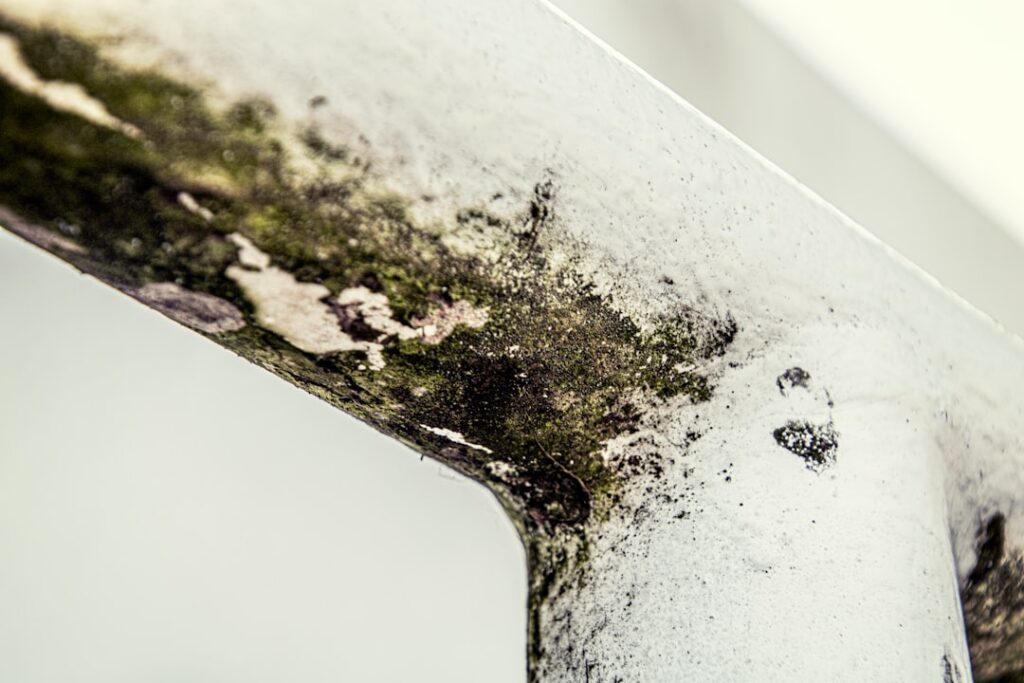
Aurora sits on the high plains east of Denver, part of Colorado’s Front Range at roughly a mile above sea level, where the climate is semi-arid: low ambient humidity, big temperature swings, and dry air that fools many homeowners into thinking mold cannot grow here. It can. Localized water from basement seepage, swamp coolers, ice dams, and plumbing leaks creates damp pockets even when the outdoor air is parched. Knowing how mold removal Aurora projects work helps Front Range residents respond to concentrated water problems before they spread. This guide summarizes EPA, CDC, and Colorado Department of Public Health and Environment guidance current as of 2026 and is educational only; consult a physician about health symptoms and a certified professional for testing and removal decisions.
Is this mold, asbestos, or water damage? Get a free instant screen
Upload a clear photo of the suspect area. You'll get an instant AI screening opinion and what to do next. This is screening guidance, not a professional determination.
Screening guidance only. AI can be wrong. Confirm asbestos, mold type, or lead with lab testing or a licensed professional before acting.
What Mold Removal in Aurora Actually Means
Mold removal is the physical elimination of active growth combined with correcting the moisture that allowed it to start. The EPA stresses that cleaning alone is not enough; if the water source remains, mold returns. In Aurora’s dry climate the source is usually concentrated, a basement leak, a swamp-cooler overflow, or an ice-dam intrusion, rather than the ambient humidity that drives growth in coastal cities.
A proper job removes saturated porous materials, cleans salvageable surfaces, dries the structure to a measurable baseline, and verifies the result. The aim is to return indoor spore levels to normal background levels, not to sterilize the home.
Why Dry-Climate Aurora Homes Still Get Mold
Colorado’s arid air suppresses widespread surface mold, but localized moisture is another matter. Several patterns recur along the Front Range:
- Basement seepage. Aurora’s expansive clay soils and seasonal storms can push water through foundation cracks and the cove joint where the wall meets the floor.
- Evaporative coolers. Swamp coolers, common on the Front Range, add moisture indoors; leaking pans and pads drip onto ceilings and into walls.
- Ice dams and snowmelt. Winter freeze-thaw cycles form ice dams at roof edges, forcing meltwater under shingles and into attics and walls.
Plumbing leaks behind walls round out the list. Because the surrounding air is dry, these problems often go unnoticed until odor or staining appears, by which point the colony is established inside a wall cavity.
Warning Signs of a Mold Problem
A musty odor is the most dependable clue. The CDC notes that this earthy smell frequently signals hidden growth behind walls or under flooring even when surfaces look clean. Watch for water staining on basement drywall, peeling paint near coolers or roof edges, warped trim, and efflorescence on foundation walls.
Health symptoms can accompany exposure. Congestion, coughing, and eye irritation that ease away from home may point to indoor air quality issues, though only a physician can connect symptoms to a cause. For a structured detection walkthrough, see the guide on how to check for black mold.
Common Mold Types in Front Range Homes
The CDC advises that identifying the exact mold species is generally unnecessary, because every visible indoor mold gets the same response. A few molds recur in Colorado’s localized damp pockets.
Cladosporium appears as green-black speckling on damp drywall and around cooler-fed or roof-leak areas. Penicillium and Aspergillus colonize water-damaged paper, dust, and cellulose in basements, producing much of the musty smell. Stachybotrys, the greenish-black mold tied to the “toxic black mold” label, needs sustained saturation and is more likely after a basement flood or ice-dam intrusion that sat for days. Color does not reliably indicate hazard, and the EPA treats all indoor mold as something to remove.
The Mold Removal Process
A credible Aurora contractor follows a documented sequence rather than spraying and leaving.
Moisture Assessment
Technicians trace the water with moisture meters and infrared cameras, inspecting the basement cove joint, the swamp cooler and its supply line, and the attic for ice-dam intrusion. Without finding the source, the colony returns.
Containment
Plastic barriers and HEPA-filtered negative air machines keep spores out of clean rooms during the work.
Removal and Cleaning
Saturated drywall, insulation, and padding are bagged and discarded. Framing and hard surfaces are HEPA-vacuumed and damp-wiped with detergent. The EPA generally advises against routine indoor biocide use.
Drying and Clearance
Aurora’s dry air is an ally here, accelerating drying once the source is stopped. Air movers and dehumidifiers finish the job, and a clearance check confirms readiness for rebuild.
Swamp Coolers, Ice Dams, and Other Front Range Risks
Two Front Range-specific sources deserve attention. Evaporative coolers cool efficiently in dry air by adding moisture indoors, but a leaking pan or pad drips onto the roof deck and ceiling below, and the moist air can condense in cooler corners if the home is not ventilated enough to exhaust it. Servicing the unit each spring and exhausting the humid air reduces the risk.
Ice dams are the winter counterpart. When attic heat melts roof snow that refreezes at the cold eaves, a dam of ice backs meltwater up under the shingles and into the attic and walls. Aurora’s freeze-thaw cycles make this common. The fix is upstream, attic insulation and air sealing to keep the roof deck cold, but the damage shows up as mold weeks later in a ceiling or wall the homeowner did not connect to winter.
How Much Does Mold Removal Cost in Aurora?
Costs depend on the size of the affected area and access difficulty. Industry estimates place small contained jobs in the low four figures and larger basement projects considerably higher once demolition and rebuild are counted. Denver-metro labor rates sit near national averages, so Aurora pricing is generally moderate compared with coastal cities.
Cost drivers include:
- Square footage of contaminated material
- Whether containment is needed
- Access difficulty in finished basements or attics
- Repair cost for the cooler, plumbing, foundation crack, or roof
Before choosing on price alone, homeowners can review how affordable mold removal is priced, because the cheapest bid often skips the containment that clearance testing requires.
DIY Versus Professional Removal
The EPA suggests homeowners can usually handle mold under about 10 square feet using gloves, an N95 respirator, and standard cleaners. Larger areas, sewage contamination, or mold in HVAC and cooler systems should go to professionals.
Aurora’s dry climate can tempt homeowners to wipe a patch and assume it is solved. If the source is a hidden cooler leak, a seeping cove joint, or an ice dam, that surface cleaning resets the clock. Professionals find the water and contain the work so spores do not spread during removal.
Health Considerations for Front Range Households
The CDC reports that mold-sensitive people may experience nasal congestion, throat irritation, coughing, or itchy eyes, and that those with asthma or weakened immune systems can react more severely. The Colorado Department of Public Health and Environment offers similar guidance for Front Range residents. This is general health information, not a diagnosis; symptoms that ease away from a damp room should be discussed with a physician.
Because Aurora’s mold tends to hide inside wall cavities, basements, and ceilings rather than spreading across open surfaces, exposure can be intermittent and easy to dismiss. Households with children, older adults, or anyone on immune-suppressing treatment have good reason to trace a persistent musty odor to its source rather than waiting for visible growth. The dry climate that keeps surfaces looking clean is exactly what lets a hidden problem go unaddressed.
Insurance and Documentation for Colorado Homeowners
Coverage depends on cause and timeline. Sudden, accidental water damage such as a burst pipe or a failed water heater is often covered, including the mold that follows if the homeowner acts quickly. Gradual basement seepage, swamp-cooler humidity, and groundwater intrusion are usually excluded, and many Colorado policies carry a mold sublimit. Ice-dam damage may be covered depending on the policy, since it stems from a weather event.
Document early. Photograph any visible water and its apparent source, record the date, and keep receipts for emergency drying. Aurora’s dry air speeds drying, which helps limit the loss, but read the policy’s mold and water-backup language before filing, and weigh a smaller claim against the deductible and potential premium impact.
Preventing Mold After Removal
Prevention in a dry climate centers on managing the few sources that add water. The CDC recommends keeping indoor relative humidity below 50 percent. For swamp-cooler homes that means servicing pads and pans each season and exhausting the moist air, while basements benefit from a dehumidifier during wet stretches.
Other durable steps include sealing foundation cracks and the cove joint, regrading and extending downspouts away from the house, and adding attic insulation and air sealing to prevent ice dams. The broader mold inspection and testing hub collects prevention checklists worth keeping for high-desert homes.
How Long Mold Removal Takes
Timeline depends on scope and the moisture source. A small, single-room cleanup with light containment often runs two to four days. A finished-basement project that involves demolition, drying, and a rebuild can stretch to a week or more, and repairing the underlying source, a foundation crack, a swamp-cooler line, or roof work to stop an ice dam, adds its own schedule.
Drying is where Aurora’s climate helps. Once the water source is stopped, the dry Front Range air accelerates the drying phase compared with humid regions, and a contractor can often reach a measurable moisture target faster. Even so, a credible crew dries to that target rather than to a calendar date, because moisture trapped inside a wall cavity dries more slowly than the open surfaces around it.
Rebuild extends the overall timeline. New drywall, trim, paint, and flooring follow the cleanup, and seasonal source repairs, ice-dam-related roof or insulation work, for instance, may have to wait for safe weather. Homeowners planning around a move or a sale should budget for both phases.
What Happens After Removal: Verification and Rebuild
Removal is only part of the job. Once contaminated material is out and the structure is dry, a clearance check confirms the area is visibly free of mold, dry to a measurable moisture content, and back to airborne spore levels comparable to the outdoors. Because Colorado does not license the trade, independent verification by someone other than the removal crew matters even more than in regulated states.
The rebuild is a chance to design against repeats common to Front Range homes: sealing the cove joint and foundation cracks, adding attic insulation and air sealing to prevent the next ice dam, and choosing materials that tolerate the occasional basement seepage. Keep the written scope, photos, and clearance report, since Colorado sellers have disclosure obligations and a buyer’s inspector may ask about visible repairs or a past water event.
Choosing a Qualified Aurora Contractor
Colorado does not maintain a dedicated mold remediation license, so credentials and documented process matter more than a state card. Look for technicians certified through recognized industry programs, a written scope of work, and independent post-remediation verification. Hiring separate firms for assessment and cleanup reduces the conflict of interest that arises when one company both diagnoses and bills for the work.
Get at least two itemized estimates, confirm liability insurance, and ask in writing what happens if clearance testing fails. A contractor who understands evaporative coolers, expansive Front Range soils, and ice-dam behavior will diagnose more accurately than one applying a generic humid-climate playbook.
References
- Mold Cleanup in Your Home — U.S. Environmental Protection Agency
- About Mold and Your Health — Centers for Disease Control and Prevention
- Mold and Your Health — Colorado Department of Public Health and Environment
Front Range homeowners in Aurora and the Denver metro who want a connection to a vetted local inspector before buying or after a water event can reach out through our contact page.
Mold removal & cleanup picks
For a small, contained patch (under ~10 sq ft) these EPA-friendly removers handle surface mold. Larger or recurring growth warrants a professional assessment first.
| Product | Why | Buy |
|---|---|---|
 RMR-86 Instant Mold Stain Remover RMR-86 Instant Mold Stain Remover | Fast-acting on stains; ventilate and wear PPE. | Amazon — $18.38 |
 Concrobium Mold Control Concrobium Mold Control | No-bleach formula that also helps prevent regrowth. | Amazon — $13.47 |
 Mold Armor Mold & Mildew Remover Mold Armor Mold & Mildew Remover | Widely stocked bathroom/surface remover. | Amazon — $22.98 |