How to Remove Mold Naturally: A Plain Guide
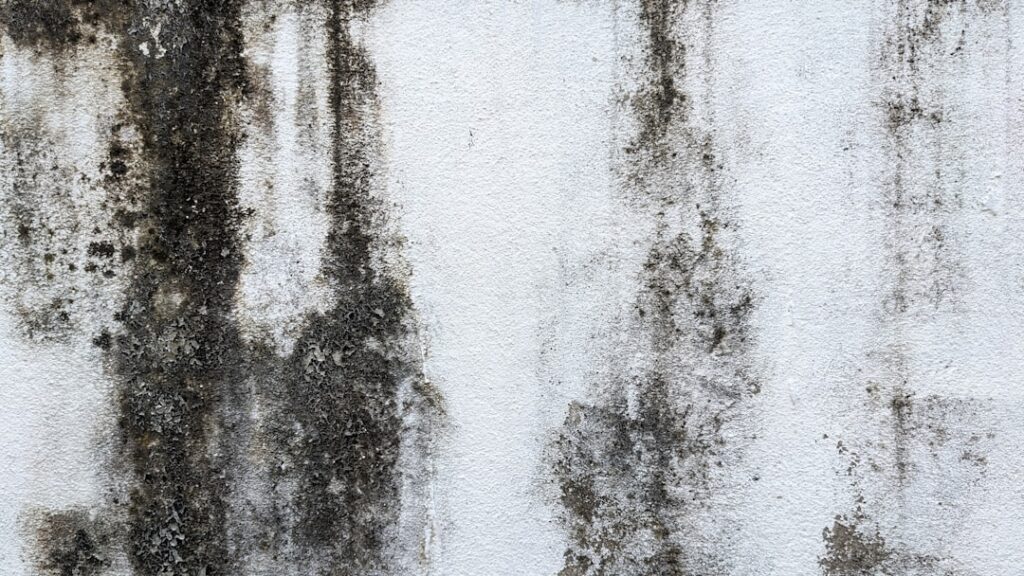
Plenty of homeowners would rather skip harsh chemicals when cleaning a moldy bathroom or window frame, especially in homes with kids, pets, or sensitivities. The good news is that several common household products handle small mold problems well. Learning how to remove mold naturally means knowing which natural cleaners actually work, how to use them safely, and just as importantly, where the limits are. This guide summarizes EPA and CDC guidance current as of 2026; it is educational only, and a certified professional should handle large or hidden growth while a physician addresses any health symptoms.
Is this mold, asbestos, or water damage? Get a free instant screen
Upload a clear photo of the suspect area. You'll get an instant AI screening opinion and what to do next. This is screening guidance, not a professional determination.
Screening guidance only. AI can be wrong. Confirm asbestos, mold type, or lead with lab testing or a licensed professional before acting.
How to Remove Mold Naturally
To remove mold naturally, the most reliable household option is white vinegar, applied undiluted to a hard surface, left for about an hour, then scrubbed and wiped clean. Baking soda and hydrogen peroxide are useful supporting players. The first and most important step, though, is fixing the moisture that caused the mold, because no cleaner of any kind keeps mold away if the surface stays damp.
Natural methods work best on small areas of surface mold on non-porous or semi-porous materials such as tile, glass, sealed wood, and grout. The EPA notes that small areas under about 10 square feet can often be cleaned by a homeowner. For natural cleaning, always wear an N95 respirator, gloves, and eye protection, ventilate the space, and avoid disturbing dry mold dry, which scatters spores into the air.
Set realistic expectations. Natural cleaners remove surface growth and staining on suitable materials. They do not penetrate deep into porous items like saturated drywall, and they are not a substitute for professional remediation of large or hidden infestations.
Natural Cleaners That Actually Work
A handful of pantry and medicine-cabinet items do the job on small mold problems. Each has strengths and proper uses.
White Vinegar
White vinegar is the workhorse of natural mold removal. Its acidity kills many common molds on contact. Use it undiluted in a spray bottle, saturate the surface, wait roughly an hour, then scrub with a brush and wipe clean. The smell dissipates as it dries. Vinegar is safe on most hard surfaces and is the go-to recommendation for tile, glass, and grout.
Baking Soda
Baking soda is mild, deodorizing, and gently abrasive, making it a good partner to vinegar. Dissolve a teaspoon in a spray bottle of water, apply, scrub, rinse, then spray again and let it dry to discourage regrowth. It also absorbs the musty odor mold leaves behind.
Hydrogen Peroxide
Three percent hydrogen peroxide, the standard drugstore concentration, has antifungal properties. Spray it on the surface, let it sit about ten minutes, then scrub and wipe. It works on a range of materials but can lighten fabrics and colored surfaces, so test an inconspicuous spot first. The guide on whether hydrogen peroxide kills mold goes deeper on its effectiveness.
Other Options
Tea tree oil and diluted essential-oil solutions are sometimes used, though evidence is weaker and they are more expensive. For homeowners comparing products, the guide on a natural mold killer reviews what works at home.
A Step-by-Step Natural Cleaning Method
For a small patch of surface mold, a careful routine produces the best results. Begin by putting on protective equipment and opening a window or running a fan for ventilation. Lightly mist the moldy area with water first to keep spores from going airborne when you scrub; never attack dry mold with a dry brush.
Spray the surface generously with undiluted white vinegar and let it dwell for about an hour so it can penetrate the growth. Then scrub firmly with a stiff brush or scrubbing pad. For stubborn spots, follow with a baking soda paste or a spray of baking soda solution and scrub again. Wipe the area clean with a damp cloth, then dry it completely.
As a finishing step, lightly spray vinegar or baking soda solution and let it air dry without rinsing, which leaves a residue that discourages regrowth. Dispose of cloths and disposable materials in a sealed bag. Watch the spot over the following days; if mold returns, the moisture source has not been resolved.
When Natural Methods Are Not Enough
Natural cleaning has clear limits, and recognizing them prevents wasted effort and health risk. Porous materials that have absorbed mold, such as soaked drywall, carpet, insulation, and ceiling tiles, generally cannot be cleaned and should be removed and replaced, because mold roots below the surface where no cleaner reaches.
Size matters too. The EPA advises that growth larger than about 10 square feet usually warrants a professional. Hidden mold behind walls or in HVAC systems, mold from sewage or floodwater, and any situation where a household member has asthma, allergies, or a weakened immune system all push the decision toward professional help. Mold that keeps returning after cleaning is a signal that an unresolved moisture problem, not the cleaning method, is the real issue. In those cases a certified inspector can locate the source, as the broader mold inspection and testing hub explains.
Matching the Method to the Material
Natural cleaning succeeds or fails largely on the surface involved, so matching method to material is essential. On hard, non-porous surfaces, glazed tile, glass, sealed countertops, finished metal, vinegar and hydrogen peroxide work well because the mold sits on top and can be scrubbed away completely. These are the best candidates for a homeowner’s natural approach.
Semi-porous surfaces such as grout, unsealed wood, and concrete are trickier. Mold can work slightly into the material, so cleaning may remove the visible growth and surface staining while leaving some discoloration behind. Vinegar followed by a baking-soda scrub usually handles grout, though deeply set staining in old grout sometimes requires regrouting. Sealed wood cleans up better than raw wood, which absorbs both the mold and the cleaner.
Porous materials are where natural methods reach their limit. Drywall, ceiling tiles, carpet, upholstery, and insulation absorb mold below the surface, where no spray can reach. Scrubbing the face of moldy drywall may make it look better briefly, but the colony inside persists and returns. The EPA’s position is that porous materials with significant growth should be removed and replaced rather than cleaned. Knowing this in advance saves a homeowner from repeatedly treating a surface that cannot be salvaged, and from the false reassurance of a cleaned-looking patch that is still infested underneath.
Mistakes That Make Mold Worse
Well-intentioned cleaning can backfire when common mistakes are made. The most frequent is scrubbing dry mold, which launches spores into the air where they spread to new surfaces and into the lungs. Always dampen growth lightly before disturbing it, and wear an N95 respirator. Another mistake is skipping ventilation; cleaning in a sealed room concentrates both spores and cleaner fumes.
Painting or caulking over mold is a recurring error that hides the problem temporarily while it continues underneath, often bleeding back through within weeks. Mixing cleaners is dangerous: combining bleach with vinegar, ammonia, or hydrogen peroxide can release toxic gases, so natural cleaners should be used one at a time with rinsing in between. Using too little dwell time also reduces effectiveness, since vinegar and peroxide need to sit on the surface to work.
Finally, the biggest mistake of all is cleaning without fixing the moisture source. Every cleaned surface that stays damp will grow mold again, leading homeowners to believe that natural cleaners do not work when the real failure is the unaddressed water. Treat moisture first, clean second, and the natural methods perform as intended.
A Note on Bleach
Many people reach for bleach, but it is worth understanding why it is not always the natural or best choice. The EPA does not recommend bleach as a routine mold cleaner because it is harsh, produces strong fumes, and on porous materials the water in bleach can soak in while the active ingredient stays on the surface, sometimes leaving mold roots behind. For most small jobs, vinegar achieves the goal more safely and without the fumes. Never mix bleach with vinegar, ammonia, or hydrogen peroxide, as dangerous gases can form.
Preventing Mold From Coming Back
Cleaning is only half the battle; prevention keeps mold gone. Control humidity by keeping indoor relative humidity below about 50 percent with a dehumidifier in damp areas and exhaust fans in bathrooms and kitchens. Fix leaks quickly and dry any water intrusion within 24 to 48 hours. Improve ventilation in closed, damp spaces, and wipe down shower walls after use to remove the moisture mold needs.
In Front Range homes, finished basements and bathrooms are the usual repeat offenders, so direct prevention there. Inspect known trouble spots seasonally, and address small problems before they spread. Natural cleaners handle the small stuff well, but lasting freedom from mold comes from denying it moisture in the first place. When growth is large, hidden, or persistent despite your best efforts, bring in a professional rather than repeating natural treatments that cannot reach the root of the problem.
Natural Cleaning on Specific Surfaces
Different surfaces respond best to slightly different natural approaches, so a quick room-by-room orientation helps. In bathrooms, grout and caulk are the usual targets. Undiluted white vinegar sprayed on grout and left to dwell, then scrubbed, handles most growth, with a baking-soda paste for stubborn lines. Badly stained or cracked caulk that keeps regrowing is better removed and replaced than scrubbed repeatedly, since mold roots into it.
On windowsills and frames, where condensation feeds growth, vinegar works on the painted or sealed surfaces, but raw or rotting wood that has absorbed mold may need sanding or replacement. For tile and glass shower walls, a vinegar spray followed by a squeegee routine keeps growth from returning. On painted walls with light surface mold, gentle cleaning with a diluted solution can work, but mold that bleeds back through suggests the drywall behind is involved and cleaning the face will not solve it.
Fabrics and soft materials are difficult. Washable items like shower curtains and some clothing can be laundered, sometimes with vinegar added, but heavily molded upholstery, mattresses, and carpet usually cannot be salvaged by natural cleaning and are better discarded. Hard plastics, sealed countertops, and finished metal clean up well with vinegar or hydrogen peroxide because the growth stays on the surface. Matching the approach to the surface, and recognizing which items cannot be saved, makes natural cleaning both more effective and less frustrating.
When Natural Cleaning Is the Wrong First Move
There are situations where reaching for vinegar and a brush is not the right starting point, and recognizing them prevents both wasted effort and health risk. If growth is extensive, covering more than about 10 square feet, the EPA’s guidance points to professional remediation rather than a homeowner cleanup of any kind, natural or otherwise. Attempting to clean a large area can disturb and spread spores widely.
If the mold follows sewage backup or floodwater, natural cleaning is inappropriate because the contamination extends beyond mold to bacteria and other pathogens that require professional handling and protective equipment. If there is a strong musty odor with no visible source, the growth is likely hidden in walls or HVAC systems, where surface cleaning cannot reach and where opening up the area is the real first step. And if a household member has asthma, a mold allergy, or a weakened immune system, even a small cleanup may be better delegated to someone unaffected or to a professional.
Recurrence is another signal. If a spot has been cleaned naturally before and keeps coming back, the problem is not the cleaning method but an unresolved moisture source that needs to be found and fixed first. In all these cases, the right first move is to identify the moisture and the extent, often with professional help, before any cleaning. Natural methods are excellent for genuinely small, surface, accessible problems tied to a fixable moisture cause, and recognizing when a situation falls outside that boundary is part of using them wisely. Surface location and material drive the approach as much as the cleaner you choose.
References
- Mold Cleanup in Your Home — U.S. Environmental Protection Agency
- A Brief Guide to Mold, Moisture and Your Home — U.S. Environmental Protection Agency
- About Mold and Your Health — Centers for Disease Control and Prevention
If natural cleaning keeps failing because mold returns, a vetted Front Range inspector can find the moisture source behind it; get in touch through our contact page and we will help you connect.
Mold removal & cleanup picks
For a small, contained patch (under ~10 sq ft) these EPA-friendly removers handle surface mold. Larger or recurring growth warrants a professional assessment first.
| Product | Why | Buy |
|---|---|---|
 RMR-86 Instant Mold Stain Remover RMR-86 Instant Mold Stain Remover | Fast-acting on stains; ventilate and wear PPE. | Amazon — $18.38 |
 Concrobium Mold Control Concrobium Mold Control | No-bleach formula that also helps prevent regrowth. | Amazon — $13.47 |
 Mold Armor Mold & Mildew Remover Mold Armor Mold & Mildew Remover | Widely stocked bathroom/surface remover. | Amazon — $22.98 |