How to Remove Mold From Painted Walls: A Plain Guide
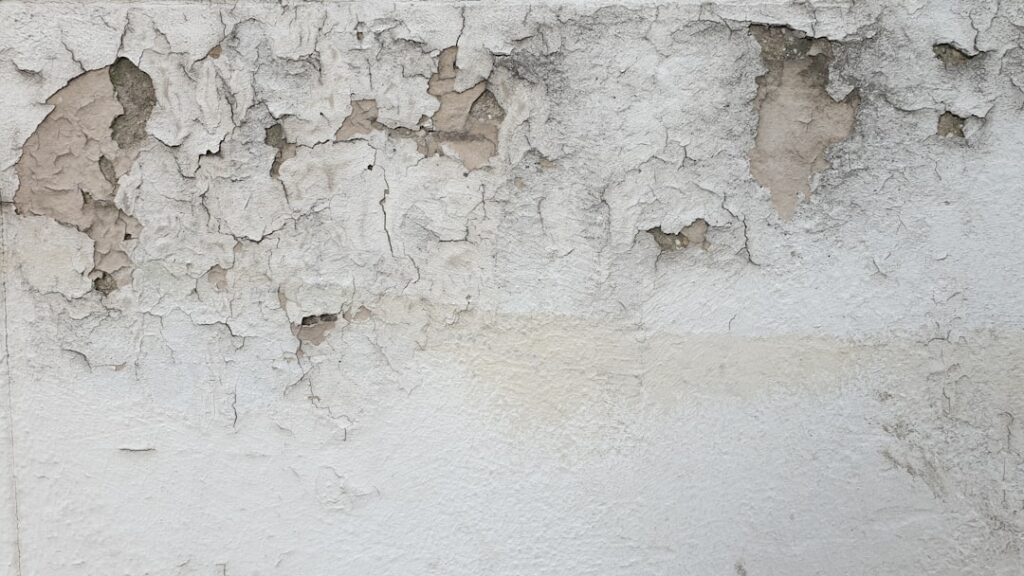
Painted walls give homeowners a real advantage when mold appears: a sound coat of paint is a non-porous barrier, so surface mold often wipes away without touching the material underneath. The catch is that paint can hide a wetter, more colonized surface below. Knowing how to remove mold from painted walls means cleaning the surface correctly and recognizing when the growth has gone deeper than the paint. This guide summarizes EPA and CDC guidance current as of 2026. It does not diagnose health conditions; consult a physician about symptoms and a certified professional for testing or large-scale remediation decisions.
Is this mold, asbestos, or water damage? Get a free instant screen
Upload a clear photo of the suspect area. You'll get an instant AI screening opinion and what to do next. This is screening guidance, not a professional determination.
Screening guidance only. AI can be wrong. Confirm asbestos, mold type, or lead with lab testing or a licensed professional before acting.
Can Mold Be Removed From Painted Walls?
Yes, in most cases mold on intact painted walls can be removed because the paint film keeps the growth on the surface. The EPA classifies hard, non-porous surfaces as cleanable, and a well-painted wall behaves like one as long as the coating is unbroken. Scrubbing with detergent and water, then drying thoroughly, lifts surface mold and its staining.
The limits show up where the paint has failed. Peeling, bubbling, or cracked paint means moisture has gotten behind the film and reached the porous drywall or plaster underneath. There, mold roots into the material and surface cleaning will not remove it. The same goes for walls that feel soft or look stained through. In those spots, the affected material itself, not just the paint, has to be dealt with, as covered in our guide on mold on drywall.
What You Need Before Starting
The EPA advises homeowners can typically handle mold under about 10 square feet themselves. For anything larger, bring in a professional. Gather an N95 respirator, rubber gloves, and eye protection, since the CDC notes that disturbing mold releases spores that can irritate the airways and eyes. Add a soft scrub brush or sponge, clean cloths, a bucket, dish detergent, plastic sheeting to protect the floor, and a fan for drying.
Most important, find and stop the moisture source before you clean. Mold on a painted wall is downstream of a leak, condensation, or humidity problem. Cleaning without fixing the water just resets the clock until it returns.
Take a moment to read the wall before you start. Where is the growth relative to windows, plumbing, the roofline, or the floor? Mold concentrated low on an exterior basement wall suggests condensation or below-grade moisture, while a patch near the ceiling under a bathroom or roof points to a leak from above. Around a window it usually means condensation at the cold sill. Identifying the likely source first lets you fix the cause in the same visit, so the cleaning actually holds rather than becoming a recurring weekend chore.
Step-by-Step: Removing Mold From Painted Walls
Step 1 — Contain and Ventilate
Open a window or run a fan exhausting outdoors, lay plastic along the base of the wall, and keep household members, especially anyone with asthma or a weakened immune system, out of the room while you work.
Step 2 — Clean the Surface
The EPA’s guidance for non-porous surfaces is detergent and water, not bleach. Mix a few drops of dish soap into warm water, dip the brush, and scrub the moldy area with light circular motions so you do not gouge the paint. Wipe the loosened mold away with a damp cloth, rinsing the cloth frequently in a separate bucket. Repeat until the staining is gone.
Step 3 — Dry Completely
Drying is the step homeowners skip most often and it matters most. Wipe the wall dry, then run a fan and reduce room humidity until the surface and the material behind it are fully dry. Lingering moisture invites regrowth within a day or two. Many homeowners ask about stronger chemicals; our explainer on whether bleach kills mold explains why detergent plus drying outperforms bleach on most painted surfaces.
Work in manageable sections and keep your cloths clean by rinsing them often in a separate bucket, so you lift mold off the wall rather than spreading it around. Avoid soaking the surface; a damp, not dripping, cloth removes mold without driving water into the paint or substrate. If staining lingers after the live growth is gone, a second gentle pass with hydrogen peroxide can lighten it, but accept that some discoloration may remain on older or flat paint and is best handled by repainting. Once the wall is visibly clean, go over it a final time with a clean damp cloth and begin drying immediately, since the faster the surface dries the less chance any surviving spores have to re-establish.
When the Paint Has to Come Off
If scrubbing reveals peeling or bubbling paint, or if staining bleeds back through within days, the mold is below the surface. In that case, scrape away the loose, failed paint over the affected area to expose the substrate, then assess what is underneath. Firm, surface-stained drywall or plaster may be cleanable and re-sealable. Soft, crumbling, or through-stained material is colonized and should be cut out and replaced rather than painted over.
Painting over active mold is a common mistake. Fresh paint may briefly hide it, but the mold continues to grow beneath and will resurface, often worse. Mold must be removed and the surface fully dried before any repainting. Mold-resistant primer can be applied afterward as added insurance in damp rooms, but only over a clean, dry surface.
How much paint you remove depends on what you find. If only a small area is bubbled, scrape that spot, feather the edges, and assess the substrate beneath. If the failure extends across a larger area, plan to strip back to sound, well-adhered paint all around so the new coating has a stable base. Knowing whether your wall is over drywall or older plaster matters here: plaster is denser and can sometimes be cleaned and re-sealed where drywall would have to be cut out. When the exposed substrate is firm and only surface-stained, cleaning and sealing usually work; when it is soft, crumbling, or stained through, the material itself needs replacement before any paint goes back on.
Choosing a Cleaner for Painted Walls
The cleaner you reach for should match the goal, which on a painted wall is usually surface mold removal rather than deep disinfection. The EPA’s recommended starting point for non-porous surfaces is detergent and water, and a sound paint film behaves as a non-porous surface. Plain dish soap in warm water lifts most surface mold without damaging the coating.
For homeowners who want an alternative, 3 percent hydrogen peroxide and distilled white vinegar are common low-toxicity options that work on intact painted surfaces, with peroxide being somewhat more effective on staining and vinegar being the gentlest. Chlorine bleach is the one many people default to, but it is harsher, produces fumes, and is mostly water, so on any spot where the paint has failed it can drive moisture into the substrate. Whatever you choose, never mix bleach with ammonia or acidic cleaners such as vinegar, since the combination releases dangerous gas. Test any cleaner on an inconspicuous area first to confirm it will not lift or discolor the paint, particularly on flat or aged finishes.
Glossy Versus Flat Paint and Why It Matters
The type of paint on a wall changes how easy the mold is to remove. Glossy and semi-gloss finishes have a harder, less porous surface that sheds water and resists mold penetration, so they clean readily and tolerate scrubbing. These finishes are common in bathrooms and kitchens precisely because they handle moisture better.
Flat and matte paints, popular on bedroom and living-room walls for their look, are more porous and absorbent. They hold mold staining more stubbornly, are easier to damage with vigorous scrubbing, and let moisture reach the substrate more readily when the film is compromised. On flat-painted walls, use a lighter touch, a milder cleaner, and faster drying, and accept that some staining may persist even after the live mold is gone. If a flat-painted wall in a damp room is a repeat offender, repainting it with a moisture-resistant finish after cleaning and drying gives future cleanups a better surface to work with.
Health Precautions and Limits
The CDC associates damp, moldy indoor environments with nasal congestion, throat and eye irritation, coughing, and wheezing, with stronger reactions in people who have asthma or mold allergies. Keep protective gear on for the whole job, bag any moldy debris or used cloths in plastic, and avoid blowing fans across the wall in a way that spreads spores through the house. Stop and call a professional if the area exceeds about 10 square feet, if mold keeps returning, if you smell mold without finding it, or if the moisture involves sewage. The mold inspection and testing hub describes what a professional assessment includes. Persistent symptoms are a matter for a physician, not this guide. Ventilation during cleaning is not just for fumes; it also carries away the spores that scrubbing inevitably stirs into the air, so an open window and a fan benefit both your comfort and the rest of the household while you work.
Keeping Mold Off Painted Walls for Good
Removal is only half the job. The EPA recommends keeping indoor relative humidity below 50 percent, which on the Front Range usually means running bathroom and kitchen exhaust fans and using a dehumidifier in damp basements. Repair leaks and dry any wet wall within 24 to 48 hours. Improve air circulation around cold exterior walls and pull furniture a few inches off them so condensation does not collect.
When you repaint a previously affected wall, a mold-resistant or mildew-resistant paint adds a margin of protection in bathrooms, basements, and laundry rooms, though it never replaces moisture control. Periodic checks of high-risk spots catch any new growth while it is still a quick wipe rather than a paint-stripping repair, and catching it at that stage keeps the work to a cloth and a bottle of detergent instead of a primer, paint, and patching project.
Repainting After Mold: Doing It Right
Once mold is removed and the wall is fully dry, repainting restores the surface and adds protection, but only in the right order. Painting over any remaining mold or damp gypsum simply seals the problem in. Confirm the area is dry, ideally with a moisture meter, before priming. Use a mold-resistant primer first; primer seals the surface and improves adhesion, and a stain-blocking primer can prevent old water or mold staining from bleeding through the new topcoat.
Follow with a quality paint, choosing a mildew-resistant formula for bathrooms, kitchens, basements, and laundry rooms where humidity runs high. Let each coat cure as the manufacturer directs. Repainting is the finishing step of a successful removal, not a shortcut around it, and the wall it covers should be clean, sound, and dry before the brush ever touches it.
Mistakes to Avoid on Painted Walls
A handful of errors account for most repeat problems. Painting over live mold is the biggest, because the growth continues beneath the new coat and resurfaces. Cleaning without finding the leak or condensation source is a close second, since the wall just gets damp and moldy again. Over-wetting a painted wall, especially flat-painted drywall, drives moisture into the substrate and can do more harm than the mold did.
Other missteps include skipping personal protection while scrubbing, scrubbing so hard that you tear the paint film and expose porous material, and reaching for bleach on a wall where the paint has already failed. Treating a large or recurring problem as a small surface one wastes effort; if growth covers more than about 10 square feet or keeps coming back, that is the signal to stop and bring in a professional rather than repeat a DIY cleaning that has not held.
References
- Mold Cleanup in Your Home — U.S. Environmental Protection Agency
- A Brief Guide to Mold, Moisture and Your Home — U.S. Environmental Protection Agency
- About Mold and Your Health — Centers for Disease Control and Prevention
Front Range homeowners who want a second opinion on a moldy wall or help finding the moisture behind it can get in touch through our contact page to connect with a vetted local inspector.
Mold removal & cleanup picks
For a small, contained patch (under ~10 sq ft) these EPA-friendly removers handle surface mold. Larger or recurring growth warrants a professional assessment first.
| Product | Why | Buy |
|---|---|---|
 RMR-86 Instant Mold Stain Remover RMR-86 Instant Mold Stain Remover | Fast-acting on stains; ventilate and wear PPE. | Amazon — $25.99 |
 Concrobium Mold Control Concrobium Mold Control | No-bleach formula that also helps prevent regrowth. | Amazon — $13.48 |
 Mold Armor Mold & Mildew Remover Mold Armor Mold & Mildew Remover | Widely stocked bathroom/surface remover. | Amazon — $22.98 |