How to Remove Mildew From Walls: A Plain Guide
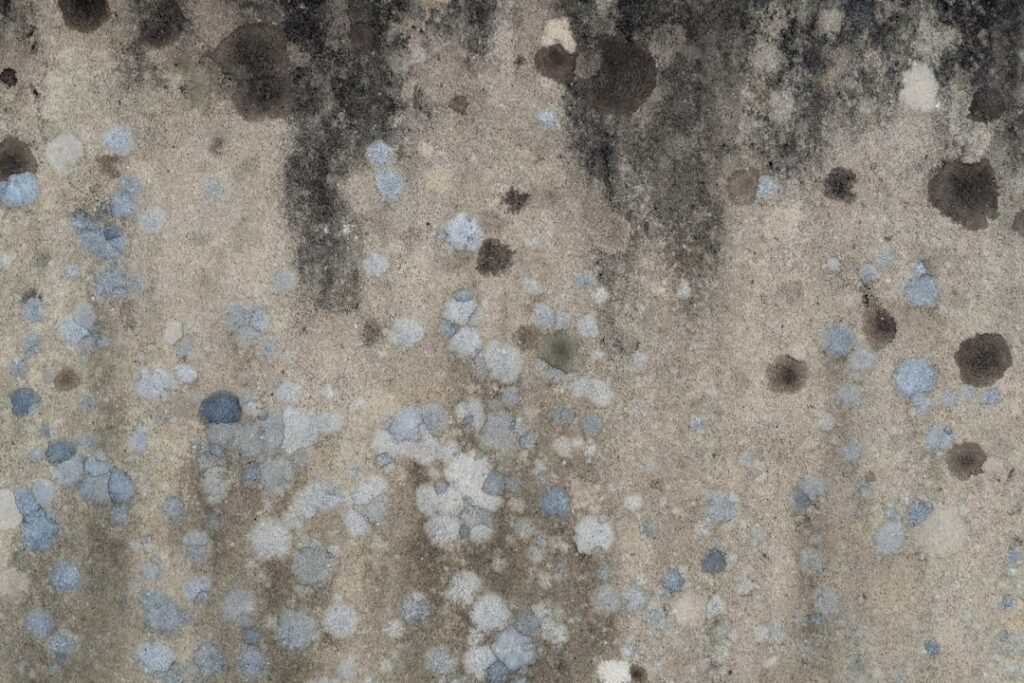
Those dark or grayish speckles creeping across a bathroom wall or a cold bedroom corner are usually mildew, and most homeowners want them gone quickly and safely. Knowing how to remove mildew from walls the right way matters, because aggressive scrubbing of the wrong surface can spread spores or damage paint, while ignoring it lets the growth dig deeper. This guide summarizes EPA and CDC guidance current as of 2026 and walks through a practical, step-by-step cleanup. It offers no medical diagnosis and is not a substitute for a certified professional on large or hidden problems or a physician on symptoms.
Part of our Mold Removal & Remediation guide — start there for the full picture →
Is this mold, asbestos, or water damage? Get a free instant screen
Upload a clear photo of the suspect area. You'll get an instant AI screening opinion and what to do next. This is screening guidance, not a professional determination.
Screening guidance only. AI can be wrong. Confirm asbestos, mold type, or lead with lab testing or a licensed professional before acting.
How to remove mildew from walls step by step
For a small area of surface mildew on a hard, non-porous or painted wall, the process is manageable for most homeowners. Start by protecting yourself and the room. Put on an N95 respirator, rubber gloves, and eye protection, open a window or run an exhaust fan for ventilation, and lay down a drop cloth to catch debris. Keeping children, pets, and anyone with respiratory issues out of the room during cleanup is wise.
Next, prepare a cleaning solution. A mixture of mild dish detergent and warm water works for many painted walls and is the EPA’s basic recommendation for hard surfaces. For tougher spots, a solution of one part white vinegar to one part water, or a dedicated mildew cleaner, can help. Apply the solution to the affected area, let it sit briefly so it can penetrate, then scrub gently with a soft brush or sponge in small circles to avoid flinging spores. Wipe the area with a clean, damp cloth to remove residue, then dry it thoroughly with a fan or towel, because leftover moisture invites regrowth. Discard used sponges and cloths in a sealed bag.
The single most important step is the last one: dry the wall completely and keep it dry. Cleaning removes the visible growth, but mildew returns within days if the dampness that fed it is still present. If the same patch keeps coming back after a proper cleaning, the problem is moisture in the wall, not the surface, and that needs a different fix.
Technique matters more than people expect. Work from the top of a wall downward so that drips and loosened debris fall onto areas you have not yet cleaned, and so the runoff does not streak a finished section. Avoid soaking the wall, especially drywall, with excess water, because that adds the very moisture you are trying to eliminate and can swell the gypsum core. Use a barely damp cloth for the final wipe rather than a sopping sponge, and follow immediately with a fan or open window to pull moisture out of the room. If you are cleaning a textured or popcorn surface, be especially gentle, since aggressive scrubbing can damage the finish and, on very old surfaces, disturb materials that should be left undisturbed. Patience and a light touch beat force on nearly every wall.
Mildew versus mold, and why it matters
People use mildew and mold interchangeably, but the distinction affects how you treat the surface. Mildew generally refers to a flat, surface-level growth, often gray, white, or light brown, that sits on top of a material and is easier to wipe away. What is commonly called mold tends to be fuzzier or slimier, can appear in deeper colors, and often penetrates further into porous materials. Both are fungi, and the cleanup logic overlaps, but mildew on the surface of a sealed wall is usually a more forgiving job.
The practical implication is about how deep the growth goes. Surface mildew on painted drywall can often be cleaned and the wall saved. If the drywall itself is soft, stained through, or crumbling, the growth has penetrated the porous core, and surface cleaning will not reach it; that section may need to be cut out and replaced. Our guide on what mold on walls looks like helps homeowners judge whether they are dealing with shallow mildew or something deeper.
A simple test helps gauge depth. Press the suspect area gently with a gloved finger. If the wall feels firm and the discoloration sits on top of intact paint, you are likely dealing with surface mildew that will clean up. If the surface gives, feels spongy, or flakes away, moisture has compromised the material and cleaning alone will not restore it. Another clue is whether the discoloration wipes off or merely lightens; growth that smears and lifts is surface-level, while a mark that stays embedded after the growth is gone is a stain set into the material. These quick checks save effort by telling you early whether to clean or to plan a small repair.
A note on bleach
Many homeowners reach for bleach automatically. The EPA does not recommend bleach as a routine mold cleaner for most household situations, because detergent and water work on hard surfaces and bleach does nothing to fix the underlying moisture. If bleach is used at all, never mix it with ammonia or other cleaners, ventilate the space well, and recognize that on porous materials it mostly lightens the stain without removing the embedded growth.
Why mildew keeps coming back on walls
Recurring wall mildew is almost always a moisture story. The most common drivers are high indoor humidity, poor ventilation in bathrooms and kitchens, condensation on cold exterior walls, and slow leaks behind the surface. Bathrooms without a working exhaust fan are notorious, as are closets and corners against uninsulated exterior walls where warm indoor air meets a cold surface and condenses.
Front Range homes have their own patterns. The dry outdoor climate masks the issue, but basements and garden-level rooms hold moisture, swamp coolers add humidity in summer, and snowmelt and ice dams can drive water into walls in winter. A bedroom corner that grows mildew every cold season often signals condensation on a poorly insulated exterior wall, while a basement wall doing the same may indicate foundation seepage. Identifying which pattern applies tells you what to fix.
To break the cycle, keep indoor relative humidity below roughly 50 percent, run exhaust fans during and after showers and cooking, improve airflow in stuffy rooms, address any leaks promptly, and consider a dehumidifier in damp basements. For broader prevention strategies, the mold inspection and testing hub covers moisture control in detail.
Condensation on exterior walls deserves a targeted fix because it is so common in cold climates. The growth happens where warm, humid indoor air contacts a cold surface and reaches its dew point. Two levers reduce it: lower the indoor humidity so there is less moisture to condense, and warm the surface so it stays above the dew point. Improving insulation behind a chronically cold wall, leaving a gap between furniture and exterior walls so air can circulate, and running the bathroom fan long enough to actually clear the humidity all help. In bedrooms, simply cracking a door or running a quiet fan to keep air moving across a cold corner can stop the seasonal mildew that otherwise returns every winter.
When to stop cleaning and call a professional
Do-it-yourself cleanup has limits. Most guidance suggests homeowners can handle areas under about ten square feet on hard surfaces. Beyond that, or when the situation involves any of several red flags, a professional is the safer choice. Call in help when the mildew covers a large area, keeps returning despite proper cleaning and drying, has penetrated into soft or crumbling drywall, appears alongside a strong musty smell suggesting hidden growth, or follows flooding or sewage contamination.
Health considerations matter too. If a household member has asthma, allergies, a weakened immune system, or other respiratory concerns, it is better to keep them away from cleanup and to lean on a professional for anything beyond a tiny patch. Anyone experiencing symptoms they associate with the home should consult a physician; this article does not diagnose any condition.
A qualified inspector or remediation contractor can find hidden moisture with meters and thermal imaging, set up containment for larger jobs, and verify the area is truly dry afterward. For most small bathroom or corner spots, though, the homeowner approach works: protect yourself, clean gently, dry completely, and then solve the moisture so the mildew has no reason to return.
Repainting after mildew removal
Once a wall is clean, dry, and free of active growth, repainting can restore the appearance and add a layer of protection, but only if done in the right order. Painting over mildew or a damp surface seals the problem in and almost guarantees it bleeds back through. After the surface is fully dry, a stain-blocking primer keeps any residual discoloration from showing through the topcoat. In moisture-prone rooms like bathrooms and laundry areas, a paint formulated for high-humidity environments resists future growth better than ordinary wall paint. None of this substitutes for fixing the moisture; paint is the finish, not the cure. A freshly painted wall in a room that is still too humid will simply grow mildew on the new paint within a season.
Mistakes to avoid when removing mildew
A few common errors undo good cleanup. Scrubbing dry, dusty mildew without wetting it first sends spores into the air; lightly dampening the area before cleaning keeps the growth from becoming airborne. Mixing cleaning chemicals, especially bleach with ammonia or other products, can create dangerous fumes and should never be done. Skipping protective gear because the patch looks small is a frequent shortcut that exposes the cleaner to spores unnecessarily. Ignoring the moisture source and treating the mildew as purely cosmetic guarantees repeat cleanings. And painting too soon, over a surface that is still damp or still harbors growth, wastes the effort entirely. Avoiding these missteps is most of what separates a cleanup that lasts from one you repeat every few weeks.
Cleaning solutions compared
Homeowners face a wall of competing advice about what to clean mildew with, so it helps to compare the common options plainly. Plain detergent and water is the workhorse the EPA endorses for hard surfaces; it lifts mildew physically and carries no fume hazard. White vinegar, diluted or used at full strength on tough spots, is mildly acidic and popular for its low toxicity and lack of harsh fumes, making it a reasonable choice for many painted walls. Commercial mildew cleaners can be effective but vary widely in strength, so following label directions and ventilating the room matters.
Baking soda deserves a mention as a gentle complement to these options. Made into a paste or dissolved in water, it provides mild scrubbing action and helps neutralize odors without harsh fumes, which makes it useful on delicate painted surfaces. It is not a standalone disinfectant, but paired with a detergent or vinegar step and thorough drying, it rounds out a low-toxicity cleaning approach that suits most household mildew on walls.
Bleach is the most misunderstood option. It can lighten stains and is sometimes used on hard non-porous surfaces, but the EPA does not recommend it for routine mold cleanup, it produces strong fumes, must never be mixed with ammonia or other cleaners, and on porous materials it largely bleaches the surface without removing the embedded growth. Whatever the choice, the cleaner is only half the job; physical scrubbing to dislodge the growth and thorough drying afterward do most of the real work. No solution substitutes for fixing the moisture, and a wall cleaned with the gentlest detergent will stay clean longer than one blasted with bleach if the humidity behind it is finally under control.
More Questions About Removing Mildew From Walls
What does pink mildew on bedroom walls mean?
Pink growth on bedroom walls usually means a damp surface is supporting bacteria or a pink-colored mold, often where condensation forms on cold exterior walls, behind furniture, or near windows. The pink film in bathrooms is commonly a bacterium rather than mildew, but on bedroom walls it is a moisture signal either way. Clean it with detergent and water, then a mild disinfectant suited to the paint. Move furniture a few inches off exterior walls, improve air movement, and keep humidity below about 50 percent to stop it returning.
How do you clean brown mildew off walls?
Brown mildew on walls can usually be cleaned with a detergent solution, a soft brush or sponge, and a final wipe with white vinegar or a diluted mildew cleaner. Test any cleaner on a hidden area first, because brown stains on flat paint can smear. If the brown color is a water stain from a leak rather than growth, cleaning will not remove it, and stain-blocking primer is needed after the leak is fixed. Brown spots that return or spread suggest moisture inside the wall.
How do you clean mold and mildew off exterior walls?
Mold and mildew on exterior walls can usually be cleaned with an outdoor-rated siding cleaner or a detergent solution applied with a soft brush or garden sprayer, followed by a gentle rinse. Work from the bottom up when applying, then rinse from the top down, and protect nearby plants. Follow the product label for dilution, since concentrated cleaners can damage paint and landscaping. Avoid high-pressure washing on stucco, soft brick and old paint. Shade, sprinkler spray and clogged gutters usually explain why growth keeps coming back.
Is mildew on bedroom walls harmful while you sleep?
Mildew on bedroom walls is usually a minor surface growth, but sleeping near it can bother people with allergies or asthma, since the bedroom is where most hours at home are spent. Symptoms can include stuffiness, sneezing, coughing and itchy eyes. Small areas can be cleaned promptly, and the room’s humidity checked; condensation on exterior walls and windows is a common cause in bedrooms. Anyone with ongoing symptoms should talk to a doctor, and larger or recurring growth should be inspected.
References
- Mold Cleanup in Your Home — U.S. Environmental Protection Agency
- About Mold and Health — Centers for Disease Control and Prevention
- A Brief Guide to Mold, Moisture and Your Home — U.S. Environmental Protection Agency
Frequently asked questions
What is the best way to remove mildew from painted walls?
Wear an N95 respirator, gloves, and eye protection, then clean with mild detergent and warm water or a one-to-one vinegar and water solution. Scrub gently, wipe with a damp cloth, and dry the wall completely so moisture does not feed regrowth.
Should I use bleach to remove mildew from walls?
The EPA does not recommend bleach for routine mold cleanup. Detergent and water work on hard surfaces, and bleach does not fix the underlying moisture. On porous walls, bleach mostly lightens the stain without removing embedded growth.
Why does mildew keep coming back on my wall?
Recurring mildew points to ongoing moisture, such as high humidity, poor ventilation, condensation on cold walls, or a hidden leak. Cleaning removes the surface growth, but it returns unless you lower the humidity and fix the water source.
When should I call a professional instead of cleaning mildew myself?
Call a professional for areas over about ten square feet, growth that returns despite proper cleaning, penetration into soft drywall, a strong musty smell suggesting hidden mold, or contamination from flooding or sewage.
Can you paint over mildew on walls?
Painting over mildew on walls is not recommended, because the growth can keep living under the paint and bleed through within weeks. Clean the mildew first, let the wall dry completely, apply a stain-blocking primer, and then use a mildew-resistant paint in bathrooms, laundry rooms and other damp spaces.
Does vinegar remove mildew from painted walls?
Yes, white vinegar removes light mildew from most painted walls. Spray undiluted vinegar, let it sit for about an hour, wipe with a damp cloth, and dry the surface. Test a hidden spot first on flat or delicate paint. Vinegar does not fix the humidity or condensation that caused the mildew.
Why is mildew only growing on one wall in a room?
Mildew on only one wall in a room usually points to a cold or damp spot on that wall, such as an exterior wall with missing insulation, a hidden plumbing leak, poor drainage outside, or furniture blocking air flow. A moisture meter or thermal camera can help find the cause.
If wall mildew keeps returning in your Denver-area or Front Range home despite your best cleaning, you can get in touch through our contact page to connect with a vetted local inspector.