Best Way to Remove Mold From Walls
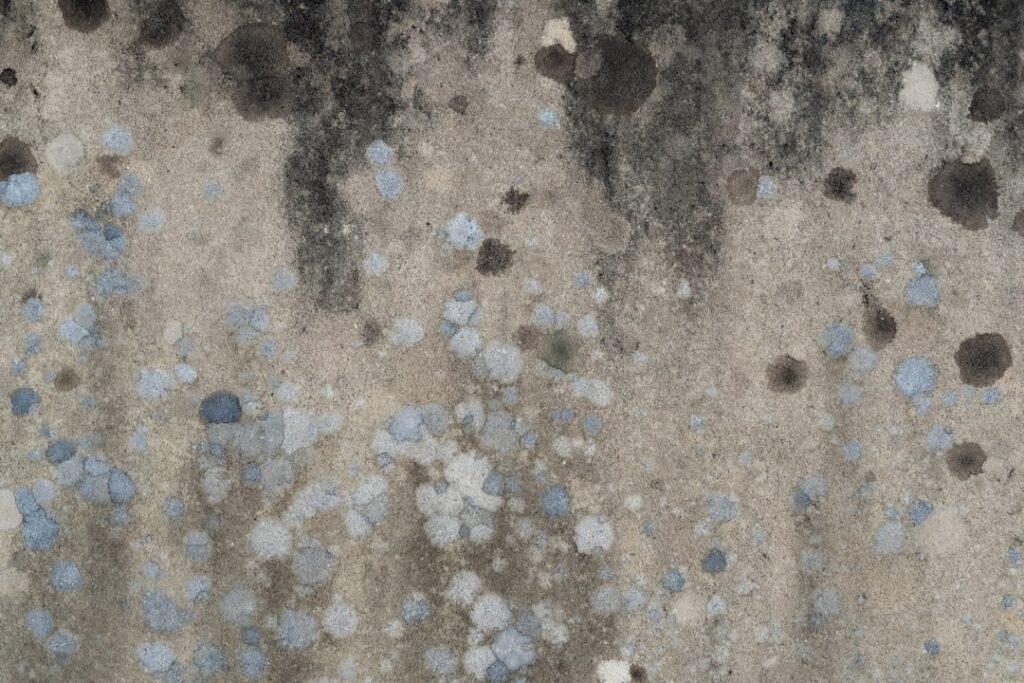
Mold on an interior wall is a visible symptom of a moisture problem hiding behind it, and the way you clean it should match the surface you are cleaning. A painted concrete wall, a sheet of drywall, and a glazed bathroom tile all respond differently to the same cleaner, and treating them identically is how small patches turn into recurring stains. The best way to remove mold from walls combines correct cleaning chemistry, an honest read on whether the material can actually be saved, and a fix for the water source that fed the colony in the first place. This guide summarizes EPA and CDC guidance current as of 2026; consult your physician about symptoms and a certified professional for any large or recurring contamination.
Is this mold, asbestos, or water damage? Get a free instant screen
Upload a clear photo of the suspect area. You'll get an instant AI screening opinion and what to do next. This is screening guidance, not a professional determination.
Screening guidance only. AI can be wrong. Confirm asbestos, mold type, or lead with lab testing or a licensed professional before acting.
First, Identify What You Are Dealing With
Before choosing a method, take a moment to gauge the growth, because the right approach depends on what it is and where it sits. The CDC notes that identifying the exact species rarely changes the response; the cleanup is the same regardless. What matters is the surface beneath the mold and how deep the growth has gone. A flat, wipeable film on intact paint is a surface problem. A raised, fuzzy patch on a wall that feels soft signals growth that has reached into the material.
Extent matters as much as depth. A small, contained patch is manageable, while widespread growth or a musty smell with no visible source points to a larger or hidden problem. The EPA’s general guideline puts the DIY ceiling around 10 square feet. Reading the growth this way, surface versus deep, contained versus widespread, before reaching for a cleaner sets up the rest of the decision and keeps you from applying a quick wipe to a problem that needs the material removed.
The Best Way to Remove Mold From Walls, by Surface
There is no single product that works on every wall. The right method tracks two things: how porous the surface is, and whether the mold sits on top of it or has grown into it. Nonporous and semi-porous surfaces can usually be cleaned and kept. Porous materials that have absorbed mold often need to come out.
Painted and Sealed Walls
A wall with intact paint or a sealed finish is the friendliest case. The paint film keeps mold on the surface rather than in the substrate. Wipe the area with detergent and warm water first to lift surface growth, then follow with a disinfecting cleaner if needed. The CDC notes that for hard surfaces, soap and water or a commercial product is usually enough, and that drying the area completely afterward matters more than the specific cleaner. Scrub gently so you do not aerosolize spores, and avoid soaking the wall, since trapped moisture invites regrowth.
Drywall and Plaster
Drywall is the problem child. The paper facing and gypsum core are porous and act like a sponge. Light surface mold on painted drywall can sometimes be wiped clean, but once growth penetrates the paper or the board has softened, cleaning will not reach the roots. The EPA’s mold guidance is direct on this point: porous materials that stay contaminated, such as drywall and ceiling tile, often have to be removed and replaced. If you press the wall and it feels soft or crumbles, the material is compromised and cleaning is a waste of effort.
Tile, Glass, and Metal
Glazed tile, glass, and metal are nonporous, so mold cannot anchor into them. The growth lives on the surface film of soap scum and grime. These respond well to scrubbing with a detergent solution followed by a disinfectant. Grout lines are the catch, because grout is porous and can hold staining even after the live mold is gone. A grout-safe cleaner and a stiff brush handle most of it; deep, permanent grout staining sometimes needs the grout re-sealed or replaced.
Cleaning Chemistry: What Actually Works
Several common products kill or remove surface mold. None of them substitutes for fixing the water problem. The EPA is explicit that biocides are not a substitute for moisture control, and that in most cases dead mold can still cause health effects, so physical removal of the residue matters as much as killing the colony.
Plain detergent and water is the workhorse for nonporous surfaces and is endorsed by the CDC for routine cleanup. Hydrogen peroxide at household strength lifts staining and has antimicrobial action without the harsh fumes of chlorine. Chlorine bleach diluted in water is effective on hard, nonporous surfaces, but it must never be mixed with ammonia or other cleaners, because that combination produces toxic gas. Bleach also struggles on porous materials because the water carrier soaks in while the active chlorine stays on top. Botanical and quaternary-ammonium (“quat”) cleaners offer lower-odor alternatives, though they still depend on contact time and a clean surface to work.
Personal Protection Before You Start
Disturbing mold sends spores into the air, so protection is not optional even for a small job. The CDC and EPA recommend, at minimum, an N95 respirator, gloves that extend up the forearm, and eye protection without ventilation holes. Open a window for fresh air but do not run a fan that blows across the moldy area toward the rest of the house, since that spreads spores into clean rooms. People with asthma, allergies, or weakened immune systems should not do the cleanup themselves. If the affected area is larger than about 10 square feet, EPA guidance points toward professional remediation rather than a DIY approach.
Why Porous Material Has Limits
Homeowners often want to save drywall, carpet, or ceiling tile because replacement is disruptive. The structure of these materials works against that wish. Porous and semi-porous materials have countless tiny cavities where hyphae, the root-like threads of mold, embed and where spores collect. Surface cleaning removes what you can see and reach, but it leaves the embedded network behind. That hidden growth restarts the moment moisture returns. This is why a wall can look spotless after cleaning and bloom again within weeks. For a fuller breakdown of which materials can be cleaned versus discarded, our overview of what gets rid of mold and what does not walks through the porous-versus-nonporous decision in more depth.
Fix the Moisture or the Mold Comes Back
Cleaning is the second half of the job. The first half is finding and stopping the water. Mold needs moisture to grow, and indoor humidity above roughly 60 percent, condensation on cold walls, plumbing leaks, and roof or foundation intrusion are the usual culprits. The EPA recommends keeping indoor relative humidity below 60 percent, ideally between 30 and 50 percent, and acting on any leak within 24 to 48 hours before mold can establish.
On the Colorado Front Range, the dry outdoor climate masks indoor moisture problems that concentrate in basements, bathrooms, and behind furniture on exterior walls. Cold-weather condensation on poorly insulated walls is a common trigger in Denver-area homes. If you keep cleaning the same spot, the wall is telling you the moisture source is still active. Understanding what causes mold on walls in a house is the difference between a one-time fix and a chronic battle.
Common Moisture Sources to Check
Look behind the visible patch. A bathroom wall that molds repeatedly usually points to a ventilation deficit or a hidden plumbing leak. A basement wall suggests groundwater or foundation seepage. A cold exterior wall behind a wardrobe often signals condensation from poor air circulation and insulation. Each of these has a different fix, from running an exhaust fan to improving drainage grading outside, and the cleaning only holds once the right source is addressed.
Step-by-Step DIY Method for a Small Patch
For a contained area on a cleanable surface, work in this order. Put on your N95, gloves, and goggles. Ventilate to the outdoors. Lightly mist the area with water to reduce spore release, then wipe with a detergent solution. Scrub gently, rinse the cloth often, and bag used materials as you go. Apply a disinfecting cleaner if you choose, and respect its label contact time. Dry the wall thoroughly with fans and low humidity. Watch the spot over the following weeks; recurrence means the moisture source is unresolved, not that you cleaned wrong.
Cleaning Chemistry Matched to the Wall
Choosing the cleaner is part of choosing the method, and the best pairing depends on the wall. For a painted or sealed wall in an occupied room, household-strength hydrogen peroxide offers killing and stain-lifting with low odor, which makes it easy to use without clearing the room. For heavily stained, nonporous tile and glass, a bleach-based cleaner clears discoloration fastest. For a surface where some lingering suppression helps, a quaternary ammonium product leaves a residual film. Botanical cleaners suit homeowners who want low toxicity and are willing to scrub a little more.
Whatever the choice, the rules hold. Pre-clean grime so the cleaner binds to mold rather than soil. Respect the contact time rather than wiping immediately. Never combine products, since bleach mixed with ammonia or acids releases toxic gas. Remove the residue afterward, because the EPA notes dead mold can still cause reactions, and dry the wall completely. A cleaner matched to the wall and used with the full contact time clears the surface in one pass, while a mismatch or a rushed application leaves a shadow that invites a second, harsher attempt.
What Recurrence Is Telling You
A wall that molds again after a careful cleaning is not a sign that you cleaned wrong; it is a message about water. Mold spores are always present in indoor air, and they recolonize any surface that stays damp. So recurrence is diagnostic. A spot that returns in the same place points to a persistent local moisture source, often a slow leak inside the cavity or condensation on a cold exterior wall. Growth that spreads to new areas suggests rising whole-room humidity.
Reading recurrence this way changes your response from cleaning harder to investigating the moisture. The location and timing are clues: a bathroom wall that molds after every season of heavy showering needs better exhaust ventilation; a basement wall that returns after rain points to seepage. The EPA’s framing that mold control is moisture control turns recurrence into a useful signal rather than a frustration. When the same wall keeps returning despite correct cleaning, that is the moment to find and fix the water, or to have it found, rather than buying a stronger cleaner.
When to Call a Professional
Some jobs are beyond a sponge and a respirator. Call a qualified remediation contractor when the mold covers more than about 10 square feet, when it has spread inside wall cavities or HVAC systems, when sewage or contaminated water was involved, or when an occupant has a mold-related health condition. A professional sets up containment, uses negative air pressure and HEPA filtration to keep spores from spreading, and removes contaminated porous material safely. The parent guide on mold inspection and testing for homeowners explains how a pre-remediation assessment confirms the extent of the problem before any wall comes down, so you are not paying to tear out material that could have been cleaned.
References
- Mold Cleanup in Your Home — U.S. Environmental Protection Agency
- You Can Control Mold — Centers for Disease Control and Prevention
- A Brief Guide to Mold, Moisture and Your Home — U.S. Environmental Protection Agency
Front Range homeowners who keep scrubbing the same wall and watching it return can connect with a vetted local inspector through our contact page to pinpoint the moisture source before it spreads.
Mold removal & cleanup picks
For a small, contained patch (under ~10 sq ft) these EPA-friendly removers handle surface mold. Larger or recurring growth warrants a professional assessment first.
| Product | Why | Buy |
|---|---|---|
 RMR-86 Instant Mold Stain Remover RMR-86 Instant Mold Stain Remover | Fast-acting on stains; ventilate and wear PPE. | Amazon — $18.38 |
 Concrobium Mold Control Concrobium Mold Control | No-bleach formula that also helps prevent regrowth. | Amazon — $13.48 |
 Mold Armor Mold & Mildew Remover Mold Armor Mold & Mildew Remover | Widely stocked bathroom/surface remover. | Amazon — $22.98 |