Asbestos Testing in Larimer County, CO | InspectandTest
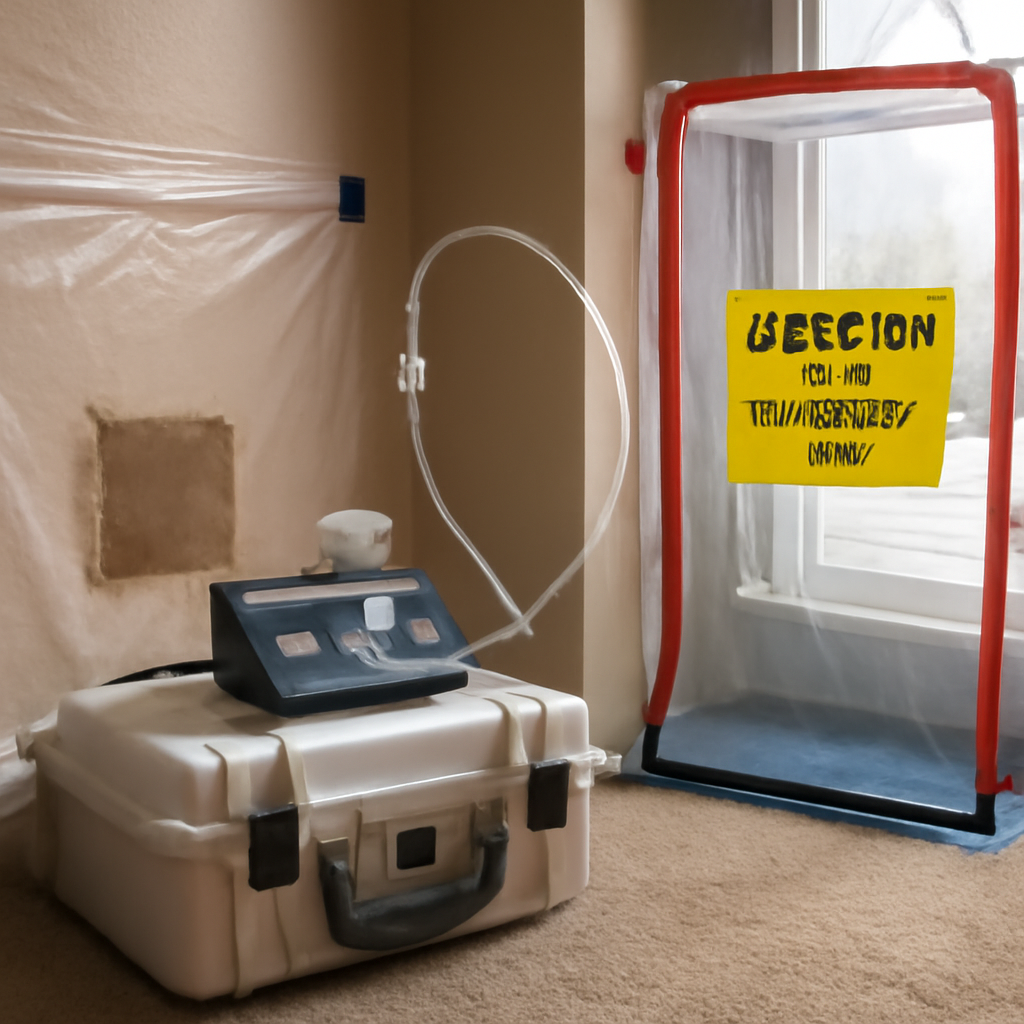
Asbestos testing identifies asbestos-containing materials before they are disturbed, and in Larimer County it matters most for the pre-1980 housing concentrated in Old Town Fort Collins, downtown Loveland, and the older homes of Estes Park and Berthoud. Asbestos was widely used in building materials through the 1970s and into the early 1980s, and disturbing it during renovation or after water damage can release hazardous fibers. This page explains what an asbestos testing larimer county program involves, why the older stock matters, and what it costs. This guidance reflects EPA, CDC, and Colorado standards current as of 2026 and is educational; a certified inspector should assess your specific property, and we do not provide medical advice.
Part of our Asbestos in the Home guide — start there for the full picture →
Is this mold, asbestos, or water damage? Get a free instant screen
Upload a clear photo of the suspect area. You'll get an instant AI screening opinion and what to do next. This is screening guidance, not a professional determination.
Screening guidance only. AI can be wrong. Confirm asbestos, mold type, or lead with lab testing or a licensed professional before acting.
Asbestos testing in Larimer County: what to know
Asbestos testing relies on laboratory analysis of material samples, because asbestos cannot be identified by sight. A certified inspector carefully collects small samples of suspect materials, popcorn ceilings, vinyl floor tile and the mastic beneath it, pipe and duct insulation, plaster, joint compound, siding, and roofing, and submits them to an accredited lab, which uses polarized light microscopy to confirm whether asbestos is present and at what percentage. Only a lab result, not appearance or age alone, confirms asbestos.
Timing is the central rule: test before you disturb. Intact, undisturbed asbestos-containing material is generally low-risk; the danger comes when renovation, demolition, or water and fire damage breaks materials and releases fibers. Larimer County’s popular Old Town and downtown-Loveland renovation markets make pre-disturbance testing especially important. Our guide to asbestos and lead in pre-1978 housing explains how these hazards cluster in the same vintage homes and why testing precedes any disturbance.
The build year guides priority. Homes built before roughly 1980 are the highest concern, and the older the home, the more asbestos-containing products it likely contains. A 1920s Old Town Fort Collins home may carry asbestos in plaster, pipe insulation, and original flooring, while a 1970s Loveland ranch commonly has popcorn ceilings and vinyl tile worth testing before a remodel. Homes built well after 1980 are far lower priority, though some asbestos products lingered in the supply chain into the mid-1980s.
It is also important to understand the concept of friable versus non-friable material, because it shapes the risk. Friable asbestos, material that can be crumbled by hand when dry, such as old pipe insulation or deteriorating popcorn ceiling, releases fibers far more readily than non-friable material like intact vinyl floor tile or cement siding, where the asbestos is bound in a hard matrix. Intact non-friable material in good condition is generally low-risk if left alone; the hazard arises when sanding, cutting, or breaking it turns it friable. A Larimer County inspector weighs both the material type and its condition when advising whether something can stay in place or needs professional removal, which is more nuanced than simply asking whether asbestos is present.
Why Larimer County homes need asbestos testing
The pre-1980 stock is the driver. Old Town Fort Collins and downtown Loveland hold dense concentrations of early-to-mid-1900s homes built when asbestos was standard in insulation, flooring, and surfacing materials. Estes Park’s older cabins and the established cores of Berthoud and Wellington add to the county’s inventory of homes likely to contain asbestos. The more original the home, the higher the chance that a renovation will encounter asbestos-containing material.
Renovation culture raises exposure risk. Larimer County’s historic districts and walkable older neighborhoods attract buyers who remodel, and pulling up old flooring, scraping a popcorn ceiling, or opening walls in a pre-1980 home can release fibers if the material was never tested. Testing first lets an owner plan, leaving intact material alone, or hiring licensed abatement where disturbance is unavoidable, rather than discovering asbestos mid-demolition.
Water and flood damage add a Larimer-specific angle. The 2013 Big Thompson flood and ordinary plumbing failures damage materials that may contain asbestos, and removing wet drywall, flooring, or insulation in an affected Loveland or Estes-corridor home can disturb fibers. The CDC and EPA link asbestos exposure to serious lung disease, including mesothelioma, decades after exposure, which is why testing before any cleanup or renovation of older damaged materials protects the household and the workers doing the job. Our lead testing in Larimer County guide covers the companion pre-1978 hazard often present in the same homes.
What a Larimer County asbestos test covers
A thorough survey targets the materials most likely to contain asbestos and most likely to be disturbed.
Surfacing, flooring, and insulation
The inspector samples popcorn and textured ceilings, plaster and joint compound, vinyl floor tile and sheet flooring with their mastic, and thermal insulation on pipes, ducts, and boilers, the classic asbestos products in pre-1980 homes. In a 1950s Loveland home, the popcorn ceiling and the original kitchen floor tile are typical first samples before any remodel.
Exterior materials and lab analysis
Cement asbestos siding, roofing felts and shingles, and window glazing are sampled where present, and all samples go to an accredited laboratory for polarized light microscopy. The inspector documents each sample location so the results map cleanly to a renovation plan. For city-level detail on the same service, see our asbestos testing in Loveland page, which covers the older downtown stock most likely to contain these materials. Because asbestos and lead often coexist in the same older homes, buyers frequently pair this with a broader pre-1978 hazard evaluation.
Asbestos testing cost in Larimer County
A focused asbestos test, confirming whether a specific material such as a popcorn ceiling or floor tile contains asbestos, typically runs about $250 to $600 in the Larimer County market, including a few lab samples. Individual sample lab fees generally add roughly $30 to $75 each, so a multi-material survey of an entire older home costs more as the sample count rises. A whole-home survey before a major renovation commonly falls in the $400 to $800 range or higher depending on size and age.
The cost is small relative to the alternatives. Disturbing asbestos without testing can contaminate a home and require expensive cleanup, and improper removal can expose the family and workers to fibers. Testing first lets an owner budget accurately, whether that means leaving intact material undisturbed or scoping licensed abatement for the specific materials that test positive.
For a renovation, the sequence saves money. A few hundred dollars in testing that confirms a 1970s Fort Collins home’s popcorn ceiling contains asbestos lets the owner hire licensed removal for that ceiling alone, rather than discovering it after demolition has already spread fibers through the house. For a flood-damaged Loveland property, pre-cleanup testing of wet materials prevents an emergency from becoming an exposure event. Testing before disturbance is the inexpensive step that keeps a renovation safe and on budget.
Professional abatement is the larger cost that testing helps a homeowner plan for and sometimes avoid. Removing a positive popcorn ceiling under proper containment, with negative-air pressure and disposal at a licensed facility, commonly runs well into the thousands depending on the area involved, and whole-home abatement before a gut renovation can be a major line item. Knowing in advance exactly which materials test positive lets an owner budget accurately, sequence the work so abatement precedes demolition, and in some cases redesign the project to leave intact non-friable material undisturbed. That planning is only possible with lab-confirmed results in hand before the first wall comes down, which is the core reason to test first in any older Larimer County home.
Larimer County regulations and disclosure
Colorado regulates asbestos directly through CDPHE, and the state sets requirements for asbestos inspection and abatement that apply across Larimer County. Renovation or demolition that may disturb regulated amounts of asbestos-containing material requires inspection by a Colorado-certified asbestos building inspector, and abatement above state thresholds must be performed by a certified contractor. These rules apply to homeowners and contractors alike when the scope crosses the regulated quantity.
Disclosure and federal rules add context. Colorado’s Seller’s Property Disclosure requires sellers to report known material defects, and the EPA and OSHA set the federal framework for asbestos in renovation and worker protection. For a Larimer County buyer planning to remodel a pre-1980 home, confirming the survey was done by a Colorado-certified asbestos building inspector matters, since the certification is what makes the results valid for permitting and abatement. The CDPHE asbestos program is the authoritative source for current state thresholds and certification requirements.
Communities and areas served
Asbestos concerns concentrate in the county’s older communities. Old Town Fort Collins and the surrounding historic neighborhoods lead, with their dense pre-1940 and mid-century stock, alongside downtown Loveland’s older homes and commercial conversions. Estes Park’s older cabins and lodges, and the established cores of Berthoud and Wellington, round out the higher-priority areas, while the Larimer side of Windsor and Timnath’s newer growth carry far less asbestos risk.
The flood corridor adds urgency in places. Older homes along the Big Thompson and Cache la Poudre that suffered water damage may contain asbestos in materials now compromised by moisture, making pre-cleanup testing important there. Coverage typically reaches across Larimer County. Newer subdivisions built well after 1980 are low priority, but buyers should always confirm the build year before a renovation, since the pre-1980 cutoff, not the neighborhood, determines whether asbestos testing belongs in the plan.
How to choose a Larimer County asbestos testing provider
Certification is non-negotiable. For results that hold up for permitting and abatement, the inspector must be a Colorado-certified asbestos building inspector, and samples must go to an accredited laboratory. Ask to confirm both before scheduling, since an uncertified sample carries no regulatory weight and cannot support a compliant renovation in Larimer County.
Sequence the testing correctly relative to your project. The right time to test is during planning, before any demolition is scheduled, so positive results can be removed by a certified abatement contractor under containment before general construction begins. Testing after a wall has already been opened defeats the purpose, since fibers may already have been released. For a Larimer County renovation, that means bringing the asbestos inspector in early, getting the lab results back, and building the abatement step into the project timeline ahead of the trades. An inspector who understands this workflow helps you avoid the costly scenario of halting a job mid-demolition when suspect material turns up unexpectedly.
Look for clear scope and independence. A good provider explains which materials warrant sampling for your specific project, documents each sample location, and frames results around your renovation plan rather than upselling a survey you do not need. An inspector who does not also profit from abatement gives more neutral guidance on whether material can be left intact or must be removed. For a flood-damaged or historic Larimer County home, choose an inspector who understands which pre-1980 materials are most likely to contain asbestos and how Colorado’s thresholds apply. Proper certification, accredited labs, and project-specific scoping are the marks of a provider worth hiring.
References
- Asbestos in homes and renovation — U.S. Environmental Protection Agency
- Colorado asbestos program and certification — Colorado Department of Public Health and Environment
- Asbestos and health effects — Centers for Disease Control and Prevention
Frequently asked questions
Which Larimer County homes are most likely to contain asbestos?
Homes built before roughly 1980, especially the pre-1940 and mid-century stock in Old Town Fort Collins, downtown Loveland, and older Estes Park and Berthoud properties. The older the home, the higher the likelihood.
How much does asbestos testing cost in Larimer County?
A focused test of a specific material runs about $250 to $600 including a few lab samples, while a whole-home survey before a major renovation commonly falls in the $400 to $800 range, with individual samples adding $30 to $75 each.
Can asbestos be identified without lab testing?
No. Asbestos cannot be identified by sight. A certified inspector collects samples that an accredited lab analyzes by polarized light microscopy to confirm whether asbestos is present and at what percentage.
Does Colorado require certified asbestos inspectors?
Yes. Colorado regulates asbestos through CDPHE, and renovation or demolition that may disturb regulated amounts requires inspection by a Colorado-certified asbestos building inspector, with abatement above thresholds done by a certified contractor.
Should flood-damaged Larimer County homes be tested for asbestos?
Often yes. Water damage can compromise materials that contain asbestos, and removing wet drywall, flooring, or insulation in a pre-1980 home can release fibers, so testing before cleanup protects the household and workers.
Before you renovate or clean up a pre-1980 home anywhere in Larimer County, testing first keeps the project safe and compliant. To connect with a vetted Colorado-certified asbestos inspector in Fort Collins, Loveland, or the foothills, reach out through our contact page.