Asbestos in Colorado: Home Eras, State Rules and Next Steps
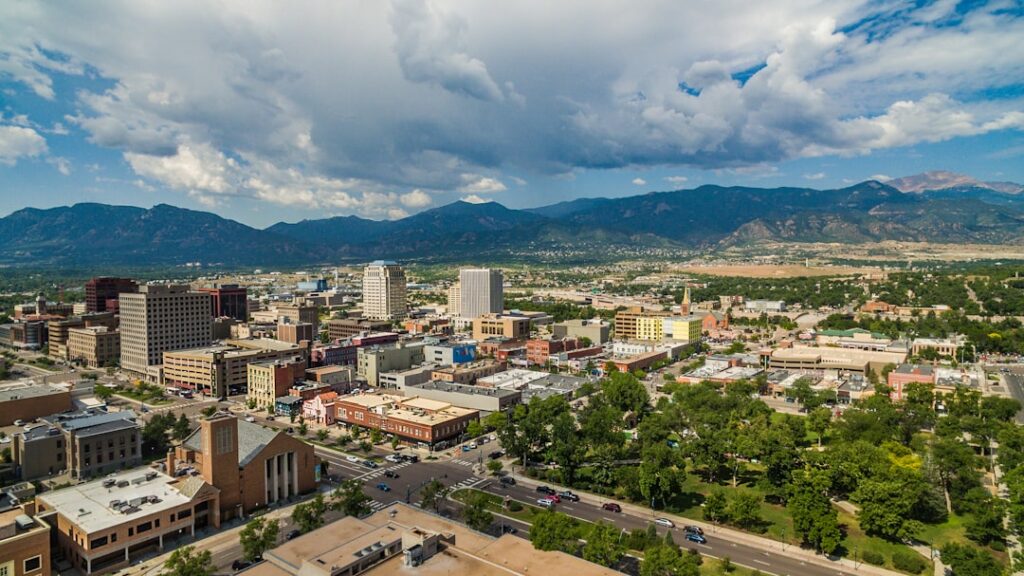
Colorado’s housing stock spans everything from Victorian brick homes in Denver’s oldest neighborhoods to postwar ranches in Aurora and Lakewood, split-levels from the 1970s along the Front Range, and mobile homes in towns from Pueblo to Greeley. A good share of that housing was built while asbestos was still in common use. That does not make every older home a hazard, but it does mean that remodels, demolitions and some home sales need a little more planning. This guide explains where asbestos in Colorado homes tends to appear by era, how the state program works in broad terms, when an inspection is expected before renovation or demolition, and how to find qualified professionals. It summarizes U.S. EPA and USGS material current as of 2026 and is general education. State rules change, so confirm current requirements with the Colorado state health department before starting work.
Part of our Asbestos in the Home guide — start there for the full picture →
Is this mold, asbestos, or water damage? Get a free instant screen
Upload a clear photo of the suspect area. You'll get an instant AI screening opinion and what to do next. This is screening guidance, not a professional determination.
Screening guidance only. AI can be wrong. Confirm asbestos, mold type, or lead with lab testing or a licensed professional before acting.
Where Asbestos Shows Up in Colorado Homes
EPA describes asbestos as a mineral fiber that occurs in rock and soil, valued for its fiber strength and heat resistance and used in a variety of building materials for insulation and as a fire retardant. EPA’s list of places it may be found in homes includes vermiculite attic and wall insulation, vinyl floor tiles and sheet flooring backing and adhesives, roofing and siding shingles, textured paint and patching compounds on walls and ceilings, protective materials around wood-burning stoves, pipe coverings and blankets, and furnace insulation and door gaskets.
Colorado homes contain all of those materials, in roughly the same patterns seen across the country. What is distinctive about the Front Range is less the products themselves and more the age profile of the housing. Large waves of construction in the 1950s, 1960s and 1970s produced neighborhood after neighborhood of homes built with the materials of their day, many of which have since been finished, refinished and remodeled more than once.
EPA’s homeowner guidance is clear that you generally can’t tell whether a material contains asbestos by looking at it unless it is labeled. Era is therefore a way to set expectations, not a test. A 1962 ranch in Westminster may have asbestos in its floor tile mastic and nowhere else; a 1975 split-level in Littleton may have it in the ceiling texture and joint compound; a 1990 home may have none at all, or a leftover material from an older stock. Our asbestos topic hub links to material-specific guides.
Colorado Home Eras and Likely Materials
The table below summarizes common materials by construction era. Dates are broad and overlapping; the “likely materials” column describes what to consider testing, not what is present.
| Home era | Likely suspect materials (hedged) | What to do |
|---|---|---|
| Before 1940 (older Denver, Pueblo, Colorado Springs and mountain-town homes) | Pipe and boiler insulation, furnace parts, plaster, older roofing and siding, vermiculite added later | Leave intact materials alone; inspect before boiler, plumbing or plaster work |
| 1940s to 1950s (postwar ranches and bungalows) | Floor tiles and mastic, pipe wrap, cement siding and roofing, joint compound, duct tape and wrap | Test flooring layers and duct materials before remodeling |
| 1960s to 1970s (split-levels, tract homes, finished basements) | Textured ceilings, joint compound, vinyl sheet and tile flooring, ceiling tiles, vermiculite | Survey before basement, kitchen or ceiling projects |
| 1980s | Lower likelihood overall, but some flooring, roofing and older stock possible | Check records; test materials that will be disturbed if records are thin |
| 1990s and newer | Generally lower likelihood; salvaged or leftover materials possible | Test only if something looks older than the house |
| Manufactured and mobile homes (especially older units) | Ceiling and wall panels, flooring, roof coatings, duct wrap, skirting | Test before renovation, relocation or demolition |
For more detail on specific materials, see our guides on popcorn ceiling asbestos, asbestos in drywall and joint compound and asbestos roof shingles. Owners of older manufactured homes can read our guide on getting rid of a mobile home with asbestos.
Front Range housing patterns worth knowing
A few local patterns come up again and again. Finished basements are extremely common along the Front Range, and many were finished in the 1960s and 1970s with suspended ceiling tiles, glued tiles, textured drywall ceilings and vinyl flooring. Those basements are often the first space a new owner wants to redo. Forced-air furnaces dominate, so duct wrap, tape and older furnace components appear frequently. Hail drives regular reroofing, which means older roofing and siding materials get disturbed more often here than in calmer climates. And the steady pace of scrape-and-rebuild redevelopment in Denver-area neighborhoods means many older homes are demolished rather than remodeled, which brings demolition rules into play.
Mountain and foothill properties add another twist. Cabins in Jefferson, Boulder, Clear Creek and Park counties were often built in stages, by owners as much as by builders, with materials that came from wherever was convenient at the time. Additions, enclosed porches and converted outbuildings can carry materials from different decades under one roof. Attics in older cabins may also hold loose-fill insulation added during energy retrofits. Because records for these buildings are often thin, a survey of the specific areas you plan to change is usually more reliable than trying to date each part of the structure. The same logic applies to older farmhouses on the eastern plains, where generations of repairs often sit side by side.
How Colorado Regulates Asbestos
Asbestos rules operate at federal, state and local levels, and they apply differently depending on who is doing the work and what kind of building is involved.
The federal framework
EPA’s laws and regulations page lists the federal rules that touch asbestos. One of the most relevant for buildings is the asbestos National Emission Standards for Hazardous Air Pollutants (NESHAP), which EPA says specifies work practices for asbestos during demolitions and renovations of structures, installations and buildings, excluding residential buildings that have four or fewer dwelling units. The NESHAP also requires the owner or operator to notify the appropriate state agency before certain demolition and renovation activities. Many states, including Colorado, are delegated to administer these requirements and may add their own.
EPA’s homeowner page also notes that federal law does not require people who inspect, repair or remove asbestos-containing materials in detached single-family homes to be trained and accredited, but that some states and localities do. That is where Colorado’s program matters.
Colorado’s state program under Regulation No. 8
Colorado regulates asbestos through the state health department’s air pollution control program under Air Quality Control Commission Regulation No. 8, which includes a part dedicated to asbestos. In broad terms, that program covers certification of asbestos professionals, inspection requirements before certain renovation and demolition work, permitting and notification for abatement projects above set thresholds, work practices and disposal. Colorado’s rules have historically reached further into residential work than the federal NESHAP, including inspection expectations before some single-family renovation and demolition projects.
Exact thresholds, exemptions and forms change over time, and the rules distinguish between homeowners working on their own primary residence, contractors and commercial projects. Confirm current requirements with the state health department before any project that will disturb suspect material. Some cities and counties also have their own permit conditions, so ask the local building department too. Our page on asbestos rules in Colorado goes deeper into the regulatory side.
Inspection Before Renovation or Demolition
EPA’s homeowner guidance recommends considering an inspection by a trained and accredited asbestos professional when you are planning to remodel, because remodeling can disturb building materials, or when your home has damaged building materials. It also says that if materials aren’t damaged and won’t be disturbed, testing is not needed.
In Colorado, that general advice overlaps with state expectations. Before a significant renovation or a demolition, a state-certified inspector is often needed to survey the areas affected, and contractors and permit offices may ask to see the inspection report before work begins. Practically, homeowners should assume that any project touching ceilings, walls, flooring, ductwork, roofing or siding in an older home will start with an asbestos inspection.
What an inspection typically involves
EPA describes asbestos inspectors as professionals who can inspect a building, assess conditions, take samples of suspect materials and advise about needed corrections. If asbestos is present, EPA says the inspector should provide a written evaluation describing its location and the extent of damage and give recommendations. A typical visit includes a walk-through of the affected areas, sample collection from each type of suspect material, lab analysis and a report. Our guide to understanding asbestos test results explains what the lab report means.
Home test kits and their limits
Mail-in kits are widely available at home-improvement stores and online, and many Coloradans search for them first. Our review of asbestos home testing kits explains how they work. Two cautions apply. First, EPA recommends that a trained and accredited professional take samples and states that taking samples yourself is not recommended, because incorrect sampling can be more hazardous than leaving material alone. Second, a homeowner’s own kit result may not satisfy a state or local inspection requirement for a renovation or demolition permit. Kits can be useful for curiosity about a single material that is already damaged, but a project usually calls for a certified inspection.
Hiring Certified Professionals in Colorado
EPA identifies two main types of accredited asbestos professionals: inspectors, who assess and sample, and contractors, who repair or remove. EPA recommends avoiding conflicts of interest by using separate firms for assessment and removal, asking professionals to document their federal or state-approved training, and checking their past performance with local agencies and the Better Business Bureau. It also advises getting a written contract that specifies the work plan, cleanup and applicable regulations.
In Colorado, ask every inspector and contractor for their current state certification and confirm it with the state health department. Our guide to asbestos certification in Colorado explains the certification categories, and our overview of asbestos abatement in Colorado covers how abatement projects are typically scoped and run. For budgeting, see our guide to asbestos removal pricing.
Questions worth asking before you hire:
- Which state certifications do you and your workers hold, and are they current?
- Will you handle any required state notification or permit for this project?
- How will the work area be contained, and what air monitoring or clearance will be done?
- Where will waste go, and how will it be packaged?
- Will an independent inspector or consultant check the work afterward?
Naturally Occurring Asbestos and the Front Range
Asbestos is a natural mineral, and some regions of the country have rock formations that contain it. The U.S. Geological Survey has published a map and dataset of reported historic asbestos mines, prospects and natural asbestos occurrences in the Rocky Mountain states, covering Colorado, Idaho, Montana, New Mexico and Wyoming. The USGS describes the report as providing geologic information for state and local agencies and other stakeholders, with data on location, mineralogy and geology for 48 reported occurrences across those five states.
For most Front Range homeowners, naturally occurring asbestos is not the main concern. Asbestos exposure in Colorado homes is far more likely to involve building materials than the ground under the house. That said, specific sites with mapped occurrences exist in the region, and people planning excavation, quarrying or construction in mountain areas with unusual rock types may want to check the USGS data and talk to local officials. If you live in the Denver metro or along the Interstate 25 corridor, the materials in your walls, floors and ceilings deserve more attention than the soil.
Common Colorado Projects That Disturb Asbestos
EPA notes that asbestos-containing materials may release fibers when they are disturbed, damaged, removed improperly, repaired, cut, torn, sanded, sawed, drilled or scraped. In Front Range homes, a handful of everyday projects account for most of those disturbances.
Basement finishes and refinishes
Tearing out an old basement ceiling, removing paneling, or pulling up layered flooring can disturb several suspect materials in one weekend. Ceiling tiles, textured ceilings, joint compound, vinyl tile and the black mastic beneath it are all common in basements finished decades ago. Testing each layer before demolition keeps the project from stalling halfway through.
Kitchen and bathroom remodels
Kitchens and baths often hide several generations of flooring, sometimes with an older sheet vinyl or tile layer under newer material. EPA’s do’s and don’ts specifically warn against sanding or trying to level asbestos flooring or its backing, and suggest installing new floor covering over it when possible. Walls and ceilings in these rooms may also have textured finishes or joint compound from the original build.
Furnace, boiler and duct replacement
Forced-air systems are standard along the Front Range, and older homes may still have duct tape, wrap or furnace components from decades ago. Older Denver homes with boilers may have insulated pipes. EPA lists pipe coverings, asbestos blankets and tape, and furnace insulation among places asbestos may be found. HVAC contractors should know about suspect materials before they quote.
Reroofing and siding work
Hail-driven roof replacement is routine in Colorado. Older cement roofing and siding shingles, and some older felts and mastics, may need testing before tear-off, especially on homes and detached garages that have not been reroofed in a long time.
Attic insulation upgrades
Energy upgrades often start in the attic. EPA lists attic and wall insulation containing vermiculite among places asbestos may be found. If an attic has loose, pebble-like insulation that looks gray-brown or silvery-gold, leave it undisturbed and have it evaluated before adding new insulation, running wiring or using the attic for storage.
If Material Has Already Been Disturbed
Sometimes the test comes after the damage: a ceiling is half down, a floor has been sanded, or a contractor has drilled through something suspect. The priority is to stop and avoid spreading dust. EPA advises not to dust, sweep or vacuum debris that may contain asbestos, and not to track material through the house. It suggests keeping activity in the area to a minimum, limiting children’s access, and calling an asbestos professional if the material is from a damaged area or a large area must be cleaned.
Practical steps include closing doors to the area, turning off forced-air heating or cooling that could carry dust through ducts if it is safe to do so, keeping people and pets out, and arranging sampling of the disturbed material as soon as possible. If the results are positive, a certified contractor can scope cleanup. Resist the urge to clean it up quickly with a shop vacuum, which can spread fine dust further.
Asbestos and Colorado Home Sales
Asbestos questions come up often in Colorado real estate, usually during the inspection period. A standard home inspection is visual and does not normally include asbestos sampling, though inspectors may note materials that are of an age and type that could contain it. Buyers planning remodels soon after closing often add an asbestos survey of the areas they plan to change, so they can price the work into their decision.
Sellers who know about asbestos-containing materials should discuss disclosure with their agent and keep any lab reports and abatement records with the home’s paperwork. A clear report, positive or negative, tends to make negotiations easier than an open question. For buyers, the main practical issues are cost and timing: an older home with an intact asbestos floor under carpet may be perfectly livable, but tearing that floor out next spring will need planning and a certified contractor.
Health context
EPA explains that exposure to asbestos increases the risk of lung disease, that the risk is made worse by smoking, and that symptoms may take many years to develop. It names lung cancer, mesothelioma and asbestosis as three major health effects. EPA also says that, in general, exposure may occur only when asbestos-containing material is disturbed or damaged, and that undamaged material left alone is not likely to pose a health risk. Anyone concerned about past exposure from work or renovation should talk to a physician about their history.
A Simple Plan for Colorado Homeowners
- Know your home’s era. Check the county assessor record for the build year and look for remodel permits.
- Leave intact materials alone. EPA’s guidance supports monitoring materials in good condition rather than testing them for no reason.
- Inspect before projects. Before renovation or demolition, hire a state-certified inspector for the affected areas.
- Confirm current state rules. Check with the state health department and local building office about notification, permits and homeowner exemptions.
- Hire certified contractors. Verify certifications and get written contracts for any abatement.
- Keep records. Store reports and clearance documents for future projects and resale.
For more on asbestos and lead in older homes, start at our asbestos and lead pillar page.
References
- U.S. EPA. Learn About Asbestos
- U.S. EPA. Protect Your Family from Exposures to Asbestos
- U.S. EPA. Asbestos Laws and Regulations
- U.S. Geological Survey. Open-File Report 2007-1182: Reported Historic Asbestos Mines, Historic Asbestos Prospects, and Natural Asbestos Occurrences in the Rocky Mountain States
Frequently asked questions
Do Colorado homeowners need an asbestos inspection before remodeling?
Often, yes, depending on the size and type of project. Colorado's state program under Regulation No. 8 includes inspection expectations before certain renovation and demolition work, and EPA recommends an inspection before remodeling older homes. Confirm current requirements with the state health department before starting.
Which Colorado homes are most likely to contain asbestos?
Homes built or remodeled before about 1980 are the main concern, especially postwar ranches and 1960s and 1970s split-levels with original flooring, textured ceilings, joint compound or duct wrap. Newer homes can still contain leftover older materials, so testing is the only way to know.
Is naturally occurring asbestos a problem on the Front Range?
For most Front Range homeowners it is a minor concern compared with building materials. The USGS has mapped reported natural asbestos occurrences in Colorado and other Rocky Mountain states, which may matter for excavation in specific areas.
Can a home test kit satisfy Colorado permit requirements?
Usually not for renovation or demolition projects that require an inspection by a state-certified professional. EPA also recommends that trained, accredited professionals take samples rather than homeowners.
How do you verify an asbestos contractor in Colorado?
Ask for current state certification for the firm and its workers, confirm it with the state health department, get a written contract covering work plan, cleanup and regulations, and consider an independent inspector to check the work.
Planning a remodel or demolition on an older home anywhere from Fort Collins to Colorado Springs? Reach out to our team and we can help you line up the right inspection before the permit stage.