Asbestos Disclosure Colorado: State Rules and Seller Forms
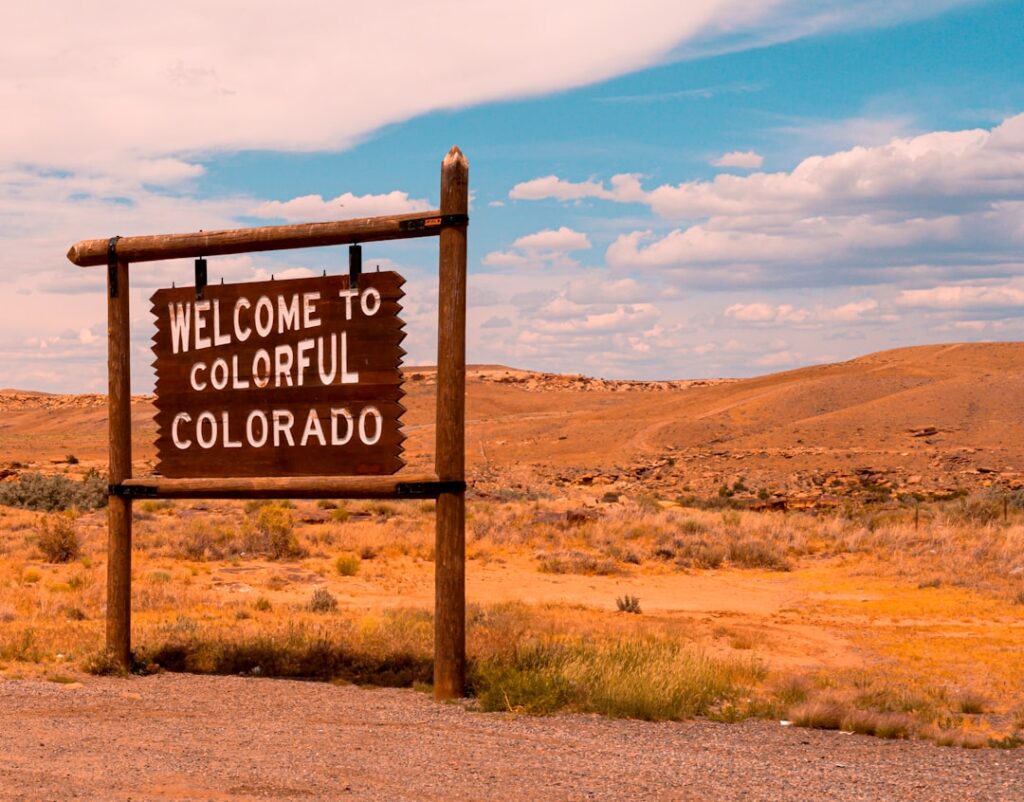
Asbestos disclosure Colorado rules sit at the intersection of state real-estate law, federal NESHAP requirements, and the Colorado Department of Public Health and Environment’s (CDPHE) asbestos program. The combined framework places Colorado among the states with more explicit asbestos disclosure expectations than the federal floor, and Front Range buyers shopping pre-1980 housing stock should understand what sellers must disclose, what they typically know, and how the disclosure interacts with renovation permits and abatement records. This guide walks the Colorado-specific framework with citations to state and federal sources current as of 2026; consult a Colorado-licensed real-estate attorney or asbestos consultant for property-specific decisions.
Is this mold, asbestos, or water damage? Get a free instant screen
Upload a clear photo of the suspect area. You'll get an instant AI screening opinion and what to do next. This is screening guidance, not a professional determination.
Screening guidance only. AI can be wrong. Confirm asbestos, mold type, or lead with lab testing or a licensed professional before acting.
What asbestos disclosure Colorado law requires
Colorado real-estate transactions use the Seller’s Property Disclosure (Residential) form, a Colorado Real Estate Commission-approved document that asks sellers to disclose known material defects. The form contains an explicit asbestos line item under the environmental conditions section, where sellers indicate whether they are aware of asbestos on the property and provide explanatory comments when answering yes. The form does not require the seller to test for asbestos. It requires honest disclosure of what the seller knows.
Colorado Revised Statutes 38-35.7 governs real-property disclosure more broadly. The framework treats failure to disclose known material defects as a basis for buyer remedy after closing, including rescission and damages depending on the materiality of the omission. Sellers who knowingly conceal asbestos defects face civil liability beyond the contract itself.
The CDPHE asbestos regulatory layer
The Colorado Department of Public Health and Environment, through its Air Pollution Control Division, administers state asbestos regulations under Regulation No. 8. The rule applies to commercial buildings and residential structures of four or more units, and it requires:
Pre-renovation and pre-demolition surveys
Any covered structure undergoing renovation or demolition must first receive an asbestos survey from a Colorado-certified building inspector. Findings determine whether further regulatory work — notification, abatement, clearance — is required.
Notification to CDPHE
Demolition projects and renovation projects exceeding threshold quantities of asbestos-containing material must be reported to CDPHE at least ten working days before work begins. Notification creates the inspection right and the public record.
Licensed-contractor abatement
Abatement work above regulatory thresholds must be performed by Colorado-certified abatement contractors. CDPHE maintains a public database of certified contractors, inspectors, and clearance air-monitoring specialists.
Single-family homes are technically exempt from many Reg 8 requirements but not from common-sense practice — most Front Range general contractors voluntarily follow Reg 8 procedures on pre-1980 single-family work because the downstream liability of an unreported disturbance is severe.
The federal NESHAP floor
EPA NESHAP applies independently of state law. It covers commercial and residential structures with five or more units and any demolition of regulated quantities. NESHAP requires pre-demolition inspection, notification, and worker protection during disturbance. Colorado’s Reg 8 generally aligns with NESHAP but in some cases is stricter — Colorado’s residential definition begins at four units while NESHAP begins at five.
For single-family residential, the regulatory layers thin out but never disappear. EPA NESHAP demolition provisions still apply to demolition of single-family homes. State and local rules add transport, disposal, and worker-protection requirements. CDPHE’s asbestos program homepage aggregates state rules and contractor lookups.
Denver and Front Range pre-1980 housing context
Denver’s housing stock contains substantial pre-1980 inventory, particularly in neighborhoods built between 1900 and 1975:
Capitol Hill, Cheesman Park, City Park West
Late 19th and early 20th century Victorians and Denver Squares — high probability of vermiculite attic insulation (Zonolite era), pipe wrap, and original plaster systems. Many have seen multiple renovation cycles, some of which predated current disclosure rules.
Park Hill, Washington Park, Bonnie Brae
Mid-century bungalows and ranches from the 1920s through 1960s. Common ACMs include 9×9 vinyl floor tile, popcorn ceilings (1950s-1970s installs), transite siding, and HVAC duct insulation.
Westwood, Athmar Park, Mar Lee
Post-war housing built 1945 through 1970. Heavy presence of popcorn ceilings, vinyl floor tile, and pipe wrap in basement utility systems.
Suburban Denver and the Front Range
Arvada, Lakewood, and Aurora have substantial 1960s and 1970s housing inventory with similar ACM profiles. Colorado Springs sees the same era from Old Colorado City through the early suburbs.
Front Range buyers should treat any home built before 1980 as probable ACM-containing until tested. The pre-1978 housing hazard guide walks the broader risk profile.
What sellers typically know — and don’t know
Most Colorado sellers genuinely do not know whether their home contains asbestos because they have never tested. Honest disclosure in those cases is “not aware” or “unknown” with a comment explaining the basis (age of home, no prior testing). Sellers who have performed past renovations sometimes have permit records, contractor invoices, or abatement clearance reports that document what was found and what was done. Those records should be disclosed and shared during the inspection period.
Sellers who knowingly observed suspect materials — crumbling pipe insulation in the basement, attic vermiculite, vinyl tile flagged during a prior project — are legally required to disclose. Selective amnesia in those cases creates the post-closing claims that drive disclosure litigation.
Buyer due diligence specific to Colorado
Five practical steps for Front Range buyers:
Step 1 — read the Seller’s Property Disclosure carefully
The asbestos line item is in the environmental conditions section. Check the answer and read any explanatory comments. “No” with no comment on a 1955 ranch is not necessarily reassuring; it usually means the seller has not tested.
Step 2 — request renovation permits and contractor records
Permit records from Denver, Adams County, Jefferson County, and other Front Range jurisdictions document permitted work. Renovations on pre-1980 homes ideally show evidence of asbestos survey before disturbance.
Step 3 — engage a Colorado-certified asbestos building inspector during inspection period
For pre-1980 properties, a certified inspector visit during the inspection contingency adds $300 to $700 and produces a written survey of suspect materials with lab confirmation as needed. The buyer’s guide to who tests for asbestos covers credentialing detail.
Step 4 — verify any prior abatement claims
If the seller claims prior abatement, request the clearance air-monitoring reports and disposal manifests. Reputable abatement firms keep these records for at least seven years.
Step 5 — negotiate before contingency removal
Findings during the inspection period are normal negotiation territory. Sellers commonly agree to abatement, price reduction, or escrow holdback. Leverage drops sharply after contingency deadlines pass.
What disclosure does not require
Two misconceptions worth correcting. First, sellers are not required to test for asbestos before listing. Most do not. Second, disclosed asbestos is not a deal-killer — most pre-1980 homes sell with some disclosed environmental items, and the market routinely absorbs them with appropriate negotiation.
Working with the right professionals in Colorado
Three distinct certifications matter: the Colorado-certified asbestos building inspector (survey), the certified abatement contractor (removal), and the certified clearance air-monitoring specialist (post-abatement verification). The buyer should verify each through CDPHE’s online lookup before engagement.
When to call a professional
Any Colorado pre-1980 property under contract warrants at least a visual screening by an inspector familiar with ACMs. Properties with visibly damaged suspect materials, planned major renovation, or extended family occupancy benefit from full asbestos survey and pre-disclosure documentation. CDPHE’s contractor lookup tool, EPA region 8 asbestos resources, and local Front Range inspectors form the practical network for navigating disclosure responsibly.
Colorado Real Estate Commission (CREC) disclosure form specifics
The mechanics of Colorado’s seller disclosure framework matter for how asbestos information actually reaches buyers. The CREC-approved Seller’s Property Disclosure form is the primary vehicle, and its structure shapes what gets disclosed, when, and with what legal weight.
The SPD-19 form and the materially defective conditions section
The current Seller’s Property Disclosure (Residential) form — commonly referred to in the field as SPD-19 — includes a structured section on environmental conditions where asbestos appears explicitly. The form asks the seller to mark “yes,” “no,” or “do not know” for asbestos presence and provides space for explanatory comments. Sellers who mark “yes” must describe what they know — location, condition, prior remediation, and the source of their information. Sellers who mark “do not know” are signaling that they have not tested, which buyers should read as an invitation to perform their own due diligence rather than as a guarantee of absence.
“Known” versus “unknown” — the legal distinction
Colorado disclosure law operates on knowledge rather than presence. A seller who genuinely does not know about asbestos cannot be held liable for failing to disclose it. A seller who knew or should have known and failed to disclose creates a basis for post-closing remedy. The “should have known” standard is where most disclosure litigation lives — sellers who renovated, who received contractor reports flagging suspect materials, or who received environmental surveys cannot later claim ignorance. Documentation of what the seller was told and when establishes the knowledge baseline.
Timing and the buyer’s investigation period
The SPD is typically delivered before contract acceptance, and Colorado contracts include an inspection-objection deadline during which buyers can investigate the property and raise concerns. The disclosure does not relieve the buyer of due-diligence responsibility. Buyers who receive a disclosure showing “no” or “unknown” for asbestos but suspect material is present can still commission their own testing during the inspection period and negotiate accordingly.
Post-disclosure update obligations
Sellers who learn new information after delivering the initial disclosure — for example, a contractor’s renovation estimate that flags suspect popcorn ceiling — must update the disclosure. Material changes between initial disclosure and closing trigger a fresh disclosure delivery. Failure to update creates the same liability exposure as failure to disclose initially.
Listing-agent and buyer-agent roles
Real estate brokers are not the source of property condition information, but they have an affirmative duty to disclose known material facts they observe. A listing agent who sees crumbling pipe insulation during a walkthrough cannot ignore it even if the seller’s disclosure does not mention it. Buyer’s agents helping clients evaluate pre-1980 properties should proactively flag suspect-material conventions and recommend testing during the inspection period.
Common Colorado asbestos-era building components
Colorado’s housing stock carries distinctive asbestos-era construction patterns that vary by geography, era, and intended use. Front Range buyers and inspectors who recognize the patterns can target due diligence efficiently.
1950s-1970s Denver bungalows and ranches
Mid-century housing across Denver, Aurora, Lakewood, and Arvada shares a predictable asbestos profile. Popcorn ceiling texture in living rooms, hallways, and bedrooms (installed roughly 1955-1980). 9-inch-by-9-inch vinyl floor tile in basements, utility rooms, and sometimes kitchens, with black asbestos mastic underneath. Pipe-wrap insulation on main basement runs from the boiler. HVAC duct insulation in unfinished basement areas. Window glazing compound on original wood-sash windows. Linoleum sheet flooring in kitchens with asbestos backing paper. Each of these components is identifiable on a walkthrough by an experienced inspector and warrants sampling if disturbance is planned.
Mountain cabins with vermiculite insulation
Cabin construction across the Colorado mountains — Estes Park, Evergreen, Conifer, Bailey, Buena Vista, and the resort corridors — heavily used Zonolite-brand vermiculite attic insulation from the 1950s through 1984. The Zonolite product came from the Libby, Montana mine, which contaminated the vermiculite with tremolite asbestos. Cabins built or attic-upgraded in this era frequently carry vermiculite that requires specialized abatement handling. EPA and CDPHE both maintain Zonolite-specific guidance for property owners.
Commercial-residential mixed-use pre-1980 buildings
Downtown Denver, the LoDo and RiNo districts, and older commercial districts in Boulder, Fort Collins, Pueblo, and Colorado Springs contain pre-1980 mixed-use buildings with ground-floor retail and upper-floor residential. These properties typically carry more extensive asbestos profiles than pure residential — commercial-grade pipe insulation, fireproofing on structural steel, larger HVAC systems with insulated ductwork, and sometimes spray-applied texture in commercial spaces. Mixed-use buyers should engage a Colorado-certified asbestos building inspector before closing, with sampling scope that reflects both the commercial and residential components.
What inspectors typically flag
Colorado-certified building inspectors performing pre-1980 surveys consistently flag the same categories of materials: popcorn ceiling textures (presumed positive until tested), 9-inch vinyl floor tile with black mastic, transite siding (gray cement-board exterior cladding), pipe-wrap insulation in basements and crawlspaces, vermiculite attic insulation, HVAC duct insulation and gaskets, original window glazing compound, and roofing felts on older flat-roof installations. The inspector report typically lists each suspect material with location, estimated quantity, condition, and a sampling recommendation. Buyers can review the pre-1978 housing hazard pillar for broader context.
Verifying state and federal resources before hiring
Three resources serve Colorado buyers and sellers navigating asbestos disclosure. The CDPHE asbestos program page at cdphe.colorado.gov/asbestos aggregates state regulations, contractor lookups, and homeowner guidance. The Colorado state-EPA portal at epa.gov region 8 covers federal touchpoints relevant to Colorado properties. EPA’s national asbestos overview at epa.gov/asbestos covers NESHAP and AHERA program detail. Using all three before engaging a contractor gives buyers and sellers a defensible due-diligence record.
References
- CDPHE Asbestos Program — Colorado Department of Public Health and Environment
- EPA Asbestos NESHAP Requirements — U.S. Environmental Protection Agency
- EPA Asbestos Overview — U.S. Environmental Protection Agency
- HUD Office of Healthy Homes — U.S. Department of Housing and Urban Development
Front Range buyers shopping pre-1980 housing or sellers preparing disclosure forms can connect through our contact page for a referral to a vetted Colorado-certified asbestos inspector.