Asphalt Shingles: 3-Tab vs Architectural, Lifespan and Hail
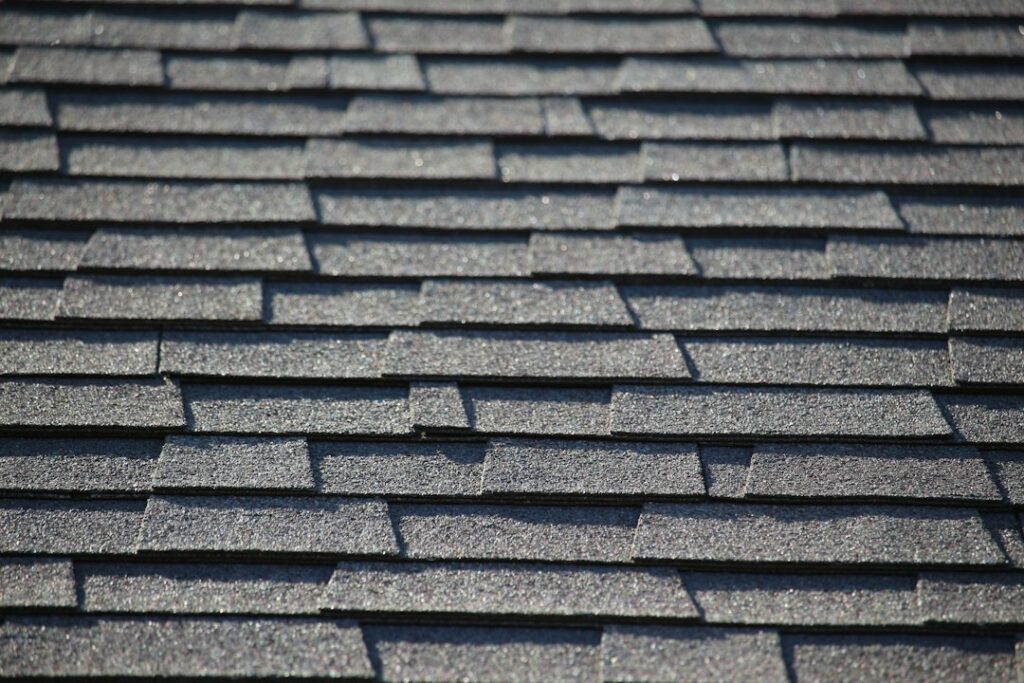
Most houses in the United States are roofed with asphalt shingles, and the Colorado Front Range is no exception. Drive through almost any neighborhood from Fort Collins to Colorado Springs and the majority of pitched roofs are covered in them. They are relatively affordable, available in many colors and styles, and familiar to nearly every roofer. They are also exposed to some of the harshest conditions in the country here: intense high-altitude sun, wide temperature swings, chinook winds and repeated hailstorms. This guide explains the main types of asphalt shingles, how long they tend to last, what impact and wind ratings mean, which defects home inspectors look for, how the layers underneath and the attic above affect shingle life, and what replacement typically costs.
Part of our Structure & Exterior guide — start there for the full picture →
Roof damage or a roof replacement? Get a local roofer on the phone.
📞 Call (833) 850-2469What Asphalt Shingles Are Made Of
A modern asphalt shingle is built around a mat, almost always fiberglass today, that is saturated and coated with asphalt. The top surface is covered with ceramic-coated mineral granules, and the back is dusted with a fine release material so the shingles do not stick together in the bundle. A strip of factory-applied sealant, activated by the sun’s heat after installation, bonds each course to the one below it so wind cannot easily lift the tabs.
Each layer has a job. The mat gives the shingle its shape and strength. The asphalt is the waterproofing. The granules shield the asphalt from ultraviolet light, which otherwise dries it out and makes it brittle, and they add color and some fire resistance. When granules wear away, the asphalt underneath starts to age much faster, which is why granule loss is one of the most watched signs of shingle wear.
Types of Asphalt Shingles
Asphalt shingles fall into three broad categories. Names and details vary by manufacturer, but the basic differences are consistent.
Three-Tab Shingles
Three-tab shingles are single-layer strips with two cutouts along the bottom edge, which make each strip look like three separate tabs once installed. They lie flat and produce a uniform, brick-like pattern. They are the lightest and least expensive option, and they were the standard on many Front Range homes built from the 1970s through the 1990s.
The trade-offs are durability and wind resistance. A single layer offers less material to absorb hail impact or resist wear, and the tabs can be more prone to lifting in high winds. Many manufacturers have reduced or ended their three-tab lines, so they are now used more often for budget projects, rentals, sheds or starter and ridge courses than as the main field shingle.
Architectural (Dimensional or Laminated) Shingles
Architectural shingles, also called dimensional or laminated shingles, are made by bonding two or more layers together, with the bottom layer cut into an irregular pattern. The result is a thicker, heavier shingle with shadow lines that give the roof a more textured look, loosely resembling wood shakes.
These are now the most common choice for residential reroofs. The added thickness generally improves durability and wind performance, and they usually carry longer manufacturer warranties than three-tab products. They cost somewhat more per square (a roofing square is 100 square feet), but the difference on a full roof is often modest compared with labor and tear-off.
Premium or Designer Shingles
Premium shingles sit at the top of the product range. They are thicker still, often with multiple laminated layers, and are styled to imitate slate or cedar shake. Some lines combine that look with impact-resistant construction. They are heavier, more expensive and may require a roofer familiar with the specific product, but they can give a high-end appearance at a lower cost and weight than natural slate.
How Long Do Asphalt Shingles Last?
Lifespan depends on the product, installation quality, attic ventilation, roof slope, color and climate. As a rough guide, three-tab roofs are often expected to last somewhere around 15 to 25 years, architectural shingles roughly 20 to 30 years, and premium lines sometimes longer. Those figures are general expectations, not promises, and real-world results vary widely.
On the Front Range, intense ultraviolet exposure at altitude and frequent hail can shorten that service life. A roof may be replaced after a major hailstorm long before the shingles would have worn out on their own, which is why many Colorado roofs are younger than their counterparts in milder regions. The how long does a roof last guide compares asphalt with metal, tile and other materials and explains the factors that push lifespan up or down.
Manufacturer warranties are often advertised as 30-year, 50-year or lifetime coverage. Those numbers describe warranty terms, not expected service life. Most warranties are prorated after an initial period, may cover materials but not labor, and can depend on registration, approved installers and specific installation steps. Reading the actual warranty document is more useful than relying on the label.
Hail, Wind and Fire Ratings
Ratings printed on the bundle wrapper describe how a shingle performed in standardized tests. They are useful for comparing products, as long as their limits are understood.
Impact Resistance and Colorado Hail
Impact-resistant shingles are tested under UL 2218, which in general terms drops steel balls of increasing size onto roofing samples and checks for cracks or ruptures. Products are rated Class 1 through Class 4, with Class 4 indicating the shingle withstood the largest ball in that test. Some manufacturers use modified asphalt, often called SBS or rubberized asphalt, which makes the shingle more flexible and better able to absorb impacts.
In hail-prone parts of Colorado, Class 4 shingles are popular, and some insurers offer premium discounts for them. Policies and discounts vary by carrier, so it is worth asking before choosing a product. A Class 4 rating does not mean a roof is hail-proof; very large hail can still damage it, and the rating says nothing about granule loss or cosmetic marks. The hail damage roof guide explains how adjusters identify functional hail damage and what to expect from the claims process.
Wind Ratings
Shingle wrappers often list wind ratings from standards such as ASTM D3161 or ASTM D7158, with classes tied to tested wind speeds. Higher-rated products may require additional nails per shingle, often called a high-wind nailing pattern, to achieve the rated performance. Along the foothills, downslope winds can gust strongly in winter, and roofs there may benefit from shingles and nailing patterns rated for higher speeds. The starter strip at the eaves and rakes also matters, because that is where wind usually begins peeling shingles back.
Fire Ratings
Most fiberglass asphalt shingles carry a Class A fire rating, the highest classification for roof coverings under standard fire tests, although the rating applies to the roof assembly as tested by the manufacturer. That matters in Colorado’s wildland-urban interface, where embers can land on roofs during wildfires. NFPA’s guidance on preparing homes for wildfire advises cleaning roofs and gutters of dead leaves, debris and pine needles that could catch embers, and replacing or repairing loose or missing shingles or roof tiles to prevent ember penetration. The fire-resistant house materials guide covers roofing and other building choices in more detail.
Color and Heat
Dark shingles absorb more sunlight and run hotter on summer afternoons. ENERGY STAR’s cool roofs page explains that roofs that are lighter in color or reflective stay cooler than roofs that absorb sunlight, lists shingles among the common cool roof materials, and notes that decreasing roof temperature can extend the life of roof materials. It also notes that cool roofs generally save the most energy in hot, sunny climates, so the benefit on a Front Range home is likely smaller than in the southern United States.
Common Asphalt Shingle Problems
Asphalt shingles age in predictable ways. Recognizing the patterns helps separate normal wear from problems that need attention.
Granule Loss
Some granule shedding is normal, especially in the first months after installation, when loose surplus granules wash off. Ongoing heavy loss, bare patches or a shiny black look on parts of the roof point to aging or hail impact. Piles of granules at downspout outlets are a common clue. Once the asphalt is exposed, it tends to dry, crack and erode faster.
Curling and Cupping
Curling describes edges or corners lifting upward, while cupping is when the center of the shingle sinks and the edges rise. Both usually reflect age and heat cycling, though poor attic ventilation, improper nailing or installing over an uneven surface can contribute. Curled shingles are more easily caught by wind and may let wind-driven rain in.
Blistering
Blisters are small raised bubbles in the shingle surface, caused by moisture or gas trapped during manufacturing that expands with heat. When a blister pops, it leaves a crater where granules are missing. Scattered small blisters are often cosmetic, but widespread blistering can shorten roof life, and blister pops are sometimes confused with hail hits.
Cracking, Splitting and Missing Shingles
Thermal splitting, cracks running vertically through the shingle, can result from temperature swings, especially on older or lower-grade products. Missing shingles after a windstorm expose the underlayment, which is not designed to be the primary weather barrier for long. These should be replaced promptly.
Nail Placement Problems
Each manufacturer specifies a nailing zone, usually a strip just below the sealant line, along with the number of nails per shingle. Nails driven too high miss the underlying shingle and reduce wind resistance. Nails driven too low can be exposed to weather. Overdriven nails cut through the mat, while underdriven nails can push up and tear the shingle above them, a condition sometimes called a nail pop. Many wind blow-off claims trace back to nailing errors, and these are difficult to spot without lifting shingles.
What Goes Under and Over the Shingles
A shingle roof is a system. The shingles are only the top layer, and the performance of the whole depends on what is underneath and on the attic space below the deck.
Underlayment, Flashing and Edges
Beneath the shingles, the roof deck is covered with underlayment, either asphalt-saturated felt or a synthetic sheet, plus self-adhered ice-and-water membrane at eaves, valleys and other vulnerable areas. In snowy climates, that membrane helps when meltwater backs up under shingles. The roof underlayment guide compares the options. Flashing at walls, chimneys, skylights and vents is often where leaks start, as covered in the roof flashing guide, and valleys concentrate water in a way that makes their construction especially important.
Attic Ventilation and Shingle Life
A poorly ventilated attic can trap heat in summer and moisture in winter. Excess heat may speed the aging of shingles from below, and many manufacturers require adequate ventilation as a condition of the warranty. In winter, warm, moist air leaking into the attic can condense on the underside of the roof deck and contribute to ice dams at the eaves. The attic ventilation guide explains how intake and exhaust vents should be balanced. Attic air sealing and insulation matter just as much, since they limit the warm air reaching the roof deck in the first place.
Overlays and Multiple Layers
Some reroofs install new shingles directly over an existing layer instead of tearing off. This saves on labor and disposal, but it hides the condition of the deck, adds weight, can make the new shingles lie less flat and may affect warranty coverage. Building codes generally limit the number of layers, commonly to two for asphalt shingles, and some local jurisdictions or insurers have stricter rules. Many Front Range roofers recommend a full tear-off, especially after hail, so the deck can be inspected and damaged sheathing replaced. Checking local requirements with the building department before choosing an overlay is wise.
Inspecting Asphalt Shingles
The ASHI Standard of Practice lists roofing materials, roof drainage systems, flashing, and skylights, chimneys and roof penetrations among the items a home inspector inspects, and it requires the inspector to describe the roofing materials and the methods used to inspect the roofing. Depending on pitch, height and weather, an inspector may walk the roof, view it from a ladder at the eaves or use a drone. Inside, the attic often reveals what the surface hides.
Typical observations on asphalt roofs include:
- Estimated age and remaining life, based on wear rather than a precise date.
- Granule loss, bare spots, cracking, curling or blistering.
- Missing, lifted or creased shingles from wind.
- Hail marks, often reported with a recommendation for evaluation by a roofer or adjuster.
- Exposed or popped nails and sealant used as a substitute for proper flashing.
- Signs of multiple layers, such as thick edges at the eaves.
- Water stains, damp insulation or mold on the attic side of the sheathing.
The EPA’s brief guide to mold and moisture lists roof materials above ceiling tiles as a possible location of hidden mold, due to roof leaks or insufficient insulation, and advises drying wet materials within 24 to 48 hours. A slow leak under shingles can go unnoticed for a long time if no one checks the attic.
A home inspection is a visual review, not a roof certification or a warranty. When the report notes concerns, buyers often ask a licensed roofer for a closer evaluation and written estimate before their inspection deadline. The guide to hiring a home inspector explains how to ask about roof coverage, and the structure and exterior hub gathers related guides on roofs, flashing and drainage.
Homeowners can do a lot from the ground. Binoculars help with spotting missing or lifted shingles, and checking gutters for granules after storms is easy. Walking the roof is another matter. OSHA requires fall protection at six feet in the construction industry, and while that rule covers workers rather than homeowners, steep, icy or high roofs carry the same risk for anyone.
Asphalt Shingle Costs
Asphalt shingles remain one of the least expensive roofing materials to install. Prices depend on roof size, pitch, complexity, number of layers to remove, deck repairs, product line and local labor rates. As a rough sense of scale, a full replacement on a typical single-family home may range from roughly $10,000 to $25,000 or more, with impact-resistant and premium lines at the higher end. Steep or cut-up roofs, multiple tear-off layers and sheathing replacement add cost.
After major Front Range hail events, demand can spike and push up prices and wait times. Getting two or three written bids that specify the shingle line, underlayment, ice-and-water membrane, ventilation work and how damaged decking will be priced makes comparison easier. The roof replacement cost guide breaks down the line items. For homeowners weighing a longer-lived alternative, the metal roof cost guide compares metal panels and shingles, which can make sense for owners planning to stay many years.
Repairs are less predictable. Replacing a few wind-damaged shingles or resealing a lifted edge may cost a few hundred dollars, depending on access and the minimum service fee. Matching the color of an older roof can be difficult, especially if the product line has been discontinued, so small repairs may remain visible.
More Questions About Asphalt Shingles
How long does it take to replace an asphalt shingle roof?
Replacing an asphalt shingle roof on a typical single-family home usually takes one to three days. A small, simple roof may be done in a single day, while larger, steep or complex roofs with many valleys and penetrations can take longer.
Weather delays, rotted decking that needs replacement, and removal of multiple old layers can add time. Most crews tear off, repair decking, install underlayment and flashing, and shingle in sequence, covering exposed areas at the end of each day. Ask the contractor about cleanup, magnetic nail sweeps and the final inspection.
Does homeowners insurance cover hail damage to asphalt shingles?
Homeowners insurance often covers hail damage to asphalt shingles, subject to the deductible and policy terms. Many policies in hail-prone areas carry separate wind and hail deductibles, often a percentage of the home’s insured value.
Some policies limit payment for older roofs to actual cash value, or exclude cosmetic damage, especially on impact-resistant shingles. Homeowners should:
- Photograph damage soon after the storm
- Have the roof inspected
- File claims within the policy’s deadline
- Review roof coverage terms before storm season
Can asphalt shingles be installed in cold weather?
Yes, asphalt shingles can be installed in cold weather, but extra care is needed. Shingles become stiff and brittle when cold, so they can crack when bent or nailed, and seal strips may not bond until warm weather arrives.
Roofers working in cold conditions often store shingles in a warm place, hand-seal shingles with roofing cement, and avoid nailing with excessive force. Manufacturer instructions may include cold-weather steps that affect the warranty. Roofs installed in winter can still perform well when these precautions are followed.
Do darker asphalt shingles make a house hotter?
Darker asphalt shingles absorb more sunlight and can run hotter than lighter shingles, which may slightly raise attic temperatures and cooling costs in sunny climates. The effect depends heavily on attic ventilation and insulation.
Lighter colors and shingles labeled as cool roof or reflective products reflect more sunlight. In cold climates, the difference matters less, and darker shingles may help melt snow slightly faster. Good attic ventilation and insulation usually have a bigger impact on comfort and shingle life than color alone.
References
- ASHI Standard of Practice for Home Inspections — American Society of Home Inspectors
- Preparing Homes for Wildfire — National Fire Protection Association
- Cool Roofs — ENERGY STAR
- A Brief Guide to Mold, Moisture and Your Home — U.S. Environmental Protection Agency
- Fall Protection Overview — Occupational Safety and Health Administration
Frequently asked questions
What is the difference between 3-tab and architectural shingles?
Three-tab shingles are single-layer strips with a flat, uniform look. Architectural shingles are laminated from two or more layers, so they are thicker, more textured and generally more durable and wind resistant. Architectural shingles are now the most common choice for reroofs.
How long do asphalt shingles last in Colorado?
Many three-tab roofs last roughly 15 to 25 years and architectural shingles roughly 20 to 30 years, but strong sun, temperature swings and hail can shorten that on the Front Range. Many roofs are replaced after hail long before they wear out.
Are Class 4 shingles worth it?
In hail-prone areas, Class 4 impact-resistant shingles often make sense, and some insurers offer discounts for them. They resist damage better in testing but are not hail-proof, so it helps to compare the added cost with any insurance savings.
Can new shingles go over old ones?
Codes often allow a second layer over one existing layer, but local rules vary. An overlay hides the deck, adds weight and may affect warranties, so many roofers recommend a full tear-off.
How can I tell if my shingles need replacing?
Warning signs include heavy granule loss, bare spots, curling, cracking, missing shingles and leaks or stains in the attic. A roofer or home inspector can estimate remaining life.
Are asphalt shingles recyclable?
Yes, asphalt shingles can be recycled in some areas, often into paving material for roads. Availability depends on local recycling facilities, so homeowners can ask roofing contractors whether tear-off shingles will be recycled or sent to a landfill.
Do asphalt shingles come with a warranty?
Most asphalt shingles come with a manufacturer warranty covering material defects, often marketed as 25 years to lifetime, plus a separate contractor workmanship warranty. Warranty coverage is often prorated and can depend on registration and installation by approved contractors.
Can asphalt shingles be repaired instead of replaced?
Yes, asphalt shingles can often be repaired when damage is limited to a few missing, cracked or lifted shingles. Widespread granule loss, curling or many damaged areas usually mean replacement is a better long-term choice.
Buying a Front Range home and unsure how much life the shingles have left? Reach out through our contact page and we can help you find a local inspector who checks the roof surface and the attic beneath it.