Best Roofing Shingles (2026): How to Choose for Hail + Wind
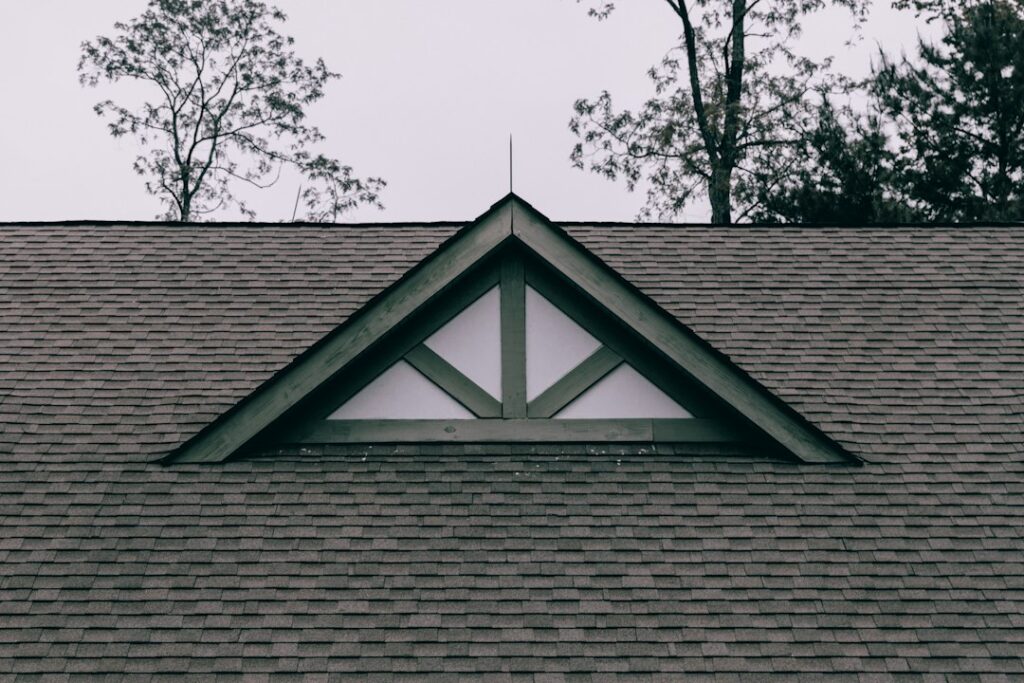
The best roofing shingles for most Colorado Front Range homes are architectural (laminated) asphalt shingles, and in hail country it is worth pricing a Class 4 impact-rated version before you sign anything. Three-tab shingles still exist and cost less, but they are thinner, carry lower wind ratings and have largely disappeared from re-roof bids along the Interstate 25 corridor. Designer shingles add curb appeal and weight but do not automatically perform better. What decides whether a new roof actually lasts is the rating stamped on the bundle (impact, wind, algae), the underlayment and ice barrier beneath it, attic ventilation, and a crew that nails and flashes correctly. A note on method: we don’t test shingles or rank manufacturers on reliability. This guide explains how to choose a shingle and a roofer, using published standards, code requirements and what home inspectors find on real roofs. If you are really asking “what is the best roof” overall, the short answer is at the end of the decision table.
Part of our Structure & Exterior guide — start there for the full picture →
This page contains affiliate links; we may earn a commission at no extra cost to you.
Quick Decision Table: Which Shingle Type Fits Your Roof?
Prices below are typical installed ranges per square foot of roof area for a straightforward tear-off and replacement in 2026. They move with roof pitch, number of layers removed, decking repairs, valleys, skylights, chimneys, access, permit fees and whether the work is billed to an insurance claim. A “square” in roofing is 100 square feet.
| Shingle type | Who it suits | Typical installed price | Key spec to check |
|---|---|---|---|
| 3-tab asphalt | Detached garages, sheds, short-term rentals or a home being sold soon on a tight budget | Typical $3.50–$5.00 per sq ft | Wind rating (often 60–70 mph standard); availability in your color; insurer acceptance |
| Architectural (laminated) asphalt | Most Front Range houses; the default re-roof choice | Typical $4.50–$7.50 per sq ft | ASTM D3161 Class F or D7158 Class H wind rating; algae-resistant granules; limited warranty terms |
| Class 4 impact-resistant architectural | Hail-prone areas from Fort Collins to Colorado Springs; owners who want fewer hail claims | Typical $5.50–$9.00 per sq ft | UL 2218 Class 4 listing on the wrapper; whether the insurer offers a discount; installation requirements in the warranty |
| Designer / luxury asphalt | Higher-end homes that want a slate or shake look without the weight of real slate | Typical $7.00–$12.00 per sq ft | Weight per square (framing check), impact class, color availability for future repairs |
| Polymer / synthetic composite | Owners who want a slate or shake appearance with high impact ratings | Typical $9.00–$15.00 per sq ft | Impact class, fire rating, local installer experience with the product |
So what is the best roof overall? For a typical sloped Front Range roof, a well-installed Class 4 architectural shingle is the most common answer on value. Metal roofing is the main alternative if you plan to stay 25 years or more; our best metal roofing guide covers standing seam, exposed-fastener panels and metal shingles. Tile, slate and wood shake are niche choices on the Front Range because of weight, hail and wildfire concerns respectively. For budgeting, our roof replacement cost guide walks through tear-off, decking and the line items that inflate bids.
What Actually Matters When Choosing Shingles
Shingle construction: 3-tab vs architectural vs designer
A 3-tab shingle is a single flat layer of fiberglass mat coated in asphalt, with two cutouts that make it look like three separate tabs. It is light, flat and cheap. The trade-off is less material on the roof, more exposure to wind uplift along the tab edges and a shorter typical service life, often 15 to 20 years in a sunny, high-altitude climate.
Architectural shingles bond two or more layers together, which creates a thicker, dimensional look and more weight per square. That extra mass and the wider nailing zone are the main reasons they carry higher wind ratings and longer limited warranties. Most manufacturers now treat architectural shingles as their standard product line.
Designer shingles are heavier still, cut and stacked to imitate slate or cedar shake. They can be a good fit for a historic look, but heavier is not the same as tougher. Check the impact class separately, because some designer lines are Class 4 and some are not.
Impact resistance: what Class 4 (UL 2218) means
Hail is the defining roofing problem on the Front Range, and the Denver metro area regularly appears among the most hail-prone regions in the country. The UL 2218 standard rates a roofing product by dropping steel balls of increasing size onto it from set heights. Class 1 uses a 1.25-inch ball; Class 4, the top rating, uses a 2-inch ball, and the sample must show no cracking or tearing to pass. Some manufacturers also reference FM 4473, a similar test that uses ice balls.
Class 4 does not mean hail-proof. Very large hail can still damage a Class 4 roof, and granule loss or bruising may still occur. What the rating gives you is a meaningfully better chance of riding out the common one-inch to one-and-a-half-inch storms without a full replacement. Many Colorado insurers offer some form of premium credit for a Class 4 roof, but the amount varies by carrier and changes often, so ask your agent for a written figure before you decide. Our guide to impact-resistant shingles goes deeper on SBS-modified (rubberized) asphalt, which is the technology behind most Class 4 asphalt products.
Wind ratings
Chinook winds and downslope wind events along the foothills can exceed 90 mph in places such as Boulder, Golden and the west side of Fort Collins. Two test standards appear on shingle packaging:
- ASTM D3161 uses a fan test. Class A is 60 mph, Class D is 90 mph and Class F is 110 mph.
- ASTM D7158 measures uplift resistance. Class D is 90 mph, Class G is 120 mph and Class H is 150 mph.
Many architectural shingles carry Class F and Class H ratings, and some manufacturers extend wind warranty coverage when the roofer uses six nails per shingle and their matching starter strip and ridge cap. The rating means little if nails are placed high, overdriven or underdriven, which is one of the most common defects inspectors find after a storm.
Algae resistance and UV
The dark streaks you see on north-facing roofs in humid climates are mostly algae (Gloeocapsa magma). The Front Range is dry enough that algae is less of a problem than in the Midwest or Southeast, but shaded roofs under mature trees still streak, and moss can form where snow sits longest. Shingles marketed as algae-resistant use copper-containing granules and usually carry a separate, shorter algae warranty. Above 5,000 feet, UV exposure is the bigger issue. It bakes the asphalt and loosens granules over time, which is one reason a roof on a south-facing slope in Colorado often ages faster than the warranty suggests.
Color, heat and cool-roof granules
Darker shingles absorb more heat. The EPA notes that steep-slope cool roof products include asphalt shingles surfaced with specially coated reflective granules, and cool roofs can reduce heat transferred into the building. On a Front Range house with good attic insulation, the energy effect is modest, but a lighter or cool-rated shingle can help over a finished attic room or in a home without central air.
Fire rating
Nearly all asphalt shingles sold today carry a Class A fire rating, the highest under ASTM E108 / UL 790. That matters in wildland-urban interface areas in the foothills, where some counties and HOAs require Class A roofing. Wood shake is the material most often restricted.
Weight and layers
Architectural and designer shingles are heavier than 3-tab, and a second layer on top of an existing roof adds still more load. The International Residential Code generally limits asphalt roofs to two layers and does not allow a re-cover over a roof that is water-soaked, deteriorated or has two layers already. Most Front Range roofers and insurers prefer a full tear-off anyway, because it exposes the decking and allows proper ice barrier and underlayment installation. Under the region’s snow loads, a heavy designer shingle on an older roof with undersized rafters deserves a framing check first.
Warranties: read the fine print
Shingle packaging advertises “lifetime” or 50-year limited warranties, but these are usually prorated after an initial non-prorated period (often 10 years). Many exclude hail damage, labor or tear-off unless you buy an enhanced system warranty registered through a certified installer. Enhanced warranties usually require the manufacturer’s starter strip, underlayment, ridge cap and ventilation products. Ask to see the warranty document, not the brochure, and confirm who registers it.
Underlayment, Ice and Water Shield, and Ventilation
A shingle is only the top layer of a roof system. Beneath it, three things decide whether water stays out:
Underlayment. Synthetic underlayment has largely replaced felt paper on re-roofs. It is lighter, tears less during installation and tolerates sun exposure for longer before shingles go on. Our roof underlayment guide compares felt, synthetic and self-adhered membranes.
Ice barrier at eaves and valleys. Where ice dams are a known risk, the IRC calls for an ice barrier that extends from the eave edge to at least 24 inches inside the exterior wall line. Most Front Range jurisdictions enforce this, and many roofers also run self-adhered membrane in valleys, around chimneys and skylights, and along low-slope sections. Snow that melts during sunny afternoons and refreezes at night along the eaves makes this a real requirement here, not an upsell. If ice dams have been a problem, our ice dams guide explains why attic heat loss, not the shingle, is usually the root cause.
Attic ventilation. Shingle manufacturers tie warranty coverage to balanced intake (soffit) and exhaust (ridge or roof vents) ventilation. Poor ventilation cooks shingles from below in summer and drives moisture and frost into the attic in winter. ENERGY STAR’s seal-and-insulate guidance makes the companion point: sealing air leaks and insulating the attic floor keeps warm, moist house air out of the attic in the first place. See our attic ventilation guide for intake-to-exhaust ratios.
Buyer’s Checklist: Comparing Shingle Bids
Bids that look similar on the bottom line often differ in what is included. Use this checklist to line them up side by side.
| Item | What to ask for in writing | Why it matters |
|---|---|---|
| Exact shingle line and color | Manufacturer, product line, impact class and wind rating | Prevents substitution with a lower-rated product |
| Tear-off and layers | Number of existing layers to remove; disposal included | A second layer hides decking problems and adds weight |
| Decking | Per-sheet price for replacing damaged sheathing | The most common change order after tear-off |
| Underlayment | Product type and coverage | Determines leak protection if shingles are damaged |
| Ice and water shield | Where it goes: eaves, valleys, penetrations, low-slope areas | Code requirement at eaves; best practice elsewhere |
| Flashing | New drip edge, step flashing, kick-out flashing, pipe boots, chimney counter-flashing | Reusing old flashing is a frequent leak source |
| Ventilation | Intake and exhaust plan; ridge vent length | Affects warranty and shingle life |
| Nailing | Nails per shingle (four vs six) and hand vs gun nailing standard | Required for the higher wind warranty |
| Permit | Who pulls it and when final inspection happens | Most Front Range cities require one for re-roofs |
| Warranty | Manufacturer system warranty level, workmanship warranty length, who registers | Defines who pays if something fails |
Installation and the Home-Inspection Angle
Most shingle failures that inspectors document are installation problems, not product problems. These are the items that come up again and again on Front Range roofs, both after re-roofs and during pre-purchase inspections.
What inspectors flag on shingle roofs
- Multiple layers. A second layer is visible at the eaves and rakes. It limits remaining life and complicates the next replacement.
- Missing or reused flashing. Missing kick-out flashing where a roof edge meets a wall is a classic cause of rotted siding and sheathing. Old step flashing left behind a new roof often fails first.
- Exposed or high nails. Nails above the nailing strip let shingles lift in wind. Exposed nail heads on ridge caps rust and leak.
- No drip edge. Water wicks back onto the fascia and roof deck.
- Inadequate ventilation. Frost on the underside of the roof deck in winter, stained sheathing or a hot, stuffy attic in summer.
- Hail and granule loss. Bruised spots, exposed mat and granules collected in gutters and at downspout outlets. Our hail damage roof guide shows what adjusters and inspectors look for.
- Pipe boots and penetrations. Cracked rubber boots around plumbing vents are a leading leak source as roofs age under strong UV.
- Gutters and drainage. Undersized or sagging gutters spill water at the foundation. If the gutters are also due, coordinate the work; our best gutters guide covers sizing, materials and downspouts.
Older roofs and asbestos
Some roofing products made before the 1980s, including certain asphalt and cement-based shingles and roofing felts, can contain asbestos. If you own an older home with an original roof or unusual roofing material, have suspect materials tested before tear-off. The EPA advises against disturbing material that may contain asbestos and recommends using trained, accredited asbestos professionals for testing and removal.
Safety on the roof
Re-roofing is professional work for good reason. OSHA’s fall prevention campaign points out that falls are the leading cause of death in construction, and roofing jobs carry hazards such as skylights, holes and leading edges. A legitimate roofer will have a fall protection plan and workers’ compensation coverage. Ask for a certificate of insurance.
How to vet a roofing contractor in Colorado
Colorado has no statewide roofing license, but several Front Range municipalities and regional building departments require contractor registration or licensing and a permit for re-roofs. State law also sets rules for roofing contracts, particularly when the job is paid through an insurance claim, including a written contract with specific disclosures. A permit is worth having: FEMA’s building science program reports that designing to the 2018 International Residential and Building Codes saves an estimated $11 for every $1 invested compared with older codes, and a permitted re-roof is the point where those code details (ice barrier, flashing, nailing) actually get checked. After big hail years, out-of-state storm-chasing crews arrive in large numbers, so take time with the decision.
- Confirm local registration or license and pull the permit history on past jobs where possible.
- Ask for proof of general liability and workers’ compensation insurance.
- Get at least three written bids using the checklist above.
- Ask whether the crew is certified by the shingle manufacturer and which warranty tier they can register.
- Never sign an assignment of benefits or a contract before your insurer has inspected, and never pay the full amount up front.
- Ask for photos of the decking after tear-off and of the ice barrier before shingles cover it.
Buyers can add a dedicated roof evaluation to a home inspection, and owners planning a sale often get one before listing. A third-party look after installation is also inexpensive insurance against hidden nailing or flashing shortcuts.
Timing
Spring and early summer are hail season on the Front Range, and roofers are booked solid after a major storm. Late summer and fall are usually easier for scheduling. Asphalt shingles need warm temperatures for their sealant strips to bond, so winter installs may require hand-sealing. Ask how the crew handles cold-weather installs if your job falls between November and March.
Where to Buy Roofing Shingles
Big-box home-improvement stores sell bundles from several manufacturers and run installed-sales programs that subcontract to local roofers; they are a convenient way to compare product lines, colors and Class 4 options. For a full re-roof, most homeowners buy through a local roofing contractor who supplies materials, pulls the permit and registers the warranty. Get three quotes, compare them line by line, and confirm the permit before tear-off.
Where to shop for architectural roofing shingles
Links open the retailer's current selection — prices, stock and delivery/installation options vary by ZIP code.
We may earn a commission from qualifying purchases made through these links, at no extra cost to you.
Retailers and roofing suppliers carry brands such as GAF, Owens Corning, CertainTeed, IKO, Atlas and Malarkey, among others. Compare the specific product’s impact class, wind rating and warranty terms rather than the brand name, and ask your insurer which Class 4 products qualify for any discount.
Frequently asked questions
What are the best roofing shingles for hail in Colorado?
Look for architectural shingles with a UL 2218 Class 4 impact rating, which is the highest rating for hail resistance. Most Class 4 asphalt shingles use SBS-modified (rubberized) asphalt. Class 4 does not make a roof hail-proof, but it improves the odds of surviving common storms, and many Colorado insurers offer some premium credit for it.
Are architectural shingles better than 3-tab shingles?
For most homes, yes. Architectural shingles are thicker, carry higher wind ratings and longer limited warranties, and typically last longer in high-UV climates. Three-tab shingles cost less but are thinner and have become uncommon on Front Range re-roofs.
How long do asphalt shingles last on the Front Range?
Typical ranges are about 15 to 20 years for 3-tab and 20 to 30 years for architectural shingles, but hail, strong UV at altitude, poor attic ventilation and installation quality can shorten that considerably. Many Front Range roofs are replaced early because of hail claims.
Is ice and water shield required in Colorado?
The International Residential Code, which most Front Range jurisdictions adopt, requires an ice barrier at the eaves in areas with a history of ice forming there, extending at least 24 inches inside the exterior wall line. Many roofers also use it in valleys and around chimneys and skylights. Confirm local requirements with your building department.
Can new shingles go over old ones?
Codes generally allow a maximum of two layers of asphalt shingles and prohibit a re-cover over a damaged or water-soaked roof. Most roofers and insurers on the Front Range recommend a full tear-off so the decking can be inspected and the ice barrier and underlayment installed properly.
References
- Using Cool Roofs to Reduce Heat Islands — U.S. EPA
- Seal and Insulate with ENERGY STAR — ENERGY STAR (U.S. EPA)
- Protect Your Family from Exposures to Asbestos — U.S. EPA
- Fall Prevention Campaign — Occupational Safety and Health Administration
- Building Science — FEMA