Best Roof Underlayment (2026): 7 Picks for Shingles and Eaves
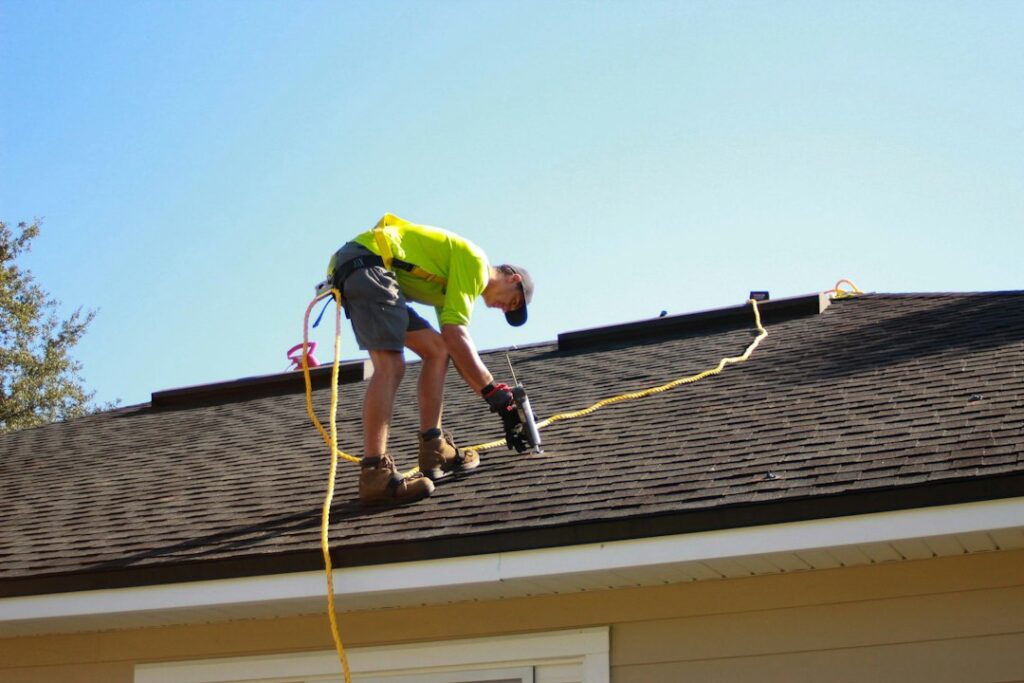
The best roof underlayment is the layer you hope never gets tested. It sits between the roof deck and the shingles or metal panels, sheds water that gets past the roofing, and protects the deck during installation. On the Front Range, it also has a second job: stopping meltwater that backs up behind ice dams at the eaves. That job belongs to a self-adhered ice-and-water membrane, not ordinary underlayment. Below are seven picks covering synthetic field underlayment and self-adhered eave protection, followed by a buying guide that compares synthetic and felt, explains where ice barrier goes, and covers code approvals and UV limits as listings state them.
Part of our Structure & Exterior guide — start there for the full picture →
As an Amazon Associate we earn from qualifying purchases.
How we compared: we compared 10 current Amazon listings for roof underlayment on what each listing states: material, mechanically fastened or self-adhered, roll coverage, UV exposure limit, slope limits, and named standards or code evaluations. Five more listings on the same search were small peel-and-stick repair patches or a torch-on membrane rather than underlayment, and we set them aside. No traditional asphalt felt appeared on the shelf. We did not lab-test any product or install it hands-on. Prices and availability change, so check the current listing before buying.
Quick picks: the best roof underlayments by job
| Product | Best for | Key features | Price | Buy |
|---|---|---|---|---|
| Zeluga 32-390 Synthetic | Field underlayment with code report |
| $57.95as of Oct 21, 2026 5:10 pm GMT+0000 | Buy now →Check current price |
| Grip-Rite ShingleLayment HT | Ice-and-water at eaves |
| $154.95as of Oct 21, 2026 5:10 pm GMT+0000 | Buy now →Check current price |
| FT Synthetics Platinum | Low slopes and cold installs |
| $149.99as of Oct 21, 2026 5:10 pm GMT+0000 | Buy now →Check current price |
| ArmorLay 25 | Budget felt replacement |
| $59.99as of Oct 21, 2026 2:07 pm GMT+0000 | Buy now →Check current price |
| Grip-Rite ShingleLayment LWE | Long exposure before roofing |
| $58.18as of Oct 21, 2026 6:09 pm GMT+0000 | Buy now →Check current price |
| ApxRoufin RU4-250 | Metal and tile roofs |
| $89.99as of Oct 21, 2026 6:09 pm GMT+0000 | Buy now →Check current price |
| SFNSM 50 mil EPDM Peel and Seal | Valleys and penetrations |
| $99.99as of Oct 21, 2026 2:07 pm GMT+0000 | Buy now →Check current price |
Prices are Amazon’s listed prices as of the time shown and change often; check Amazon for today’s price. As an Amazon Associate we earn from qualifying purchases.
The 7 picks, compared listing by listing
1. Zeluga 32-390 Synthetic Roofing Underlayment — Best Field Underlayment With a Code Report

95 gsm woven polypropylene underlayment, 48 in x 250 ft, with an ICC-ES evaluation report and 180-day UV rating named.
Check price on Amazon$57.95 as of Oct 21, 2026 5:10 pm GMT+0000 — prices change; see Amazon for current price.Why we like it
- Names a specific ICC-ES evaluation report
- Lists ASTM D8257 and AC188 compliance
- UV stated at 180 days of exposure
- Printed nail and overlap patterns
| Specification | Details |
|---|---|
| Material | 95 gsm woven polypropylene with non-skid TPO-coated surface |
| Coverage | 48 in x 250 ft (1,000 sq ft, 10 squares) |
| Standards / approvals | ICC-ES ESR-5197, AC188, ASTM D8257, CAN/CSA A123.3; Florida FL-17194 |
| UV exposure | Up to 180 days |
| Install type | Mechanically fastened; printed nail and overlap guides |
| Model | 32-390 |
Zeluga 32-390 — 95 gsm woven PP, 1,000 sq ft, ICC-ES ESR-5197, D8257, 180-day UV
The Only Listing That Names a Specific ICC-ES Evaluation Report
Building inspectors look for evidence that a synthetic underlayment is approved, and the cleanest evidence is an evaluation report from ICC Evaluation Service. Two listings on the shelf mention ICC-ES AC188, the acceptance criteria for roof underlayments, but Zeluga is the only one that names its report number, ESR-5197. That lets a roofer or a homeowner look up the actual approval and its installation conditions before the inspection.
It also names ASTM D8257, the standard specification for mechanically attached polymeric underlayment, and a Florida product approval. Its 180-day UV rating ties for the longest on the shelf with two Grip-Rite rolls and the BlackKnight roll, which gives slack if roofing materials are delayed after the deck is dried in.
The listing’s claim that it outperforms #15 and #30 felt is a marketing comparison without stated test data. It does not state a minimum slope or a temperature range.
Pros
- Specific, checkable code evaluation
- Long UV exposure window
- Full 10-square roll
Cons
- Not an ice barrier for eaves
- Minimum slope not stated
- Felt comparison is unquantified
Check Zeluga 32-390 price on Amazon
2. Grip-Rite ShingleLayment HT (SL2SQHT) — Best Ice-and-Water Protection at the Eaves

Self-adhering, self-sealing peel-and-stick ice and snow barrier rated for high temperatures; 3 x 67 ft, 201 sq ft.
Check price on Amazon$154.95 as of Oct 21, 2026 5:10 pm GMT+0000 — prices change; see Amazon for current price.Why we like it
- Self-adhering ice and snow barrier
- Self-sealing around nails, per listing
- High-temperature resistance named
- UV treated to 180 days
| Specification | Details |
|---|---|
| Type | Self-adhering, self-sealing peel-and-stick underlayment |
| Purpose stated | Ice and snow barrier; high-temperature resistance |
| Coverage | 3 ft x 67 ft (about 201 sq ft) |
| UV exposure | Up to 180 days |
| Weight | About 28 lb per roll |
| Standards | Not named in listing |
Grip-Rite SL2SQHT — self-adhered ice and snow barrier, 201 sq ft, high-temp, 180-day UV
The Only Full-Size Self-Adhered Ice Barrier on the Shelf
Of the 10 underlayment listings, two are self-adhered: this Grip-Rite roll and the much smaller SFNSM EPDM roll in pick 7. Grip-Rite’s is the only one sold as a production roll for eaves, and the only one whose listing names its job as an ice and snow barrier. That is the product you want along the bottom edge of a shingle roof in a cold climate.
Self-adhered membranes bond to the deck and seal around the shanks of roofing nails. Mechanically fastened synthetics, by contrast, shed water but do not stop water that is pushed uphill, which is what happens behind an ice dam. The “HT” (high-temperature) designation matters under dark shingles and especially under metal roofing, where low-temperature membranes can soften.
The listing does not name ASTM D1970, the usual standard for self-adhered ice-barrier membranes, or any code report. Ask for the data sheet if your building department wants documentation.
Pros
- Purpose-built ice and snow barrier
- Seals around fasteners
- High-temperature rated
Cons
- No standard or code report named
- Smaller coverage per roll than field synthetics
- Hard to reposition once stuck
Check Grip-Rite ShingleLayment HT price on Amazon
3. FT Synthetics Platinum — Best for Low Slopes and Cold-Weather Installs

20 mil polyolefin underlayment approved over plywood on slopes of 2:12 and up, with low-temperature flexibility.
Check price on Amazon$149.99 as of Oct 21, 2026 5:10 pm GMT+0000 — prices change; see Amazon for current price.Why we like it
- States approval on slopes 2:12 and greater
- Low-temperature flexibility for winter installs
- Thickest stated sheet at 20 mils
- GripSpot slip-resistant surface
| Specification | Details |
|---|---|
| Material | 20 mil polyolefin, fully synthetic, 100% recyclable |
| Slope | Approved over plywood with proper fasteners on 2:12 and greater |
| Cold handling | Wrinkle free with low-temperature flexibility |
| Coverage / weight | 48 in x 250 ft (10 squares); 35 lb roll |
| UV | Described as excellent; no duration stated |
| Warranty | Lifetime warranty (title) |
FT Synthetics Platinum — 20 mil polyolefin, 2:12+ slopes, low-temp flexible, 10 squares, lifetime warranty
The Only Listing That States Both a Slope Limit and Cold Flexibility
Roofers in Colorado lay underlayment in all seasons, and cold underlayment can be stiff, wrinkle and tear at fasteners. FT Synthetics is the only listing that claims low-temperature flexibility. It is also one of two that give a minimum slope, 2:12 over plywood. (The ApxRoufin listing also mentions 2:12.) Low-slope sections over porches and additions are where water lingers longest, so a stated slope approval is worth having.
At 20 mils, it is the only fastened field underlayment on the shelf that states a thickness, and its 35-pound roll weight hints at a heavier sheet than the woven polypropylene rolls. A split silicone release liner is mentioned, though the listing does not explain where it is used.
The listing does not name an ASTM standard or code report and gives no UV exposure duration, only “excellent UV resistance.”
Pros
- Stated 2:12 minimum slope
- Cold-weather flexibility claim
- Thick, heavy-duty sheet
Cons
- No standard or code report named
- UV exposure time not stated
- Heavier roll to carry up a ladder
Check FT Synthetics Platinum price on Amazon
4. ArmorLay 25 Synthetic Roof Underlayment — Best Budget Felt Replacement

4 x 250 ft synthetic underlayment meeting ASTM D4869 and D226 performance characteristics, with 60-day UV exposure.
Check price on Amazon$59.99 as of Oct 21, 2026 2:07 pm GMT+0000 — prices change; see Amazon for current price.Why we like it
- Meets felt-standard performance characteristics
- Full 1,000 sq ft roll
- Slip-resistant bottom surface
- Will not buckle, warp or crack, per listing
| Specification | Details |
|---|---|
| Material | Synthetic with slip-resistant polymer bottom and textured fabric top |
| Coverage | 4 ft x 250 ft (10 squares) |
| Standards | Meets performance characteristics of ASTM D4869 and ASTM D226 |
| UV exposure | 60 days |
| Walkability | Textured fabric for steep-slope traction |
| Slope limit | Not stated in listing |
ArmorLay 25 — synthetic, 1,000 sq ft, meets D4869/D226 performance, 60-day UV
One of Two Listings Benchmarked Against the Felt Standards
ASTM D226 and D4869 are the standards for asphalt-saturated organic felt, the traditional #15 and #30 felt. Two listings on the shelf say they meet the performance characteristics of both: ArmorLay 25 and SIPA’s 100 gsm roll. That framing is useful for a homeowner replacing felt on a like-for-like basis, because it signals the product was measured against the same yardstick.
“Meets performance characteristics” is not the same as being certified to those standards, which were written for felt. For code purposes, synthetics are usually evaluated under AC188 or D8257, which this listing does not mention.
The 60-day UV limit is among the shortest on the shelf, so this roll suits jobs where shingles go on promptly after dry-in.
Pros
- Benchmarked against felt standards
- Full 10-square roll
- Walkable textured surface
Cons
- Short 60-day UV window
- No synthetic-specific code approval named
- Slope limits not stated
Check ArmorLay 25 price on Amazon
5. Grip-Rite ShingleLayment LWE (SL154250LWE) — Best for Long Exposure Before Roofing

Lightweight woven polypropylene underlayment, 4 x 250 ft, UV treated to 180 days, with placement guides.
Check price on Amazon$58.18 as of Oct 21, 2026 6:09 pm GMT+0000 — prices change; see Amazon for current price.Why we like it
- UV treated to 180 days
- Lighter than felt, per listing
- Rolls out flat and holds a chalk line
- Non-skid woven top surface
| Specification | Details |
|---|---|
| Material | Woven polypropylene, non-skid surface |
| Coverage | 4 ft x 250 ft (1,000 sq ft) |
| UV exposure | Up to 180 days |
| Weight | About 18.5 lb per roll |
| Install aids | Placement guides; rolls flat; holds a chalk line |
| Standards | Not named in listing |
Grip-Rite SL154250LWE — woven PP, 1,000 sq ft, 180-day UV, about 18.5 lb roll
The Lightest Full Roll With the Longest Stated UV Window
Four listings tie for the longest stated UV exposure at 180 days. Of those, the Grip-Rite LWE has the lightest stated roll weight, about 18.5 pounds, versus 35 pounds for the FT Synthetics roll. On a steep Front Range roof, that difference is noticeable every time a roll goes up the ladder.
It pairs naturally with the Grip-Rite HT ice barrier in pick 2: HT along the eaves and in valleys, LWE across the field. Using a matched pair from one maker can simplify questions about compatibility and lap details.
The listing names no ASTM standard or code evaluation and does not state a minimum slope. Its “more energy efficient than felt” claim is unexplained.
Pros
- 180-day UV exposure
- Light, easy-to-carry roll
- Holds chalk lines for straight courses
Cons
- No standard or code report named
- Slope limit not stated
- Energy claim unexplained
Check Grip-Rite ShingleLayment LWE price on Amazon
6. ApxRoufin RU4-250 Synthetic Underlayment — Best for Metal and Tile Roofs

Non-woven synthetic underlayment for metal, shingle and tile on 2:12+ slopes; names AC188, D8257 and 0.12 perms.
Check price on Amazon$89.99 as of Oct 21, 2026 6:09 pm GMT+0000 — prices change; see Amazon for current price.Why we like it
- Names metal, shingle and tile roofs
- Lists AC188 and ASTM D8257
- Only listing with a stated perm value
- Class A fire claim under ASTM E108
| Specification | Details |
|---|---|
| Material | Four-layer non-woven polypropylene, scrim coated |
| Coverage | 48 in x 250 ft (1,000 sq ft) |
| Roof types | Metal, shingle and tile on slopes of 2:12 or steeper |
| Standards named | ICC-ES AC188, ASTM D8257, ASTM E108 Class A, Florida HVHZ approval |
| Perm rating | 0.12 perms per ASTM E96 |
| UV exposure | 90 days |
ApxRoufin RU4-250 — non-woven PP, 1,000 sq ft, metal/shingle/tile, AC188, D8257, 0.12 perms, 90-day UV
The Only Underlayment Listing That States a Perm Value
Vapor permeance is rarely discussed on underlayment listings, and ApxRoufin is the only one of the 10 that gives a number: 0.12 perms per ASTM E96. That is a low figure, meaning the sheet lets little vapor through. Oddly, the listing calls it “vapor permeable” in the same sentence. Most synthetic underlayments are fairly vapor-tight, which is one reason attic ventilation matters so much on roofs with synthetic underlayment.
It names more standards than any listing except Zeluga, including AC188, D8257 and an ASTM E108 Class A fire claim, though it gives no evaluation report number. It also explicitly lists metal and tile roofs, which suits homeowners re-roofing with standing seam metal.
A few claims are vague, such as “can form an ice barrier in extreme weather.” A mechanically fastened synthetic is not a substitute for a self-adhered ice barrier at the eaves.
Pros
- Several named standards
- Metal and tile roofs named
- Stated slope and perm figures
Cons
- No evaluation report number
- Contradictory vapor wording
- Ice-barrier claim is misleading
Check ApxRoufin RU4-250 price on Amazon
7. SFNSM 50 mil EPDM Peel and Seal — Best for Valleys and Penetrations

50 mil EPDM membrane with a butyl self-adhesive layer, 16.5 ft x 40 in, for use under shingles or exposed on low roofs.
Check price on Amazon$99.99 as of Oct 21, 2026 2:07 pm GMT+0000 — prices change; see Amazon for current price.Why we like it
- Thick 50 mil EPDM rubber
- Butyl adhesive bonds wood, concrete and metal
- Can go under shingles, per listing
- Small roll for valleys, chimneys and skylights
| Specification | Details |
|---|---|
| Material | EPDM rubber with butyl self-adhesive layer, embossed surface |
| Thickness | 50 mil |
| Size | 16.5 ft x 40 in (about 55 sq ft) |
| Uses stated | Under shingles; exposed on patios, sunrooms and campers; window sills |
| Temperature | Withstands high and low temperatures (no range stated) |
| Standards | Not named in listing |
SFNSM SF260306001 — 50 mil EPDM, butyl adhesive, 16.5 ft x 40 in, under shingles or exposed
The Only Self-Adhered EPDM Membrane in Underlayment Format
Several small peel-and-stick rolls appeared on the shelf, but most were thin repair patches for metal sheds and RVs, which we set aside. SFNSM’s is the only one that describes itself as an underlayment that can be laid under asphalt shingles, and the only self-adhered listing that names EPDM rubber with a butyl adhesive. At 50 mils, it is thick.
The roll is small, about 55 square feet, so it is not for whole eaves. It fits the places on a roof where water concentrates and flashing gets complicated: valleys, around chimneys and skylights, behind a roof-to-wall transition, or around a stubborn pipe. Pair it with the pipe flashing covered in our roof boots guide.
No temperature range, standard or compatibility note for use under metal roofing is given.
Pros
- Thick EPDM with butyl adhesive
- Rated for use under shingles
- Good for detail areas
Cons
- Small coverage
- No standard or temperature range named
- Not a full eave solution
Check SFNSM EPDM Peel and Seal price on Amazon
Synthetic vs felt underlayment
Asphalt-saturated felt (#15 and #30) was the default for decades, and it is still used and still meets code. Synthetic underlayment, a woven or non-woven polypropylene or polyethylene sheet, has largely taken over in new roofing. Here is how they compare.
- Weight and coverage. A synthetic roll typically covers 10 squares (1,000 square feet) at a weight similar to or less than a much smaller felt roll. Every synthetic field roll on this shelf is a 10-square roll.
- Tear resistance and walkability. Synthetics resist tearing in wind and under foot, and most have textured surfaces for traction. Felt can tear and wrinkle when wet.
- UV exposure. Synthetics can sit exposed for weeks or months; listings here range from 60 to 180 days. Felt should be covered quickly.
- Vapor permeance. Felt is somewhat vapor-permeable. Many synthetics are fairly vapor-tight, such as the 0.12-perm figure stated for ApxRoufin. That makes attic ventilation more important.
- Code acceptance. Felt is covered by ASTM D226 and D4869. Synthetics are commonly evaluated under ICC-ES AC188 or ASTM D8257. Check that the product you buy has documentation your building department accepts, and that it is approved by the shingle maker for its warranty.
For most Front Range re-roofs, a synthetic field underlayment plus a self-adhered ice barrier at eaves and valleys is the common combination.
Ice-and-water shield at the eaves: the Front Range priority
Ice dams form when heat escaping into the attic melts snow on the upper roof. The meltwater runs down to the cold eaves, refreezes, and builds a ridge of ice. More meltwater then pools behind that ridge and can back up under shingles. ENERGY STAR describes this process directly: an attic that is too warm melts snow that refreezes at the gutters, causing an ice dam that can damage the roof.
Ordinary underlayment sheds water running downhill. It does not stop water pushed uphill and held against the roof by ice. A self-adhered ice barrier seals to the deck and around nail shanks, which is why the residential code adopted in cold-climate jurisdictions generally requires an ice barrier along the eaves where ice damming is a known risk, typically extending from the eave edge to at least 24 inches inside the exterior wall line. Many Front Range building departments require it, and requirements vary by jurisdiction and elevation. Check yours before you buy.
Underlayment is the defense. Prevention starts in the attic. ENERGY STAR notes that natural attic ventilation helps keep the attic cold, reducing the potential for ice damming, and that attic air sealing combined with insulation can help alleviate ice dams. If your eaves grow icicles every winter, an energy audit and attic air sealing may do more than any roofing product. A roof rake can also clear snow from the lower roof after big storms.
How to read underlayment specs on a listing
Standards and evaluation reports
The strongest documentation is a named ICC-ES evaluation report, like Zeluga’s ESR-5197. Next best is a named standard such as ASTM D8257 or AC188. “Meets ASTM codes” with no number is not documentation. For self-adhered ice barriers, the usual standard is ASTM D1970, which neither self-adhered listing here names.
UV exposure
Listings on this shelf state 60, 90 or 180 days. At high altitude, plan conservatively and get roofing on as soon as practical.
Slope limits
Two listings state a minimum of 2:12. Low-slope roof sections often need different underlayment details, and some shingles are not approved below 4:12 at all. The shingle maker’s instructions govern.
High-temperature rating
Under metal roofing and dark shingles, roof deck temperatures can get high. Self-adhered membranes should carry a high-temperature rating for metal roofs, as the Grip-Rite HT does. See our standing seam metal roof guide for underlayment notes specific to metal.
Safety: underlayment is a roofer’s job for most homeowners
Installing underlayment means working on a bare roof deck, often on a steep pitch, with slippery sheet goods and wind. OSHA’s fall prevention campaign notes that falls are the leading cause of death in construction and highlights falls from ladders, scaffolds and roofs. Professional roofers use fall protection for that reason. For most homeowners, the right role is choosing products with a roofer, not installing them. Small dry-in repairs after storm damage, such as tarping, are also safer left to a professional when the roof is steep or wet.
Water that gets past the roof can lead to more than ceiling stains. The EPA’s mold guidance stresses fixing leaks promptly and drying wet materials within 24 to 48 hours to prevent mold growth. An attic leak that goes unnoticed can soak insulation and sheathing for months.
When to call a roofer or an inspector
Call a roofer for any re-roof, for leaks at eaves after ice dams, and for repairs that require lifting shingles to replace underlayment. Call an inspector when you are buying a home and want to know the age and condition of the roof, whether ice-barrier and ventilation details look right from the attic, and whether past leaks have left damage. Our guides on roof underlayment and roof repair cost cover the basics, and our structure and exterior hub covers related roof topics. Front Range buyers and homeowners who want a vetted local inspector to look at a roof and attic can get in touch here.
Frequently asked questions
Is synthetic roof underlayment better than felt?
Synthetic underlayment is lighter per square, more tear resistant and can sit exposed longer, which is why most roofers now use it. Felt still meets code and is more vapor-permeable. Either can work if it is approved by your building department and the shingle maker, and installed correctly.
Where is ice and water shield required?
In areas with a history of ice damming, the residential code generally requires a self-adhered ice barrier from the eave edge to at least 24 inches inside the exterior wall line. Many Front Range jurisdictions require it, and roofers often add it in valleys and around penetrations too. Confirm local rules with your building department.
Can you use synthetic underlayment instead of ice and water shield?
No. Mechanically fastened synthetic underlayment sheds water running downhill but does not seal around nails or stop water backing up behind an ice dam. Use a self-adhered ice barrier at the eaves and synthetic underlayment across the rest of the roof.
How long can roof underlayment be left exposed?
It depends on the product. Listings we compared state 60, 90 or 180 days of UV exposure. At Front Range altitudes, sun is intense, so cover underlayment with roofing as soon as practical and never beyond the maker's limit.
Does roof underlayment stop ice dams?
No. Underlayment and ice barriers limit the damage when ice dams form. Preventing ice dams depends on keeping the attic cold through air sealing, insulation and ventilation. ENERGY STAR notes that proper attic ventilation and air sealing reduce the potential for ice damming.
References
- About Attic Ventilation — ENERGY STAR
- Attic Air Sealing Project — ENERGY STAR
- Fall Prevention Campaign — Occupational Safety and Health Administration
- A Brief Guide to Mold, Moisture and Your Home — U.S. Environmental Protection Agency