Roof Rakes: Removing Snow Safely to Limit Ice Dams
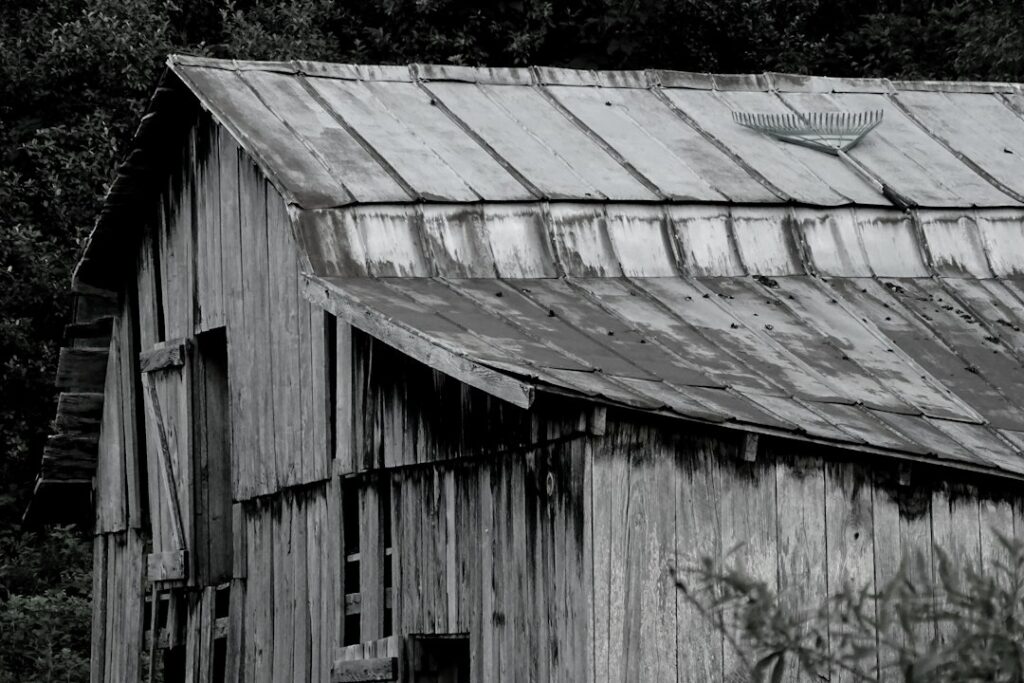
After a heavy Front Range snowstorm, the snow on the roof can stay put long after the driveway has been cleared. On many houses that roof snow does no harm and simply melts or slides off over the following days. On others, it feeds ice dams at the eaves, drips onto walkways and refreezes, or, in rare cases with very heavy wet snow and drifting, adds more weight than the roof framing was designed to carry. A roof rake is a long-handled tool that lets a person standing on the ground pull snow off the lower part of a roof. Used properly, it is one of the safer ways to manage roof snow because nobody has to climb onto an icy roof. Used carelessly, it can damage shingles and gutters, bring an avalanche of snow down on the operator, or put an aluminum pole in contact with a power line. This guide explains when raking helps, how to do it safely, and when to call a professional.
Part of our Structure & Exterior guide — start there for the full picture →
Roof damage or a roof replacement? Get a local roofer on the phone.
📞 Call (833) 850-2469What a Roof Rake Is and When It Helps
A roof rake is essentially a wide, shallow blade mounted on a telescoping or sectional pole, often extending to 16 to 21 feet or more. The operator stands on the ground, reaches the blade up past the eave, and pulls snow down toward the edge. Some models add rollers or small wheels that keep the blade slightly above the shingles, and others use a slide-style design in which a frame cuts into the snow and a fabric chute carries it to the ground.
Raking is most useful in a few situations:
- Reducing ice dams. Clearing the bottom few feet of the roof removes the snow that would otherwise melt over the warm part of the roof and refreeze at the cold eave.
- Limiting drips and icicles over walkways, doors and decks, where refreezing meltwater creates slip hazards.
- Lightening an unusual load on a low-slope roof, a porch roof or an addition where snow drifts and accumulates.
- Keeping snow off vulnerable features such as low skylights or a roof-to-wall intersection that has leaked before.
Raking is not necessary after every storm. Many Front Range roofs shed snow on their own within a few sunny days, and a roof in good condition with adequate insulation and ventilation may never need it. Raking is a targeted tool, not routine winter maintenance.
Choosing a roof rake
A few features make a noticeable difference in daily use. Reach comes first: measure from where you will stand to a point a few feet above the eave, keeping in mind that you will want to stand well back from the drip line, so the pole usually needs to be longer than the eave height suggests. Sectional poles that lock firmly are easier to control than flimsy telescoping ones. A blade with rollers, bumpers or a small gap below the edge helps keep it off the shingles. Pole material matters near any overhead wires, and a fiberglass or composite pole is the more cautious choice. Weight matters too, since a heavy rake held overhead for half an hour is tiring and harder to control. Storage is a final consideration; a rake that breaks down into short sections is easier to keep in the garage where it will actually be found during a storm.
Snow Loads: How Much Weight Is Too Much?
The weight of snow varies enormously with its water content. FEMA’s Snow Load Safety Guide (FEMA P-957) states that the weight of one foot of fresh snow ranges from about 3 pounds per square foot for light, dry snow to 21 pounds per square foot for wet, heavy snow, and that one inch of ice weighs a little less than 5 pounds per square foot. That range explains why a foot of Colorado powder is rarely a structural concern while the same depth of spring snow, which is often wet and heavy, can be much more significant. Roofs are designed for a local snow load set by the building code, and our guide to roof snow load explains how that design value works and what affects it.
FEMA cautions that roof snow loads differ from ground snow because of melting and refreezing, drifting, roof slope and other factors, so measuring snow on the ground and assuming the roof carries the same load is incorrect. Drifts against a taller wall, valleys and lower roofs below a higher roof tend to collect far more snow than open roof areas.
Warning signs of overstress
FEMA P-957 lists warning signs that a roof structure may be overstressed during a snow event. Those relevant to houses include sagging roof members or sheathing, popping, cracking and creaking noises, doors and windows that can no longer be opened or closed, cracked or split wood members, and cracks in walls or masonry. The guide’s advice is unambiguous: if there is any concern that snow loads may cause a collapse, cease all removal activity and evacuate the building. In that situation, the next call is to a structural engineer or experienced contractor, not a trip to the hardware store for a rake.
Best Roof Rake: our top 3 picks
| Product | Best for | Key features | Price | Buy |
|---|---|---|---|---|
| Avalanche SnowRake Deluxe 20 | Best overall for shingle roofs |
| — | Buy now →Check current price |
| Snow Joe RJ204M | Best lightweight telescoping rake |
| $58.47as of Oct 28, 2026 10:23 am GMT+0000 | Buy now →Check current price |
| Leanaco foam rake | Best for solar panels |
| $93.99as of Oct 28, 2026 10:23 am GMT+0000 | Buy now →Check current price |
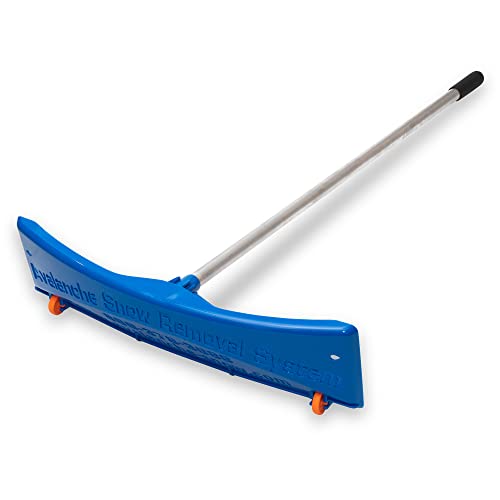


Prices are Amazon’s listed prices as of the time shown and change often; check Amazon for today’s price. As an Amazon Associate we earn from qualifying purchases.
Ice Dams and Why Raking Only Treats the Symptom
Ice dams form when heat escaping from the living space warms the roof deck, melting snow on the upper roof. The meltwater runs down to the colder overhang at the eave, where it refreezes into a ridge of ice. More meltwater then backs up behind that ridge and can seep under shingles into the roof sheathing, insulation, ceilings and walls. FEMA P-957 describes the same process and notes that ice dams also create a concentrated load at the eaves and reduce a sloped roof’s ability to shed snow.
Pulling snow off the lower roof removes the supply of snow that would melt and feed the dam, which is why raking after a storm can prevent or limit damage. It does not fix the cause. Long-term solutions focus on keeping the roof deck cold: sealing air leaks from the house into the attic, adding insulation and making sure the attic is properly ventilated. Our guides to ice dams and attic ventilation explain how those fixes work. Homes that need repeated raking every winter are usually telling their owners something about the attic.
Snow guards and sliding snow
Metal roofs and steep roofs can release snow suddenly in large slabs. On those roofs, raking can trigger a slide, and many owners install snow guards to hold snow in place so it melts gradually instead of crashing onto walkways, decks or vehicles. The snow guards guide covers how they work and where they are most useful. A roof with snow guards generally should not be raked in a way that fights the guards.
Staying Off the Roof: Fall and Ladder Hazards
The main safety benefit of a roof rake is that it keeps people on the ground. OSHA’s hazard alert on snow removal from rooftops, written for employers, states that based on its investigations, falls cause the most worker fatalities and injuries during rooftop snow removal, and that workers may fall off roof edges, through skylights and from ladders and aerial lifts. The alert describes a worker who fell from a 12-foot aluminum ladder while trying to clear snow from a low-slope roof about 10 feet above the ground and died several days later.
OSHA’s recommendation is to use methods that clear snow and ice without going onto the roof whenever possible, including using snow rakes or drag lines from the ground. It also specifically warns that workers should not use a snow rake or shovel while standing on a ladder, because doing so greatly increases the risk of losing balance and falling. Those points apply just as much to homeowners: a snowy, icy roof is far more slippery than it looks, skylights can be hidden under snow, and a ladder footed on ice can slide out.
Snow falling on the operator
Snow rarely comes down politely. FEMA P-957 advises that when using a non-metallic snow rake, the operator should be aware that roof snow can slide at any moment and should keep a safe distance from the eave to remain outside the sliding range. OSHA’s hazard alert adds that small amounts should be removed at a time to avoid strain and avoid being hit or buried by falling snow. FEMA also warns to watch for dislodged icicles, noting that an icicle falling from a short height can still cause damage or injury. Practical habits include:
- Working from the side of the falling snow rather than directly under the eave.
- Pulling a few feet at a time rather than trying to bring down the whole slope at once.
- Keeping children, pets and other people well clear of the drop zone.
- Watching footing, since snow pulled off the roof piles up quickly and hides ice underneath.
- Taking breaks; pulling snow overhead is strenuous work, especially at altitude and in the cold.
Power Lines and Electrical Hazards
Many roof rakes have aluminum poles, which conduct electricity. The service drop that carries power from the utility pole to the house usually attaches near the roofline, and in some neighborhoods distribution lines run close to houses. OSHA’s hazard alert tells workers to treat power lines and other conductors as energized even if they are down or appear insulated, to maintain at least 10 feet from any power line, and, when using snow rakes, to use extendable nonconductive poles and assign someone to watch the distance between the rake and overhead lines.
For homeowners, the practical rules are straightforward. Locate the service drop and any nearby lines before starting. Do not rake near them. If snow on the service mast or lines is a concern, contact the utility rather than trying to clear it. A rake with a nonconductive fiberglass or composite pole reduces, but does not eliminate, the risk, since wet or dirty poles can still conduct.
Protecting Shingles, Gutters and Roof Features
A roof rake that scrapes aggressively can do its own damage. FEMA P-957 recommends using a non-metallic snow rake for steep slopes where possible, notes that metal snow rakes can damage roofing material and should be avoided, and advises against sharp tools such as picks. Its snow removal guidance also warns that removing snow completely from a roof surface can seriously damage the roof covering and recommends leaving at least 2 inches of snow on the roof. Common ways a rake damages a home include:
- Torn or lifted shingles. Cold asphalt shingles are brittle, and a blade dragged against the grain can catch shingle edges or crack tabs.
- Scraped granules. Repeated scraping can strip protective granules, shortening shingle life.
- Bent gutters and loose hangers. Pulling heavy snow over the gutter edge, or hooking the gutter with the blade, can bend the gutter or pull its fasteners out of the fascia.
- Damaged vents, flashing and satellite dishes hidden under snow.
- Broken icicles and ice chunks falling onto windows, railings and cars below.
Pulling straight down the slope, using a blade with rollers or spacers, and leaving a thin layer of snow on the shingles all reduce the risk. Raking is best kept to the lower few feet of the roof that matter for ice dams and drips. Chopping at ice dams with a rake handle, hatchet or other tool is a reliable way to damage both shingles and gutters and is generally not recommended.
When to Hire a Professional
FEMA P-957 states that snow removal should be performed by a licensed, insured professional roofing contractor with experience removing snow from roofs, and highly recommends using one because of the contractor’s familiarity with safety protocols. That advice is aimed at larger buildings, but it makes sense for homeowners in several cases:
- Two-story eaves or roof areas that cannot be reached from the ground.
- Active ice dams that are already leaking into the house.
- Power lines near the area that needs clearing.
- Any sign of structural stress, such as sagging, cracking sounds or doors that suddenly bind.
- Low-slope or flat roofs with heavy drifts.
Some contractors use low-pressure steam to cut channels through ice dams, which is far less damaging than chipping. After a large snow event, FEMA suggests inspecting the roofing for damage and, after particularly large events, taking a quick look at the structure as well.
Typical Costs
As a rough 2026 guide, and with wide variation by brand, length and region:
- Basic roof rakes with aluminum poles are often available for well under a hundred dollars at home centers.
- Heavier-duty rakes with longer reach, rollers, fiberglass or composite poles, or slide-style chutes typically cost more, sometimes into the low hundreds of dollars.
- Professional roof snow removal is usually priced by the hour or by the job and depends on roof size, height, access and urgency. Emergency service during or right after a major storm commonly costs more.
- Ice dam steaming is typically a separate service with its own hourly or per-job pricing.
- Repairs caused by ice dams, such as stained ceilings, wet insulation and damaged drywall, can easily cost more than years of preventive raking or attic improvements.
What a Home Inspector Looks For
Home inspectors evaluate the roof covering, flashing, gutters and visible attic framing, and they often find the aftermath of past winters: water stains at exterior walls and ceiling corners, damaged shingles along eaves, bent gutters, missing hangers, inadequate attic insulation, signs of attic frost or moisture, and ventilation problems. Those observations can point to a history of ice dams even when the inspection happens in summer. Inspectors generally do not walk on snow-covered or icy roofs and may inspect from the ground or with a drone in winter conditions, noting any limitations in the report.
Roof, gutter and attic findings are covered in our structure and exterior inspections section. The main guide to hiring a home inspector explains how to choose an inspector and what a standard inspection includes. For walks and steps that ice up below the eaves, see our companion guide to ice melt.
References
- Snow Load Safety Guide (FEMA P-957) — Federal Emergency Management Agency
- Falls and Other Hazards to Workers Removing Snow from Rooftops and Other Elevated Surfaces — Occupational Safety and Health Administration
- Winter Weather: Hazards and Precautions — Occupational Safety and Health Administration
Frequently asked questions
Does a roof rake damage shingles?
It can, especially if a metal blade is scraped hard against cold, brittle shingles. FEMA recommends non-metallic rakes and advises against sharp tools. Pulling gently down the slope and leaving a thin layer of snow reduces the risk.
How much of the roof should be raked?
For ice dam prevention, clearing the lower few feet of the roof above the eaves is usually the goal. Trying to clear the entire slope from the ground is harder, riskier and often unnecessary.
Can a roof rake be used from a ladder?
OSHA warns that using a snow rake or shovel while on a ladder greatly increases the risk of losing balance and falling. Roof rakes are designed to be used from the ground.
Is roof raking safe near power lines?
OSHA advises staying at least 10 feet from power lines and treating them as energized. Many rakes have conductive aluminum poles, so avoid raking near the service drop and call the utility if lines are a concern.
How much does a roof rake cost?
Basic models are often well under a hundred dollars, while heavier-duty or nonconductive models can reach the low hundreds. Professional snow removal is priced separately by job or hour. These are general 2026 ranges.
Worried that stains near the eaves of a house you are buying point to past ice dams? Get in touch and we can connect you with a Front Range inspector who looks closely at roofs, gutters and attics.