Roof Boots: Pipe Boot Leaks, Cracked Collars and Replacement

Every plumbing vent that pokes through a roof needs a seal where the pipe meets the shingles. That seal is usually a roof boot, sometimes called a pipe boot, pipe jack or vent collar. It is a small, inexpensive part, yet it is one of the most common sources of roof leaks in otherwise sound roofs. Roof boots combine a flat flashing base that tucks under the shingles with a flexible or formed collar that hugs the pipe. When the collar cracks or the base is installed wrong, water follows the pipe straight into the attic. On the Colorado Front Range, intense high-altitude sun, big temperature swings and hail all shorten the life of these parts. This guide explains how roof boots work, the materials used, how failures show up inside the house, repair options, what inspectors look for, and typical costs.
Part of our Structure & Exterior guide — start there for the full picture →
Roof damage or a roof replacement? Get a local roofer on the phone.
📞 Call (833) 850-2469What Roof Boots Do and Why They Fail
Plumbing drains need air to flow smoothly, so a house’s drain system connects to one or more vent pipes that exit through the roof. The plumbing vent stack guide explains how that system works. Where the vent pipe passes through the roof deck, it leaves a hole that must be sealed against rain, snowmelt and wind-driven water.
A roof boot handles that job in two parts:
- The flashing base. A flat plate, usually galvanized steel, aluminum, plastic or lead, sits on the roof deck. Its upper portion slides under the shingle course above, and its lower portion lies on top of the shingles below, so water flowing down the roof is shed over the base rather than under it.
- The collar. A rubber, neoprene, EPDM, silicone or soft metal sleeve wraps the pipe tightly, keeping water from running down the outside of the pipe and into the hole.
The base is usually the more durable part. The collar takes the abuse. Rubber and neoprene collars are exposed to direct sunlight for their entire life, and ultraviolet light gradually breaks down many elastomers. The material hardens, shrinks and eventually splits, often starting on the south- or west-facing side of the collar where sun exposure is strongest. Once a crack opens where the collar meets the pipe, water runs down the pipe and into the attic with every storm.
Many roofers report that rubber boot collars wear out before the shingles around them, especially on asphalt roofs with long rated lifespans. That mismatch is why boots are a frequent repair item on roofs that otherwise look fine from the street.
Roof Boot Materials and How They Hold Up in Colorado
Several styles of roof boots are common on Front Range homes. Each has strengths and weaknesses in a high-UV, freeze-thaw climate.
Rubber or Neoprene Collar with Metal or Plastic Base
This is the most widely installed style on newer asphalt-shingle roofs because it is inexpensive and fast to install. The collar often has cut-to-fit rings so one boot fits several pipe sizes. The downside is that the collar is the weakest link. At Colorado elevations, where sun exposure is intense and winter-to-summer temperature swings are large, rubber collars may harden and crack sooner than they would in milder climates. Plastic bases can also become brittle and crack, particularly if stepped on or hit by hail.
Silicone or EPDM Premium Boots
Some manufacturers offer collars made from silicone or EPDM blends marketed as more UV-resistant than standard neoprene. These generally cost more and are often chosen when a roof is being replaced. Real-world lifespan depends on product quality and installation, so manufacturer warranty terms are a useful comparison point.
Lead Boots
Traditional lead boots are a soft lead sheet base with a lead sleeve that rises above the pipe. The top of the sleeve is folded or rolled down into the open end of the pipe, which seals the gap without any rubber. Lead does not degrade from sunlight the way rubber does, and well-installed lead boots can last a long time. The trade-offs are cost, weight, and the fact that lead is soft and can be dented by hail or damaged by animals.
Lead is also a toxic metal. The U.S. Environmental Protection Agency describes lead as harmful if inhaled or swallowed and toxic to humans and animals. Roofers handling lead boots generally wear gloves and wash up afterward, and homeowners should avoid sanding, cutting or scraping lead flashing themselves.
Lead-Free Metal and Painted Boots
Lead-free alternatives made from aluminum, copper or coated steel mimic the roll-in design of lead boots or use a fixed metal collar with a storm cap. Some homeowners paint boots to match shingles, which can help appearance and, on some materials, protect against UV, though paint does not repair a cracked collar.
Repair Sleeves and Retrofit Collars
Retrofit products slip over an existing boot and pipe, adding a new rubber or silicone collar without removing shingles. They can be a reasonable short-term fix when the base is intact and only the collar has failed. Results vary, and some roofers prefer full replacement because a retrofit cannot fix a cracked base, poor shingle integration or nail holes around the old boot.
Best Roof Boots: our top 3 picks
| Product | Best for | Key features | Price | Buy |
|---|---|---|---|---|
| HNF 14136 Rain Collar 2-Pack | Fixing a cracked boot collar |
| $9.99as of Oct 28, 2026 6:38 pm GMT+0000 | Buy now →Check current price |
| Oatey Retro Master 14049 | Shingle-roof pipe replacement |
| $36.52as of Oct 28, 2026 6:38 pm GMT+0000 | Buy now →Check current price |
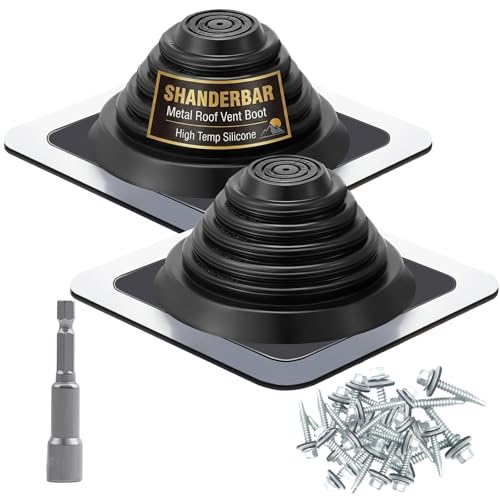
| SHANDERBAR Metal Roof Boot 2-Pack | Plumbing vents on metal roofs |
| $25.99as of Oct 28, 2026 6:38 pm GMT+0000 | Buy now →Check current price |


Prices are Amazon’s listed prices as of the time shown and change often; check Amazon for today’s price. As an Amazon Associate we earn from qualifying purchases.
Animal Damage to Lead Boots
Lead boots have a known vulnerability that surprises many homeowners: animals. Squirrels and other rodents are commonly reported to chew the soft lead sleeve, and some roofers believe the habit is related to keeping teeth worn down, though the exact reason is not well documented. Birds may also peck at soft flashing. Chewed boots can leave a torn or perforated sleeve that lets water in, and the damage is often hard to see from the ground.
Mature trees overhanging the roof make animal access easier, and many older neighborhoods in Denver, Boulder and Fort Collins have large canopy trees close to the house. Common responses include trimming branches back from the roof, installing pipe caps or metal guards, or switching to lead-free metal boots that rodents are less inclined to chew. Wildlife exclusion is a separate trade; a roofer can replace damaged boots, while a pest or wildlife professional can address the animals themselves.
Signs of a Leaking Roof Boot
Boot leaks often start small and stay hidden for a long time because the water follows the pipe down into the attic and soaks insulation before anything shows on a ceiling. Common clues include:
- A stain on the ceiling below a bathroom, kitchen or laundry area. Vent pipes usually rise near plumbing fixtures, so stains often appear in nearby rooms or hallways. The ceiling water stain guide explains how to read stain patterns and tell roof leaks from plumbing leaks.
- Wet or compressed insulation around a vent pipe in the attic. Darkened sheathing or rusty nail tips around the pipe penetration are also signs.
- Water stains or mold growth on the roof deck near the pipe. Staining that radiates from the pipe hole is a strong indicator.
- Drips that only appear during wind-driven rain or rapid snowmelt. Intermittent leaks often point to a boot or flashing detail rather than a field shingle failure.
- Visible cracking, gaps or missing pieces on the collar. Binoculars from the ground or a drone photo can reveal a split collar without anyone walking the roof.
Not every leak near a vent is the boot. Shingle damage, failed step flashing, ice dams and condensation from bathroom exhaust ducts can all produce similar stains. The roof leak guide covers how to trace a leak to its source.
Boots on Exhaust Vents, Fans and Other Penetrations
Plumbing vents are the classic location, but similar boots and collars seal many other penetrations: bathroom and kitchen exhaust terminations, radon mitigation pipes, furnace and water heater flues (which require appropriate clearance and fire-rated components), and some electrical service masts. Static roof vents, turbines and powered attic fans use their own integrated flashing flanges rather than a boot, but they face the same weathering and installation issues. The roof vent types guide covers the different vent styles, and the attic ventilation guide explains why balanced intake and exhaust matters for both the roof and the boots.
Exhaust ducts that are disconnected or terminate in the attic instead of through a roof cap can leave moisture that mimics a boot leak. That is one reason an attic inspection is part of diagnosing any stain near a vent.
Boots are one type of flashing. Chimneys, walls, skylights and valleys use step flashing, counterflashing and other details. The roof flashing guide explains how those systems fit together.
Hail, Wind and Front Range Weather
The Front Range sits in one of the most active hail regions in the United States. Hail can dent soft lead boots, crack plastic bases and split aged rubber collars that were already brittle. After a significant hailstorm, boots and other penetrations are part of what an adjuster or roofer typically documents, alongside the shingles and gutters. The hail damage roof guide explains what adjusters look for and how claims usually work.
Wind is the other factor. Chinook and downslope winds along the foothills can drive rain sideways and lift shingle edges around a boot, exposing the upper part of the flashing base. Heavy snow followed by fast melts can also stack water against the uphill side of a pipe. A boot that was installed with its upper edge on top of the shingles, rather than tucked under them, may leak in these conditions even if the collar is intact.
Repair vs Replacement
The right fix depends on what failed and how the boot was installed.
- Collar cracked, base intact and properly integrated: a retrofit sleeve may buy time, though many roofers still recommend full replacement for durability.
- Base cracked, rusted or improperly lapped: the boot generally needs replacement. That involves carefully lifting the shingles above the boot, removing nails, sliding out the old boot, installing a new one with its upper flange under the shingles, and resealing the shingle tabs.
- Sealant smeared around the collar: caulk and roofing cement are common temporary patches, but they also degrade in sun and can trap water. A boot that is mostly sealant usually signals that replacement is overdue.
- Pipe too short or damaged: sometimes the vent pipe itself needs extending or repair before a new boot can seal properly.
On older roofs near the end of their life, replacing boots individually may not be worth it if a full reroof is coming soon. Conversely, when a new roof is installed, upgrading all boots at the same time is common, since the labor to integrate them is already being done. Asphalt roofs on the Front Range usually get new boots as part of a full replacement; the asphalt shingles guide covers how shingle roofs are typically assembled.
Roof Safety Before Anyone Climbs Up
Many boot problems are visible from the ground with binoculars, and that is the safest place for most homeowners to stay. Falls from roofs and ladders are a serious hazard. OSHA describes falls as among the most common causes of serious work-related injuries and deaths, and requires fall protection in construction work at elevations of six feet. OSHA’s ladder safety booklet states that falls are the leading cause of death in construction and that falls from ladders make up nearly a third of those deaths. It recommends extending a ladder at least 3 feet above the landing point when using it to reach another level, maintaining three points of contact, and never working from the top rung.
Steep pitches, frost, morning dew, loose granules and hail-damaged shingles all make roofs slippery. Walking on a roof can also crack brittle boots and shingles. Hiring a roofer with appropriate safety equipment is the reasonable choice for most repairs.
A Simple Seasonal Check From the Ground
Because boot failures tend to develop slowly, a quick look twice a year catches many of them before ceilings stain. Late spring, after hail season begins, and early fall, before snow, are convenient times on the Front Range.
- Count the vent pipes on the roof so missing or hidden ones are not overlooked.
- Use binoculars to look at each collar for splits, gaps, hardened edges or heavy caulk patches.
- Check lead sleeves for tears, chew marks or a top edge that has pulled out of the pipe.
- From the attic, with a flashlight, look at the underside of the deck around each pipe for staining, damp insulation or rusty nails.
- Photograph anything questionable and share the images with a roofer for an opinion.
Dated photos also help if a later insurance claim or sale requires showing when a problem started.
What a Home Inspector Checks
The American Society of Home Inspectors (ASHI) Standard of Practice requires inspectors to inspect roofing materials, roof drainage systems, flashing, and skylights, chimneys and roof penetrations, and to describe the methods used to inspect the roofing. The standard does not require inspectors to perform procedures or enter areas that, in their professional judgment, would likely be dangerous. That is why some reports note that a roof was viewed from a ladder, with binoculars or by drone rather than walked.
Roof boot findings often appear as cracked or deteriorated collars, exposed nails, sealant-patched boots, boots installed over rather than under shingles, chewed lead sleeves, or staining at a vent pipe in the attic. A report that flags boots usually recommends evaluation and repair by a qualified roofer. The structure and exterior inspection hub covers what exterior inspections include, and the guide to hiring a home inspector explains how to choose one. For pricing on a standalone roof evaluation, see the roof inspection cost guide.
Roof Boot Replacement Costs
These are general industry estimates for planning, not quotes, and Front Range prices vary with season, roof pitch, access and storm demand.
- Boot parts: basic rubber-collar boots are often inexpensive, roughly $10 to $30, while premium silicone, lead or copper boots can cost considerably more.
- Retrofit repair sleeve: often a modest part cost, with installation typically part of a short service call.
- Single boot replacement by a roofer: commonly in the range of roughly $150 to $400, depending on minimum service charges, pitch and shingle condition.
- Multiple boots in one visit: usually lower per-boot cost, since setup and travel are shared.
- Interior repairs: drywall patching, stain sealing and insulation replacement from a long-running leak can cost more than the boot itself.
Hail-related boot damage is sometimes included in an insurance claim along with other storm damage, subject to the policy and deductible.
References
- ASHI Standard of Practice for Home Inspections — American Society of Home Inspectors
- Fall Protection — Occupational Safety and Health Administration
- Falling Off Ladders Can Kill: Use Them Safely (OSHA 3625) — Occupational Safety and Health Administration
- Learn About Lead — U.S. Environmental Protection Agency
Frequently asked questions
What is a roof boot?
A roof boot is a flashing collar that seals the gap where a plumbing vent or other pipe passes through the roof. It has a flat base that tucks under the shingles above and a rubber, plastic or metal collar that wraps the pipe to keep water out.
How long do roof boots last?
Lifespan varies with material and exposure. Rubber and neoprene collars often wear out before the surrounding shingles, especially under intense Colorado sun. Lead and metal boots usually last longer but can be dented by hail or chewed by animals.
Can a cracked roof boot be repaired without replacing it?
Retrofit sleeves can slip over a pipe and add a new collar when the base is still sound. They are a reasonable short-term option, but many roofers prefer full replacement because a sleeve cannot fix a cracked base or poor shingle integration.
Why do squirrels chew lead roof boots?
Rodents are commonly reported to chew soft lead sleeves, and the exact reason is not well documented. Trimming branches back from the roof, adding guards or caps, or switching to lead-free metal boots are common ways to reduce damage.
How much does it cost to replace a roof boot?
Basic boot parts are often inexpensive, while a roofer's visit to replace one boot commonly runs roughly $150 to $400 depending on pitch and minimum charges. Replacing several in one visit lowers the per-boot cost.
Spotted a stain near a bathroom vent or a cracked collar from the driveway? Contact our team to be matched with a Front Range inspector who checks roof penetrations, flashing and the attic below.