Mold On Roof: What Homeowners Need to Know
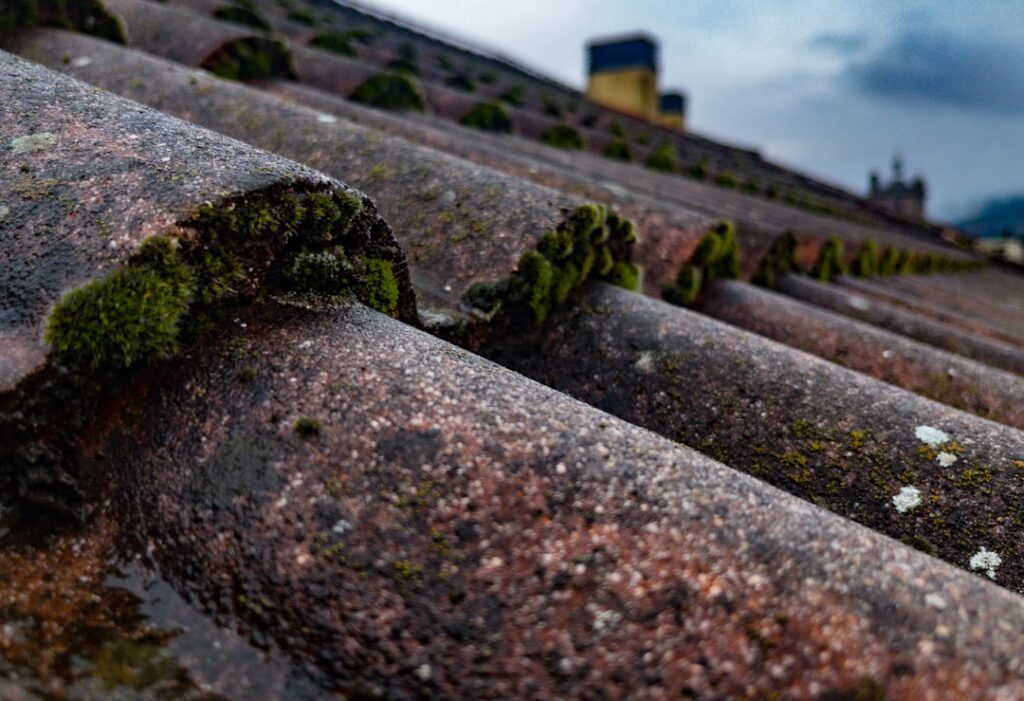
Dark streaks and patches on a roof prompt a lot of worried searches about mold on roof shingles, but the story is more nuanced than it looks from the driveway. Much of what homeowners call roof mold is actually algae or moss, while true mold growth more often signals a moisture or ventilation problem that may extend into the attic and the living space below. Telling these apart, and knowing which ones threaten your home, is the first step. This guide summarizes EPA and CDC guidance current as of 2026 for general education only and is not a diagnosis. For interior growth or health concerns, consult a certified professional and your physician.
Is this mold, asbestos, or water damage? Get a free instant screen
Upload a clear photo of the suspect area. You'll get an instant AI screening opinion and what to do next. This is screening guidance, not a professional determination.
Screening guidance only. AI can be wrong. Confirm asbestos, mold type, or lead with lab testing or a licensed professional before acting.
Is It Really Mold on the Roof?
The dark stains streaking down many asphalt-shingle roofs are most commonly a blue-green algae, often Gloeocapsa magma, not mold. It feeds on the limestone filler in shingles and spreads as unsightly black or gray streaks, especially on north-facing and shaded slopes that stay damp longer. Moss is the other frequent roof growth, appearing as raised green clumps that hold moisture against the shingles and can lift their edges over time.
True mold and mildew can grow on a roof surface where organic debris, shade, and persistent dampness combine, but the bigger mold concern is usually not the exterior shingles at all. It is what the roof condition signals about moisture reaching the attic and ceilings inside. A roof that holds moisture, leaks, or sits over a poorly ventilated attic creates exactly the indoor conditions where mold grows on framing, sheathing, and ceilings. So while the streaks outside are often cosmetic algae, they can be a clue worth following indoors.
Why Roof Moisture Leads to Indoor Mold
The EPA’s core message about mold applies here: mold needs moisture, a food source, and time. A roof problem supplies moisture to the parts of the home most able to grow mold. A leak, whether from damaged shingles, failed flashing, ice dams, or worn underlayment, lets water into the attic and down into ceilings and walls, where wood and drywall feed mold growth. Poor attic ventilation traps warm, humid air against the cold underside of the roof deck in winter, condensing moisture that soaks the sheathing and framing.
In Front Range homes, snow load and ice dams are a seasonal driver. When attic heat melts snow that refreezes at the cold eaves, water can back up under shingles and into the roof structure. Inadequate attic insulation and ventilation make this worse. The result is often mold discovered later on attic sheathing or as a stain spreading across an upstairs ceiling, which ties directly to our guide on removing mold from a painted ceiling.
How to Tell Algae, Moss, and Mold Apart
From the ground, use color and texture as clues. Algae appears as flat black or dark gray streaks running down the slope, usually with no thickness. Moss forms raised, fuzzy green clumps that you can see standing proud of the shingle surface. Mold and mildew on a roof tend to look like patchy discoloration in consistently damp, shaded, debris-laden areas and may carry a musty smell up close.
Inside the attic, the picture is clearer and more important. Look for dark staining or fuzzy growth on the underside of the roof deck and on rafters, water stains, a musty smell, damp or compressed insulation, and rusty nail tips that indicate condensation. The CDC notes that for cleanup decisions the size of affected area matters more than species, so attic growth should be assessed for extent rather than identified by eye. Any of these attic signs warrants attention regardless of what the exterior streaks turn out to be.
Why Attic Ventilation Matters So Much
The single most important roof-related factor for indoor mold is often invisible from outside: how well the attic breathes. An attic is designed to stay close to the outdoor temperature, with intake vents low at the eaves or soffits and exhaust vents high at the ridge, so air flows continuously through the space and carries moisture out. When that airflow is blocked, by insulation stuffed over the soffit vents, by a ridge vent that was never installed, or by bathroom and dryer ducts that dump warm humid air into the attic instead of outside, moisture accumulates. In winter that moisture condenses on the cold underside of the roof deck and feeds mold on the sheathing and rafters; in any season it keeps the structure damp enough for growth.
Insulation plays a paired role. Adequate, properly placed attic insulation keeps household heat from warming the roof deck, which on a Front Range home is what melts snow that then refreezes at the cold eaves and forms ice dams. Those dams back water up under the shingles and into the roof structure, a classic source of attic and upper-ceiling mold here. Balancing insulation that holds heat in the living space with ventilation that keeps the attic cold and dry is the combination that prevents most roof-driven moisture problems, and it is why an attic that looks fine from the yard can still be quietly growing mold overhead.
Cleaning Growth on Roof Shingles Safely
Cleaning a roof is genuinely hazardous work, and falls are a serious risk; many homeowners are better served hiring a professional roof-cleaning service rather than climbing up themselves. If exterior algae or light growth is addressed, the accepted approach is a gentle low-pressure or no-pressure cleaning with an appropriate cleaning solution, never a high-pressure washer, which strips the protective granules from asphalt shingles and shortens their life.
Avoid harsh techniques and never mix cleaning chemicals. Many roofing manufacturers and trade groups recommend specific cleaners and caution against pressure washing, so follow shingle-manufacturer guidance to avoid voiding warranties. To prevent algae from returning, zinc or copper strips installed near the ridge release trace metals that inhibit growth as rain washes over the roof. Trimming overhanging branches to reduce shade and clearing debris from the roof and gutters keeps the surface drier and less hospitable to all three: algae, moss, and mold.
It is worth keeping the cosmetic and structural questions separate. Algae streaks are primarily an appearance issue and, while persistent, rarely threaten the home if the roof is otherwise sound. Moss is a step more concerning because its clumps hold water against the shingles and can lift their edges, gradually shortening the roof’s life and creating entry points for leaks. True mold, whether on the exterior or in the attic, points to a moisture problem that deserves the most attention because it can affect the structure and the air inside. Spending heavily to scrub cosmetic algae while ignoring an attic that smells musty would be backwards; the priority order runs from indoor moisture and leaks first, to moss that endangers the shingles next, to cosmetic algae last.
Gutters, Debris, and Drainage
A surprising amount of roof-related growth, and the moisture that drives it, traces back to how well water leaves the roof. Clogged gutters back water up under the lower courses of shingles and let it overflow against the fascia and into the soffit, soaking the very areas where attic ventilation enters. Debris that collects in roof valleys and behind chimneys or dormers holds moisture against the shingles, creating the persistent dampness that algae, moss, and mold all favor. Keeping gutters clear, ensuring downspouts carry water several feet from the foundation, and clearing accumulated leaves and needles from the roof surface each season removes one of the most common contributors to both exterior growth and interior moisture.
Overhanging trees compound the problem in two ways: they drop the debris that traps moisture, and they cast the shade that keeps shingles damp longer after rain or snow. Trimming branches back from the roof reduces both, letting the surface dry faster and shedding less organic material onto it. For Front Range homes, where heavy snow loads and freeze-thaw cycles already stress the roof edge, free-flowing gutters and clear valleys are especially important, because anything that holds meltwater at the eaves feeds the ice dams that push water under the shingles and into the structure.
Addressing Mold Inside From a Roof Problem
When the real issue is moisture reaching the attic or ceilings, exterior cleaning solves nothing. The leak or ventilation problem must be corrected. That means repairing damaged shingles, flashing, or underlayment, improving attic ventilation and insulation to stop condensation, and addressing ice-dam conditions at the eaves. The EPA recommends keeping indoor relative humidity below 60 percent and emphasizes that controlling moisture is the heart of mold control.
For attic mold itself, small areas on hard framing can sometimes be cleaned with detergent and water by a homeowner wearing an N95 respirator, gloves, and eye protection, with the area ventilated. But attics with extensive growth, contaminated insulation, or mold on porous sheathing usually require professional remediation, since the EPA points to professional help for areas larger than about ten square feet. The broader question of how mold spreads through a home and when to test is covered in our mold inspection and testing hub.
Inspecting the Attic for Roof-Driven Mold
Since the most consequential roof mold often hides in the attic, knowing how to inspect that space turns a vague worry into a clear answer. Choose a dry day, bring a strong flashlight, and wear an N95 respirator and gloves since attic air can carry dust and spores. Scan the underside of the roof deck and the rafters for dark staining or fuzzy growth, paying special attention to the north-facing slope, the eaves, and any spot beneath a roof penetration like a vent or chimney where flashing can leak. Water stains, a musty smell, damp or matted insulation, and rusty nail tips poking through the deck all indicate moisture has been condensing or leaking there.
Look also at how the attic breathes and where moisture is being added. Confirm that soffit or eave vents are not blocked by insulation and that a ridge or roof vent provides an exit path. Trace the bathroom exhaust and dryer ducts to make sure they exit through the roof or a wall rather than dumping warm, humid air into the attic, a surprisingly common defect that single-handedly causes roof-deck mold. Finding any of these conditions tells you the problem is a ventilation or leak issue to correct at the source, not something a roof wash will ever fix, and it gives a contractor a precise starting point.
When to Call a Professional
Bring in professionals for any roof work involving heights and for interior mold beyond a small patch. A qualified roofer can find and repair leaks and ventilation problems, while a remediation contractor can address attic and ceiling mold with proper containment. People with asthma, allergies, or weakened immune systems should not disturb mold themselves, per the CDC. For Front Range homeowners, the combination of snow, ice dams, and attic ventilation issues makes professional evaluation especially worthwhile when interior staining or musty attic odors appear. Catching a roof-driven moisture problem early keeps it from becoming widespread structural mold.
It also helps to coordinate the right trades, since roof-driven mold usually involves more than one specialty. A roofer addresses the shingles, flashing, and any leak; an insulation or weatherization contractor corrects the attic ventilation and insulation imbalance that causes condensation and ice dams; and a remediation professional handles attic or ceiling mold beyond a small patch. Tackling only the visible mold while leaving the leak or ventilation defect in place is the classic reason the problem returns. Sequencing the work, stopping the water and fixing the airflow first, then remediating the growth, ensures the repair holds rather than becoming a recurring seasonal expense.
References
- A Brief Guide to Mold, Moisture and Your Home — U.S. Environmental Protection Agency
- Mold Cleanup in Your Home — U.S. Environmental Protection Agency
- About Mold and Your Health — Centers for Disease Control and Prevention
If roof streaks coincide with musty attic odors or a ceiling stain in your Front Range home, a vetted local inspector can tell cosmetic algae from a moisture problem; get in touch through our contact page for a referral.