TPO Roofing: How It Works, Lifespan and Costs
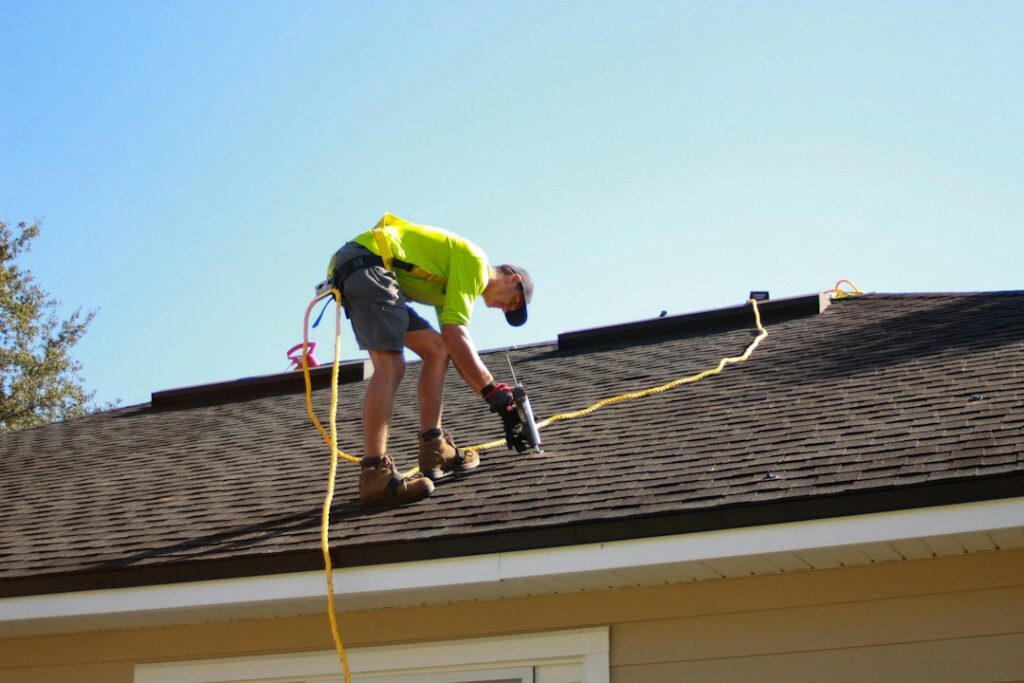
Look down from a tall building almost anywhere and you will see bright white roofs on warehouses, offices and apartment buildings. Many of those are covered with TPO roofing, a single-ply membrane that has become one of the most common choices for low-slope roofs. It is increasingly showing up on houses too, especially over additions, porches, garages, dormers and modern homes with flat or nearly flat roof lines. For buyers and homeowners along the Colorado Front Range, TPO raises practical questions: how it is installed, how it handles intense sun and hail, how it compares with EPDM rubber and modified bitumen, how long it lasts and what it costs. This guide answers those questions in plain language. Cost and lifespan figures are general industry estimates, not quotes or guarantees.
Part of our Structure & Exterior guide — start there for the full picture →
What Is TPO Roofing?
TPO stands for thermoplastic polyolefin. It is a single-ply roofing membrane, meaning the waterproof layer is one sheet rather than multiple built-up plies. The sheet is typically made of a polymer blend with a reinforcing polyester scrim sandwiched between top and bottom layers. Membranes come in rolls of various widths and thicknesses, with 45-mil and 60-mil among the common residential and light commercial options and thicker sheets available.
The defining feature of TPO is that it is a thermoplastic. Its seams are joined by heat. Installers use hot-air welders to melt the overlapping edges of two sheets together, creating a fused seam rather than relying on adhesive tape or glue alone. When done correctly, a heat-welded seam can be as strong as or stronger than the membrane itself.
Most TPO is white, which reflects a large share of sunlight, though tan, gray and other colors are available. The membrane is usually installed over rigid insulation board or a cover board, attached in one of three main ways:
- Mechanically attached: fasteners and plates secure the sheet edges to the deck, and the next sheet’s overlap covers them before welding.
- Fully adhered: the membrane is bonded to the substrate with adhesive across its entire surface, which reduces wind flutter.
- Ballasted: the sheet is loose-laid and held down by stone or pavers, more common on commercial roofs that can carry the weight.
Where TPO Is Used on Homes
TPO is designed for low-slope roofs. ENERGY STAR describes a low-sloped roof as generally one with a pitch of 2:12 or less, roughly 9.5 degrees from horizontal. On houses, that typically includes:
- Flat-roofed additions and sunrooms.
- Porch, patio and carport roofs tied into the main house.
- Attached garage roofs on mid-century and contemporary homes.
- Shed dormers and low-pitch sections that are too flat for shingles.
- Modern homes designed with flat or near-flat roof planes, including rooftop decks with protective walkway pads.
Asphalt shingles generally need a minimum slope to shed water properly, and manufacturers set their own limits. Low-slope sections below those limits need a membrane system. Problems often appear where a builder or previous owner stretched shingles or roll roofing onto a slope too shallow for them. Replacing those areas with a membrane is a common upgrade.
TPO vs EPDM vs Modified Bitumen
Three membrane families dominate residential low-slope roofing. Each has trade-offs, and the right choice often depends on the roof, the contractor’s experience and local availability.
TPO
TPO’s strengths include heat-welded seams, a naturally reflective white surface and generally competitive pricing. Concerns that have been raised over the years include variability in formulations between manufacturers and the fact that it is a newer material with a shorter field history than EPDM or asphalt-based systems. Product formulations have evolved, so ask the contractor which manufacturer and product line they use and what warranty comes with it.
EPDM
EPDM (ethylene propylene diene monomer) is a synthetic rubber membrane, usually black, though white versions exist. It has a long track record on low-slope roofs and stays flexible in cold weather. EPDM seams are typically joined with adhesives or seam tape rather than heat welding, and seams are a common area to watch as the roof ages. Black EPDM absorbs more heat than white TPO.
Modified Bitumen
Modified bitumen (often called mod-bit) is an asphalt-based roll roofing reinforced with fiberglass or polyester and modified with polymers. It may be torch-applied, cold-adhered or self-adhered, and is often installed in two or more plies. Mod-bit has good puncture resistance and a long history, especially on residential flat roofs. It is commonly surfaced with granules, and reflective cap sheets or coatings are available.
Built-up roofing (BUR), the traditional tar-and-gravel system, is still found on older homes but is less common in new residential work. The flat roof repair guide covers how each of these systems typically fails and how repairs differ by membrane.
Reflectivity and Cool Roof Benefits
White TPO is a common example of a cool roof. ENERGY STAR explains that a cool roof combines high solar reflectance, which reflects sunlight away, with high thermal emittance, which releases absorbed heat, and that lighter colors tend to perform best on both measures. Benefits ENERGY STAR lists include keeping buildings cooler on hot days, reducing air conditioning costs and slowing degradation of roof materials. It also notes that cool roofs generally save the most energy in hot, sunny climates on buildings with low levels of roof insulation.
The EPA lists single-ply membranes with light or cool-colored pigments among low-slope cool roof products, and notes that ongoing costs may include periodic maintenance to keep the roof clean and maximize reflectance, particularly on low-sloped cool roofs. Dirt, pollen and debris can reduce a white membrane’s reflectivity over time.
For Front Range homes, the energy picture is mixed. Summers are sunny and the high-altitude sun is intense, which favors reflective roofs over conditioned spaces. Winters are cold, and a reflective roof gives up some passive solar gain. For a small porch or garage roof, the energy effect is usually minor, while the lower surface temperature may still help the membrane age more slowly.
Hail, Puncture and Weather Concerns
Hail is the question most Front Range owners ask about any roofing material. Single-ply membranes can be punctured or fractured by large hail, and impact resistance varies with membrane thickness, temperature, age and, importantly, what lies beneath it. A membrane over a firm cover board generally resists impact better than one over soft insulation that compresses on impact. Some manufacturers offer systems rated under hail-resistance standards; ask for documentation specific to the full assembly rather than the membrane alone.
Hail damage on membranes is not always obvious. Small fractures or crushed insulation beneath an intact-looking surface can take time to show up as leaks. After a significant storm, a close inspection is worthwhile, and claims timelines matter. The hail damage roof guide explains how damage is documented and how claims usually proceed.
Other puncture risks include foot traffic, dropped tools, sharp debris, snow shoveling and HVAC service work. Walkway pads around rooftop equipment help. Freeze-thaw cycles and ponding water also stress seams and flashing details, which is why drainage design matters as much as the membrane.
Cold weather adds another wrinkle. Many membranes become stiffer and less impact-tolerant at low temperatures, and spring and early-summer hail on the Front Range can arrive after cool mornings. Snow loads are rarely a membrane problem on their own, but heavy, drifting snow against parapet walls can hide drains and lead to ponding during melt. Keeping drains clear before winter is a simple step that protects the whole system.
Installation Quality: Seams, Flashing and Drainage
TPO performance depends heavily on workmanship. A good product installed poorly will not last. Key details include:
- Seam welding: welder temperature, speed and pressure must suit the membrane and conditions. Installers commonly probe seams with a tool to find gaps, and test welds are often made at the start of a work session. Cold welds or scorched seams are common failure points.
- Flashing at penetrations: vent pipes, skylights, HVAC curbs and drains require prefabricated boots or field-fabricated flashings welded to the field membrane. The roof flashing guide covers why these transitions are the most common leak sources on any roof.
- Wall and parapet terminations: where the roof meets a wall, the membrane must be turned up and secured with termination bars and counterflashing to keep water from getting behind it.
- Drainage: “flat” roofs should still slope toward drains, scuppers or gutters. Tapered insulation is often used to create slope. Persistent ponding can stress membranes and accelerate wear.
- Substrate preparation: the deck must be sound and dry, with fasteners and insulation installed to the manufacturer’s specifications.
- Transitions to shingles: where a low-slope section meets a steep-slope shingle roof, the membrane needs to run up under the shingles and underlayment far enough to prevent water backing up.
Ask contractors whether they are certified by the membrane manufacturer, since some enhanced warranties require it, and whether they will provide photos of key details before they are covered.
How Long Does TPO Roofing Last?
Industry estimates commonly put TPO lifespan in a range of roughly 15 to 30 years, with thicker membranes, careful installation, good drainage and regular maintenance pushing toward the upper end. Manufacturer warranties often run 10 to 30 years depending on membrane thickness, system and contractor certification, but warranties describe coverage terms, not a guaranteed service life. They often exclude damage from hail above a stated size, foot traffic, ponding or improper maintenance.
Signs that a TPO roof is aging include seam separation, cracking or crazing of the surface, shrinkage that pulls at perimeter edges, exposed scrim, widespread punctures and wet insulation below the membrane. For context on how membranes compare with other materials, see the roof lifespan guide.
TPO Roofing Costs
TPO pricing varies with roof size, membrane thickness, attachment method, insulation and cover board, tear-off, access, number of penetrations and local labor rates. As very broad installed estimates, residential TPO projects often fall somewhere around $6 to $12 per square foot, with small or complicated roofs costing more per square foot because setup, flashing details and minimum charges spread over less area. Adding tapered insulation to fix drainage, replacing rotted decking or removing multiple old layers can raise the price considerably.
For comparison, EPDM is often in a similar range, and modified bitumen can be similar or somewhat higher depending on the number of plies. Get written quotes that specify:
- Membrane brand, product line and thickness.
- Attachment method and insulation or cover board type and thickness.
- Tear-off scope and deck repair allowance.
- Flashing details at walls, curbs, drains and penetrations.
- Manufacturer and workmanship warranty terms.
- Permit responsibility.
For pitched-roof costs, the roof replacement cost guide covers shingle and metal pricing.
Maintaining and Repairing a TPO Roof
Low-slope roofs reward regular attention more than steep-slope roofs do, because water and debris sit on them instead of running off. A simple maintenance routine might include:
- Clearing leaves, pine needles, sediment and hail debris from drains, scuppers and gutters, especially in fall and after storms.
- Looking for standing water 48 hours or so after rain or snowmelt, which can indicate low spots or blocked drainage.
- Checking flashing at walls, curbs and pipe boots for lifted edges, gaps or cracked sealant.
- Keeping foot traffic to walkway pads and asking HVAC technicians to protect the membrane during service.
- Gently washing a dirty white membrane with products the manufacturer approves, which helps keep its reflectance up.
- Avoiding metal snow shovels and ice picks, which can slice the membrane.
One advantage of thermoplastic membranes is that many repairs can be heat-welded. A puncture or small tear is typically cleaned, prepared and covered with a TPO patch welded around its edges. Older TPO can be harder to weld because the surface weathers, so contractors may need to clean the area with a specific membrane cleaner or primer before patching. Open seams can sometimes be re-welded if the membrane is still in good condition. Asphalt-based patches and generic roofing cements are generally not compatible with TPO and may void warranties, so repairs should match the membrane type.
When damage is widespread, a contractor may suggest a recover, installing new insulation or cover board and a new membrane over the existing roof, rather than a full tear-off. Whether that is allowed depends on the condition of the existing roof, whether insulation below is wet, and local code limits on the number of roof coverings. Infrared or moisture surveys can help identify wet insulation before deciding. The flat roof repair guide walks through repair versus replacement in more depth.
Is TPO the Right Choice for Your Project?
TPO tends to suit homeowners who want a reflective, cost-competitive membrane on a low-slope section and who can find an experienced, manufacturer-certified installer nearby. It may be less attractive where the local contractor pool has far more experience with EPDM or modified bitumen, or where a roof deck will see heavy foot traffic without protection. Before signing, consider asking:
- How many TPO roofs has the crew installed, and can you see a few that are several years old?
- What membrane thickness and cover board are proposed, and why?
- How will drainage be improved if the existing roof ponds?
- How will the membrane tie into adjacent shingle roofs, walls and windows?
- What does the warranty exclude, and does it transfer to a future buyer?
Inspecting a TPO Roof When Buying a Home
Under the ASHI Standard of Practice, home inspectors inspect roofing materials, roof drainage systems, flashing, and skylights, chimneys and roof penetrations, and describe the roofing materials and how the roof was inspected. On a low-slope roof, that typically means looking for ponding, punctures, open seams, deteriorated flashing at walls and penetrations, clogged drains or scuppers, and signs of leaks inside. Inspectors may not be able to evaluate the insulation below the membrane or confirm seam integrity across the whole roof.
Walking a roof carries fall risk, especially at unprotected edges common on flat roofs. OSHA’s fall prevention campaign emphasizes planning, providing proper equipment and training for anyone working at height, and homeowners should leave roof access to professionals. When a low-slope roof shows warning signs, a specialized evaluation through a roof inspector can help, and the home inspector hiring guide explains how to add specialists to a standard inspection.
References
- Cool Roofs — ENERGY STAR
- Using Cool Roofs to Reduce Heat Islands — U.S. Environmental Protection Agency
- ASHI Standard of Practice for Home Inspections — American Society of Home Inspectors
- OSHA’s Fall Prevention Campaign — Occupational Safety and Health Administration
Frequently asked questions
What is TPO roofing?
TPO, or thermoplastic polyolefin, is a single-ply membrane used on low-slope and flat roofs. Its seams are fused with hot-air welders rather than glued, and it is most often white, which reflects sunlight.
How long does a TPO roof last?
Industry estimates commonly range from about 15 to 30 years. Membrane thickness, seam workmanship, drainage, hail exposure and maintenance all affect where a particular roof falls in that range.
Is TPO better than EPDM?
Neither is universally better. TPO offers heat-welded seams and a reflective white surface, while EPDM has a longer track record and stays flexible in cold weather. Contractor experience with a given system often matters more than the material.
Can hail damage a TPO roof?
Yes. Large hail can puncture or fracture single-ply membranes, and damage may be hidden. A firm cover board under the membrane generally improves impact resistance. Have the roof checked after significant storms.
How much does TPO roofing cost?
As a broad estimate, residential TPO often runs around $6 to $12 per square foot installed. Small roofs, tear-off, tapered insulation, deck repairs and many penetrations can push costs higher.
Buying a home with a flat-roofed addition or garage? Send us a note and we’ll connect you with a Front Range inspector who can look at the membrane, seams and drainage before you close.