Metal Roof vs Shingles: Cost, Hail, Lifespan and Verdict
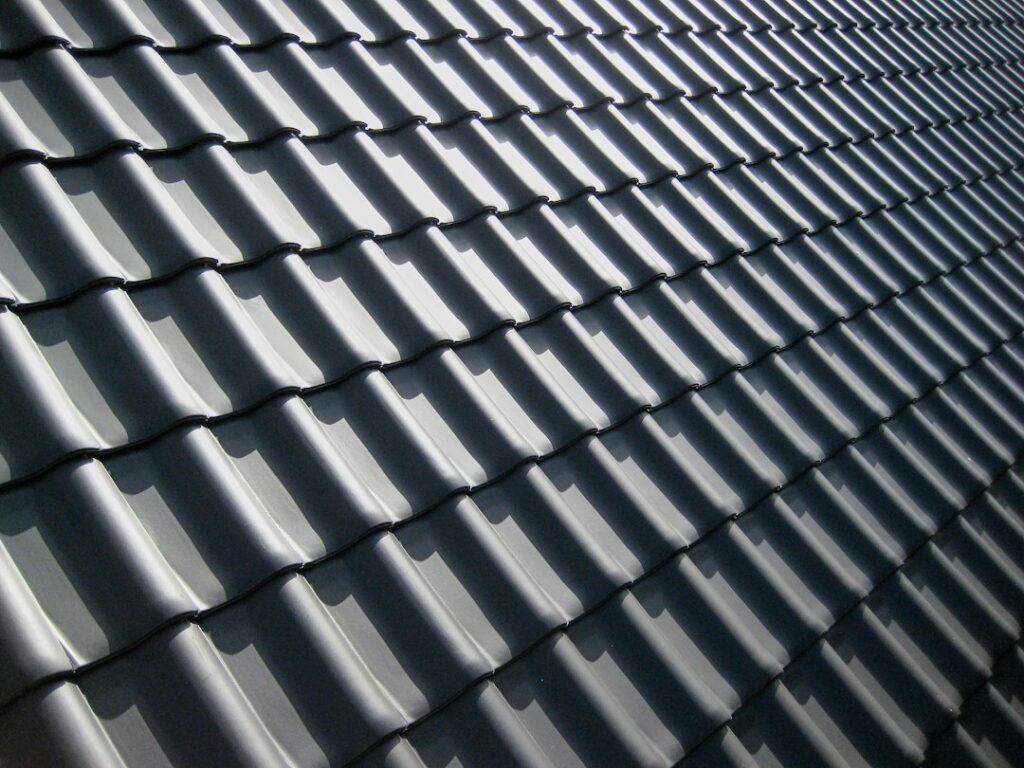
The quick verdict on metal roof vs shingles: asphalt shingles win on upfront cost, ease of repair and the size of the contractor pool, while a metal roof wins on lifespan, snow shedding and long-term durability, at roughly two to three times the price. Choose shingles, ideally impact-rated ones, if you expect to sell within ten years, want the lowest cost per year of ownership on a modest budget, or have a complex roof with many valleys and penetrations. Choose metal, usually standing seam, if you plan to stay a long time, live in snow country or the wildland-urban interface, and can live with the possibility of cosmetic dents after a big hailstorm. On the Front Range, hail decides more of these purchases than anything else, so this guide gives it extra attention. It compares the two on cost, durability, hail and fire performance, energy, maintenance and installation, then explains how a home inspector evaluates each. Costs and lifespans below are typical national ranges, not quotes.
Part of our Structure & Exterior guide — start there for the full picture →
Roof damage or a roof replacement? Get a local roofer on the phone.
📞 Call (833) 850-2469Metal Roof vs Shingles at a Glance
This comparison assumes a typical steep-slope residential roof. Exposed-fastener metal panels and standing-seam metal behave differently enough that they are listed separately where it matters.
| Factor | Asphalt shingles | Metal roofing |
|---|---|---|
| Typical installed cost (national range, 2026) | Roughly $4.50–$8 per square foot for architectural shingles, more for impact-rated lines and tear-off of multiple layers | Roughly $7–$12 per square foot for exposed-fastener panels; roughly $11–$20+ for standing seam |
| Typical lifespan | Often 15–30 years; hail and high-altitude sun can shorten it | Often 40–70 years for standing seam; exposed-fastener panels need fastener maintenance sooner |
| Hail performance | Standard shingles bruise and lose granules; Class 4 impact-rated shingles resist much better | Rarely punctured by typical hail but can dent; dents may be cosmetic only |
| Snow and ice | Holds snow; prone to ice dams where attic heat loss is high | Sheds snow quickly; needs snow guards above doors, walkways and lower roofs |
| Fire rating | Class A available with most modern shingles | Class A available depending on the assembly |
| Maintenance | Periodic checks for lifted tabs, granule loss and flashing | Check fasteners, sealants and trim; repaint or recoat very old panels |
| Repairs | Easy and inexpensive; most roofers can match shingles | Specialist work; matching panel profile and color can be hard |
| Best for | Tight budgets, shorter ownership, complex roof shapes | Long ownership, heavy snow, foothill and wildfire-exposed homes |
Our guides to asphalt shingles and standing seam metal roofs go deeper on each material if you are still learning the basics.
Upfront Cost and Cost Per Year of Service
Roofing is quoted per “square,” which is 100 square feet of roof surface. A house with 2,000 square feet of living space might have anywhere from about 20 to 30-plus squares of roof, depending on pitch, overhangs and how chopped up the roof is. That is why per-square-foot figures only go so far.
The main cost drivers for either material:
- Roof size and pitch. Steeper roofs need more safety setup and move more slowly. Very steep roofs can add a meaningful labor premium.
- Complexity. Valleys, dormers, skylights, chimneys and multiple roof planes add flashing work. Metal is less forgiving of complexity, so a cut-up roof widens the price gap.
- Tear-off. Removing one or two existing layers, disposal and deck repair are often line items. Rotted or delaminated sheathing found during tear-off is a common change order.
- Product tier. Impact-rated (Class 4) shingles cost more than standard architectural shingles. In metal, panel gauge, finish quality and standing-seam profile all affect price.
- Underlayment and accessories. Ice-and-water membrane at eaves and valleys, ridge vents, snow guards, and new flashing at walls and chimneys.
- Permit. Most Front Range jurisdictions require a re-roof permit; check with your city or county building department.
Cost per year of service is a better comparison than sticker price. A shingle roof replaced every 20 years and a standing-seam roof lasting 50 years can come out closer than the upfront gap suggests, but only if you own the home long enough to collect that value and only if hail does not force an early replacement of either one. For more detail on pricing, see our metal roof cost guide and the broader roof replacement cost guide.
Hail and Impact Resistance on the Front Range
Colorado’s Front Range sits in one of the most hail-prone parts of the country, and many Denver-area homeowners have replaced a roof after a storm at least once. That reality shapes this decision more than any other factor.
How impact ratings work
Residential roofing products are commonly tested for impact resistance under a standard (UL 2218 is the one most often referenced) in which steel balls of increasing size are dropped on the material. Class 4 is the highest rating, meaning the sample showed no cracking at the largest test size. Both shingles and metal panels can carry a Class 4 rating, so the rating itself does not settle the debate.
FEMA’s case study “Hail, Hail, the Roof’s Still Here” describes Oklahoma homeowners who installed Class 4 impact-resistant shingles as part of a ten-year insurer study; after nine years and repeated hailstorms, they reported no damage while neighbors replaced roofs. The same case study reports that the insurer offered premium reductions for homeowners with Class 4 shingles after seeing fewer claims. That is one study in one region, not a guarantee, but it shows why impact-rated shingles have become common on the Front Range.
Metal and hail: functional vs cosmetic damage
Metal roofing is rarely punctured by typical hail, but it can dent, especially thinner panels and softer metals. A dented standing-seam roof usually still sheds water perfectly well. The problem is insurance and resale: many homeowner policies in hail-prone states include, or offer at a discount, cosmetic-damage exclusions for metal roofs, meaning dents that do not let water in are not covered. Ask your insurer exactly how a metal roof and a Class 4 shingle roof would be treated before choosing either, and whether any discount applies.
Standard shingles fail differently. Hail bruises the mat, knocks granules loose and can crack the shingle, which shortens its life even if it does not leak right away. Our guide to hail damage on roofs explains how adjusters and inspectors distinguish hail hits from normal wear.
Lifespan, Sun, and Freeze-Thaw Cycles
Lifespan ranges for both materials assume decent installation and no catastrophic storms. Typical figures put architectural asphalt shingles around 15 to 30 years and standing-seam metal around 40 to 70 years. Exposed-fastener panels can last decades too, but the rubber washers on their screws tend to degrade much sooner and need periodic re-fastening or replacement.
Several Front Range conditions push those numbers around:
- High-altitude UV. Strong sun at elevation dries out asphalt and accelerates granule loss, especially on south- and west-facing slopes. Metal finishes also fade over time, though quality coatings hold color well.
- Big daily temperature swings. Metal expands and contracts as it heats and cools. Standing-seam systems use clips that let panels move; exposed-fastener panels flex around their screws, which is one reason those screws loosen over time.
- Freeze-thaw. Repeated freezing and thawing stresses sealants, flashing and any water that gets under shingles. Metal sheds snow and ice faster, which reduces the time meltwater sits on the roof.
- Wind. Chinook and downslope winds near the foothills can lift shingle tabs that were not properly sealed or nailed. Metal panels resist wind well when fastened to specification.
Our article on how long a roof lasts covers the warning signs that a roof of either type is nearing the end of its life.
Snow Shedding, Ice Dams and Noise
Metal’s slick surface sheds snow quickly. That is an advantage for reducing roof load and ice dams, but it creates a new hazard: snow sliding off a metal roof in a sheet can damage gutters, crush plants, block doors and injure people. Snow guards above entries, walkways, decks and lower roofs are standard practice on metal roofs in snow country, and a quote that leaves them out deserves a question.
Shingle roofs hold snow longer. Where attic heat leaks into the roof deck, snow melts, runs down and refreezes at the cold eaves, forming ice dams that can push water under the shingles. Ice-and-water membrane at the eaves reduces that risk, but the real fix is air sealing, insulation and ventilation in the attic, which helps either roof type.
Noise is a frequent worry with metal. Over solid decking and underlayment, as most residential metal roofs are installed, rain and hail sound little different from a shingle roof inside the living space. Metal fastened directly over open purlins, as on some barns and sheds, is much louder.
Fire, Energy and Weight
Wildfire exposure
For foothill homes and those near open grassland, roof fire performance matters. The U.S. Fire Administration notes that embers contribute to a significant percentage of home ignitions in wildfires, can travel long distances on the wind, and can smolder in flammable material on a roof or in gutters for hours before flames appear. Both a metal roof and modern asphalt shingles can achieve a Class A fire rating as an assembly. Metal’s advantage is that the surface itself does not burn; either way, keeping gutters and roof valleys clear of debris and sealing vents against embers matters as much as the roofing choice.
Cool roofs and energy
ENERGY STAR explains that a cool roof reflects more sunlight and emits absorbed heat efficiently, which lowers roof surface temperature and can reduce air-conditioning costs. EPA lists metal shingles or panels coated with reflective paint, and asphalt shingles with light or cool-colored granules, among steep-slope cool roof products. ENERGY STAR also notes that cool roofs generally save the most energy in hot, sunny climates on buildings with low roof insulation. On a well-insulated Front Range home, the energy difference between a light metal roof and light shingles is usually modest; a reflective roof is a bonus rather than a deciding factor.
Weight and installing over old shingles
Metal is light compared with most roofing. Some local codes and manufacturers allow metal to be installed over a single existing layer of shingles, which avoids tear-off cost, but that hides the condition of the deck and can trap problems. Shingle re-roofs over an existing layer are also limited. Your building department sets the rules on layers and overlays, and a careful contractor will usually recommend a tear-off so the deck can be inspected.
Maintenance and Repairs Over the Years
Neither roof is maintenance-free, but the work looks different. A shingle roof mostly needs periodic visual checks, especially after hail or high wind: look from the ground with binoculars for missing or creased shingles, dark patches where granules have washed away, and granules collecting at downspout outlets. Flashing at chimneys, walls and plumbing vents usually fails before the shingles do, and resealing or replacing a boot is an inexpensive job most roofers handle routinely.
Repairs are where shingles shine. A roofer can replace a few damaged shingles in an afternoon, and close color matches are usually available, though a shingle line that has been discontinued can make a patch stand out.
Metal needs less frequent attention but more specialized help. On exposed-fastener panels, plan on checking and replacing screws with failed washers over the life of the roof. On standing seam, the panels themselves rarely need work; sealant at trim, ridge and penetrations is the usual maintenance item. Fixing a badly damaged metal panel can mean removing and replacing a full-length panel, and matching an older faded finish is difficult. Very old painted metal roofs may eventually need recoating, which is a substantial but still cheaper alternative to replacement.
Gutters deserve attention on both: shingle granules fill them, and snow sliding off metal can bend them.
Installation Quality and Contractor Selection
Both roofs fail far more often from installation errors than from material defects. Shingle problems include high nailing, too few nails, missing starter courses and poor flashing at walls and chimneys. Metal problems include over-driven or under-driven screws, missing closures, poorly detailed penetrations and panels that cannot move with temperature changes.
The contractor pool is very different. Nearly every roofer installs asphalt shingles. Fewer crews specialize in standing-seam metal, and those that do often roll panels on site and fabricate custom flashing. After a regional hailstorm, out-of-state crews arrive quickly; for either material, confirm a local address, licensing or registration where your city requires it, insurance, and manufacturer certification if you want an enhanced warranty.
When comparing quotes, look for:
- The exact product line, color, impact rating and, for metal, panel gauge and profile
- Tear-off and disposal, plus a per-sheet price for replacing damaged decking
- Underlayment type, ice-and-water membrane coverage, ventilation and flashing details
- Snow guards on metal, and drip edge and starter on shingles
- Permit, cleanup and a written workmanship warranty in addition to the manufacturer’s warranty
Get two or three written quotes covering the same scope. Be cautious of storm-chasing sales pitches that push you to sign on the spot or promise to cover your deductible.
Which Should You Choose?
- You plan to sell within about 10 years: impact-rated asphalt shingles usually make more financial sense. Buyers value a newer roof, but rarely pay back the full premium for metal.
- You plan to stay 20-plus years: standing-seam metal’s long life starts to pay off, especially if you can avoid one or two shingle replacements.
- Your home is in a hail corridor and your insurer offers a strong Class 4 discount: impact-rated shingles are often the value pick. Compare how your policy treats cosmetic dents on metal.
- You live in the foothills with heavy snow or wildfire exposure: metal’s snow shedding and noncombustible surface carry more weight.
- Your roof is complex, with many valleys and dormers: shingles are easier and cheaper to detail well.
- Budget is tight right now: a well-installed shingle roof is a sound choice; spending on attic ventilation and flashing quality may matter more than the material.
How a Home Inspector Evaluates Each Roof
Under the ASHI Standard of Practice, a home inspector inspects roofing materials, roof drainage, flashing, skylights, chimneys and roof penetrations, and describes the roofing material and how the roof was inspected. Inspectors may walk the roof, use a ladder at the eaves, use binoculars or a drone, depending on pitch, height, weather and material. Many inspectors avoid walking metal roofs because they are slippery and can dent underfoot.
On a shingle roof, an inspector typically looks for granule loss, hail bruising, cracked or missing shingles, lifted tabs, exposed nails, sagging decking, multiple layers, and flashing problems at walls, chimneys and vents. On a metal roof, the focus shifts to loose or backed-out fasteners, failed washers and sealants, dents and coating damage, corrosion at cut edges, panel separation at seams, missing snow guards and poorly flashed penetrations. In the attic, both get the same check for stains, daylight, ventilation and condensation.
A home inspection is visual and cannot predict remaining life precisely or confirm insurance status. If the report notes hail damage, active leaks or a roof near the end of its typical life, the next step is an evaluation by a qualified roofing contractor, and possibly a call to the seller’s insurer about prior claims. Our structure and exterior hub collects related roofing and siding guides.
References
- Hail, Hail, the Roof’s Still Here — FEMA
- Cool Roofs — ENERGY STAR
- Using Cool Roofs to Reduce Heat Islands — U.S. Environmental Protection Agency
- Protecting Structures From Wildfire Embers and Fire Exposures — U.S. Fire Administration
- ASHI Standard of Practice for Home Inspection — American Society of Home Inspectors
Frequently asked questions
Is a metal roof better than shingles in Colorado?
It depends on how long you will own the home and how your insurer treats hail. Metal lasts longer and sheds snow well, while Class 4 impact-rated shingles cost much less upfront and may earn insurance discounts in hail-prone areas.
How much more does a metal roof cost than shingles?
As a typical national range, metal roofing often costs about two to three times as much as architectural asphalt shingles installed, with standing seam at the high end. Roof size, pitch, complexity and tear-off drive the final price, so compare written local quotes.
Does hail damage a metal roof?
Typical hail rarely punctures a metal roof, but it can leave dents, especially on thinner panels. Dents are often cosmetic, and many policies limit coverage for cosmetic damage on metal roofs, so review your insurance before choosing.
Is a metal roof louder than shingles?
Over solid decking and underlayment, which is standard on homes, rain on a metal roof sounds similar to rain on shingles inside the living space. Metal installed over open framing, as on some outbuildings, is much louder.
Can a metal roof go over existing shingles?
Some codes and manufacturers allow metal over a single existing shingle layer, but it hides the deck condition. Check with your city or county building department, and consider a tear-off so damaged sheathing can be found and replaced.
Weighing a roof replacement or buying a Front Range home with an aging roof? Get in touch here to connect with a qualified local inspector.