Asphalt vs Concrete Driveway: Cost, Lifespan and Climate
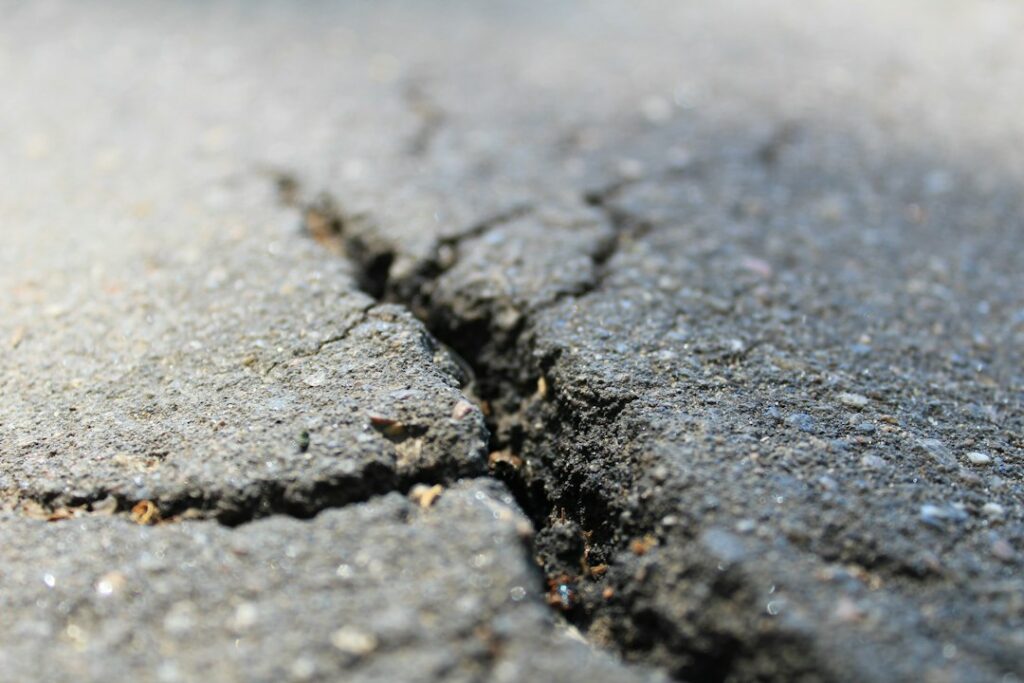
The short answer on asphalt vs concrete driveway choices: asphalt usually costs less to install and is easier to patch, but it needs sealing every few years and typically wears out sooner, while concrete costs more upfront, needs less routine care and commonly lasts longer when the base is built well. Neither material survives a bad subgrade. On the Colorado Front Range, where driveways go through repeated freeze-thaw cycles, deicer exposure, strong high-altitude sun and expansive clay soils, the quality of the base and drainage often matters more than the surface material. This guide compares the two side by side, explains the trade-offs factor by factor and covers what a home inspector looks at on an existing driveway. Cost and lifespan figures below are typical national ranges for 2026, not quotes, and local prices vary widely.
Part of our Structure & Exterior guide — start there for the full picture →
The Quick Verdict and Side-by-Side Comparison
Choose asphalt if the budget is tight, the driveway is long, the household is comfortable with resealing every few years and a dark, flexible surface that can be patched in sections is acceptable. Choose concrete if the plan is to stay in the home for a long time, low routine maintenance matters more than the lowest upfront price, a lighter surface that stays cooler in summer is attractive, or a decorative finish such as stamping, exposed aggregate or color is wanted. For homeowners who are pricing a full tear-out and redo, our driveway replacement cost guide walks through demolition, base work and disposal line items in more detail.
| Factor | Asphalt driveway | Concrete driveway |
|---|---|---|
| Typical installed cost (national, 2026) | Roughly $3 to $8 per sq ft, depending on base work and thickness | Roughly $6 to $14 per sq ft plain; decorative finishes often $12 to $20+ |
| Routine maintenance | Seal coat every 2 to 4 years; fill cracks yearly | Seal every 2 to 5 years (optional but helpful); clean and seal joints |
| Typical lifespan range | About 15 to 30 years | About 25 to 40+ years |
| Repairs | Patches and overlays blend reasonably well | Patches and slab replacements are usually visible |
| Freeze-thaw and deicers | Flexible; resists salt scaling but ravels and potholes as it ages | Can scale and spall if not air-entrained or if deicers are overused, especially in its first winter |
| Summer heat | Dark surface gets very hot and can soften | Lighter surface reflects more sunlight and stays cooler |
| Install and cure time | Usable in a few days | Light foot traffic after a few days; vehicles commonly wait about a week or more |
| Best for | Long driveways, tighter budgets, shorter ownership horizons | Long-term owners, low-maintenance goals, decorative curb appeal |
All figures in this table are typical ranges that vary with use, maintenance, soil and installer quality. They are not guarantees, and they should be checked against two or three written local quotes.
Upfront Cost: What Drives the Price of Each
Asphalt usually wins on the first invoice. A typical residential asphalt driveway is laid as a compacted layer of hot mix over a compacted gravel base, and the material itself is generally cheaper per square foot than concrete. Concrete requires forms, often reinforcement such as wire mesh or rebar, control joints and finishing labor, all of which add cost.
The surface material is only part of the price, though. The biggest swings in a quote often come from things below and around the surface:
- Tear-out and haul-away. Removing an old driveway and disposing of the debris can be a large line item, and broken concrete is heavier to haul than asphalt millings.
- Base preparation. Excavation depth, the amount of imported gravel, and compaction effort vary with soil conditions. Poor soil may need extra excavation or stabilization.
- Thickness. Thicker asphalt or a thicker concrete slab costs more but resists cracking under heavier vehicles such as trucks, RVs or delivery vans.
- Size and shape. Long, straight driveways spread setup costs across more square footage. Curves, flares and tight areas take more hand work.
- Grade and drainage. Steep driveways, trench drains, culverts or regrading to move water away from the garage and foundation add cost.
- Finish. Plain broom-finished concrete is the baseline. Stamped patterns, integral color and exposed aggregate can push the price well above asphalt.
- Permits and right-of-way work. The apron where a driveway meets the street or sidewalk often falls under city or county rules. Check with your city or county building or public works department.
A worked example
Consider a common two-car driveway of about 20 feet wide by 30 feet long, or 600 square feet. Using the typical ranges above as a rule of thumb, a plain asphalt installation might land somewhere around $1,800 to $4,800, while plain broom-finished concrete might land around $3,600 to $8,400, before tear-out of an old surface, unusual base work or permits. A stamped and colored concrete version could run higher still. These are planning figures for comparing options, not estimates for a specific property. The best way to know is to get itemized written quotes that use the same dimensions, base depth and thickness for both materials so the comparison is fair.
Lifespan and Long-Term Ownership Cost
Concrete commonly outlasts asphalt, and that changes the math for owners who plan to stay. A well-built concrete driveway is often described as lasting about 25 to 40 years or more, while a well-maintained asphalt driveway often lasts roughly 15 to 30 years. Both ranges depend heavily on the base, drainage, traffic, climate and upkeep. A poorly compacted base can ruin either material within a few years.
To compare lifetime cost, add the installation price to the maintenance expected over the years the household plans to own the home. Asphalt usually carries a recurring sealcoat expense every few years plus crack filling. Concrete typically needs less, though sealing every few years and occasional joint or crack repair are still wise in a cold climate. Over a short horizon, such as selling within five years, asphalt’s lower upfront price usually wins. Over a long horizon, the gap narrows and concrete can come out ahead, especially if it avoids an asphalt overlay or replacement partway through.
Resale is harder to pin down. A clean, crack-free driveway of either type helps curb appeal. A badly cracked or heaved driveway of either type shows up on inspection reports and in buyer negotiations.
Maintenance: Sealing, Crack Filling and Cleaning
Asphalt upkeep
Asphalt binder slowly oxidizes and dries out under sunlight and weather. As it does, the surface turns gray, small stones loosen and fine cracks open up and let water into the base. Seal coating every two to four years and filling cracks before winter are the main defenses. Our guide to asphalt driveway sealing covers timing, product types and how to tell whether a driveway is due. New asphalt typically needs time to cure before the first seal coat, and the installer’s recommendation should guide that timing.
Asphalt can also be gouged by snowplow blades, kickstands and trailer jacks, and it softens on the hottest summer afternoons. Gasoline and oil drips can soften it too. None of these is usually serious, but they add to the patching list over time.
Concrete upkeep
Concrete needs less frequent work, but it is not maintenance-free. A penetrating or film-forming sealer applied every few years can help limit water and deicer absorption. Control joints and the gaps along the garage slab and sidewalk should be kept sealed so water does not run under the slab. Our page on concrete expansion joints explains why those joints exist and how they are filled. For homeowners comparing products, the roundup of the best concrete sealers for driveways is a practical next step.
Stains are more visible on concrete. Oil, rust and tire marks show clearly on a light surface, whereas asphalt tends to hide them.
Front Range Climate Factors: Freeze-Thaw, Deicers, Sun and Clay Soil
Several conditions along the Colorado Front Range are genuinely relevant to this decision.
Freeze-thaw cycles
Front Range winters often swing above and below freezing within a single day, sometimes many times in a season. When water gets into cracks or soaks into the surface and then freezes, it expands and pries the material apart. Asphalt is flexible and tolerates some movement, but water in its cracks erodes the base and leads to potholes. Concrete is rigid and resists rutting, but water that freezes in the upper surface can cause scaling, where thin flakes pop off the top. Concrete placed for cold climates is commonly air-entrained, meaning tiny air bubbles are built into the mix to give freezing water room to expand. Asking an installer whether the mix is air-entrained is a reasonable question for a Colorado driveway.
Deicers
Salt-based deicers speed up freeze-thaw damage on concrete, and young concrete is especially vulnerable during its first winter. Many installers advise avoiding chemical deicers on new concrete for the first year and using sand for traction instead. Over the long run, gentler products and shoveling first help. The roundup of the best ice melt for concrete compares options that are less aggressive on slabs. Asphalt is less sensitive to salt scaling, though chemicals tracked in from roads still wear on any surface.
Strong sun at altitude
Ultraviolet exposure is higher at elevation, and the Front Range gets a lot of sunny days. That sunlight speeds the oxidation of asphalt binder, which is one reason asphalt driveways here can look faded and brittle sooner than expected without regular sealing. On hot days, a dark asphalt surface also absorbs much more heat. The EPA notes that conventional paving materials such as asphalt can reach surface temperatures up to 152°F at midday in a pilot study, while cooler pavements stayed noticeably cooler. Concrete’s lighter color reflects more sunlight, which some homeowners notice on bare feet, pets’ paws and garage temperatures.
The flip side is snowmelt. A dark asphalt driveway absorbs winter sunshine and often clears faster after a storm than a pale concrete one, which can matter on a north-facing slope.
Expansive clay soils
Parts of the Front Range sit on clay soils that swell when wet and shrink when dry. That movement can lift and crack slabs, and it is a common cause of driveway heave next to garages and downspouts. Concrete shows this as cracks, offsets and trip edges between slabs. Asphalt tends to deform and crack in a more irregular pattern. Neither material fixes soil movement on its own. Good drainage, proper base thickness and keeping roof runoff off the driveway do more than the choice of surface. Our guide to driveway cracks explains how to tell normal shrinkage cracks from movement that needs attention.
Hail and snow removal
Hail is a big deal for roofs on the Front Range but rarely a significant factor for driveways. Snow removal matters more. Metal plow blades and aggressive snow blower scrapers can gouge asphalt, while concrete resists gouging but can chip at joints and edges.
Installation Needs and Timeline
Both materials start with the same foundation: excavating to a firm subgrade, installing and compacting a gravel base, and grading so water drains away from the house. Skimping here is the most common reason for early failure.
Asphalt is placed hot, spread and rolled, and the driveway can usually take cars within a few days, though the surface stays somewhat soft for a while and should not have sharp turns made on it while it cures. It is best installed in warm weather, which on the Front Range usually means late spring through early fall.
Concrete is poured into forms, finished, jointed and then cured. Foot traffic is commonly allowed within a few days, but vehicles generally wait about a week or longer depending on the mix, temperature and installer guidance. Pouring in cold weather requires extra precautions to keep the concrete from freezing before it gains strength, and pouring in hot, dry, windy conditions requires care to avoid surface cracking.
Cutting or grinding concrete during demolition or repair releases fine dust. OSHA notes that respirable crystalline silica is created when cutting, sawing, grinding or drilling materials such as concrete, which is why professional crews use water or dust collection and why homeowners should not dry-cut concrete without protection.
Drainage, Stormwater and Permeable Alternatives
Both standard asphalt and standard concrete shed water, so the driveway needs to be sloped to carry runoff away from the foundation and garage and toward the street, a swale or another approved outlet. Water pooling against the garage slab is a common inspection finding and can feed foundation and moisture problems.
Some homeowners ask about permeable options. The EPA describes permeable pavements, including pervious asphalt, pervious concrete, interlocking pavers and plastic grid pavers, as surfaces that let rain and snowmelt soak through to underlying soil and gravel, reducing runoff. They can be a good fit in some locations but usually cost more, require a deeper engineered base and need periodic vacuuming to keep pores open. On expansive clay, letting water soak in near a foundation is not always desirable, so permeable systems should be designed by an installer familiar with local soils. Some municipalities and HOAs have rules about driveway materials, so check with your city, county or HOA before choosing.
Which Should You Choose? A Decision List
Use these points as rules of thumb rather than hard rules:
- Selling within about five years: asphalt usually makes more financial sense, unless the existing concrete only needs repair.
- Staying ten years or more: concrete often wins on total cost and effort, provided the base and drainage are done right.
- Very long or rural driveway: asphalt’s lower price per square foot adds up to large savings.
- Steep, north-facing driveway: asphalt’s faster snowmelt and better traction texture can be helpful; a concrete driveway should get a broom finish for grip.
- Low maintenance is the priority: concrete, with a sealer every few years.
- Decorative curb appeal: stamped, colored or exposed-aggregate concrete, accepting the higher price and the fact that patches will show.
- Known clay soil or a history of heave: focus first on drainage, base depth and reinforcement. Ask installers how they will address it before comparing surface prices.
- Matching the neighborhood or HOA: check covenants; some communities require one material.
How to Compare Quotes
A fair comparison needs both bids to describe the same scope. Look for these items in writing:
- Removal and disposal of the old surface
- Excavation depth, base material type and compacted base thickness
- Finished thickness of the asphalt or concrete
- For concrete: reinforcement, joint spacing, air-entrained mix and the planned finish
- For asphalt: mix type and whether edges will be compacted or supported
- Grading, drainage and how runoff will be directed
- Permit responsibility, especially for the street apron
- Cure time before vehicle use and when the first seal coat should happen
- Warranty terms and what they exclude
Red flags include an unusually low price with no base work listed, pressure to sign the same day, leftover-material offers from crews going door to door, and quotes that do not mention permits for work in the public right-of-way. Getting two or three written quotes is the simplest protection.
How a Home Inspector Evaluates an Existing Driveway
For buyers, the driveway is part of the exterior portion of a standard home inspection. The ASHI Standard of Practice lists adjacent and entryway walkways, patios and driveways among the items inspectors are expected to inspect, alongside grading and surface drainage that are likely to affect the building. The inspection is visual and focuses on conditions that affect the house, safety and drainage rather than cosmetic wear.
On asphalt, an inspector typically notes:
- Alligator cracking, raveling, potholes and a gray, oxidized surface that suggests sealing or resurfacing is overdue
- Edge breakdown and settlement
- Ponding and negative slope toward the garage or foundation
On concrete, an inspector typically notes:
- Cracks, especially those with vertical offset that create trip hazards
- Heaved or settled slabs, often near downspouts or the garage apron
- Scaling, spalling and exposed aggregate from freeze-thaw and deicer damage
- Open joints, gaps at the garage slab and slope toward the house
An inspector does not usually estimate driveway lifespan precisely, and conditions below the surface cannot be seen. When heave, large offsets or drainage toward the foundation are present, the usual recommendation is evaluation by a qualified concrete or paving contractor, and in some cases by a drainage or geotechnical professional. Our structure and exterior hub collects related guides on grading, slabs and exterior surfaces.
More Questions About Asphalt vs Concrete Driveways
Which driveway adds more home value, asphalt or concrete?
Concrete driveways are often seen as a slightly higher-end feature and may appeal more to buyers in many markets, but neither surface usually adds a large amount to resale value by itself. Condition matters more than material.
A cracked, stained or crumbling driveway can hurt curb appeal regardless of type. In neighborhoods where most homes have concrete, an asphalt driveway may look out of place, and the reverse can also be true. Matching local norms and keeping the surface in good shape is the most reliable way to protect value.
Is asphalt or concrete better for a sloped driveway?
Both asphalt and concrete can work on a sloped driveway, but each has tradeoffs. Concrete can be given a broom finish for traction and holds its shape well, while asphalt is slightly more flexible and its dark color helps melt snow and ice faster in sun.
On steep slopes, consider:
- A textured or broomed concrete finish
- Avoiding slick sealers on asphalt
- Good drainage at the bottom of the slope
- Heated driveway options in snowy areas
Installation quality and base preparation matter more than material choice.
Which is easier to repair, asphalt or concrete?
Asphalt is generally easier and cheaper to repair than concrete. Cracks can be filled, potholes patched and the surface resealed, and repairs blend in reasonably well after sealing.
Concrete repairs are harder to hide. Cracks can be sealed, and small areas can be patched or a section replaced, but new concrete rarely matches the old color. Severe sinking can sometimes be corrected with slab lifting. For homeowners who want easy DIY maintenance, asphalt’s simpler repairs are an advantage, while concrete typically needs fewer repairs overall.
Which driveway is better for electric vehicles and heavy trucks?
Concrete is usually better for heavy vehicles such as trucks, RVs and large pickups, because it resists rutting and holds its shape under concentrated loads. Asphalt can soften in hot weather and develop ruts where heavy vehicles park often.
Electric vehicles are heavier than similar gas cars but are well within what a properly built driveway handles. For any heavy vehicle, base preparation and thickness matter most. Ask contractors about thicker slabs, reinforcement or extra base material in parking areas where heavy loads sit.
References
- ASHI Standard of Practice for Home Inspection — American Society of Home Inspectors
- Using Cool Pavements to Reduce Heat Islands — U.S. Environmental Protection Agency
- Soak Up the Rain: Permeable Pavement — U.S. Environmental Protection Agency
- Silica, Crystalline — Occupational Safety and Health Administration
Frequently asked questions
Is asphalt or concrete cheaper for a driveway?
Asphalt is usually cheaper to install per square foot, often by a wide margin. Concrete costs more upfront but typically needs less routine maintenance and often lasts longer, so the lifetime cost gap narrows for long-term owners.
Which lasts longer, an asphalt or concrete driveway?
Concrete typically lasts longer, commonly about 25 to 40 years or more, while asphalt often lasts about 15 to 30 years with regular sealing. Base quality, drainage, traffic and climate affect both ranges more than the surface material alone.
Is concrete or asphalt better for Colorado winters?
Both work in Colorado if installed well. Asphalt flexes and resists salt scaling but needs regular sealing to keep water out of cracks. Concrete should be air-entrained and protected from deicers in its first winter to limit scaling.
How often should an asphalt driveway be sealed?
A common rule of thumb is every two to four years, plus filling cracks before winter. Driveways with strong sun exposure, as is common at Front Range altitudes, may show oxidation sooner and benefit from sealing toward the shorter end of that range.
Can a new driveway be poured over an old one?
Asphalt overlays are sometimes placed over a sound existing asphalt surface, and thin concrete resurfacing exists for sound slabs. Overlays do not fix a failing base, heave or drainage problems, so badly cracked or settled driveways usually need full removal.
Can a driveway be half asphalt and half concrete?
Yes, a driveway can combine asphalt and concrete, such as a concrete apron near the garage and asphalt for the rest. The joint between materials needs a proper edge and sealant to prevent water intrusion and cracking where they meet.
Does a concrete driveway need sealing?
Concrete driveways do not need sealing as often as asphalt, but a penetrating sealer every few years can help resist deicer damage, stains and freeze-thaw scaling, especially in cold climates where salt is used. Apply it to clean, dry concrete in mild weather.
Which driveway is quieter to drive on?
Asphalt driveways are generally a bit quieter to drive on than concrete, because the surface is smoother and slightly more flexible. The difference is small for most homes and rarely a deciding factor compared with cost, climate, lifespan and maintenance needs over time.
Buying a Front Range home with a cracked, heaved or poorly draining driveway? Reach out through our contact page to connect with a qualified local inspector before closing.