Gas Leak Repair Cost: Typical Prices and Safety First
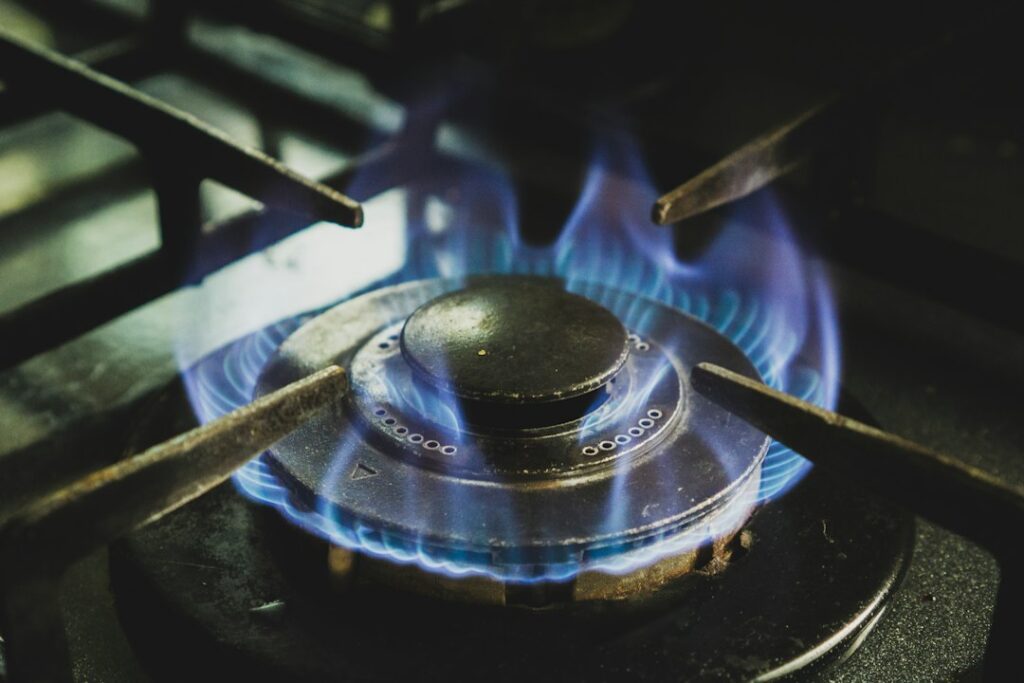
Safety first: if you smell gas right now, stop reading. Leave the building immediately, do not switch lights or appliances on or off, do not use a phone inside, and call your gas utility or 911 from outside or from a neighbor’s home. Come back to this guide once the utility has made the home safe.
Part of our Plumbing & Water guide — start there for the full picture →
Once the emergency is over, typical gas leak repair cost ranges from roughly a couple of hundred dollars for a loose fitting or a worn appliance connector to several thousand dollars for a leak in a buried yard line or inside a finished wall. The location of the leak, how hard it is to reach and whether a permit, pressure test and utility re-inspection are required drive most of the difference. This guide is for homeowners and buyers holding a plumber’s or gas fitter’s quote and wondering whether it is fair. It covers typical 2026 ranges, cost drivers, repair versus replacement, how to read a quote, Front Range factors and how home inspections flag gas piping concerns. Gas repairs are never a DIY project, and figures here are typical national ranges, not quotes.
Plumbing problem? Talk to a local plumber now.
📞 Call (877) 637-1527Typical Gas Leak Repair Cost
Most residential gas leaks fall into a handful of categories. Our guide to what a gas leak smells like explains the warning signs that usually lead to a call in the first place. The table below lists typical ranges for the repairs that follow.
| Repair | Typical national range, 2026 (get local quotes) | Notes |
|---|---|---|
| Utility emergency response and meter shutoff | Often no charge from the utility; ask yours | The utility makes the site safe; it usually does not repair house piping |
| Leak detection and diagnosis by a licensed pro | About $150–$400 | Electronic detector, soap solution, pressure test to locate the leak |
| Tightening or remaking a leaking fitting, accessible | About $150–$500 | Includes retest; minor parts |
| Replacing an appliance connector or shutoff valve | About $150–$450 per appliance | Range, dryer, water heater or furnace connections |
| Replacing a section of accessible interior pipe | About $400–$1,500 | Basement, crawlspace or garage runs |
| Leak inside finished walls, ceilings or under a slab | About $1,500–$4,000+ | Opening and restoring finishes, possible rerouting |
| Buried yard line between meter and house (owner’s side) | About $1,000–$5,000+ | Trenching distance, landscaping and hardscape removal |
| Permit, pressure test and utility re-inspection | Often adds about $100–$500 | Required in many jurisdictions before gas is turned back on |
| Emergency or after-hours visit | Premium of roughly 1.5x–2x normal labor | Common when heat or hot water is out in winter |
Those ranges are wide by design. A leak at a flexible connector behind a dryer is a quick fix. A leak in a corroded steel line under a patio, or in a joint hidden in a finished basement ceiling, can involve demolition, rerouting and restoration. Prices also differ between metros and between licensed plumbers and dedicated gas fitters. Two or three written quotes are the best check on any single estimate, though in an emergency it is reasonable to have the immediate hazard fixed first and compare quotes on any larger follow-up work.
Who pays for what
In many service areas, the gas utility owns and maintains the piping up to and including the meter, and the homeowner is responsible for the piping downstream of the meter, including buried lines to detached garages, outdoor grills, fire pits and pool heaters. Responsibility boundaries differ between utilities, so ask yours where its responsibility ends. When a utility technician shuts off service because of a leak on the house side, they typically will not restore gas until a qualified contractor has repaired the leak and the system passes a test.
What to Do Before Any Repair Happens
CPSC’s safety notice on older gas connectors gives clear instructions for anyone who smells gas and suspects a leak: leave the house immediately, do not use your phone, call the gas supplier or dial 911 from a neighbor’s house, and do not light a match, turn on a light or switch on anything electrical. That guidance applies to every leak scenario in this guide.
A few related points matter for safety and cost:
- Do not try to find the leak yourself with a flame. Ever.
- Do not turn the gas back on after a utility shutoff. Relighting pilots and restoring service should follow the repair and test.
- Install and maintain CO alarms. A gas leak and carbon monoxide are different hazards, but both involve gas appliances. CPSC recommends CO alarms on every level of the home and outside sleeping areas, with interconnected alarms preferred.
- Consider a gas detector. A plug-in or battery natural gas alarm is an extra layer of warning, especially for people with a reduced sense of smell. Our roundup of the best gas leak detectors compares options.
EPA describes carbon monoxide as an odorless, colorless and toxic gas, and lists sources that include leaking chimneys and furnaces, back-drafting from furnaces and gas water heaters, gas stoves and unvented gas space heaters. Natural gas has an added odorant so leaks can be smelled; carbon monoxide does not. That difference is why both alarms make sense.
What Drives the Price
- Location of the leak. Exposed fittings at an appliance are the cheapest. Hidden joints in walls, ceilings, slabs and buried lines cost the most.
- Finding it. Some leaks are obvious; others require pressure testing sections of the system and isolating branches. Our guides to gas line leak detection and the gas line pressure test explain how pros narrow it down.
- Pipe material. Black steel, galvanized steel, copper (in some areas), CSST and polyethylene for buried service each use different fittings and methods.
- Condition of the rest of the system. Corroded pipe found during a repair can expand the scope. Old uncoated brass connectors may need replacing on several appliances, not just one.
- Restoration. Drywall, flooring, concrete, pavers and landscaping removed to reach a leak must be restored, often by a different trade.
- Permits and inspection. Many jurisdictions require a permit and a pressure test for gas piping repairs and alterations. Check with your city or county building department; requirements and fees vary.
- Relighting and checking appliances. After service is restored, appliances need relighting and checking, which may be included or billed separately.
- Timing. Night, weekend and holiday calls cost more, and winter demand is high when furnaces are involved.
Repair or Replace?
Gas leak decisions are less about saving money and more about restoring a safe system, but cost still matters for larger jobs.
Appliance connectors
CPSC warns that some older uncoated brass gas connectors have come apart because of a flaw in how the tubing was joined to the end pieces, causing fires and explosions. It advises that any uncoated brass connector be replaced immediately with a new plastic-coated brass or stainless steel connector, that only a qualified professional check and replace connectors, and that homeowners not move the appliance to check the connector, because even slight movement can cause a weakened connector to fail. CPSC also says connectors should be replaced whenever an appliance is replaced or moved. For these parts, replacement rather than repair is the standard answer.
Fittings and short sections
A leaking threaded joint can often be taken apart, cleaned and remade with appropriate thread sealant, then retested. If the pipe threads are damaged or the pipe is corroded, replacing the section is usually better.
Corroded or buried lines
A common rule of thumb in repair decisions applies here: if the leak is one symptom of widespread corrosion, or if the repair would cost a large share of rerouting the line, replacement is often the better value. For buried steel lines with multiple leaks, many contractors recommend replacing the run with modern buried-rated material rather than patching. Treat that as a rule of thumb; the right answer depends on what the contractor finds. Our gas line installation cost guide covers typical ranges for new runs.
CSST piping
Many newer homes use corrugated stainless steel tubing, described in our guide to CSST gas lines. A damaged section of CSST is typically repaired with manufacturer-approved fittings or replaced by a contractor trained on that system. An ASHI Reporter article on inspecting CSST notes that fuel gas code requirements from NFPA 54, ICC and IAPMO, beginning with the 2009 editions, mandate extra bonding for CSST piping systems to protect against arcing from lightning strikes. If a leak repair touches CSST, ask whether bonding is present and correct.
How to Read a Gas Leak Repair Quote
A trustworthy gas repair quote is specific about what was found and what will be done. Look for:
- Leak location and cause. Exactly where the leak is and what failed, such as a fitting, connector, valve or corroded pipe.
- Method of detection. How the leak was confirmed, for example a pressure test, electronic detector or bubble solution.
- Scope of repair. Parts and materials, length of pipe replaced and any rerouting.
- Permit and test. Whether a permit will be pulled, who schedules the inspection and the pressure test that will be performed before service is restored.
- Appliance relight and check. Whether relighting and checking each appliance is included.
- Restoration. Whether drywall, concrete or landscaping repair is included or excluded.
- Licensing and insurance. The contractor’s license and insurance, which many jurisdictions require for gas work.
- Warranty. On parts and labor, in writing.
Red flags
- A recommendation to “repipe the whole house” before the leak has been located and the rest of the system tested
- Bundled furnace or water heater replacement pushed during an emergency visit with no separate diagnosis
- An offer to skip the permit or pressure test to save money or time
- Pressure tactics, such as claims that the home is unsafe to occupy until you sign today, when the utility has already shut off and secured the gas
- Vague descriptions like “gas system repair” with no location, parts or test listed
- Any suggestion that you can relight or restore service yourself
Questions to ask
- Where exactly is the leak, and how did you confirm it?
- Is the rest of the system tight, or should other sections be tested?
- Does this repair require a permit and inspection here?
- Will you pressure test the system before the utility restores service?
- Are there any uncoated brass connectors or other parts that should be replaced while you are here?
- If CSST is present, is it properly bonded?
A worked example: two very different quotes
Consider a hypothetical older home where the utility shut off gas after a technician detected a leak in the basement. Contractor A pressure tests the system, isolates the leak to a corroded union near the water heater, quotes replacing that fitting and a short pipe section, adds a new appliance connector and shutoff valve, includes the permit and test and lists a firm price within the accessible-section range in the table. Contractor B, without testing, quotes a full house repipe at several times that amount and says the job must start today.
Contractor A’s quote is easier to trust because it rests on a test and names the failed part. Contractor B might have seen real problems, but a repipe recommendation should come with test results showing more than one failing section. Asking B for the pressure test results, or getting a third opinion, is reasonable once the gas is already off and the home is safe. The example is illustrative; actual findings and prices vary.
Signs that point to a leak besides odor
Not every leak is noticed by smell first. Hissing or whistling near a gas line or appliance, dead or discolored patches of grass along a buried line, bubbling in standing water over a yard line, a gas bill that climbs without explanation and a gas detector alarm are all reasons to call the utility. Treat each as a possible leak until a professional says otherwise.
Why Gas Repairs Are Never DIY
Homeowners can do plenty of plumbing tasks themselves. Gas is not one of them. A leaking or poorly made gas joint can lead to fire, explosion or, if appliances are disturbed, carbon monoxide problems. CPSC’s connector notice specifically says not to try replacing a connector yourself. Many jurisdictions also require gas piping work to be done by licensed professionals and inspected. Beyond the safety risk, unpermitted gas work can complicate insurance claims and home sales.
What homeowners can safely do is limited and useful: know where the main gas shutoff and meter are, keep the area around the meter clear of snow and debris, keep CO alarms and any gas detectors working, and call the utility immediately when something smells wrong. A soap-solution “bubble test” around a fitting is a common screening idea, but if gas odor is present, leave and call rather than investigating. Leak-detection sprays and solutions are mostly a professional or post-repair check, not a homeowner diagnosis.
Front Range Factors Worth Knowing
Expansive soils and frost movement. Parts of the Front Range have expansive clay soils that swell when wet and shrink when dry, along with freeze-thaw cycles in winter. Soil movement can stress buried lines and rigid connections where pipe enters the house, which is one reason leaks show up at the foundation penetration or in yard lines.
Lightning. Colorado’s summer thunderstorms bring frequent lightning, which makes the CSST bonding discussed above more than a paperwork issue.
Older connectors in older homes. Mid-century and older homes across the Denver metro may still have original appliance connections. CPSC notes that the dangerous uncoated brass connectors have not been made for more than 30 years but many are still in use.
Altitude and appliance replacement. Altitude does not change the repair itself, but if a leak repair turns into an appliance replacement, gas appliances at Front Range elevations typically need the manufacturer’s high-altitude setup or derating. Ask the installer to confirm it.
Snow at the meter. Ice and snow sliding off roofs can damage meters and regulators. Keep the meter area clear, and call the utility if a meter has been hit or is buried in ice.
How a Home Inspection Flags Gas Concerns
Home inspectors look at the visible gas piping and connections during a standard inspection. ASHI’s Standard of Practice lists fuel storage and fuel distribution systems among the plumbing items to inspect, and calls for describing the location of the main water and fuel shut-off valves. Common findings include uncoated brass connectors, missing shutoff valves at appliances, unsupported or corroded pipe, CSST without visible bonding, gas odor near appliances or the meter and improper materials.
The ASHI Reporter CSST article notes that the home inspector’s responsibility for CSST has been defined and limited to identifying the CSST installed, and that the inspector is not required to determine whether bonding is required. When an inspector notes gas odor or a concern, the recommendation is usually immediate evaluation by the utility or a licensed gas contractor, not a wait-and-see approach. For more on evaluating these findings and the trades that fix them, see our plumbing and water hiring guides.
Buying a home with gas appliances, or want an independent look at a gas repair recommendation? Contact our team to arrange a Front Range inspection with a qualified local inspector.
References
- Certain Older Gas Connectors May Be Dangerous — U.S. Consumer Product Safety Commission
- Carbon Monoxide Information Center — U.S. Consumer Product Safety Commission
- Carbon Monoxide’s Impact on Indoor Air Quality — U.S. Environmental Protection Agency
- Inspecting Homes With CSST Gas Piping — ASHI Reporter, American Society of Home Inspectors
- ASHI Standard of Practice for Home Inspection — American Society of Home Inspectors
Frequently asked questions
How much does gas leak repair cost?
Typical national ranges in 2026 run about $150 to $500 for an accessible fitting or connector, $400 to $1,500 for a section of exposed pipe and $1,000 to $5,000 or more for buried or concealed lines. Permits, pressure tests and emergency rates add to the total, so get local written quotes.
What should be done first if there is a gas smell?
Leave the building immediately without switching anything on or off, and call the gas utility or 911 from outside or a neighbor's home. CPSC also advises not using a phone inside, lighting a match or turning on lights.
Does the gas company fix leaks for free?
Many utilities respond to suspected leaks and shut off service at no charge, and they typically maintain the piping up to the meter. Leaks on the homeowner's side of the meter are usually the owner's responsibility to have repaired by a licensed contractor; ask the utility where its responsibility ends.
Can a homeowner fix a small gas leak?
No. Gas repairs should be done by a licensed professional, and CPSC specifically warns homeowners not to replace gas connectors themselves. Many jurisdictions also require a permit and pressure test before service is restored.
Should old brass gas connectors be replaced?
Yes. CPSC advises that uncoated brass gas connectors be replaced immediately with a new plastic-coated brass or stainless steel connector by a qualified professional, and warns against moving the appliance to check the connector.