Dangerous House Mold: How to Tell What Actually Matters
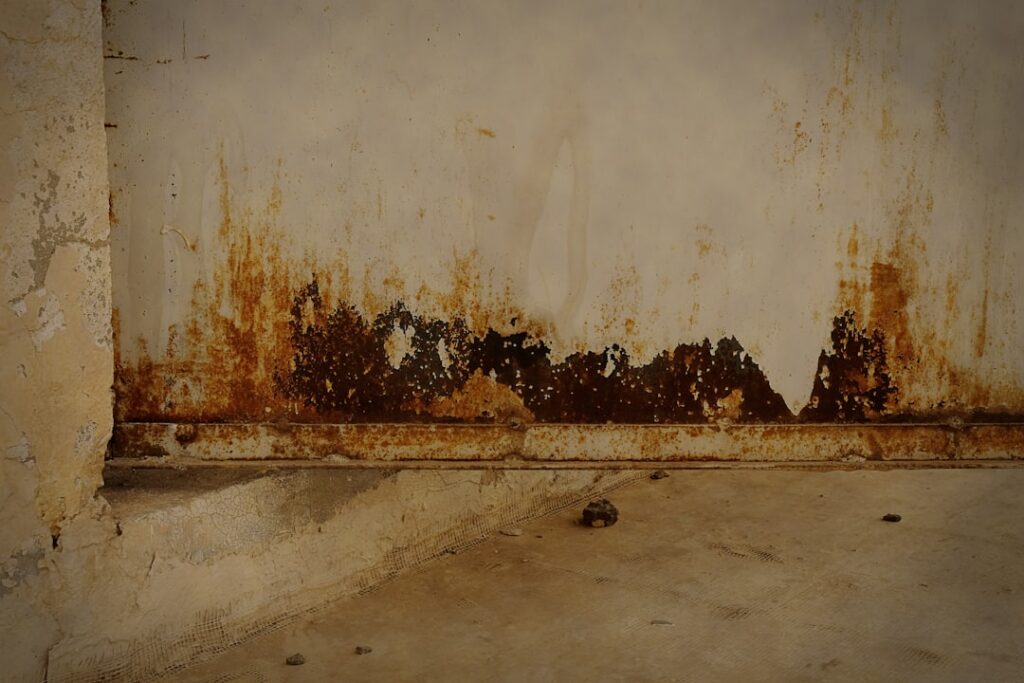
Dangerous house mold is a phrase that bundles together health concern, building damage, and resale risk into one anxiety-inducing search. The reality across each of those dimensions is more measured than the phrase suggests, and homeowners benefit from separating the questions: what mold actually causes problems, when those problems become serious, and what to do about them. This guide explains how to assess danger sensibly, when professional intervention is warranted, and how to prioritize action without either underreacting or overspending. The information here summarizes EPA, CDC, NIEHS, and IICRC guidance current as of 2026 and is not a substitute for medical advice from a physician or site-specific guidance from a licensed professional.
Part of our Types of Mold guide — start there for the full picture →
Is this mold, asbestos, or water damage? Get a free instant screen
Upload a clear photo of the suspect area. You'll get an instant AI screening opinion and what to do next. This is screening guidance, not a professional determination.
Screening guidance only. AI can be wrong. Confirm asbestos, mold type, or lead with lab testing or a licensed professional before acting.
What Makes House Mold Actually Dangerous
The danger from indoor mold derives from three factors more than from any specific species: the amount of growth (affected square footage), the proximity to occupant breathing zones, and the duration of exposure. A tennis-court-sized area of Cladosporium in a sealed crawl space matters less than a square foot of Stachybotrys behind a child’s bedroom wall. The species is one input; the exposure picture is the actual driver of risk.
The CDC and NIEHS both characterize the established health effects of indoor mold as primarily upper-respiratory: nasal congestion, post-nasal drip, sneezing, sinus pressure, and itchy or watery eyes. Lower-respiratory effects — wheeze, cough, chest tightness, shortness of breath — are most clearly documented in patients with pre-existing asthma, where damp indoor environments are well-established triggers for exacerbation. People with immunosuppression, chronic lung disease, or other vulnerable conditions face elevated risk and warrant lower thresholds for action.
True invasive fungal infection is uncommon in healthy adults but can be serious in immunocompromised patients, particularly with Aspergillus species. Hypersensitivity pneumonitis is a real but relatively rare inflammatory lung condition associated with sustained exposure to organic antigens including mold. These outcomes warrant careful medical evaluation but represent the minority of mold-related health concerns.
Building danger from mold is generally proportional to moisture history. Mold growth indicates sustained moisture, which itself causes structural damage to wood framing, drywall, insulation, and finish materials over time. Addressing mold without addressing moisture solves none of the underlying problems. For homeowners trying to understand the broader context, our piece on what the evidence actually says about black mold exposure covers the gap between popular framing and current science.
Indicators That a Mold Situation Has Become Serious
Several visible and contextual indicators signal that a mold situation has crossed from cosmetic concern into something warranting prompt professional attention. The first is affected area larger than approximately 10 square feet of contiguous growth — the EPA’s general threshold for recommending professional involvement. Beyond that size, the engineering controls (containment, negative-pressure filtration) needed to prevent cross-contamination during cleanup exceed what most homeowners can deploy.
The second is mold growth that has penetrated into structural framing, subfloor, or other load-bearing materials. Surface mold on drywall is straightforward; mold that has migrated into wood substrates suggests sustained moisture and may indicate structural compromise. Inspecting framing for soft, spongy, or visibly discolored wood is part of any serious assessment.
The third is mold in HVAC systems or ductwork. The HVAC system’s job is to circulate air throughout the home, which means mold growing on coils, in plenums, or inside duct runs distributes spores to every room the system serves. HVAC mold rarely resolves with surface cleaning and typically warrants professional involvement combining IICRC S520 remediation with NADCA ACR duct cleaning standards. Our piece on mold in HVAC systems covers detection and remediation specifics.
The fourth is mold appearing after sewage backflow, post-fire moisture, or any Category 3 water event under IICRC S500. Sewage and contaminated water introduce bacterial and viral hazards alongside any mold growth, and cleanup protocols escalate accordingly. The fifth is mold in homes with vulnerable occupants — infants, immunocompromised residents, active chemotherapy patients, people with serious lung disease — where the threshold for intervention drops because the consequences of inadequate response are higher.
When Professional Remediation Is Warranted
Several scenarios reliably warrant professional remediation rather than DIY cleanup. The first is any project beyond the EPA’s 10-square-foot threshold for contiguous growth. The second is any HVAC involvement, since cross-contamination through ductwork can spread spores throughout the home during DIY cleanup. The third is any sewage event or Category 3 water situation. The fourth is any home with vulnerable occupants where the cost of inadequate cleanup falls on people whose health is already compromised.
Professional remediation follows IICRC S520: assessment, containment, source removal, cleaning, drying, and clearance verification. The work requires polyethylene containment, HEPA-equipped negative-pressure machines, full PPE for the crew, moisture meters, and disposal protocols for contaminated materials. Credentialed remediators hold IICRC AMRT or ACAC CMR/CMRS certifications, both verifiable through public lookup tools.
Cost varies by scope. Small contained jobs run $500 to $1,500. Mid-size projects run $2,500 to $7,500. Large multi-room jobs run $10,000 to $30,000 or more. Independent assessment adds $300 to $900; clearance testing adds $400 to $1,200. Our piece on mold remediation cost in 2026 covers line items most homeowners encounter on final invoices.
The InspectandTest mold inspection and testing hub walks through how assessment, remediation, and clearance fit together for typical residential projects. Most homeowners benefit from understanding the workflow before placing the first call.
When DIY Handling Is Reasonable
For contiguous areas under approximately 10 square feet of growth, in DIY-appropriate locations, with clear moisture sources that can be corrected, careful homeowners can often handle cleanup themselves. EPA mold guidance acknowledges this DIY range for healthy adults willing to wear N95 respirators, gloves, and eye protection, and to address the moisture source. The work involves removing affected porous materials (drywall, insulation), cleaning non-porous surfaces, and drying the area thoroughly before any reconstruction.
DIY work succeeds when the scope stays small and the moisture source is genuinely fixed. Common DIY scenarios that work include surface mold on bathroom ceilings or shower grout (typically a ventilation problem), small mold patches behind plumbing fixtures (typically a slow leak), and contained growth in a closet or storage area (typically a humidity or condensation problem). Each scenario benefits from addressing the underlying moisture issue, not just removing the visible growth.
DIY work fails predictably when the affected area is larger than estimated, when hidden contamination extends beyond the visible growth, when the moisture source is not actually corrected, or when the cleaner uses bleach on porous materials and considers the job done. Bleach kills surface mold but does not penetrate porous substrates, and the moisture in bleach can actually accelerate regrowth in the days after application. EPA guidance discourages reliance on bleach as a standalone remediation method.
Homeowners considering DIY work should be honest about whether they have appropriate PPE, whether they can access the affected area without spreading contamination, whether they can identify and correct the moisture source, and whether they can recognize when the scope has exceeded what DIY can handle. A small bathroom job that turns out to involve hidden moisture in adjacent walls is the kind of project that benefits from professional assessment even if the eventual remediation stays DIY-scale.
The Moisture-Source Question
Every dangerous house mold situation traces back to moisture. Identifying and correcting the source is the non-negotiable foundation of any successful response, whether DIY or professional. Common sources include leaking pipes (slow drips often cause more cumulative damage than dramatic ruptures), foundation seepage, ice-dam infiltration during winter freeze-thaw, condensation on cold surfaces, inadequate exhaust ventilation in bathrooms and kitchens, HVAC condensate management problems, and humidifier overuse particularly in tightly sealed homes.
Moisture meters are essential diagnostic tools. Surface meters identify damp drywall and trim; pin-type meters quantify framing moisture content. Hygrometers track relative humidity, which should generally stay below 50 percent year-round to prevent mold establishment. Front Range homeowners often see seasonal humidity swings — low in winter, higher during summer monsoon season — that affect basement environments particularly.
Source correction sometimes falls within the remediator’s scope and sometimes requires a separate trade. A leaking pipe is a plumber’s job. Foundation seepage is a foundation specialist or waterproofing contractor’s job. Roofing issues are a roofer’s job. HVAC problems are an HVAC contractor’s job. Reputable mold remediators document the source in writing and either arrange the corrective work or refuse to start remediation until the homeowner has a corrective plan.
For homeowners dealing with sudden water-damage events, the moisture-management timeline is critical. Mold typically begins establishing within 24 to 48 hours of materials becoming wet. Rapid drying within that window — through professional water damage restoration or aggressive homeowner action with dehumidifiers and fans — often prevents mold formation entirely. Our piece on mold after water damage and the 24-hour window covers this timeline in detail.
Health Considerations Without Crossing Into Medical Advice
Health concerns related to indoor mold should be discussed with a physician rather than diagnosed from internet searches. The CDC’s clinical overview for healthcare providers describes the established mold-related conditions, the appropriate diagnostic workup, and the limits of available testing. Patients can and should ask their primary care physician about mold-related concerns and request referrals to allergists or pulmonologists when warranted.
Useful information to bring to a clinical visit includes when symptoms started, whether they improve away from a specific building, what the building looks like (basement humidity, visible growth, recent leaks), and what medications or pre-existing conditions are in play. Asthma, COPD, immunosuppression, and chronic sinusitis change the calculus and may warrant earlier or more aggressive evaluation.
The most evidence-supported clinical mold testing is allergy testing — specific IgE blood panels or skin prick testing for common indoor mold species. These tests confirm whether the immune system has reacted to specific molds and inform treatment for asthma, allergic rhinitis, and similar conditions. Specialty mycotoxin panels and “biotoxin illness” workups have less validation; mainstream medical organizations generally consider them unstandardized and prone to false positives from dietary sources.
Patients particularly at risk — infants, elderly, immunocompromised, or those with serious lung disease — should not delay medical evaluation while addressing the home environment. The two questions can run in parallel: medical workup for the patient, environmental investigation for the home. Each informs the other, and both have separate resolution paths.
Building Damage and Resale Implications
Beyond health, dangerous house mold raises questions about building integrity and future transactions. Mold growth into wood framing or subflooring can compromise structural strength over time, particularly when the moisture that fed the growth has also caused rot or insect infestation. Inspecting framing for soft spots, visible decay, or insect activity is part of any serious mold assessment in older homes or after extended water damage.
Resale implications depend on disclosure laws (which vary by state) and on the documented history of the home. Most states require sellers to disclose known material defects, which typically includes documented mold problems and the remediation work performed. Homes with complete remediation documentation — assessment report, scope of work, daily logs, third-party clearance, and moisture-source correction — typically sell without major mold-related friction. Homes with informal cleanup and no documentation often face buyer-side concerns that delay or derail transactions.
For homeowners considering selling, addressing mold and documenting the work properly before listing usually produces better outcomes than leaving the issue for buyer inspection to identify. Pre-listing assessment with an indoor environmental professional, followed by professional remediation if warranted, costs less than the negotiation discount that buyers typically demand when mold is identified during inspection.
Insurance coverage interacts with both the health and building dimensions. Standard policies often cover mold damage from a covered peril — a sudden burst pipe, a covered storm — but exclude mold from long-term seepage, neglected maintenance, or rising groundwater. Policy caps for mold-related coverage are often $5,000 or $10,000 unless a specific endorsement was added. Reviewing coverage before any project begins helps avoid surprises.
References
- CDC Mold Basic Facts — Centers for Disease Control and Prevention
- EPA Mold and Health — Environmental Protection Agency
- NIEHS Mold Health Topic — National Institute of Environmental Health Sciences
- EPA Mold Remediation Guidance — Environmental Protection Agency
Frequently asked questions
What makes house mold dangerous?
Risk depends on affected area, proximity to occupant breathing zones, duration of exposure, and individual vulnerability. Larger areas, HVAC contamination, sewage events, and presence of immunocompromised occupants raise the danger level more than the specific mold species.
At what point should I call a professional?
Areas larger than 10 square feet, HVAC involvement, sewage events, structural framing contamination, and homes with vulnerable occupants all warrant professional remediation per EPA guidance. Smaller contained surface mold in DIY-appropriate locations can often be handled with proper PPE.
Will my insurance cover dangerous mold?
Coverage depends on the cause. Mold from sudden covered events like burst pipes is typically covered. Mold from long-term seepage, neglected maintenance, or rising groundwater is commonly excluded. Many policies cap mold-related coverage at $5,000 or $10,000 unless a specific endorsement was added.
Can I sell a home with a mold history?
Yes, but documentation matters. Homes with complete remediation records — assessment, scope, daily logs, third-party clearance, and moisture-source correction — typically sell without major friction. Undocumented cleanup often causes buyer-side concerns during transactions.
Front Range homeowners dealing with suspected dangerous mold can reach out through our contact page for help connecting to a vetted inspector or remediator in their county.