What Mold Is Dangerous: A Plain-Language Guide
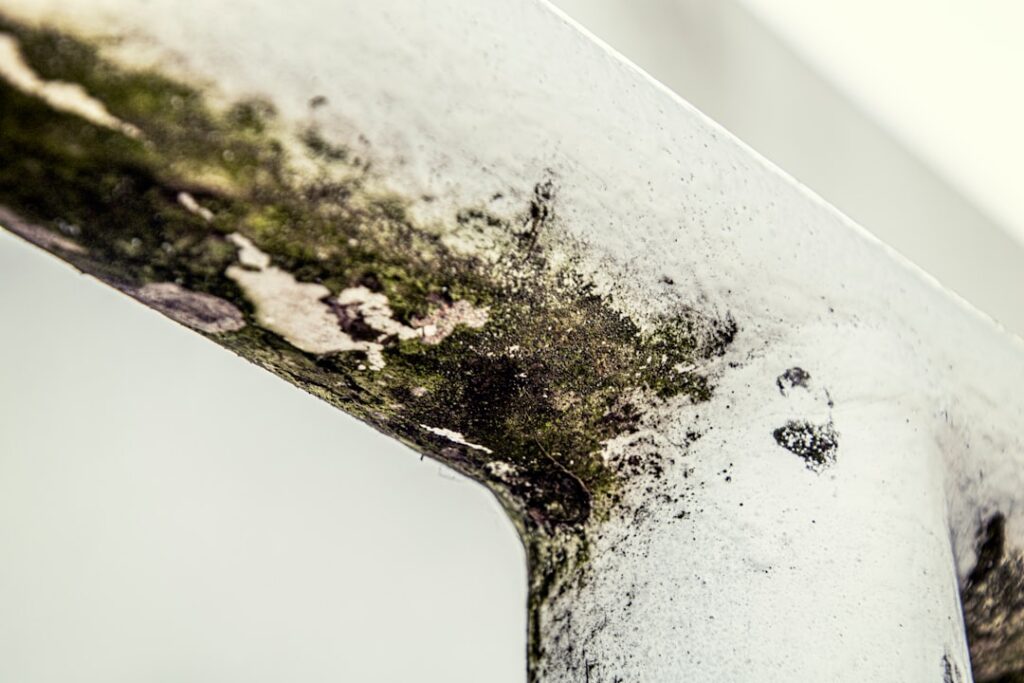
The internet is full of dramatic claims about deadly household molds, and it can be hard to separate genuine risk from fear-based marketing. The honest answer to what mold is dangerous is that the danger depends far more on the amount of exposure and a person’s health than on a precise species. Some molds draw more concern, but the recommended response to any indoor mold is the same. This guide summarizes EPA, CDC, and NIEHS guidance current as of 2026. It is general information, not medical advice — consult your physician about health symptoms.
Is this mold, asbestos, or water damage? Get a free instant screen
Upload a clear photo of the suspect area. You'll get an instant AI screening opinion and what to do next. This is screening guidance, not a professional determination.
Screening guidance only. AI can be wrong. Confirm asbestos, mold type, or lead with lab testing or a licensed professional before acting.
What Mold Is Dangerous to Your Health?
No single mold is universally “the dangerous one.” The CDC and EPA emphasize that all indoor mold growth should be treated as a problem to remove, regardless of type, because damp, moldy environments are broadly associated with respiratory symptoms. Molds frequently flagged in water-damaged homes include Stachybotrys, Aspergillus, Penicillium, Cladosporium, Fusarium, and Chaetomium.
Of these, the ones that raise the most legitimate concern are those that can cause infections in vulnerable people, such as certain Aspergillus species, and those that indicate prolonged water damage, like Stachybotrys and Chaetomium. Even so, the EPA advises against species testing for cleanup purposes because the action is identical. Our companion guide on dangerous kinds of mold covers the specific organisms in more depth.
The “Toxic Black Mold” Question
Stachybotrys chartarum is the dark mold most often called toxic. It grows on cellulose-rich materials kept wet for a long time and can produce mycotoxins under certain conditions, which is the basis for its reputation. That reputation, however, outruns the evidence.
The CDC states that the link between Stachybotrys specifically and serious health effects is not well established, and many dark molds get mistaken for it. The practical message is that extensive black mold means a serious moisture problem requiring prompt, careful removal — not that you face a uniquely lethal organism. Treating it carefully is wise; panicking is not. Knowing the difference between black mold and mildew helps put a dark stain in perspective.
Molds That Can Cause Infections
The molds with the clearest potential to cause serious illness are those capable of infection in people with weakened defenses. Aspergillus is the main example; in individuals with compromised immune systems, chronic lung disease, or those on immunosuppressive therapy, it can cause invasive infections that are genuinely dangerous.
For healthy people, these same molds usually cause only allergy or irritation. This is why “dangerous” is so dependent on the person. A mold that is a minor nuisance to one household can be a real threat to an immunocompromised resident in another. The CDC advises high-risk individuals to take mold exposure seriously and consult a physician.
Molds That Cause Allergic Reactions
The most common health effect of indoor mold is allergy. Cladosporium, Penicillium, Aspergillus, and Alternaria are frequent allergens, producing congestion, sneezing, itchy eyes, throat irritation, and worsened asthma. These reactions are rarely dangerous in the medical sense but can significantly affect quality of life and breathing.
For people with asthma, allergic reactions to mold can trigger attacks, which can be serious. The NIEHS describes dampness and mold as associated with respiratory symptoms across the general population. So while allergy-causing molds are not “deadly,” they are the reason most people notice and need to address indoor mold.
Why Exposure Amount Matters More Than Species
The EPA’s consistent position is that the type of mold is less important than the fact of mold growth and the moisture behind it. Health risk scales with how much mold is present, how long the exposure lasts, and how sensitive the person is. A small patch briefly encountered poses little risk to a healthy adult; a heavily contaminated home lived in for months is a different matter.
This is why credible professionals do not lead with species fear and why the EPA discourages routine identification testing. The same cleanup logic applies to every mold: protect occupants, remove the growth, and fix the water source. Identification can matter for a physician investigating a specific illness, but not for deciding whether to clean up mold in your home.
Who Is Most Vulnerable
The CDC identifies people with asthma, allergies, chronic lung disease, and weakened immune systems as most at risk from mold. Infants, older adults, and people recovering from illness may also react more strongly. For these groups, even common molds can cause meaningful symptoms, and exposure should be minimized.
Healthy adults generally experience milder, temporary effects. The wide variation in individual response is the core reason blanket statements about a mold being dangerous mislead. The right question is not just which mold, but who is being exposed, to how much, and for how long. High-risk individuals should avoid disturbing mold and consult a physician about exposure.
Why “Toxic Mold” Marketing Misleads
The phrase “toxic mold” is more a marketing term than a scientific one, and it shapes how many homeowners think about danger. Some remediation operators lean on it to create urgency, implying that any dark growth is releasing lethal toxins. The CDC and EPA take a more measured view: indoor mold should be removed, but the dramatic toxicity claims outrun the evidence, and no single household mold has been shown to be reliably deadly to healthy people.
Recognizing this helps you evaluate companies and claims. A legitimate professional focuses on moisture and removal, is comfortable with independent testing, and does not pressure on-the-spot decisions driven by fear. When a pitch emphasizes how dangerous the mold is rather than how the moisture will be fixed, treat it skeptically. The genuinely useful questions are how much mold is present, how long exposure has lasted, and who is being exposed — not which frightening species name a salesperson can attach to a stain on the wall.
How Dangerous Mold Differs From Harmless Staining
Not every dark spot is dangerous mold, and misidentification is common. Mildew is a thin, powdery surface mold typical on bathroom grout and damp fabrics; it is easy to clean and rarely serious. Soot, mineral deposits, and ordinary grime can resemble mold but wipe away cleanly and do not regrow. True mold often has a fuzzy, slimy, or raised texture, spreads over time, and returns after surface cleaning when moisture remains.
Color is an unreliable danger signal. Mold appears in black, green, white, orange, and other shades, and dark color alone does not indicate a harmful species. Rather than judging risk by appearance, focus on whether active moisture is feeding the growth and how large the affected area is, since those factors govern the response. When precise identification genuinely matters — for a medical evaluation or a legal dispute — only laboratory analysis is reliable, not a visual guess. For most homeowners, distinguishing active mold from harmless staining and addressing the moisture is the practical priority.
How to Respond Safely to Any Mold
Regardless of type, the EPA recommends a clear approach. For hard-surface mold under about 10 square feet, homeowners can clean with detergent and water while wearing an N-95 respirator, gloves, and eye protection. For larger areas, HVAC contamination, or mold on porous materials, professional remediation with containment is appropriate.
Always find and fix the moisture source so the mold does not return. People with respiratory conditions or weakened immunity should not disturb mold and should consult a physician. The mold inspection and testing hub outlines how to assess a suspected problem and decide between DIY and professional help.
Preventing Dangerous Mold Growth
Prevention removes what every mold needs to grow. The CDC and EPA recommend keeping indoor relative humidity below 50 percent, venting bathrooms and kitchens outside, repairing leaks quickly, and using dehumidifiers in damp areas. Dry materials within 24 to 48 hours of any water event.
Maintain gutters and grading to move water away from the foundation, and service HVAC systems so condensate drains stay clear. Because mold’s danger scales with the amount and duration of exposure, keeping a home dry is the most effective protection — far more useful than worrying about which species might appear on a wall.
What the Mycotoxin Debate Actually Says
Concern about dangerous mold often hinges on mycotoxins, compounds certain molds can produce. Mycotoxins are genuinely harmful in high doses, especially through contaminated food — a well-documented agricultural issue. Their role in everyday household air exposure is much less certain. The CDC states that the evidence linking airborne mycotoxin exposure in homes to serious illness is not well established.
That nuance is frequently lost in marketing, which can imply any dark mold is flooding the air with toxins. In practice, mold does not always produce mycotoxins, production depends on specific conditions, and indoor air concentrations are not comparable to the dietary doses studied in research. The actionable guidance never changes: remove the mold and fix the moisture. Speculating about mycotoxin levels in your air rarely alters the correct response, which is why authoritative sources emphasize cleanup over measurement.
Symptoms Associated With Mold Exposure
Understanding what mold can actually do to health helps put the danger question in perspective. The most common effects are allergic and irritant: nasal congestion, sneezing, throat irritation, coughing, wheezing, and itchy or watery eyes. People with asthma may experience triggered attacks, and those with allergies often react more strongly. These symptoms can affect quality of life significantly even when they are not medically dangerous.
More serious effects are largely confined to vulnerable groups. People with weakened immune systems can develop fungal infections from molds like Aspergillus, and rare conditions such as hypersensitivity pneumonitis occur with repeated exposure in susceptible individuals. For the general population, the NIEHS frames mold exposure as associated with respiratory symptoms rather than severe disease. If symptoms are persistent or severe, a physician should evaluate them rather than the homeowner assuming a particular mold is to blame.
When to Get a Professional Assessment
Although the EPA discourages routine species testing, professional assessment is worthwhile in specific situations: when mold is suspected but hidden, when a household member has unexplained respiratory illness and a physician needs exposure information, when documentation is required for a transaction or insurance claim, or when growth keeps returning despite cleanup. An inspector maps moisture, samples air and surfaces with an outdoor baseline, and connects findings to a cause.
This professional approach is far more reliable than trying to judge danger by a mold’s appearance. For sensitive occupants, an assessment can clarify whether the indoor environment is contributing to symptoms. The aim is not to determine how lethal the mold is but to confirm its extent and source so it can be addressed properly. An independent inspector who does not sell remediation provides the most credible, conflict-free findings.
Putting Mold Danger in Perspective
For homeowners trying to gauge how worried to be, a balanced perspective helps. Mold is a genuine concern that warrants prompt attention, but the level of danger for a healthy adult encountering a modest amount of growth is low. The real risks concentrate in two situations: large or long-standing contamination that exposes occupants heavily over time, and vulnerable individuals for whom even common molds can cause meaningful symptoms or, rarely, infection.
The CDC and EPA consistently steer homeowners away from species-based fear and toward action: identify the moisture, remove the mold, and prevent recurrence. That framing is both more accurate and more useful than ranking molds by lethality. A small patch in a bathroom is not an emergency, but it is a signal to fix the moisture before growth expands. Treating mold seriously without panic — acting quickly, controlling moisture, and calling a professional for large or hidden problems — is the response that authoritative guidance supports and that protects health without overreacting to marketing-driven fear.
References
- About Mold and Your Health — Centers for Disease Control and Prevention
- Mold and Health — U.S. Environmental Protection Agency
- Mold and Your Health — National Institute of Environmental Health Sciences
If you are unsure whether mold in your Front Range home poses a real risk, get in touch through our contact page to connect with a vetted local inspector for an objective assessment.