Mold on Bathroom Walls: Causes, Cleanup, Prevention
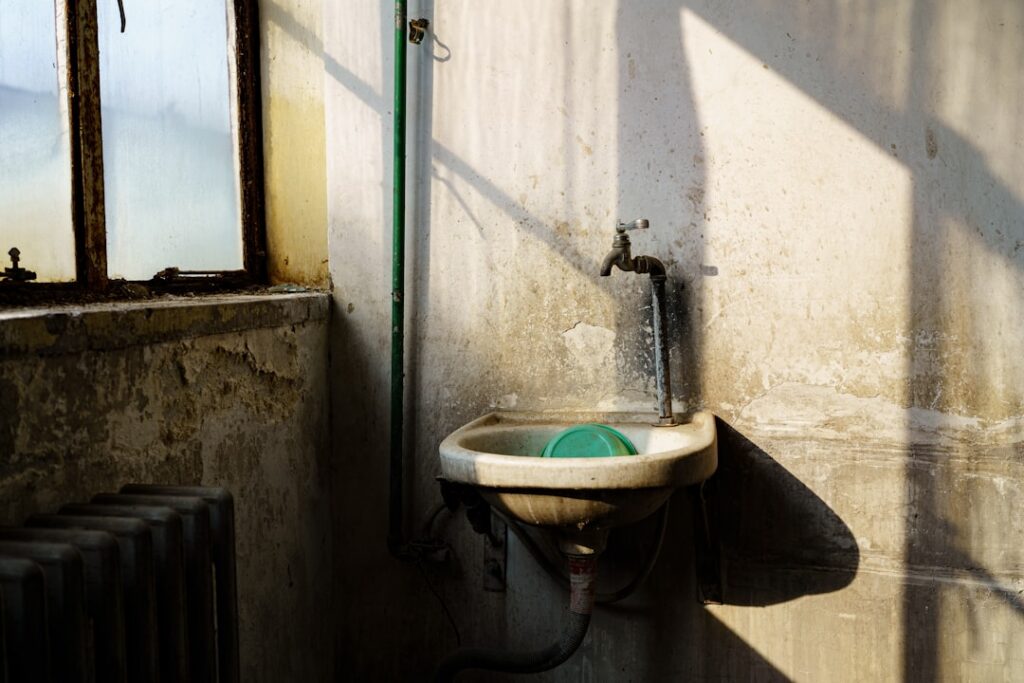
Bathroom walls are one of the most common places mold shows up in a home, and for good reason: showers and sinks pump humidity into a small, often poorly ventilated room every day. Mold on bathroom walls usually starts as small dark spots near the ceiling, around the tub, or in corners, and it spreads if the moisture is not controlled. Most of it is cleanable, but persistent or spreading growth can signal a problem behind the wall. This guide summarizes EPA and CDC guidance current as of 2026 and is informational only — consult your physician about symptoms and a professional for large or recurring growth.
Is this mold, asbestos, or water damage? Get a free instant screen
Upload a clear photo of the suspect area. You'll get an instant AI screening opinion and what to do next. This is screening guidance, not a professional determination.
Screening guidance only. AI can be wrong. Confirm asbestos, mold type, or lead with lab testing or a licensed professional before acting.
Why mold grows on bathroom walls
Mold needs moisture, a food source, and time. Bathrooms supply all three. Every shower releases warm, humid air that condenses on cooler wall surfaces, especially near the ceiling and in corners where airflow is weakest. Painted drywall, the paper backing on drywall, soap residue, and dust all feed growth. Without an exhaust fan or open window, that humidity lingers for hours, giving mold the damp window it needs.
Common trigger spots include the wall above the shower, the corner where two walls meet, the area behind the toilet, and the wall next to a sink that splashes. The EPA stresses that controlling moisture is the only durable solution — kill the mold without lowering the humidity and it returns.
How to clean mold on bathroom walls safely
For surface growth on painted or tiled walls, the cleanup is manageable for most homeowners. Growth under about 10 square feet is generally within DIY range per EPA guidance.
1. Protect yourself and ventilate. Wear an N95 respirator, rubber gloves, and eye protection. Open a window and run the exhaust fan.
2. Choose a cleaner. Detergent and warm water handle most surface mold. For stubborn stains on tile or painted surfaces, white vinegar or a solution of one cup bleach per gallon of water works, but never mix bleach with ammonia or other cleaners, and bleach is not required on hard surfaces.
3. Scrub. Apply the cleaner, let it sit a few minutes, and scrub with a sponge or soft brush. Work corners and grout lines thoroughly.
4. Rinse and dry completely. Wipe away residue and dry the wall with a towel and fan. Residual moisture is the top reason mold returns.
5. Address the caulk. Stained silicone caulk that will not clean should be cut out and replaced — mold roots into its porous edges. Our guide to cleaning mold in the bathroom covers caulk replacement and grout sealing in detail.
Painted drywall versus tile
The wall material changes the approach. Tile and grout are nonporous on the surface and tolerate scrubbing well, though grout lines and caulk can harbor growth that needs sealing or replacement. Painted drywall is more delicate: avoid soaking it, because saturated drywall can grow mold inside the board where you cannot reach it. Wipe gently and dry quickly. If a painted wall stays soft, bubbles, or regrows mold repeatedly in the same spot, moisture is likely getting behind it — a sign to look deeper rather than keep cleaning the surface. The product comparison in our guide to mold cleaning products helps match a cleaner to each surface.
Why ventilation is the real fix
The reason bathroom walls grow mold more than almost any other room comes down to a daily cycle of humidity that has nowhere to go. A single hot shower can push a small bathroom’s relative humidity well past 80%, and that moisture condenses on the coolest surfaces — usually the wall above the shower, the ceiling, and exterior-facing corners. If the room cannot clear that moisture within a reasonable time, the surfaces stay damp long enough for mold to establish.
An exhaust fan is the most effective intervention because it physically removes humid air rather than just circulating it. The fan should be sized to the room and vented to the outside, not into the attic, where it would simply move the moisture problem. Running it during the shower and for 20 to 30 minutes afterward clears the bulk of the humidity. Bathrooms without a fan rely on an open window, which works in dry weather but fails on humid days and in cold months when windows stay shut. In those cases, installing a fan is usually the single highest-value step a homeowner can take against recurring wall mold.
Humidity that escapes into the rest of the home matters too. A bathroom that dumps moisture into an adjacent bedroom or hallway can seed mold on those walls. Containing and exhausting bathroom humidity protects more than just the bathroom.
Cleaning the ceiling and upper walls safely
Mold often appears first near the top of bathroom walls and on the ceiling, where warm humid air rises and condenses. Cleaning overhead adds a few safety considerations. Work on a stable step stool or ladder, never overreach, and keep eye protection on because cleaning solution and dislodged spores fall toward you. Use a sponge or soft brush on an extension handle to avoid working directly beneath the spot. Lay a towel or plastic below to catch drips. As with the walls, avoid soaking ceiling drywall — wipe and dry rather than saturate. If a ceiling stain reappears or the drywall feels soft, the cause may be a leak from above, such as a second-floor bathroom or a roof penetration, rather than shower humidity. That distinction determines whether you keep cleaning or call for a leak investigation.
The role of the exhaust fan, sized and vented correctly
Because ventilation is the durable fix for most bathroom wall mold, it is worth understanding what a fan actually has to do. A bathroom exhaust fan is rated in cubic feet per minute, and a common rule of thumb sizes it to roughly the bathroom’s square footage for a standard eight-foot ceiling, with more capacity for larger or taller rooms. An undersized fan runs but never clears the humidity fast enough, leaving the walls damp long after the shower ends. A fan that rattles, barely moves a tissue held to the grille, or takes the room a long time to clear is a candidate for replacement.
Where the fan sends the moist air matters just as much as its size. The duct must terminate outside the home — through the roof or an exterior wall — not into the attic or a soffit. A fan that dumps humid bathroom air into the attic simply relocates the mold problem to the roof sheathing, where it grows out of sight and can become a far larger repair. Homeowners who keep finding attic mold above a bathroom should check this first. Running the fan during the shower and for twenty to thirty minutes afterward, ideally on a timer switch so it is not forgotten, clears the bulk of the humidity before it can condense on the walls.
Grout, caulk, and the seams that let water in
Bathroom wall mold often concentrates along seams for a physical reason: grout lines and caulk joints are where water finds a path past the waterproof surface. Grout is cement-based and porous; over time it absorbs water and the organic film that feeds mold, and once it cracks or crumbles, water reaches the wall behind it. Caulk, particularly silicone, develops a thin biofilm at its edges that mold colonizes, and once that growth roots into the porous edge no amount of scrubbing fully removes it.
The practical maintenance cycle is simple but easy to neglect. Reseal grout periodically with a penetrating grout sealer to keep it from absorbing water. Watch the caulk at the tub-to-wall and corner joints, and when it discolors past the point of cleaning, cut it out completely and replace it with a mold-resistant bathroom silicone rather than caulking over the old bead. A clean, intact seam keeps water on the surface where the exhaust fan and a squeegee can deal with it, instead of letting it soak into the wall where it feeds growth you cannot see.
When bathroom wall mold signals a bigger problem
Surface mold from shower humidity is one thing; mold fed by a hidden leak is another. Watch for these warning signs that the issue runs deeper than the wall surface:
Mold that returns within days of cleaning, soft or spongy drywall, bubbling or peeling paint, a persistent musty smell even when the wall looks clean, staining that bleeds through fresh paint, or growth on a wall shared with a shower plumbing wall. Any of these suggests water is reaching the wall from a leaking pipe, failed shower pan, or grout that no longer keeps water out. Growth covering more than about 10 square feet, or inside the wall cavity, moves beyond DIY cleaning. The broader mold inspection and testing hub explains how professionals locate hidden moisture using moisture meters, thermal imaging, and borescopes.
Preventing mold on bathroom walls
Prevention comes down to drying the room and the walls quickly after each use.
Run the exhaust fan. Use it during every shower and for 20–30 minutes afterward. If the bathroom has no fan, install one or open a window.
Lower humidity. Keep indoor relative humidity in the 30–50% range the EPA recommends. A small dehumidifier helps windowless bathrooms.
Wipe down surfaces. Squeegee or towel the walls and tub after showering. Spread out and dry damp towels and bath mats rather than leaving them bunched.
Maintain the seals. Re-caulk around the tub and shower when it cracks, and reseal grout periodically to keep water out of the wall.
Improve airflow. Leave the shower door or curtain open to dry, and crack the bathroom door after use.
Along Colorado’s Front Range, the dry outdoor climate helps bathrooms dry faster than in humid regions, but windowless interior bathrooms and homes with weak ventilation still grow mold reliably without a working fan.
Small material upgrades help over the long run. Mold-resistant paint formulated for bathrooms resists surface growth better than standard paint, though it is not a substitute for ventilation. Mold-resistant drywall (often called green board or, for wetter areas, cement board) used during a remodel holds up better than standard drywall around showers. Replacing a cracked or undersized exhaust fan with a properly sized, externally vented unit addresses the root cause. None of these replace the daily habits, but together they reduce how often mold gets a foothold.
Health considerations for bathroom mold
The CDC notes that damp, moldy environments can cause nasal congestion, throat irritation, coughing, wheezing, and eye irritation, with stronger reactions in people who have asthma, allergies, or weakened immune systems. A bathroom is a small, enclosed space where occupants spend concentrated time, so even modest growth can produce noticeable exposure during showers. The American Lung Association associates damp indoor environments with increased respiratory symptoms even in healthy people. If a household member consistently reacts in the bathroom or has symptoms that ease elsewhere, address the moisture promptly and raise the pattern with a physician.
When to call a professional
Most bathroom wall mold is a cleaning task. Call a professional when growth keeps returning despite cleaning and drying, covers a large area, has penetrated the drywall, follows a known leak, or comes with a persistent musty odor you cannot trace. A plumber may be needed if a leak is suspected behind the wall. Anyone with asthma, allergies, or a weakened immune system who reacts to the bathroom should consult a physician and consider professional cleanup even for smaller areas.
References
- Mold Cleanup in Your Home — U.S. Environmental Protection Agency
- About Mold and Health Effects — Centers for Disease Control and Prevention
- A Brief Guide to Mold, Moisture and Your Home — U.S. Environmental Protection Agency
- Mold and Dampness Indoors — American Lung Association
If mold on your bathroom walls keeps coming back or you suspect a leak behind the surface, Front Range homeowners can get in touch with a qualified local inspector here to find the moisture source.
Mold removal & cleanup picks
For a small, contained patch (under ~10 sq ft) these EPA-friendly removers handle surface mold. Larger or recurring growth warrants a professional assessment first.
| Product | Why | Buy |
|---|---|---|
 RMR-86 Instant Mold Stain Remover RMR-86 Instant Mold Stain Remover | Fast-acting on stains; ventilate and wear PPE. | Amazon — $29.99 |
 Concrobium Mold Control Concrobium Mold Control | No-bleach formula that also helps prevent regrowth. | Amazon — $13.48 |
 Mold Armor Mold & Mildew Remover Mold Armor Mold & Mildew Remover | Widely stocked bathroom/surface remover. | Amazon — $22.98 |