How Accurate Are Radon Detectors? A Plain Guide
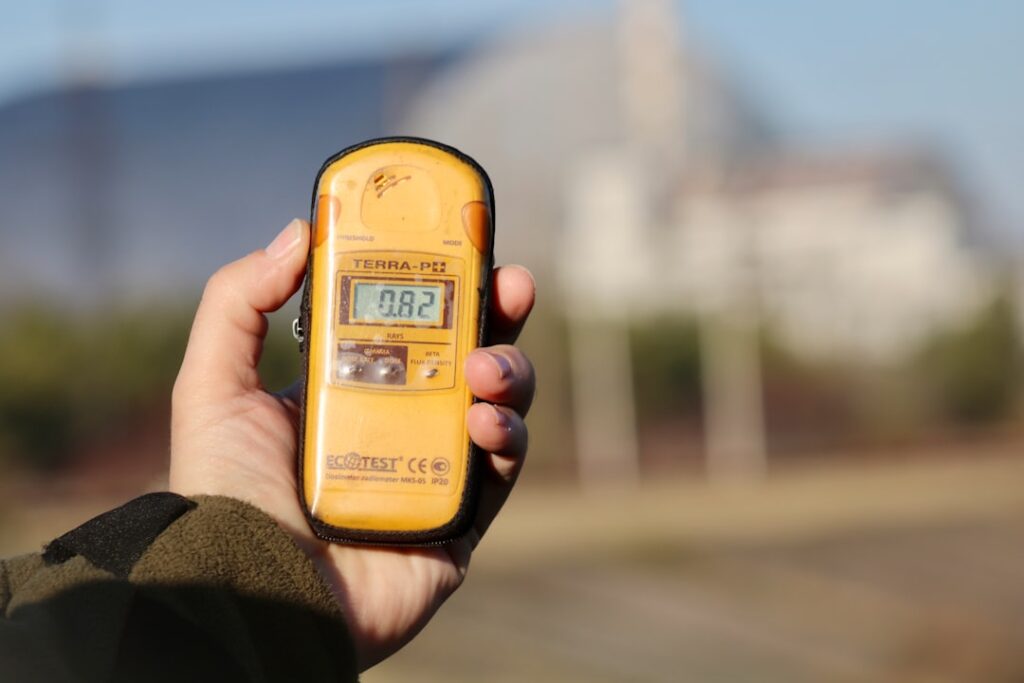
Radon is the second leading cause of lung cancer in the United States, so the question of how accurate are radon detectors is more than academic for Colorado homeowners. The honest answer depends on the device, the test conditions, and how carefully you follow the instructions. A cheap charcoal kit can give a trustworthy snapshot, and a pricey electronic monitor can mislead you if it sits in the wrong spot. This guide summarizes EPA and CDPHE guidance current as of 2026; it is educational and not a substitute for a certified radon measurement or medical advice from your physician.
Part of our Radon Levels guide — start there for the full picture →
How Accurate Are Radon Detectors, Really?
Most consumer radon detectors are accurate enough to tell you whether your home sits above or below the EPA’s 4.0 pCi/L action level, which is the decision that matters most. Quality charcoal and electret kits, when used correctly and analyzed by an accredited lab, typically fall within roughly 10 to 25 percent of the true value. Continuous electronic monitors vary more widely by brand, with reputable models tracking lab-grade equipment closely and budget units drifting further.
The key distinction is precision versus usefulness. You do not need a reading accurate to the second decimal place; you need to know whether your home is at 2 pCi/L or 8 pCi/L. Nearly every legitimate detector clears that bar when used properly. For context on the bigger picture, our overview of radon testing for Front Range homeowners explains why this single number drives the whole decision. A device that reliably distinguishes a safe home from a hazardous one has done its job, even if it is off by a fraction of a picocurie.
Types of Radon Detectors and Their Accuracy
Detectors fall into two broad camps: passive devices that absorb radon over a set period and active electronic monitors that sample the air continuously. Each has a different accuracy profile and a different ideal use case.
Passive Kits: Charcoal and Alpha-Track
Short-term charcoal kits sit in the home for two to seven days, then go to a lab. They are inexpensive and, when handled correctly, reliable for a quick screening. Their weakness is sensitivity to humidity and to the closed-house conditions required during the test. Alpha-track detectors run for 90 days to a year and average out daily swings, which makes them more representative of long-term exposure and less vulnerable to a single unusual weather event skewing the result.
Active Continuous Monitors
Continuous radon monitors display real-time and averaged readings and need no lab. The best consumer models compare well against professional equipment, while inexpensive ones can read high or low until they self-calibrate over the first day or two. Our guide on whether radon detectors are accurate digs deeper into how to evaluate a specific monitor’s specifications before you buy. Look for a stated accuracy figure, a calibration interval, and independent reviews rather than marketing claims.
What Throws Off a Radon Reading
Most “inaccurate” results trace back to test conditions, not faulty devices. Radon levels swing dramatically with weather, season, and how the house is operated. A few factors do most of the damage.
- Open windows and doors dilute indoor radon and produce falsely low readings.
- Placement near drafts, exterior walls, or heat sources skews the sample.
- Humidity degrades charcoal kits if the test runs too long.
- Weather shifts, especially storms and high winds, change soil-gas pressure and radon entry.
- Seasonal variation means winter readings often run higher than summer readings in Colorado.
- HVAC operation, such as running a whole-house fan, can lower a reading temporarily.
This is why the EPA specifies “closed-house conditions” for short-term tests: keep windows and exterior doors shut for 12 hours before and during the test, except for normal entry and exit. Treating the protocol as optional is the single biggest cause of misleading results.
How to Get the Most Accurate Reading
Accuracy is mostly about discipline. Place the detector in the lowest livable level of the home, two to six feet off the floor, away from drafts, exterior walls, and humidity sources like bathrooms. Maintain closed-house conditions, and avoid running the test during severe weather if you can choose your window.
Follow the manufacturer’s timing exactly, and mail charcoal kits to the lab the same day the test ends, since the absorbed radon decays and waiting skews the result. If you own a continuous monitor, let it run for at least 48 hours and watch the long-term average rather than reacting to a single hourly spike. Learning how to read a radon meter correctly prevents the most common misinterpretations, such as panicking over a brief overnight peak that the daily average smooths out.
Why Two Detectors Sometimes Disagree
It is common for two devices, or two tests on different dates, to report different numbers. This usually reflects genuine variation in radon levels, not a defective detector. Radon entry changes with barometric pressure, soil moisture, and how the home is being used hour to hour. Placing two detectors side by side for the same period should yield close results; placing them in different rooms or testing in different seasons will not.
When results conflict, the EPA’s guidance is to favor the longer test or to run a confirmatory measurement. A 90-day alpha-track result is generally a better estimate of your true year-round exposure than a single two-day charcoal snapshot.
When to Confirm With a Second Test
The EPA recommends following up on a high short-term result with a second test before committing to mitigation. If a short-term kit reads at or above 4.0 pCi/L, run a long-term test or a second short-term test to confirm. A reading well above 8 pCi/L justifies a faster follow-up, since the consequence of waiting is greater.
During a real-estate transaction, confirmation testing usually falls to a certified measurement professional, because buyers, sellers, and lenders want an independent, tamper-resistant result rather than a homeowner’s DIY kit. Reviewing typical radon readings in homes helps put a confirming result in context.
Consumer Devices vs. Professional Equipment
Professional radon measurement uses calibrated continuous monitors that log hourly data, detect tampering, and carry documented calibration records. Our look at professional radon testing equipment explains why these devices command trust in transactions. Consumer detectors are perfectly adequate for personal screening, but they lack the calibration paperwork and anti-tampering features that matter when money changes hands. The difference is not mainly about raw accuracy; it is about documentation and the ability to prove the test was not manipulated.
Short-Term vs. Long-Term Accuracy
The biggest accuracy gap is not between brands but between short-term and long-term testing. A short-term test, two to seven days, captures a snapshot that can be skewed by a passing storm, an unusually still day, or a single open window. A long-term test, 90 days to a year, averages across changing weather and household habits, producing an estimate much closer to your true year-round exposure.
Neither is wrong; they answer different questions. A short-term test is fast and ideal for an initial screen or a time-pressured real-estate transaction. A long-term test is the better measure of actual lifetime risk, which is what radon health guidance is ultimately based on. When a short-term result lands near the action level, a long-term follow-up resolves the ambiguity more reliably than another quick test.
What “Accurate Enough” Really Means
It helps to reframe accuracy in terms of the decision at hand. The action you take is binary: mitigate or do not. The EPA’s threshold is 4.0 pCi/L. A detector that reads 6.2 when the true value is 5.8 has not misled you at all, because both numbers point to the same decision. The cases that matter are borderline ones near 4.0, and that is precisely where a confirmatory or long-term test earns its keep.
So when homeowners ask how accurate their detector is, the most useful answer is that a quality device, used correctly, is accurate enough to drive the right decision in the large majority of cases, and that confirmation testing covers the rare borderline result. Chasing decimal-point precision misses the point; getting the mitigate-or-not call right is what protects health.
How Radon Detectors Measure the Gas
Understanding the measurement method makes accuracy easier to judge. Passive charcoal kits work by adsorption: radon in the air sticks to activated carbon, and decay products emit gamma radiation that a lab counts to back-calculate the average concentration during the exposure. Alpha-track detectors use a small plastic film that records tiny etch marks each time an alpha particle from radon decay strikes it; the lab counts the tracks. Both are mature, well-validated technologies.
Continuous monitors take a different approach, sampling the air electronically and counting radon decay events in real time, then reporting hourly and rolling-average values. Because they log a time series, they reveal patterns a single-number passive kit cannot, such as a nightly spike when the house closes up. The trade-off is that an electronic monitor’s accuracy depends on calibration, and an out-of-calibration unit can drift. This is why professional monitors carry documented calibration records and why consumer monitors should state a calibration interval.
How Often to Test and Retest
Accuracy over the life of a home is also about frequency. The EPA recommends testing every home, and retesting every two years, because radon levels can change as a house settles, as new cracks form, or as renovations alter airflow. A single accurate reading years ago does not guarantee today’s level.
Certain events should trigger a retest regardless of schedule: finishing a basement, replacing an HVAC system, adding an addition, or installing a radon mitigation system. After mitigation, a confirmatory test verifies the system worked, and periodic retests confirm it keeps working as the fan ages. Treating radon measurement as a recurring check rather than a one-time event is the most reliable way to stay accurate over decades.
Placing the Detector for a Reliable Result
Even an accurate device gives a poor result in the wrong location. Place the detector in the lowest level of the home that is regularly used, since that is where occupants are exposed and where radon concentrates. Keep it two to six feet off the floor, away from exterior walls, windows, and doors that introduce drafts, and away from humidity sources like bathrooms and kitchens that can degrade a charcoal kit.
Avoid drafty spots near forced-air vents and direct sunlight, both of which can skew a reading. For a continuous monitor, leave it undisturbed for the full measurement window rather than moving it room to room, which fragments the data. Consistent placement is what lets you compare one test to the next and trust that a change reflects the home, not the setup.
When to Call a Professional
Call a certified radon measurement professional when you are buying or selling a home, when DIY results bounce around between tests, or when you want a defensible number before paying for mitigation. In Colorado, a state-listed measurement professional provides calibrated equipment and documentation that a homeowner kit cannot match. The cost is modest relative to the lung-cancer risk radon poses and the price of an unnecessary or missed mitigation system.
References
- Protect Yourself and Your Family from Radon — U.S. Environmental Protection Agency
- Radon Testing and Mitigation in Colorado — Colorado Department of Public Health and Environment
- Radon and Lung Health — American Lung Association
Frequently asked questions
Are home radon test kits accurate enough to trust?
Yes, for screening. Quality charcoal and alpha-track kits analyzed by an accredited lab are accurate enough to tell whether your home is above or below the 4.0 pCi/L action level. Following closed-house conditions and the timing instructions is what determines reliability.
Why do my radon detector readings keep changing?
Radon levels naturally fluctuate with weather, season, and how the house is operated. Open windows, storms, and humidity all shift the reading. This is why the EPA recommends averaging a long-term test or confirming a high short-term result with a second test.
Which is more accurate, a charcoal kit or an electronic monitor?
Both can be accurate when used correctly. Charcoal kits give a reliable lab-analyzed snapshot, while a good continuous monitor tracks long-term averages and needs no lab. Budget electronic monitors vary more, so check the model's specifications and calibration before relying on it.
Do I need closed-house conditions for an accurate test?
Yes for short-term tests. Keep windows and exterior doors closed for 12 hours before and during the test, except for normal entry and exit. Open windows dilute indoor radon and produce falsely low readings.
Front Range homeowners who want a calibrated, documented radon reading before a purchase or mitigation decision can connect with a vetted local inspector through our contact page.
Test your home for radon
Radon is invisible and odorless, so a test is the only way to know your level. A short-term kit gives a first reading in days; a digital monitor tracks it over time.
| Product | Why | Buy |
|---|---|---|
 AirChek Charcoal Radon Test Kit AirChek Charcoal Radon Test Kit | Lab fee usually included; EPA short-term protocol. | Amazon — $21.95 |
 First Alert RD1 Radon Test Kit First Alert RD1 Radon Test Kit | Widely stocked; 48-hour charcoal test. | Amazon — $16.98 |
 Airthings Corentium Home Airthings Corentium Home | Digital monitor with a long-term average. | Amazon — $143.65 |