Are Digital Radon Detectors Accurate? What to Know
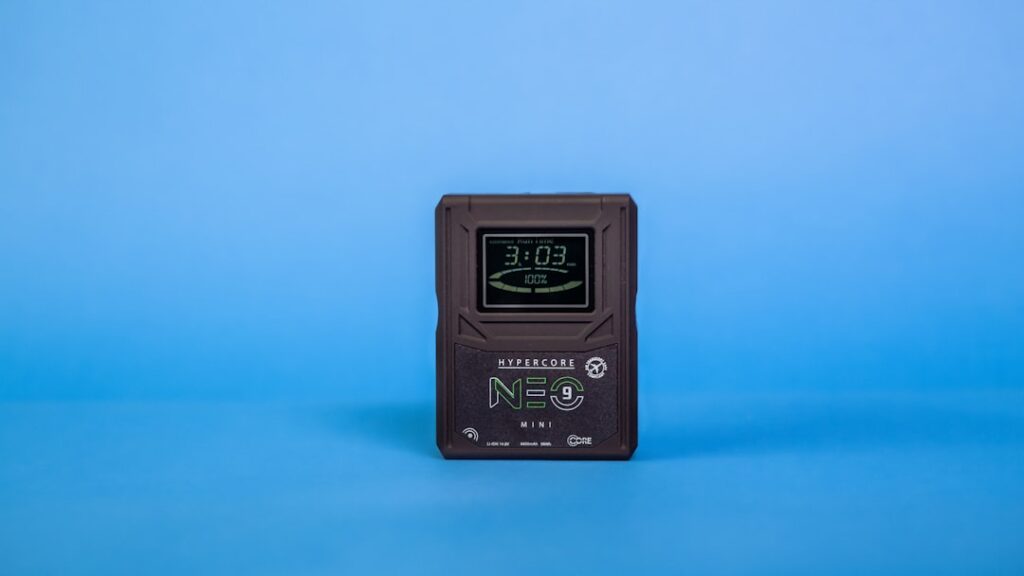
Digital radon detectors have made continuous home monitoring affordable, and many homeowners now keep one running on a basement shelf. The natural question that follows is whether the glowing number on the screen can be trusted. So, are digital radon detectors accurate enough to guide real decisions about a family’s health? The short answer is that good consumer monitors are reasonably accurate over time, but they come with real limits that every owner should understand. This guide explains how these devices work, how they compare to laboratory tests, what affects their accuracy, and when a homeowner should rely on a continuous monitor versus a certified test. It summarizes EPA and CDC guidance current as of 2026 and is educational, not a diagnosis; consult a certified radon professional for decisions about mitigation.
Are Digital Radon Detectors Accurate Enough to Trust?
Quality digital radon detectors are accurate enough for ongoing monitoring and for spotting trends, but they are generally less precise than accredited laboratory analysis, especially over short windows. A reputable consumer monitor that has been validated against reference instruments can track a home’s radon level well over days and weeks, and its long-term averages tend to align closely with lab results. Reading any single hour or day, however, is where consumer devices are weakest.
Radon levels swing constantly. They rise and fall with weather, barometric pressure, temperature, how often doors open, and whether the heating or cooling system is running. A single short reading on any device — digital or passive — can mislead. The EPA’s guidance centers on averages rather than instantaneous spikes, and it sets the action level at 4 picocuries per liter (4 pCi/L) as an average concentration at which a home should be fixed. A digital monitor’s value lies in revealing the average and the pattern, not the headline number from one afternoon.
So the honest framing is this: a good digital detector is a strong tool for awareness and ongoing tracking, but a certified test from an accredited lab remains the standard for high-stakes decisions like a real estate transaction or a mitigation commitment. The two are complementary. For the wider context of how to test a home properly, our overview of popular consumer radon monitors looks at what a continuous device does well and where it falls short.
How Digital Radon Detectors Work
Most consumer digital monitors measure radon using one of two technologies. Some use a pulsed ionization chamber, where radon decay events inside a small chamber generate electrical pulses that the device counts. Others use a silicon photodiode or alpha-spectrometry approach that detects the alpha particles radon and its progeny emit. Both methods translate decay events into a concentration reading displayed on the screen or an app.
These devices need time to gather meaningful data. Because radon decay is a statistical process, a monitor counts more events over a longer period and produces a more reliable estimate as hours accumulate. That is why most quality monitors show a tentative reading after a day and a more trustworthy average after a week. A device that claims a confident number after an hour is overstating its certainty.
Calibration is the other key factor. Reputable manufacturers calibrate their monitors against reference standards before sale, and the device’s accuracy depends on that calibration holding over time. Some monitors drift slowly over years and benefit from periodic recalibration, while passive lab tests are analyzed with freshly calibrated equipment each time. Understanding this helps a homeowner judge when a monitor’s reading deserves confidence. The way radon enters and accumulates, explained in what causes radon gas, also explains why readings fluctuate so much from hour to hour.
Digital Monitors Versus Lab Tests
Passive lab tests — charcoal canisters and alpha-track detectors — are exposed in the home for a set period and then sent to an accredited laboratory for analysis. They produce a single average for the exposure window and carry the credibility of lab accreditation, which is why real estate transactions typically require them. Digital monitors, by contrast, give continuous, real-time data the homeowner can watch, but their readings are self-reported by the device rather than verified by an independent lab. For a real estate deal, a lab test is usually the right tool; for living with and managing a home long term, a digital monitor shines.
What Affects a Digital Radon Detector’s Accuracy
Placement is the most common source of misleading readings, and it has nothing to do with the device’s internal accuracy. The EPA recommends measuring in the lowest lived-in level of the home, away from drafts, exterior doors, windows, and direct airflow from vents. A monitor sitting next to a frequently opened door or on a windowsill will read artificially low because fresh air dilutes the local radon. Proper placement matters as much as the hardware quality.
Environmental conditions also influence both the true radon level and, in some devices, the measurement itself. High humidity can affect certain sensor types, and rapid temperature swings can introduce noise. Quality monitors compensate for some of these factors, but extreme conditions still degrade short-term precision. Giving the device a stable, representative location improves results considerably.
Device quality varies widely across the market. Well-regarded monitors from established manufacturers, validated against reference instruments, perform far better than the cheapest unbranded units. Owners should look for monitors that publish their measurement method and any independent validation, and should follow the manufacturer’s guidance on warm-up time, placement, and recalibration. A good monitor used correctly is reliable; a poor monitor or a misplaced good one is not.
When to Trust the Reading and When to Test
For everyday awareness, a quality digital monitor is genuinely useful. It lets a homeowner watch how radon behaves across seasons, confirm that a mitigation system is keeping levels down, and catch a rising trend early. Watching the long-term average against the 4 pCi/L action level, rather than reacting to any single spike, is the right way to read the data. If the multi-day or multi-week average sits comfortably below the action level, that is reassuring.
For decisions with serious consequences, defer to a certified test. Before buying or selling a home, when committing to install a mitigation system, or when a monitor’s average hovers near or above 4 pCi/L, a short-term test from an accredited lab or a measurement by a certified professional gives the authoritative number. If a digital monitor consistently reads near the action level, that is the signal to bring in a certified radon measurement professional rather than to debate the device’s precision.
The practical conclusion is balanced. Digital radon detectors are accurate enough to be a valuable part of managing a home’s radon over time, particularly for tracking averages and verifying mitigation, but they do not replace accredited lab testing for high-stakes moments. Buy a reputable monitor, place it correctly, judge it by its long-term average against the 4 pCi/L threshold, and lean on a certified test when the decision really matters. Used that way, a digital detector earns its place on the shelf.
How to Read a Monitor’s Numbers Correctly
A common source of needless worry is misreading what a digital monitor displays. Most devices show several figures: a short-term average over the last day or so, and a longer-term average over weeks or months. The short-term number is the most volatile and the least meaningful in isolation, because radon naturally swings with weather and household activity. Treating a single high short-term reading as cause for alarm leads to confusion; the longer-term average is the number that actually relates to the EPA’s 4 pCi/L action level.
Seasonal patterns are worth understanding too. Radon levels often run higher in winter, when homes are sealed against the cold and the stack effect pulls more soil gas indoors, and lower in milder weather when windows open and the house breathes. A monitor that has run through a full range of seasons gives a truer picture than one observed only during a mild stretch. This seasonal swing is one reason a long-term average outperforms any snapshot, whether from a digital device or a short passive test.
Comparing a monitor’s reading to a passive lab test occasionally produces a small discrepancy, and that does not necessarily mean either is broken. The two measure over different periods and with different methods, so some variation is expected. If a digital monitor and a lab test both place the home clearly below or clearly above the action level, the agreement on the decision matters more than the exact decimal. When they straddle the threshold, a certified follow-up test resolves the question authoritatively.
Choosing a Quality Digital Radon Monitor
The market ranges from well-engineered monitors backed by published validation data to cheap units with little transparency about how they work. A buyer evaluating options should look for a device that states its measurement method, ideally a pulsed ionization chamber or alpha-spectrometry approach, and that references independent or reference-instrument validation. Established brands with a track record in radon measurement are generally a safer choice than unbranded bargain devices.
Features that improve usability without inflating price are worth seeking: a clear display or app showing both short- and long-term averages, data logging so trends can be reviewed, and reasonable warm-up and response specifications. Some monitors connect to a phone app that graphs the history, which makes spotting trends and verifying a mitigation system’s performance far easier than reading a single number off a screen.
Calibration and longevity round out the decision. Quality monitors hold their calibration well, and some manufacturers offer recalibration services or recommend periodic recalibration after several years to counter slow drift. A device intended for long-term monitoring should be one the owner can trust to remain accurate, which favors reputable manufacturers that support their products over time. Spending a bit more on a credible monitor usually pays off in readings the owner can actually rely on.
Using a Monitor Alongside Professional Testing
The most sensible approach treats a digital monitor and professional testing as complementary rather than competing. A continuous monitor is ideal for everyday awareness, for confirming that a newly installed mitigation system is performing, and for catching a rising trend that warrants attention. It gives the homeowner an ongoing relationship with their home’s radon level rather than a single data point years apart.
Professional and accredited lab testing earns its place at the decisive moments. A real estate transaction typically calls for a lab test because the result carries the credibility of accreditation and an independent chain of custody. A decision to install a mitigation system, or a reading that sits stubbornly near 4 pCi/L, is the cue to bring in a certified radon measurement professional whose test settles the matter. The monitor flags the question; the professional answers it.
For Front Range homeowners in particular — across Denver, Boulder, El Paso, Douglas, and neighboring counties where geology drives elevated radon — keeping a quality monitor running and retesting periodically is a reasonable long-term habit. It turns radon from an invisible unknown into a tracked, manageable condition. The honest bottom line is that digital radon detectors are accurate enough to be genuinely useful when chosen well, placed correctly, and read as long-term averages, while certified testing remains the authority for the decisions that carry the most weight.
A monitor also pays off after mitigation. Once a system is installed, a continuous device confirms day after day that levels remain low, and it would catch a quiet fan failure or a creeping rise long before a homeowner would otherwise notice. That ongoing verification, paired with an occasional certified test, is the practical combination that keeps a household confident their radon protection is still working years after the system went in.
References
- Guide to Radon Measurement in Homes — U.S. Environmental Protection Agency
- Radon and Your Health — Centers for Disease Control and Prevention
- Radon Testing Guidance for Colorado — Colorado Department of Public Health and Environment
Front Range homeowners who want help interpreting a monitor reading or arranging a certified radon test can connect with a vetted local inspector by getting in touch through our contact page.