Radon Test During Home Inspection: 2026 Buyer Guide
A radon test during home inspection is one of the most common ancillary services Front Range buyers order. The general home inspection covers structure and systems but not air quality measurement; radon is added as a separate test that runs during or alongside the inspection window. Most buyers order it because Colorado geology produces elevated indoor radon in a significant percentage of homes, and the resolution period of the purchase contract is the right time to confirm the property’s status before closing. This guide summarizes EPA and CDPHE guidance current as of 2026 — consult a certified radon measurement professional for actual testing decisions.
Part of our Radon Levels guide — start there for the full picture →
The mechanics of timing, methodology, and contract integration are simpler than they look. Knowing how the test fits the broader inspection schedule prevents the late-window scramble that some buyers describe.
The plain answer: a 48-hour test placed during the inspection
The standard real estate radon test is a short-term measurement using either a continuous radon monitor or two co-located alpha track detectors, deployed for 48 to 96 hours during the inspection window. The test is placed in the lowest livable level of the home, typically by the home inspector or a separate certified radon measurement professional, on the same day as the general inspection.
The result is available within 24 to 96 hours after the test ends, depending on the measurement method. Continuous monitors produce immediate digital results. Alpha track detectors must be returned to a lab for analysis. The timing usually fits inside the typical 10 to 14 day resolution period of a Front Range purchase contract.
Who performs the test
Two paths are common. Many general home inspectors hold radon measurement certification through the National Radon Proficiency Program or the National Radon Safety Board and offer radon as a bundled ancillary service. The inspector deploys the monitor or the alpha track detectors during the general inspection and retrieves them at the end of the test period.
Some buyers prefer a separate certified radon measurement professional who performs only radon work. The separate professional is more common for homes with prior elevated results, properties under formal real estate radon protocol, or situations where the buyer wants a second opinion. For more context, see this Colorado radon testing guide and the related signs of radon in your house piece in this batch.
Cost structure
Radon testing as an ancillary service to a home inspection runs 150 to 200 dollars on the Front Range in 2026. Stand-alone certified radon measurement by a dedicated professional runs 175 to 275 dollars. The cost includes deployment, retrieval, lab analysis (for alpha track tests), and a written report.
The cost is small relative to the purchase price and the potential cost of remediation. Buyers who skip the test to save the fee and later discover elevated radon after closing carry the full mitigation cost themselves rather than negotiating it during the resolution period.
Methodology requirements
Real estate radon tests follow specific protocols to produce defensible results. The EPA’s Protocols for Radon and Radon Decay Product Measurements in Homes establishes the methodology for short-term real estate measurements. Key elements include:
Closed-house conditions for the 12 hours before and during the test, meaning windows and external doors closed except for normal entry and exit. Placement in the lowest livable level of the home, defined as the lowest level the buyer would occupy as living space. Placement 2 to 6 feet above the floor, away from drafts, exterior doors, exterior windows, and combustion appliances. A minimum test duration of 48 hours. Two co-located devices or a continuous monitor with calibrated quality control are recommended for real estate transactions.
Compliance with the protocol matters because results from improperly placed or improperly conducted tests can be challenged, which delays the resolution period or creates disputes between buyer and seller.
Where the test is placed
The lowest livable level is the place to test. For a home with a finished basement, that is usually the basement. For a home with an unfinished basement that is not occupied as living space, the test might go on the first floor. For a slab-on-grade home, the first floor is the lowest livable level. The specific room is typically a living room, family room, or bedroom rather than a kitchen or bathroom where steam and exhaust affect readings.
The measurement professional makes the placement decision based on the home’s layout and use. The buyer can ask why the location was chosen if it is unclear.
Interpreting the result
The result is reported in picocuries per liter (pCi/L). A result below 2 pCi/L is consistent with low radon exposure. A result between 2 and 4 pCi/L is below the EPA action level but above outdoor average. A result of 4 pCi/L or higher meets the EPA action level and warrants mitigation. A result above 10 pCi/L is significantly elevated.
The 4 pCi/L action level is the buyer’s primary decision point. Most resolution periods include radon as a negotiable item, and buyers commonly request that the seller install mitigation before closing or provide a credit for the buyer to install mitigation after closing.
Mitigation cost on the Front Range
Active soil depressurization is the standard mitigation approach. A PVC pipe penetrates the basement slab, a continuously running fan creates negative pressure under the slab, and soil gas is vented above the roofline. Typical residential mitigation installation in 2026 costs 1,200 to 2,500 dollars depending on the home’s configuration.
Complex configurations — multiple foundations, finished basements with limited access for the riser pipe, crawlspaces requiring vapor barrier work — push the cost higher. Most Front Range mitigators provide a written quote after a brief site visit.
Negotiating mitigation during the resolution period
When the radon test produces a result at or above 4 pCi/L, the buyer has options inside the resolution period. The common requests are: seller installs mitigation before closing with a system warranty, seller credits the buyer at closing in an amount that covers expected mitigation cost, or the buyer accepts the result and handles mitigation independently after closing.
The credit-at-closing approach is the most common. It allows the buyer to choose the mitigation contractor, schedule the work after closing, and avoid potential rushed installation before the contract deadline. The credit amount typically covers the installation cost with some margin for complex situations.
Post-mitigation testing
After mitigation is installed, a follow-up test confirms the system reduced indoor radon to acceptable levels. The post-mitigation test follows the same methodology as the original test — closed-house conditions, lowest livable level, 48 hours minimum — and is typically performed by the mitigation contractor or an independent measurement professional.
Most mitigation systems achieve 50 to 95 percent reduction, often bringing previously elevated levels to well below 2 pCi/L. The post-mitigation result is the documentation the homeowner retains for future sale disclosure.
Existing mitigation systems
Some homes already have a mitigation system installed by a previous owner. The system should be inspected and tested during the buyer inspection to confirm it is operating correctly. Visible elements include a 3 or 4 inch PVC riser pipe, a fan box in the attic or on an exterior wall, and a U-tube manometer showing pressure differential.
A working manometer shows a measurable pressure difference between the two sides of the U-tube. Zero pressure differential indicates the fan is not running or the system is failing. Buyers acquiring a home with an existing system should test post-mitigation to confirm current radon levels.
Common testing problems
Several conditions can compromise a real estate radon test. Open windows or doors during the test period invalidate the closed-house assumption and usually produce artificially low readings. Tampering with the device — moving it, covering it, placing it near windows or HVAC vents — can produce results that do not reflect the true level.
Sellers sometimes ventilate the home before or during a real estate radon test, intentionally or unintentionally. Continuous monitors detect this because they record hourly readings, and the data shows unusual drops corresponding to opened windows. Reputable measurement professionals review the hourly data for evidence of tampering or violation of closed-house conditions.
Timing inside the contract
The radon test should be scheduled early in the inspection window so the results are available before the resolution deadline. A typical Front Range timeline looks like this: contract acceptance on Day 0, inspection scheduled for Day 3 to 5, radon test deployed on the inspection day, retrieval and lab analysis by Day 7 to 9, results delivered before the Day 10 to 14 resolution deadline.
Buyers who wait until the second week of the resolution period to schedule the inspection compress the radon test timing and risk missing the deadline. Early scheduling preserves negotiation leverage.
References
- EPA Protocols for Radon and Radon Decay Product Measurements — U.S. Environmental Protection Agency
- CDC radon program — Centers for Disease Control and Prevention
- Colorado radon measurement guidance — Colorado Department of Public Health and Environment
- ASHI Standards of Practice on ancillary services — American Society of Home Inspectors
Frequently asked questions
Should every buyer order a radon test?
In Colorado and other Zone 1 areas of the country, the prevalence of elevated radon makes the test highly worthwhile for almost every buyer. The cost is small compared to the purchase price and the potential cost of post-closing mitigation.
Who keeps the radon test result?
The buyer receives the report because the buyer paid for the test. The seller usually receives a copy when the result is used in the resolution period negotiation. The report becomes part of the property's disclosure file for future transactions.
What if the test result is borderline?
Results between 2 and 4 pCi/L are below the EPA action level but above outdoor averages. Some buyers request a long-term follow-up test after closing to confirm annual average levels. Mitigation at this range is optional under EPA guidance.
Can the seller refuse a radon test?
In most real estate contracts the buyer has the right to order ancillary tests as part of the inspection contingency. A seller refusing access to test is unusual and would likely trigger contract issues. Most sellers expect a radon test and cooperate routinely.
How long does the result remain valid?
Short-term test results reflect the conditions during the test period and seasonal patterns. For real estate transactions, the result is typically considered current for the active contract. For buyers reusing an existing test, results within the past 12 months are generally accepted, though confirmatory testing is wise.
Buyers in the Denver metro and broader Front Range who want a referral to a certified radon measurement professional or a mitigation contractor can connect with us through the contact page.
Test your home for radon
Radon is invisible and odorless, so a test is the only way to know your level. A short-term kit gives a first reading in days; a digital monitor tracks it over time.
| Product | Why | Buy |
|---|---|---|
 AirChek Charcoal Radon Test Kit | Lab fee usually included; EPA short-term protocol. | Amazon |
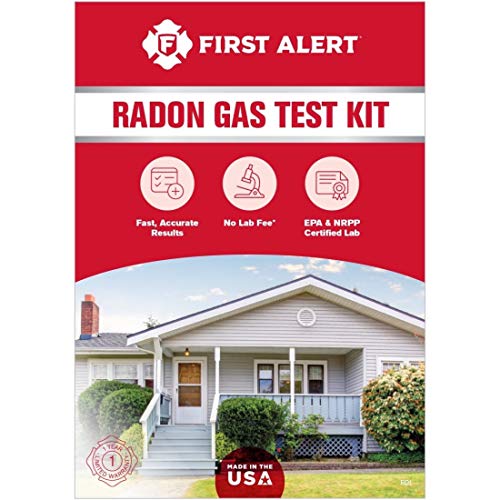 First Alert RD1 Radon Test Kit | Widely stocked; 48-hour charcoal test. | Amazon — $17.95 |
 Airthings Corentium Home | Digital monitor with a long-term average. | Amazon — $142.99 |