Radon Test Inspection: What Homeowners Need to Know
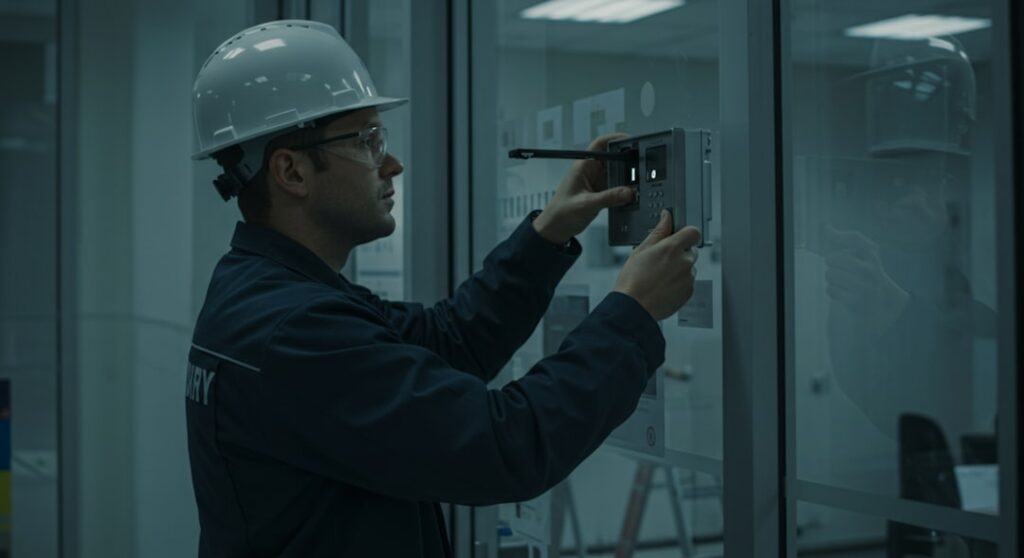
A radon test inspection sits in an interesting place within the home-buying timeline. Sometimes it is bundled into the general home inspection as an add-on; sometimes it is contracted separately with a dedicated radon-measurement professional. The choice has implications for cost, scheduling, certification, and the documentation a buyer can use to negotiate. This guide walks through both pathways, when each makes sense, and the Front Range-specific factors that make radon testing nearly universal in Colorado real-estate transactions. The summary reflects EPA, CDPHE, and home-inspection trade-association guidance current as of 2026.
Radon Test Inspection: What the Phrase Means
“Radon test inspection” generally refers to one of two arrangements:
- Bundled radon test performed by the home inspector or their subcontractor as part of a broader home inspection. The radon device is deployed during the general inspection visit and retrieved 48 to 72 hours later.
- Standalone radon test performed by a certified radon measurement professional who specializes in air-quality testing. This is a separate appointment with its own contract.
Both produce comparable results when conducted under EPA short-term testing protocols. The differences are in scheduling, certification credentials, report depth, and price. The companion guide radon house inspection within whole-home assessment covers the bundled scenario in more detail.
The Bundled Approach: Radon Testing Within a Home Inspection
Most full-service home inspectors on the Front Range offer radon testing as a standard add-on. The inspector deploys a continuous radon monitor (CRM) or passive kit during the general inspection visit, then returns 48 to 72 hours later to retrieve the device or kit. Results follow within a few business days for passive kits or immediately on retrieval for CRMs.
Advantages
- Single scheduling event coordinated with the seller.
- Discounted price when bundled with the general inspection ($150 to $225 typical).
- Results land within the same inspection-objection window as the rest of the report.
- One point of contact for follow-up questions.
Limitations
- Not every general inspector is independently certified for radon measurement. Some rely on a subcontracted measurement professional or use the inspector’s NRPP-listed credentials.
- The report depth is usually shorter than a dedicated radon professional’s report.
The trade-association directories at ASHI and InterNACHI list radon-certified inspectors. Buyers should confirm the specific certification (NRPP or NRSB) before scheduling.
The Standalone Approach: Dedicated Radon Measurement Professional
A certified radon measurement professional performs only air-quality testing. The visit is more focused, the equipment is typically a higher-end CRM with detailed temporal data, and the written report often includes EPA protocol verification.
Advantages
- Specialist credentials and equipment.
- Detailed temporal data showing hour-by-hour radon levels.
- Strong documentation for transaction disputes or post-mitigation re-tests.
- Clear chain-of-custody for regulatory or insurance documentation.
Limitations
- Separate appointment, typically requiring two coordinated visits with the seller.
- Higher cost when not bundled ($150 to $300 standalone).
- Adds time to the inspection contingency window.
Which Approach Fits Which Situation
For most Front Range homes in a standard residential transaction, the bundled approach is the practical choice. The price savings, scheduling convenience, and adequate result quality cover the typical buyer’s needs.
The standalone approach makes sense in specific scenarios:
- The home is a complex floor plan with multiple foundations.
- A previous test produced borderline or contradictory results.
- The transaction involves a lender or insurance carrier that requires specific professional credentials.
- A post-mitigation re-test needs the strongest possible documentation.
- The home was previously a known radon problem and an in-depth read is needed.
Front Range Zone 1 Context
EPA classifies counties into three radon zones based on predicted indoor levels. Zone 1 is the highest-priority designation, with predicted average indoor levels above 4 pCi/L (the EPA action level). Almost every county along the Colorado Front Range falls in Zone 1, including Denver, Douglas, Elbert, Arapahoe, Jefferson, El Paso, Adams, Boulder, and Broomfield.
CDPHE estimates roughly half of Colorado homes test above the EPA action level. This makes radon testing not just recommended but practically standard in Front Range real-estate transactions. CDPHE’s radon program publishes county-by-county screening data.
What the Test Actually Does
Whether bundled or standalone, the test itself follows EPA short-term testing protocols. A measurement device is placed in the lowest occupied floor of the home, 2 to 6 feet above the floor, away from drafts and high-humidity areas, with closed-house conditions maintained for the duration.
Continuous radon monitors record hour-by-hour readings and produce an averaged result plus a temporal chart. Passive charcoal canister kits average over the exposure period and produce a single pCi/L result. The pillar overview at radon testing in Colorado for Front Range homeowners covers the methodology in depth.
Closed-House Conditions During a Real-Estate Test
Closed-house conditions are particularly tricky during real-estate transactions because the home is often vacant, being shown to other buyers, or under negotiation. The inspector or measurement professional should explicitly notify the seller that the home must remain closed during the test window — windows shut, exterior doors closed except for normal entry and exit, HVAC operating normally, no window fans or whole-house fans.
Seller cooperation issues sometimes produce falsely low results when windows are left open. A buyer who suspects the conditions were not maintained can request a re-test, sometimes at the seller’s expense if a contractual contingency was triggered.
Interpreting Results in a Transaction Context
Below 2 pCi/L
No mitigation action needed. The result becomes part of the inspection report and is filed as part of the closing documentation.
Between 2 and 4 pCi/L
Below the EPA action level. The buyer may request mitigation as a negotiation point, but the seller is not regulatorily required to mitigate. CDPHE’s Front Range guidance often suggests considering mitigation in this range given Zone 1 designation.
At or Above 4 pCi/L
EPA action level reached. Mitigation is the standard recommendation. In a real-estate transaction this typically becomes a negotiation point: seller pays for mitigation system installation before closing, seller credits the buyer at closing for post-purchase mitigation, or buyer accepts the property as-is with knowledge of the elevated reading.
Above 10 pCi/L
Strong mitigation recommendation. Buyer should expect mitigation as a closing condition or substantial credit. American Lung Association radon resources describe the cumulative lung-cancer risk that drives this threshold.
Post-Mitigation Re-Test
When mitigation is installed as part of the transaction, EPA protocol calls for a follow-up test after the system has run long enough to stabilize (typically 24 hours minimum, ideally a week). The re-test confirms that the system is achieving below-action-level concentrations.
The re-test is a separate charge ($150 to $250) and is sometimes paid by the seller as part of the mitigation scope. The buyer should confirm in writing who is responsible for the re-test before signing off on mitigation.
Documentation for Future Reference
The radon test report becomes part of the home’s history. Buyers should preserve:
- Original measurement device deployment and retrieval dates.
- Lab analysis report and certified-tester credentials.
- Photos of device placement.
- Closed-house condition documentation.
- Any seller disclosures about radon mitigation system age, service, or operation.
- Post-mitigation re-test if applicable.
These documents support future seller disclosures, mitigation system warranty claims, and follow-up testing decisions.
Cost Snapshot
- Bundled with general inspection: $150 to $225.
- Standalone certified test: $150 to $300.
- Continuous radon monitor rental: similar to standalone test pricing.
- Post-mitigation re-test: $150 to $250.
- Typical Front Range mitigation system installation: $1,200 to $2,500.
Negotiation Outcomes Driven by Radon Results
An elevated radon result in a real-estate transaction typically resolves through one of several negotiation outcomes.
Seller-Funded Mitigation Before Closing
The seller hires a certified mitigation contractor, installs the system, and pays for the post-mitigation re-test before closing. This is the cleanest outcome from the buyer’s perspective because the home transfers with a documented working system.
Closing Credit to the Buyer
The seller credits the buyer at closing for the estimated mitigation cost. The buyer arranges installation post-closing. This works when the buyer prefers to choose their own contractor or when scheduling pressure makes pre-closing installation impractical.
Adjusted Purchase Price
The purchase price is reduced by an amount approximating the mitigation cost. Functionally similar to a closing credit but reflected in the contract price rather than the closing settlement.
Buyer Accepts As-Is
In strong seller markets the buyer sometimes accepts the elevated result as-is. This is the riskiest outcome because the buyer assumes the full cost and the testing-verification logistics post-closing.
Termination of the Contract
If the result is exceptionally high or the seller refuses to negotiate, the buyer can terminate during the inspection contingency window and recover earnest money. This is uncommon but contractually available.
How Radon Testing Affects Property Insurance
Most property insurance policies do not specifically address radon. Radon-related health claims are not typically covered. However, the presence or absence of a functioning mitigation system can affect underwriting for homes with documented radon history, and some insurers ask about radon mitigation systems during quoting.
For buyers obtaining a new policy, having radon test results and any mitigation system documentation available at quoting time facilitates the underwriting process.
The Inspector’s Liability Position
Home inspectors carry errors-and-omissions insurance specifically because their reports inform consequential transaction decisions. A radon test result documented in the inspection report becomes part of that liability framework. If the test was performed under correct protocol with certified credentials and accredited lab analysis, the inspector’s liability exposure is limited to the test as conducted. The inspector is not responsible for guaranteeing that future radon levels will remain at the tested concentration — that is a function of foundation condition, HVAC operation, and seasonal variation outside the inspector’s control.
What a Strong Radon House Inspection Report Looks Like
- Certified-tester credentials clearly identified.
- Continuous monitor temporal data attached (hour-by-hour chart).
- Placement photos with measurement of distance from walls and floor.
- Closed-house condition documentation signed by the seller or seller’s agent.
- Lab analysis report if a passive kit was used.
- Summary recommendation tied to the EPA action level.
- Reference to CDPHE Front Range Zone 1 context.
- Mitigation contractor referral if elevated.
Re-testing After Initial Mitigation
Post-mitigation re-testing should occur after the system has run for at least 24 hours, ideally a full week. EPA recommends a follow-up long-term test within a year of system installation to verify sustained performance. EPA’s radon mitigation program publishes the standards mitigation systems are designed to meet.
References
- EPA radon program and short-term testing protocols — U.S. Environmental Protection Agency
- CDPHE radon program and Colorado screening data — Colorado Department of Public Health and Environment
- ASHI standards of practice and certified inspector directory — American Society of Home Inspectors
- American Lung Association radon health resources — American Lung Association
Front Range buyers with an elevated radon result in their inspection report can reach a vetted certified mitigation contractor through our contact page.