Mold Testing Inspection: How the Two Combine
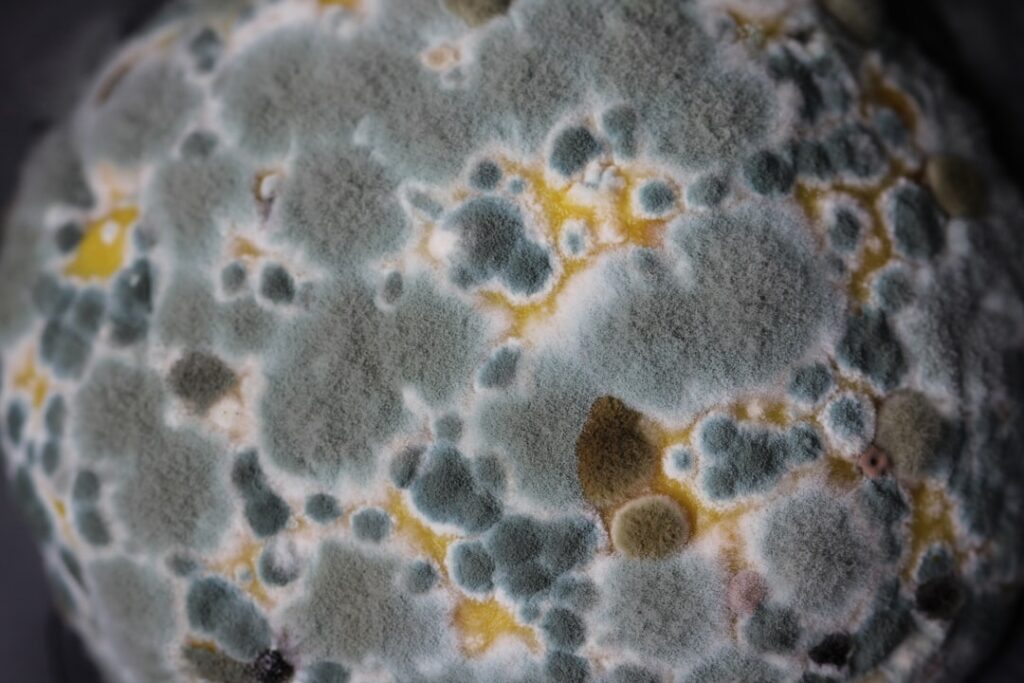
Homeowners often use the words “inspection” and “testing” as if they mean the same thing, but in mold work they describe two distinct steps that work best together. A mold testing inspection combines a hands-on visual and moisture assessment with laboratory sampling, giving you both a picture of where the problem is and data on what is in the air or on a surface. This guide explains how the two halves fit, what a combined service covers, and when each part matters. It summarizes EPA and CDC guidance current as of 2026 and is for general education only; consult a physician for symptoms and a certified professional for testing decisions.
Part of our Mold Testing & Inspection guide — start there for the full picture →
Is this mold, asbestos, or water damage? Get a free instant screen
Upload a clear photo of the suspect area. You'll get an instant AI screening opinion and what to do next. This is screening guidance, not a professional determination.
Screening guidance only. AI can be wrong. Confirm asbestos, mold type, or lead with lab testing or a licensed professional before acting.
What a Combined Mold Testing Inspection Covers
A complete service has two phases. The inspection phase is the detective work: a trained professional examines the home for visible growth, moisture intrusion, water staining, and the conditions that allow mold to develop. The testing phase is the laboratory work: collecting air or surface samples that an accredited lab analyzes to identify and quantify mold spores.
The inspection tells you where to look and why mold is likely. The testing tells you what is present and in what concentration. Done together, they answer both questions a worried homeowner usually has: is there a problem, and how bad is it? The EPA stresses that sampling without a visual and moisture assessment provides limited value, because numbers alone cannot tell you where the water is coming from.
The Visual and Moisture Assessment Comes First
A good inspection always begins before any sample is taken. The inspector walks the property looking for the tell-tale signs: discoloration, staining, peeling finishes, warping, and visible growth. They check the spots where mold concentrates, such as basements, bathrooms, around windows, under sinks, near the HVAC system, and along exterior walls.
Moisture Mapping
Because mold cannot grow without water, the inspector maps moisture throughout the home. Moisture meters read the water content of drywall, wood, and other materials through the surface, flagging areas that are damp despite looking dry. Infrared thermal cameras reveal the temperature differences that hidden dampness creates, helping locate problems inside walls and ceilings without cutting them open. Relative humidity readings show whether the indoor environment itself favors growth.
This phase is what makes any later sampling meaningful. By the time a sample is taken, the inspector already knows where the moisture is and has a hypothesis about the source. Our guide on spotting mold inside walls covers many of the signs an inspector tracks during this stage.
How Sampling Works
When testing is warranted, the inspector collects samples for laboratory analysis. There are three common approaches, often used in combination.
Air Sampling
Air samples capture spores floating in the indoor environment, usually drawn through a spore-trap cassette over a set period. An outdoor sample is taken at the same time as a baseline, since some mold is normal everywhere. Indoor counts much higher than outdoors, or a different mix of genera, suggest an indoor source. Air sampling is useful for detecting hidden growth that has not yet become visible.
Surface Sampling
Surface samples are collected by swab, tape lift, or bulk material from a suspect spot. They confirm whether a visible patch is actually mold and identify the genera present. This method answers “what is this growth” but does not measure the overall air quality of the room.
What the Lab Reports
An accredited laboratory analyzes the samples and reports the types of mold detected and their relative concentrations. The inspector then interprets those numbers against the outdoor baseline and the moisture findings to form a conclusion. The CDC notes that standards for judging “acceptable” indoor mold levels are not firmly established, so interpretation relies on professional judgment and context rather than a single pass-fail threshold.
When You Need Testing and When You Do Not
Testing is not always necessary. The EPA’s position is that if mold is visible, the species usually does not change the response: you fix the moisture and remove or clean the growth either way. In those cases an inspection alone often suffices, and money spent on sampling adds little.
Testing earns its keep in specific situations. It helps when growth is suspected but hidden, when a buyer and seller dispute the condition of a home, when a doctor has linked a household member’s symptoms to possible exposure, or when you need to verify that a completed cleanup actually worked. In a real-estate transaction, documented results can carry real weight. For a sense of who performs this work, see our guide on who carries out mold testing.
Independence Matters
One principle runs through every reputable mold service: the company that tests should ideally not be the same company that profits from remediation. A built-in incentive to find a large, expensive problem creates a conflict of interest. Independent inspectors and industrial hygienists who only assess and test, then leave removal to a separate contractor, give homeowners more trustworthy results.
Look for credentials. Certifications from recognized bodies, use of accredited laboratories, and a willingness to explain methods are all good signs. The wider mold inspection and testing hub offers more on evaluating providers.
Preparing Your Home for the Assessment
A little preparation helps a combined service deliver accurate results. For air sampling in particular, the home should be in a relatively normal, undisturbed state, so inspectors often advise keeping windows and exterior doors closed for a period before the appointment and avoiding heavy cleaning or vacuuming that stirs up spores. Running the HVAC system as you normally would, rather than turning it off, reflects typical conditions.
Clear access to the areas of concern. Move furniture away from suspect walls, ensure the inspector can reach the basement, crawl space, and attic, and make note of any history you can share: past leaks, flooding, the age of the roof, recent plumbing work, or where odors are strongest. This background helps the inspector form a hypothesis and target the assessment. The more context you provide about the home’s moisture history, the more useful the resulting report will be.
How Inspection and Testing Inform Remediation
A combined assessment does more than confirm a problem; it shapes how any cleanup should proceed. The visual and moisture findings identify the source that must be corrected first, because remediation without fixing the water simply invites regrowth. The mapped extent of moisture and growth defines the area that needs attention, guiding how much material must be cleaned or removed.
Sampling results, when used, document the starting condition, which provides a baseline for confirming that cleanup succeeded later. A thorough report gives a remediation contractor enough detail to scope the work and gives the homeowner enough to compare independent bids. This is where the independence principle pays off: an assessor with no stake in the removal describes the problem honestly, so the scope reflects the actual situation rather than an incentive to do more work than necessary.
How to Read a Mold Testing Report
A laboratory report can look intimidating, but its logic is approachable once you know what to look for. The report lists the molds detected in each sample and their relative concentrations, usually with the outdoor sample shown alongside the indoor ones. The outdoor sample is the yardstick: it captures the normal background mix for that day and location.
The comparison drives the interpretation. If indoor spore counts are similar to or lower than outdoors and contain the same mix of common genera, the indoor environment is broadly consistent with normal conditions. If indoor counts are much higher, or if water-loving genera that do not dominate the outdoor sample appear strongly indoors, that points toward an indoor source. The CDC cautions that no single number defines safe or unsafe, so a good inspector explains what the pattern means in context rather than handing you a pass-fail verdict.
Common Reasons Homeowners Schedule a Combined Service
People arrive at a mold testing inspection from several directions. Real-estate transactions are a frequent trigger: a buyer wants to confirm a property’s condition, or a seller wants documentation before listing. A visible patch or a persistent musty smell prompts others who want to know how far the problem extends. Past water damage, such as a burst pipe or basement flooding, leads many to verify that drying was adequate.
Some schedule a service after cleanup to confirm it worked, a step the EPA describes as one of the legitimate uses of sampling. Others act on a physician’s suggestion that a household member’s symptoms might tie to indoor exposure, though the medical question remains with the doctor. Whatever the reason, the combined approach answers both whether a problem exists and how extensive it is.
Limits of Testing You Should Understand
Testing is informative, but it has real limits worth knowing before you pay for it. Air samples capture a snapshot in time; spore counts fluctuate with activity, ventilation, and weather, so a single sample is a moment, not a continuous record. Sampling also cannot, by itself, tell you whether a given person will react to what is present, which is a medical question for a physician.
Most importantly, a number on a report never substitutes for finding and fixing the moisture source. You can document spore counts precisely and still have an ongoing problem if the water is not addressed. This is why reputable providers anchor testing to the visual and moisture assessment rather than selling sampling as a stand-alone answer. The EPA’s guidance is consistent: where mold is visible, the response rarely depends on the lab result.
How Cost Reflects the Combined Scope
Pricing for a combined service reflects the two phases involved. The inspection portion, the visual walkthrough and moisture mapping, carries a base fee tied to the size and complexity of the home and the time it takes. The testing portion adds cost per sample, since each air or surface sample incurs collection time and an accredited-laboratory analysis fee.
That structure means a simple inspection with no sampling sits at the lower end, while an assessment of a larger home with multiple samples costs more. Industry sources generally describe combined services with limited sampling in a few-hundred-dollar range, rising with the number of samples and the depth of reporting. Be wary of free or unusually cheap testing offered by companies that profit from remediation, since the incentive favors finding work. Paying an independent professional for an objective combined assessment is often the better value, because the report it produces is unbiased and useful for getting competitive remediation bids.
What to Expect During the Appointment
A typical combined service for an average home takes a few hours. The inspector reviews the home’s history with you, walks the property inside and out, runs moisture and humidity readings, and uses thermal imaging where helpful. If sampling is part of the plan, they collect air and surface samples and note the conditions during collection.
Afterward you receive a written report. A thorough one describes what was observed, where moisture was found, the laboratory results with the outdoor comparison, and clear recommendations. If remediation is advised, the report should give you enough detail to get independent bids. Homeowners with health concerns should share the findings with their physician rather than self-interpreting any health implications.
References
- Mold Cleanup in Your Home — U.S. Environmental Protection Agency
- A Brief Guide to Mold, Moisture and Your Home — U.S. Environmental Protection Agency
- About Mold and Your Health — Centers for Disease Control and Prevention
Frequently asked questions
What is the difference between mold inspection and mold testing?
Inspection is the hands-on visual and moisture assessment that locates growth and its water source. Testing is laboratory analysis of air or surface samples that identifies and quantifies spores. A combined service uses inspection to guide where and whether sampling is worthwhile.
Do I always need lab testing for mold?
No. The EPA notes that when mold is visible the response is similar regardless of species, so an inspection alone often suffices. Testing earns its place for hidden growth, disputes, doctor-flagged health concerns, or verifying that a cleanup worked.
How long does a mold testing inspection take?
For an average home, a combined visual assessment, moisture mapping, and sample collection usually takes a few hours. You then receive a written report covering observations, moisture findings, any laboratory results, and recommendations.
Should the same company test and remediate mold?
Ideally not. A firm that profits from removal has an incentive to find a large problem, creating a conflict of interest. Independent inspectors who only assess and test, leaving remediation to a separate contractor, provide more trustworthy results.
Thinking about a combined assessment for your Front Range home? You can reach a vetted independent inspector through our contact page to discuss what your situation calls for.