Mold Testing Near Me: Labs, Sampling, and Costs
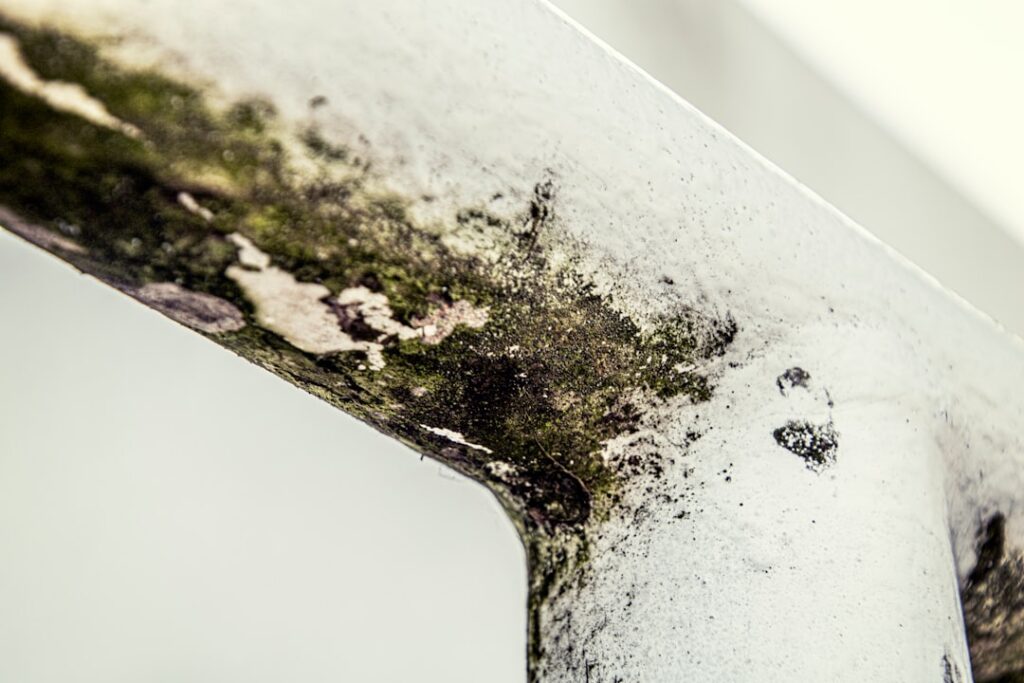
Searching for mold testing near me usually means one of two things has already happened: a musty smell that will not go away, or a visible patch of growth that raises the obvious question of how far the problem reaches. Testing exists to answer that question with data rather than guesswork. This guide summarizes EPA and CDC guidance current as of 2026 and explains how sampling actually works, what laboratory results mean, and how to choose a tester near you. It is informational only, not medical advice, and any persistent health symptoms should be discussed with a physician while testing decisions are made with a certified professional.
Part of our Mold Testing & Inspection guide — start there for the full picture →
Is this mold, asbestos, or water damage? Get a free instant screen
Upload a clear photo of the suspect area. You'll get an instant AI screening opinion and what to do next. This is screening guidance, not a professional determination.
Screening guidance only. AI can be wrong. Confirm asbestos, mold type, or lead with lab testing or a licensed professional before acting.
What “Mold Testing” Actually Measures
Mold testing is the laboratory analysis of samples collected from your home, and it is distinct from a visual mold inspection. An inspection looks for moisture, staining, and conditions that let mold grow. Testing puts a number on what is present. Most homeowners do not strictly need a number, because the EPA’s position is that if you can see or smell mold, you should fix the moisture and remove the growth regardless of species. Testing earns its cost in specific situations: confirming whether a suspect area is mold at all, comparing indoor spore levels against outdoor baselines, documenting a problem for a real estate transaction or insurance claim, or verifying that a remediation job actually worked.
Two facts shape every honest conversation about testing. First, there are no federal or Colorado state numeric limits for acceptable indoor mold, so a lab cannot tell you that you “passed” or “failed.” Second, results are interpreted by comparison, not against a fixed threshold. A skilled assessor reads indoor counts against an outdoor reference sample taken the same day, then folds in what the eyes and moisture meter found. The lab number alone is close to meaningless without that context.
Air Sampling vs Surface Sampling
The two workhorse methods answer different questions, and a thorough assessor often uses both.
Air Sampling (Spore Traps)
An air sample pulls a measured volume of air through a cassette that traps spores on a sticky slide, which the lab then counts under a microscope. The result is reported in spores per cubic meter. Air sampling is how you compare one room to another and to the outdoors, and it is the only practical way to detect spores that are airborne but not yet visible on a surface. Its weakness is timing: spore counts swing with the hour, the season, whether a window was open, and whether anyone walked across the carpet an hour earlier. A single grab sample is a snapshot, not a trend.
Surface Sampling (Tape, Swab, Bulk)
Surface sampling collects material directly from a suspect spot. A tape lift presses clear tape against the growth; a swab wipes it; a bulk sample removes a physical piece of the material. The lab then identifies what is growing and confirms whether discoloration is actually mold rather than soot, mineral salts, or staining. Surface sampling answers “is this mold and what kind,” while air sampling answers “how much is floating around and where.” Confirming a visible patch by tape lift is cheap and decisive; mapping a whole house by air is more involved.
When Each Method Is the Right Call
A simple decision rule covers most homes. Use surface sampling when you have a specific visible spot and only need to know whether it is mold and what type. Use air sampling when the concern is invisible: a musty smell with no source, a buyer’s worry about a home that looks clean, or a comparison of one floor against another. Combine both when the situation is serious or contested, because the surface sample identifies the organism and the air samples map its spread. A common professional protocol pairs one outdoor baseline, one or two air samples in the suspect area, one air sample in a “clean” control room, and a surface sample on any visible growth. That structure lets the lab and the assessor build a story rather than report an isolated figure.
Why Accredited Labs Matter (AIHA and NVLAP)
The collector in your home is only half the chain. The other half is the laboratory that reads the sample, and lab quality is not uniform. Look for analysis by a lab holding AIHA-LAP accreditation for the Environmental Microbiology Laboratory Accreditation Program, or NVLAP accreditation administered through the National Institute of Standards and Technology framework. These programs require documented procedures, analyst proficiency testing, and routine audits. An accredited lab’s spore count means roughly the same thing as the same count from another accredited lab, which is the entire point of paying for analysis.
Ask any local tester two direct questions: which lab analyzes your samples, and is that lab accredited. A reputable assessor answers without hesitation and can produce the lab’s chain-of-custody paperwork. If a company is vague about where samples go, treat that as a reason to keep looking. The same logic that drives a careful search for mold inspection services near me applies here: the credential behind the result is what you are actually buying.
Reading Spore-Count Results Without Panic
A lab report arrives as a table of genera with counts. Common names you will see include Cladosporium, Penicillium/Aspergillus (reported together because their spores look alike under a microscope), Alternaria, and Stachybotrys, the genus often called “black mold.” Interpreting that table follows a few rules.
Compare indoor to outdoor first. Outdoor air always carries spores, so an indoor count lower than or similar to the outdoor sample, with a similar mix of types, usually points to no active indoor source. The warning signs are an indoor count well above outdoors, or an indoor sample dominated by a type barely present outside. The presence of water-loving genera such as Stachybotrys or heavy Penicillium/Aspergillus indoors is a stronger flag than a high total count of ordinary outdoor types. A number in isolation proves little. The CDC is explicit that sampling is generally unnecessary because the response to any confirmed indoor mold is the same: correct the moisture and clean it up.
DIY Test Kits vs Professional Testing
Hardware-store kits, usually a settling plate of agar left open on a counter, are inexpensive and tempting. Their core flaw is that a settling plate will grow something in almost any home, because viable spores exist in all indoor air. A plate that grows colonies tells you spores are present, which was already true everywhere, but it does not measure concentration, compare against outdoors, or locate a source. Kits also frequently skip the lab step or use an unaccredited mailer, so the analysis quality is unknown.
DIY kits have a narrow legitimate use as a rough curiosity check before deciding whether to spend on a professional. They are a poor basis for a remediation decision, a real estate negotiation, or an insurance claim. Professional testing adds calibrated equipment, a measured air volume, a same-day outdoor baseline, accredited analysis, and a written interpretation that ties the numbers to what an inspector observed. For anything with money or health attached, the professional path is the defensible one.
The Independent vs Remediation Conflict of Interest
The single most important thing to understand before hiring is who profits from the answer. When the company that tests your home is also the company that bids to remediate it, the incentive to find a large, expensive problem is built in. This is not an accusation against every firm that does both, but the structure invites trouble.
The cleaner arrangement is an independent assessor who tests, interprets, and reports, but does not sell remediation, and a separate remediation contractor who does the removal. The independent party can also return for post-remediation verification testing, the “clearance” sample that confirms the work succeeded, without grading their own homework. If you do use a single firm for both, get the test results in writing, understand them yourself, and consider a second opinion before authorizing a large job. Many homeowners weighing whether to hire a licensed mold inspector miss this structural issue entirely, and it matters more than any single credential.
Post-Remediation Verification (Clearance Testing)
Testing has a second act that many homeowners forget about until a remediation invoice arrives: confirming the work actually succeeded. Post-remediation verification, often called clearance testing, is a fresh round of sampling after the cleanup crew has finished but before the containment comes down. It exists to answer one question with evidence rather than a contractor’s assurance, namely whether the treated area now reads in line with a clean control space and the outdoor baseline.
A proper clearance check has two parts. A visual inspection confirms the area is dry, that visibly moldy materials were removed rather than painted over, and that no dust or debris remains. Then air samples in the remediated zone are compared against the outdoor and control samples; counts and the mix of types should be similar, with no remaining dominance of the indoor genera that prompted the job. Clearance carries the most weight when the party performing it is independent of the company that did the removal, which is the same conflict-of-interest principle that runs through this entire decision. Skipping clearance on a large job means paying for remediation and then taking it on faith, which defeats the reason you tested in the first place.
What Mold Testing Costs
Pricing varies by region and scope, so treat the following as planning ranges rather than quotes. A single confirmation surface sample, such as a tape lift on one visible patch, is often the cheapest option once lab fees are included. A standard residential air-sampling assessment with an outdoor baseline and two to four indoor samples typically lands in the low-to-mid hundreds of dollars, with each additional lab sample adding to the total. A full assessment that combines a thorough visual inspection, moisture mapping, multiple air samples, and a written report costs more, and post-remediation clearance testing is usually billed separately.
Ask exactly what a quoted price includes, because “mold test” can mean a single sample or a whole-house workup. Confirm how many samples, whether lab fees are bundled, whether an outdoor baseline is included, and whether you receive a written interpretation rather than only a raw lab sheet. The cheapest number is not the best value if it omits the outdoor baseline or the interpretation that makes the data usable.
Finding and Choosing a Tester Near You
Start by separating testing from remediation in your own mind, then search for assessors, industrial hygienists, or home inspectors who offer environmental sampling. Trade directories from InterNACHI and ASHI list inspectors by area, and many carry mold-specific training. Vet candidates with a short checklist: Do they take an outdoor baseline sample? Which accredited lab analyzes the samples? Do they sell remediation, and if so how do they manage the conflict? Do you receive a written report that interprets the numbers? Will they do post-remediation clearance?
Colorado adds local context. The Front Range climate is dry overall, which can lull homeowners into thinking mold is a coastal problem, yet finished basements, snowmelt intrusion, ice-dam leaks, and tightly sealed modern homes across Denver, Douglas, Arapahoe, Jefferson, and Boulder counties all create the damp, stagnant conditions mold needs. Colorado does not run a statewide residential mold-tester license, so credentials, lab accreditation, and the conflict-of-interest question carry extra weight here. Pairing a clear-eyed read of the broader mold inspection and testing picture with a few of the sibling guides on finding trustworthy local mold inspectors will leave you far better prepared than a single web search would.
How to Prepare Your Home for an Accurate Test
The conditions in your home at the moment of sampling shape the result, so a little preparation protects the accuracy of what you pay for. The general aim is to capture a normal, representative picture rather than an artificially low or spiked one. Keep windows and exterior doors closed for several hours before air sampling, because outdoor air pouring in skews the indoor count toward the outdoor baseline and masks an indoor source. Run the HVAC system on its normal setting so the air movement matches everyday conditions, unless the assessor directs otherwise for a duct-specific test.
Avoid cleaning or scrubbing the suspect area right before testing, since disturbing a colony temporarily floods the air with spores and inflates the reading, while a recent deep clean can suppress it and hide the problem. Do not run air purifiers, ozone machines, or foggers in the days before sampling, because they artificially lower airborne counts and produce a falsely reassuring result. Note recent events for the assessor: a window left open, a vacuuming session, a humidifier running, or a rainstorm that raised outdoor spore levels all belong in the record so the interpretation accounts for them. A good tester will ask these questions; volunteering the answers makes the report more trustworthy.
Common Mistakes That Waste Testing Money
Several predictable errors turn a useful test into wasted money, and knowing them in advance is the cheapest insurance available. The first is testing when you do not need to: if mold is visible and you already plan to clean it and fix the leak, the lab number changes nothing, and the budget is better spent on the repair. The second is accepting a result with no outdoor baseline, which leaves the indoor count with nothing to be compared against and renders it close to uninterpretable.
The third mistake is treating a high total spore count as automatic proof of danger, when the type of spore and the indoor-to-outdoor relationship matter far more than the raw total. The fourth is letting the remediation seller also be the sole tester and the sole interpreter, then authorizing a large job on that single voice. The fifth is paying for testing but skipping the post-remediation clearance, which means never confirming the work succeeded. Avoiding these five turns testing from a reflex purchase into a deliberate, defensible step, and the guides on searching for mold inspection near me walk through the same caution from the inspection side.
References
- Mold Cleanup in Your Home — U.S. Environmental Protection Agency
- About Mold and Health — Centers for Disease Control and Prevention
- Mold and Health Effects Guidance — U.S. Environmental Protection Agency
- Mold Inspection Standards of Practice — InterNACHI
Frequently asked questions
Do I need mold testing if I can already see the mold?
Usually not. The EPA advises that visible or smelled mold should be cleaned up and the moisture fixed regardless of species, so a lab number rarely changes the response. Testing earns its cost mainly to confirm a suspect spot, document a transaction or claim, or verify that remediation worked.
What is the difference between air and surface mold sampling?
Air sampling pulls a measured volume of air through a spore-trap cassette to estimate how many spores are floating and where, compared against an outdoor baseline. Surface sampling collects material directly from a suspect spot to confirm it is mold and identify the type. Many assessors use both together.
Why does an accredited lab matter for mold testing?
Accreditation through AIHA-LAP or NVLAP requires documented procedures, analyst proficiency testing, and audits, so a count from one accredited lab means the same thing as from another. Ask any local tester which lab reads the samples and whether it is accredited.
Are DIY mold test kits reliable?
They are limited. Settling-plate kits grow something in almost any home because spores exist in all indoor air, so they do not measure concentration or compare against outdoors. They work as a rough curiosity check but are a weak basis for remediation, real estate, or insurance decisions.
Should the same company test and remediate my mold?
It creates a conflict of interest, because a firm that both tests and remediates has an incentive to find a large, costly problem. An independent assessor who only tests and interprets, paired with a separate remediation contractor, keeps the diagnosis honest and allows unbiased clearance testing afterward.
If you are in the Denver metro or anywhere along the Front Range and want an independent read before committing to a remediation bid, connect with a vetted local inspector through our contact page.