Best Radon Test Kits in 2026: A Buyer’s Guide for Homeowners
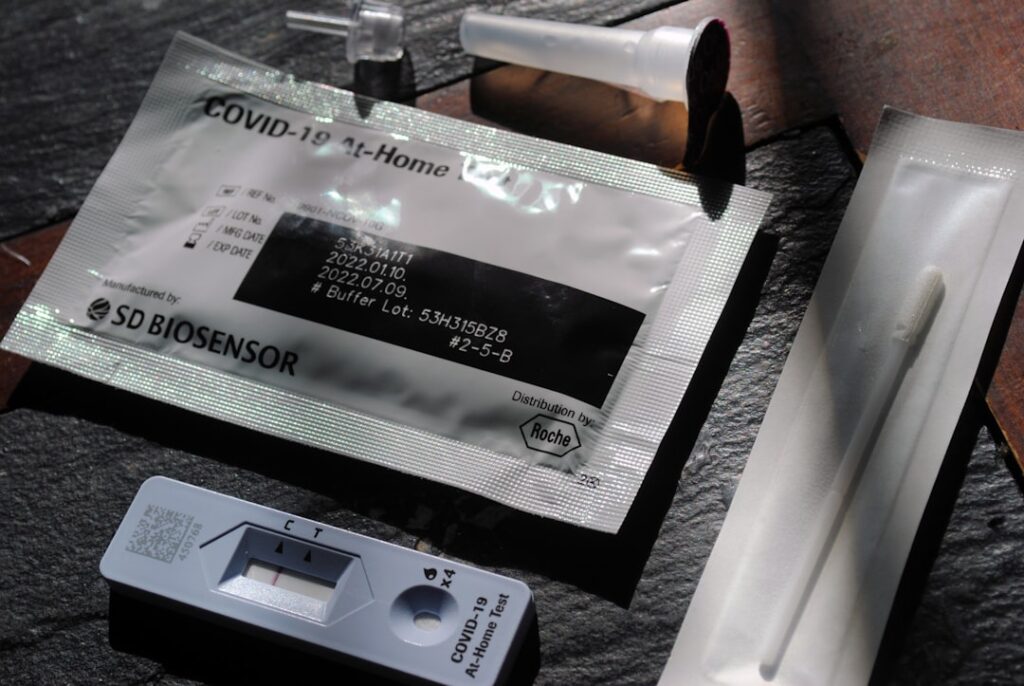
Radon test kits come in three basic formats: short-term charcoal-style kits that sit out for a few days, long-term alpha-track detectors that stay in place for months, and multi-detector packs meant for side-by-side or follow-up testing. Each format answers a different question. A short-term kit tells you whether there is a problem worth chasing, a long-term kit tells you what a household actually breathes over the seasons, and a twin pack lets you check one result against another. Below are seven radon test kits matched to those jobs, followed by a buying guide aimed at Colorado Front Range homes, where radon potential is high county after county.
Part of our Radon Levels guide — start there for the full picture →
As an Amazon Associate we earn from qualifying purchases.
How we compared: we compared 15 current Amazon listings that turned up for radon test kit searches: eight mail-in lab kits and seven digital detectors. We judged each on what its listing actually states: test method, test length, whether the lab fee is included, return postage, the lab credential named and the stated turnaround. We did not lab-test any of these kits or use them hands-on. Prices and availability change often, so check the current listing before buying.
Quick picks: the best radon test kits by kit type
| Pick | Best for | Kit type | Key detail |
|---|---|---|---|
| First Alert RD1 | First-time screening | Short-term, mail-in | Lab fee included; results emailed within 72 hours of lab receipt |
| Leaping Lynx LL-Radonv2 | A kit that names its method | Short-term activated charcoal | 48-hour test; NRPP-certified lab analysis included |
| PRO-LAB RA100 | Twin-pack side-by-side testing | Two short-term detectors | Two detectors in one box; per-detector lab fee extra |
| RSSI AT-101 | Year-round average | Long-term alpha-track | One month to one year; prepaid return postage |
| PRO-LAB RL416 | Long-term test with lab fee included | Long-term alpha-track | Prepaid first-class return envelope; consultation included |
| empowerDX Radon Test Kit | Lab credentials spelled out | Short-term, mail-in | Names NRPP certification and EPA listing; 3 to 5 business days |
| Airthings Corentium Home 223 | Skipping the mail entirely | Digital detector | Three AAA batteries; on-screen short- and long-term readings |
The seven picks, compared listing by listing
1. First Alert RD1 — Best Short-Term Kit for First-Time Screening
Mail-in short-term radon kit with lab fees included and results emailed within 72 hours of the lab receiving it.
Check price on Amazon| Specification | Details |
|---|---|
| Kit type | Short-term mail-in test; detector method not stated in listing |
| Lab fee | Included in the kit (New Jersey state fees excluded) |
| Turnaround | Results emailed within 72 hours after the lab receives the kit |
| Lab credential named | Listed under the EPA radon gas measurement proficiency program |
| Return postage | Not stated in listing |
| Model | RD1; intended for use within the United States |
First Alert RD1 — short-term mail-in kit, lab fee included, emailed results within 72 hrs of receipt, U.S. use only
The Fastest Stated Lab Turnaround Among the Eight Mail-In Kits
Four of the eight mail-in kits on this shelf put a number on how quickly results come back once the lab has the detector. Two say 3 to 5 business days, one says within a standard work week, and the RD1 says results are emailed within 72 hours of receipt. That is the shortest stated window on the shelf, which matters when a homeowner wants to decide quickly whether a follow-up test is needed.
The RD1 is also one of five lab kits whose listing says the lab analysis is already paid for. That removes the most common surprise with mail-in kits, a second charge at the moment of mailing. Its credential wording is older: it says the kit is listed under the EPA radon measurement proficiency program. EPA’s current guidance names two national radon proficiency programs, NRPP and NRSB, so it is reasonable to confirm on the instructions which lab analyzes the device.
The listing is thin on method. It does not say whether the detector is charcoal or another passive type, how long the test runs, or whether return postage is prepaid. Those details will be on the packaging, but buyers comparing listings side by side get less here than from the Leaping Lynx or RSSI pages.
Pros
- Shortest stated lab turnaround on the shelf
- Lab analysis included in the kit
- Simple single-detector screening kit
Cons
- Detector method and test length not stated in listing
- Return postage not mentioned
- Credential wording does not name NRPP or NRSB
2. Leaping Lynx LL-Radonv2 — Best Activated Charcoal Kit
48-hour activated charcoal radon kit with NRPP-certified lab analysis included; return postage paid by the buyer.
Check price on Amazon| Specification | Details |
|---|---|
| Kit type | Short-term activated charcoal detector |
| Test length | 48 hours, placed in the lowest livable level |
| Lab fee | Included; no separate analysis charge |
| Lab credential named | NRPP-certified laboratory using an EPA-recognized method |
| Turnaround | Typically 3 to 5 business days after the lab receives the sample |
| Return postage | Buyer pays postage; return mailer included |
Leaping Lynx LL-Radonv2 — activated charcoal, 48-hr test, NRPP lab included, 3–5 business-day results, postage extra
The Only Short-Term Kit Listing That Names Activated Charcoal
Five of the eight lab kits are short-term tests. Only this one tells the buyer outright that the detector is activated charcoal. The PRO-LAB RA100 refers only to a “patented design,” and the PRO-LAB RA155, First Alert and empowerDX pages do not describe the detector type at all. Knowing the method matters because charcoal kits are sensitive to how quickly they get back to the lab, so a buyer should plan to mail the kit the day the test ends.
The listing is also clear about the full workflow: place the detector in the lowest livable level, leave it exposed for 48 hours, then mail it to an NRPP-certified lab with the analysis already covered. It names the same 3 to 5 business-day turnaround as empowerDX.
The trade-off is postage. The listing states that return postage is the buyer’s job, while only two of the eight lab kits, both long-term alpha-track kits, say return postage is prepaid. Factor in a trip to the post office or a prepaid label from a carrier.
Pros
- Names the detector method: activated charcoal
- NRPP-certified lab analysis included
- Clear placement and timing instructions in the listing
Cons
- Return postage is extra
- 48-hour snapshot only
- Charcoal results depend on prompt mailing
3. PRO-LAB RA100 Twin Pack — Best for Side-by-Side or Follow-Up Testing
Two short-term radon detectors in one box for side-by-side testing; a separate lab fee is charged per detector.
Check price on Amazon| Specification | Details |
|---|---|
| Kit type | Two short-term detectors; method described as a patented design |
| Test length | As little as 48 hours |
| Lab fee | Not included; a separate analysis fee applies to each detector |
| Turnaround | Within a standard work week after the lab receives the detectors |
| Notifications | Email and text updates from receipt to results |
| Model | RA100 |
PRO-LAB RA100 — 2 short-term detectors, 48-hr minimum, lab fee per detector, results within a work week, email/text alerts
The Only Lab Kit on the Shelf That Ships Two Detectors
Seven of the eight mail-in kits contain one detector. The RA100 contains two, and the listing positions the pair for simultaneous testing and for real estate transactions. Two detectors are useful in two ways. Placed side by side, they give a duplicate reading that shows whether the result is consistent. Run one after the other, they follow the CDC’s advice that a short-term result above 4 pCi/L should be followed by a second test, with the two short-term results averaged.
The listing also promises email and text updates as the lab logs and analyzes the detectors, a feature shared only by other PRO-LAB listings on this shelf.
Cost transparency is the catch. The RA100 is one of two kits whose listing says lab analysis is billed separately for each detector, so two detectors means two lab fees. The listing also never names NRPP or NRSB, describing its methods only as “EPA approved.” Its claim that two detectors satisfy real estate requirements should be checked against the purchase contract and local practice; the EPA recommends a qualified tester when buying or selling.
Pros
- Only two-detector kit on the shelf
- Supports duplicate or back-to-back testing
- Email and text status updates
Cons
- Separate lab fee for each detector
- No national proficiency program named
- Detector method not described beyond “patented design”
4. RSSI AT-101 — Best Long-Term Alpha-Track Kit
Long-term alpha-track kit for one month to one year, with analysis and prepaid return postage included.
Check price on Amazon| Specification | Details |
|---|---|
| Kit type | Long-term alpha-track detector |
| Test length | One month to one year; listing notes EPA defines long-term as 91 days or more |
| Lab fee and postage | Analysis, shipping and prepaid U.S. return postage included |
| Lab credential named | NRPP and C-NRPP certified; state licensed |
| Report | By email or mail, also online; links to EPA and the state radon program |
| Model / restriction | AT-101; cannot ship to New Jersey addresses |
RSSI AT-101 — alpha-track, 1 month to 1 year, analysis + prepaid return included, NRPP/C-NRPP, not sold to NJ
The Most Complete Long-Term Kit Listing on the Shelf
Three of the eight lab kits are long-term alpha-track detectors: this one and two from PRO-LAB. The RSSI listing is the only one of the three that names a national proficiency credential, NRPP plus the Canadian C-NRPP, and adds state licensing. It is also one of just two kits on the whole shelf that say return postage is prepaid.
The flexible test window is the main reason to choose it. The listing allows anything from one month to a year, and it reminds buyers that the EPA treats 91 days or more as long-term. CDC guidance says long-term kits tell you a home’s year-round average, and that the longer the test, the better it reflects the home’s levels. A full heating-and-cooling cycle is the closest a homeowner can get to a true annual number without a continuous monitor.
What it does not do is answer quickly. A long-term kit is a poor fit inside a real estate contingency window, and the listing notes that tests shorter than a month need extra instructions from the company.
Pros
- Names NRPP and C-NRPP certification and state licensing
- Analysis and prepaid return postage included
- Flexible one-month to one-year window
Cons
- Results take months by design
- Not available to New Jersey addresses
- Turnaround after mailing not stated in listing
5. PRO-LAB RL416 — Best Long-Term Kit With the Lab Fee Included
Alpha-track long-term kit with lab analysis, expert consultation and a prepaid first-class return envelope included.
Check price on Amazon| Specification | Details |
|---|---|
| Kit type | Long-term alpha-track detector |
| Test length | Not stated in listing |
| Lab fee | Included, along with an expert consultation |
| Return postage | Prepaid first-class return envelope included |
| Lab credential named | “EPA approved” wording only |
| Model | RL416 |
PRO-LAB RL416 — alpha-track long-term kit, lab fee + consultation included, prepaid first-class return envelope
The PRO-LAB Long-Term Kit That Bundles the Lab Fee
PRO-LAB sells two long-term alpha-track kits on this shelf, and their listings differ on the detail that matters most to the total cost. The RL116 listing states a separate per-detector lab fee and a 3 to 12 month test window. The RL416 listing says the lab analysis fee is included, adds an expert consultation and supplies a prepaid first-class envelope for the return trip.
That makes the RL416 one of two kits on the shelf, alongside the RSSI, that say both the lab analysis and the return postage are covered. For a homeowner running a long-term follow-up after a borderline short-term result, fewer steps at the end of a months-long test means fewer kits forgotten in a drawer.
The listing is short. It does not state the test length, the lab turnaround or which proficiency program the lab belongs to. Buyers who want those details in writing before purchasing may prefer the RSSI listing, which states all but the turnaround.
Pros
- Lab analysis and consultation included
- Prepaid first-class return envelope
- Alpha-track method stated
Cons
- Test length not stated in listing
- No proficiency program named
- Turnaround not stated in listing
6. empowerDX Radon Test Kit — Best for Lab Credentials Spelled Out
Mail-in radon kit analyzed by an NRPP-certified, EPA-listed lab with results in 3 to 5 business days after receipt.
Check price on Amazon| Specification | Details |
|---|---|
| Kit type | Short-term mail-in sample; detector method not stated in listing |
| Lab credential named | NRPP certified and listed by the EPA |
| Turnaround | 3 to 5 business days after the lab receives the sample |
| Return shipping | Any carrier of the buyer’s choice; postage terms not stated |
| Lab fee | Not stated in listing beyond a New Jersey state fee |
| Availability | Lab accepts samples only from U.S. residents |
empowerDX — mail-in kit, NRPP-certified/EPA-listed lab, 3–5 business-day results, any return carrier, U.S. only
One of Four Lab Kits That Names a Current Proficiency Credential
Credential wording varies widely on this shelf. Of the eight lab kits, four name a specific proficiency program: empowerDX and Leaping Lynx name NRPP, RSSI names NRPP and C-NRPP, and First Alert names the older EPA program. The four PRO-LAB listings use only the phrase “EPA approved.” The empowerDX listing puts its credentials front and center, naming NRPP certification and EPA listing in the title.
It also gives a concrete 3 to 5 business-day turnaround and explains the three steps: order, collect and return with any carrier.
The gaps are cost and method. Apart from a New Jersey fee, the listing does not spell out whether the lab analysis is included, and it never says whether the sampler is charcoal or something else, or how long it stays out. Read the instructions before setting it up so the test length matches what the lab expects.
Pros
- Names NRPP certification and EPA listing
- Stated 3 to 5 business-day turnaround
- Any return carrier accepted
Cons
- Lab fee status not clearly stated
- Detector method and test length not stated in listing
- U.S. residents only
7. Airthings Corentium Home 223 — Best Digital Alternative to a Mail-In Kit
Battery-powered digital radon detector showing short- and long-term readings on screen; no lab, no outlet needed.
Check price on Amazon| Specification | Details |
|---|---|
| Kit type | Reusable digital radon detector |
| Power | Three AAA batteries; no outlet required |
| Readings | Short-term and long-term averages on the built-in screen, in pCi/L |
| Reporting | Generates a radon self-inspection report |
| Size / weight | About 4.7 x 2.7 x 1 in; 0.22 lb |
| Model / warranty | 223; 5-year extended warranty with registration within 30 days |
Airthings Corentium Home 223 — 3xAAA, on-screen short- and long-term pCi/L, self-inspection report, 5-yr warranty with registration
The Lightest Stated Weight Among the Digital Detectors on This Shelf
Seven of the 15 listings returned for test-kit searches are digital detectors rather than mail-in kits. Among the digital listings that state a weight, the Corentium Home 223 is the lightest at 0.22 pounds and runs on ordinary AAA batteries, so it can sit anywhere without a cord. It shows both a short-term and a long-term average on the screen, which lets it act like a repeatable short-term kit and, over time, a long-term one.
The main appeal next to a mail-in kit is reuse. A homeowner can test the basement, move it to a lower-level bedroom, then check results again after a mitigation system is installed, all without another lab fee. The CDC advises retesting after any repairs and after remodeling, so a reusable device fits that cycle well.
A digital detector is not the same as a lab-analyzed test, though. The listing makes no claim of NRPP device listing and does not state a sensor type or measurement range. For a real estate decision, results from a qualified tester or a lab-analyzed kit carry more weight. For a deeper look at the two leading consumer lines, see our Airthings vs Corentium comparison.
Pros
- Reusable with no lab fees
- Runs on AAA batteries; no outlet needed
- Short- and long-term averages on screen
Cons
- No app or connectivity
- Sensor type and range not stated in listing
- Not a substitute for a lab or professional test in a sale
Charcoal, alpha-track or twin pack: which kit type fits
The CDC splits radon test kits into two groups. Short-term kits measure for 2 to 90 days and give quick results; long-term kits measure for more than 90 days and reflect the home’s year-round average. Within those groups, the formats on this shelf break down as follows.
Short-term charcoal and passive kits
Five of the eight mail-in kits are short-term. They are the cheapest and fastest way to find out whether a home has a radon problem, and the listings that state a test length name 48 hours. Their weakness is that a few days in a single season cannot capture how radon rises and falls with weather, wind and furnace operation. Mail-in short-term kits are also time-sensitive in transit, so labs want them back promptly. Use a short-term kit for a first screening, for a quick check after a basement finish or for a post-mitigation verification.
Long-term alpha-track kits
Alpha-track detectors record tracks left by alpha particles on a small piece of film. Because they stay in place for months, they average out short-lived spikes and dips. Three listings on this shelf are alpha-track kits, with stated windows from one month up to a year. A long-term kit is the right follow-up when a short-term result lands in the 2 to 4 pCi/L range and the household wants a better picture before spending money on mitigation.
Twin packs and duplicate testing
Two detectors from the same kit can be placed side by side to check consistency or used in sequence for a follow-up. The CDC says that if a short-term result is above 4 pCi/L, the next step is a second test, either short-term or long-term, and that two short-term results should be averaged. A twin pack means the second detector is already on hand. The ANSI/AARST home measurement standard that EPA lists also addresses how to plan tests in multiple locations and how to handle results that disagree, which is a reminder that a single number is rarely the final answer.
How to read a radon test kit listing
Listings mix marketing with real specifications. These are the details that change the outcome or the cost:
- Lab fee included or separate. Five of the eight lab kits say analysis is included. Two state a separate per-detector fee, which can double or triple the effective cost of a kit.
- Return postage. Only two listings say return postage is prepaid. Others either require the buyer to pay or do not say.
- Named credential. The EPA’s current guidance points to two national radon proficiency programs, NRPP and NRSB, plus state credentialing. Four of the eight lab kits name a specific program; the rest say “EPA approved.”
- Turnaround. Stated lab turnaround ranges from 72 hours to a standard work week after receipt. Shipping time is on top of that.
- Test length. A kit’s minimum exposure time is as important as its turnaround. Leaving a short-term detector out longer or shorter than the instructions allow can invalidate the result.
For a frank look at how DIY kits hold up against professional testing, see our guide to DIY radon test accuracy.
Setting up a kit so the result means something
Most bad kit results come from setup, not from the lab. The CDC’s instructions are a good baseline:
- Place the device in the basement or the lowest level of the home; in a multi-unit building, use the lowest level of your unit.
- Raise it about three feet off the floor, in the middle of the room, away from drafts, sump pits, kitchens and bathrooms.
- Leave it in place for exactly the time the kit specifies, then seal and mail it as directed.
- For short-term tests, keep windows and exterior doors closed except for normal entry and exit, as the kit instructions describe.
Write the start and stop times on the data sheet. Mail the detector the day the test ends, ideally not right before a weekend or holiday.
Why Colorado Front Range homes should test
EPA’s Colorado zone map places Denver, Jefferson, Arapahoe, Adams, Douglas, Boulder, El Paso, Elbert, Larimer and Weld counties, along with most of the state, in Zone 1. Zone 1 counties have a predicted average indoor screening level above 4 pCi/L. The same map warns that it should not be used to decide whether an individual home needs testing; every home should be tested, regardless of zone.
That last point matters on the Front Range because neighboring homes can test very differently. Foundation type, soil, the depth of a basement and how the home is heated all shift the result. Our Colorado radon levels by zip code guide shows local patterns, but a kit in your own basement is the only number that counts.
Radon also moves with the seasons. Many Front Range homes stay closed up through the long heating season, so a short-term test taken then is a reasonable conservative screen, while a long-term kit that spans winter and summer gives the average.
What to do with your result
Results come back in picocuries per liter (pCi/L). The CDC, citing EPA, recommends contacting a licensed professional to install a radon reduction system when radon is at or above 4 pCi/L, and recommends taking action to reduce radon between 2 and 4 pCi/L. The CDC also notes there is no known safe level and that the average indoor level in American homes is about 1.3 pCi/L.
- Below 2 pCi/L: no action needed; retest if the household starts using a lower level more, such as a basement bedroom or office.
- 2 to 4 pCi/L: consider a long-term test and consider mitigation. See our guide on what radon levels should be.
- 4 pCi/L or higher on a short-term kit: run a second test and average the two short-term results, or follow with a long-term test, then plan mitigation if the confirmed level is still at or above 4. Our guide on how to fix radon in a home covers the options.
Radon is the second leading cause of lung cancer deaths in the United States after cigarette smoking, according to the CDC, which adds that the EPA and the Surgeon General’s office estimate more than 21,000 radon-related lung cancer deaths each year. Smoking raises the risk further. Those numbers are why a cheap kit is worth the effort even in a newer home.
DIY kits vs a professional radon test
A kit from this list is fine for a homeowner’s own screening and follow-up. Real estate deals are different. The CDC notes that the EPA recommends hiring a qualified tester when buying or selling, and a professional continuous monitor produces hourly data and gives both sides a documented report. Landlords and tenants have their own considerations, covered in our guide to radon in rental housing.
A kit also cannot tell you why radon is high or how to fix it. A certified mitigation professional measures how air moves beneath the slab and designs a system to match. EPA directs homeowners to their state radon program or to the NRPP and NRSB proficiency programs to find credentialed testers and mitigators.
Homes on private wells have one more source to consider, since radon can come out of water during showers and laundry. Our guide to testing for radon in well water explains the separate water test.
For a full overview of testing strategy, see our radon testing hub. If you are buying or selling on the Front Range and want radon handled by a credentialed professional, contact us to be connected with a vetted local inspector.
References
- Testing Your Home for Radon — Centers for Disease Control and Prevention
- Radon and Your Health — Centers for Disease Control and Prevention
- Find a Radon Test Kit or Measurement and Mitigation Professional — U.S. Environmental Protection Agency
- Colorado — EPA Map of Radon Zones — U.S. Environmental Protection Agency
- Radon Standards of Practice — U.S. Environmental Protection Agency
Frequently asked questions
What type of radon test kit should I buy first?
For a first screening, a short-term mail-in kit with the lab fee included is the simplest start. It runs for a few days and tells you whether radon is worth chasing. If the result is between 2 and 4 pCi/L, or above 4, follow up with a second short-term test or a long-term alpha-track kit.
What is the difference between a charcoal and an alpha-track radon test?
Charcoal kits are short-term detectors that sit out for a few days and must be mailed back promptly. Alpha-track kits are long-term detectors that record radon decay over months, so they reflect a home's year-round average. The CDC says the longer the test, the better it reflects the home's actual levels.
Why buy a radon test kit with two detectors?
Two detectors let you run a side-by-side duplicate test or a back-to-back follow-up. The CDC advises a second test after a short-term result above 4 pCi/L and averaging two short-term results. Check whether the lab fee is charged per detector before buying.
Are home radon test kits accurate enough?
Lab-analyzed kits give a useful result when the instructions are followed exactly: correct placement, correct test length and prompt mailing. Look for a lab that names a proficiency credential such as NRPP or NRSB. For a home sale, the EPA recommends a qualified tester.
Do Colorado homes need radon testing?
Yes. EPA's Colorado zone map places most Front Range counties in Zone 1, the highest-potential category, with a predicted average indoor screening level above 4 pCi/L. The map itself says every home should be tested regardless of zone, because neighboring homes can differ.
Want a credentialed radon test as part of a Front Range home purchase or sale? Reach out through our contact page to connect with a vetted local inspector.
Radon test kits we recommend
Short-term charcoal kits are the cheapest way to get a first reading; mail the canister to the lab and results come back in days.
| Product | Why | Buy |
|---|---|---|
 AirChek Charcoal Radon Test Kit AirChek Charcoal Radon Test Kit | Lab fee usually included; EPA short-term protocol. | Amazon — $21.95 |
 First Alert RD1 Radon Test Kit First Alert RD1 Radon Test Kit | Widely stocked; 48-hour charcoal test. | Amazon — $16.98 |
| Health Metric Radon Test Kit | Two-pack option for closed-house testing. | Amazon — $16.98 |