Is the Seller Present During a Home Inspection?
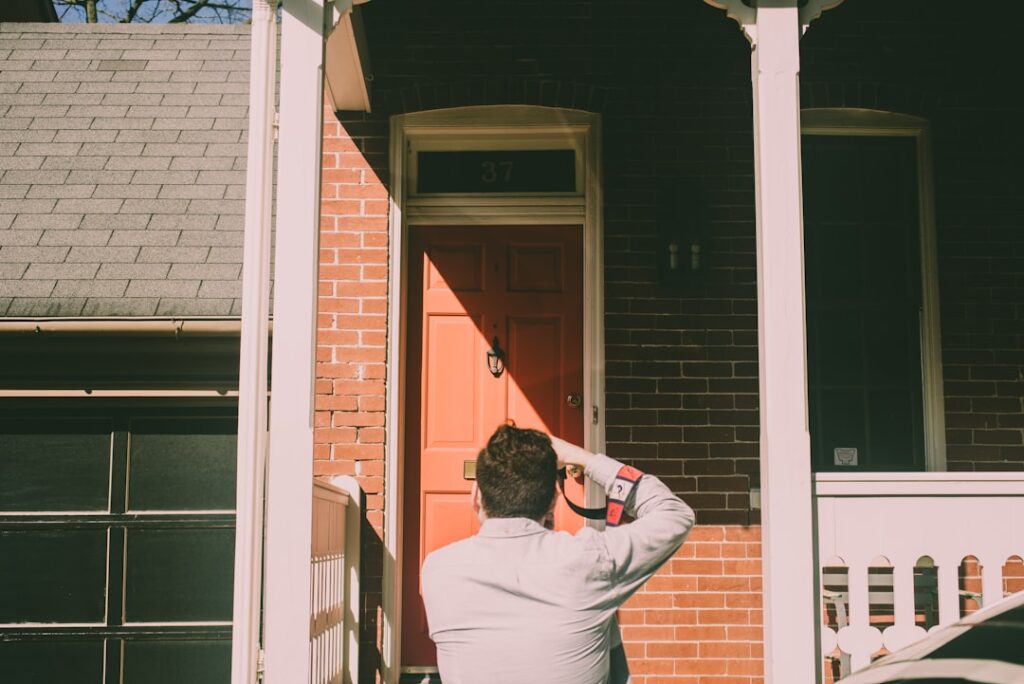
One of the more common questions buyers and sellers ask before inspection day is who actually shows up. Buyers wonder if they will be sharing the home with its current owner; sellers wonder if etiquette expects them to stay or step out. So is the seller present during a home inspection? In most residential transactions the answer is no, and there are practical reasons the industry has settled on that norm. Understanding why helps both sides plan a smoother appointment.
Part of our Home Inspections Explained guide — start there for the full picture →
Is the seller present during a home inspection?
In the vast majority of cases, the seller is not present during a home inspection. Standard real estate practice is for the seller to vacate the property so the buyer, the buyer’s agent, and the inspector can move through the home freely. The inspection is arranged by and paid for by the buyer, so the appointment is treated as the buyer’s time in the home.
There is no law in most states requiring the seller to leave or to stay. The convention comes from custom and from listing-agent guidance rather than statute. Sellers are usually advised by their own agent to be away for the two to three hours an inspection typically runs.
Why sellers usually leave during the inspection
The biggest reason is candor. Buyers tend to speak more openly with their inspector and agent when the owner is not in the next room. They ask blunter questions, voice concerns out loud, and discuss whether issues are dealbreakers. An empty house makes that conversation comfortable.
Inspectors also work more efficiently without the owner trailing them. The inspector needs access to attics, crawl spaces, electrical panels, water heaters, and every room. Having the seller hovering can slow the walkthrough and create awkward moments when a defect is found.
There is a legal angle too. If a seller is present and answers questions about the property, they may inadvertently make statements that conflict with their written disclosures. Listing agents generally prefer that all such communication go through formal channels rather than casual hallway conversation.
Who is typically present at an inspection
The home inspector is always there, since they perform the work. The buyer is usually present for at least part of the appointment, often arriving toward the end for a verbal summary. The buyer’s real estate agent frequently attends to coordinate access and take notes.
Specialists may join for portions of the visit, such as a radon technician, a sewer-scope contractor, or a structural engineer if one was requested. For a fuller breakdown of attendance roles, the guide on who should attend a home inspection covers each party’s purpose. A companion piece on seller presence during inspection addresses edge cases in more detail.
When a seller might be present
Some situations make seller presence more likely. In a for-sale-by-owner transaction with no listing agent, the seller may have to be there simply to provide access. Owners of unique or complex properties, such as homes with off-grid systems, historic features, or extensive smart-home wiring, sometimes stay briefly to explain how equipment works.
Occupied rentals, homes with pets that cannot be left alone, and properties where the seller has mobility constraints can also lead to the owner remaining on site. In these cases, etiquette suggests the seller give the inspection team space, stay in one area, and avoid commenting on the buyer’s reactions.
How seller presence affects the buyer
When a seller stays, buyers sometimes feel they cannot speak freely. The practical workaround is to save candid discussion for outside or for a phone call afterward, and to ask the inspector for a written report and a private verbal review. A good inspector will note that the report stands on its own regardless of who was in the home.
Buyers should never let a present seller steer the inspection or downplay findings. The inspector’s job is to document conditions objectively. If a seller becomes obstructive, the buyer’s agent can step in to keep the appointment on track. Buyers can prepare by reviewing the broader guide to hiring a home inspector so they know what a thorough appointment should include.
How seller presence affects the inspector
Inspectors are trained to remain neutral and to document what they observe. A present seller does not change the standards of practice an inspector follows, but it can change the dynamics of the day. Professional inspectors will politely ask for access to every area and will not soften findings to spare the owner’s feelings.
Trade associations encourage inspectors to communicate findings to their client, the buyer, rather than to the seller. If the seller asks the inspector questions, the inspector will typically redirect those to the appropriate agents. This protects the integrity of the inspection and the inspector’s relationship with the paying client.
Etiquette tips for sellers who must stay
Sellers who cannot leave can still make the appointment run smoothly. Clear access to the attic hatch, electrical panel, furnace, and water heater ahead of time. Unlock gates and sheds. Secure pets in a crate or a single closed room and let the inspector know where they are.
Once the team arrives, the courteous approach is to retreat to one room or the yard and let them work. Avoid following the inspector, avoid explaining away defects, and resist the urge to listen in on buyer conversations. Leaving a short note about quirks, such as a tricky shutoff valve, is more helpful than narrating in person.
What buyers should ask before inspection day
Buyers can avoid surprises by confirming logistics in advance. Ask the agent whether the seller will be present, how access will be arranged, and how long the inspection is expected to take. Confirm whether utilities will be on, since an inspector cannot test systems that are shut off.
It also helps to clarify whether any specialists are joining and whether the buyer is expected to attend the whole appointment or just the wrap-up. Buyers who want to understand the wider hiring decision, including credentials and report quality, can review the hiring-process hub before booking.
How long does the seller need to be away?
Sellers planning their day usually want to know how long to stay gone. A standard home inspection runs about two to three hours for an average single-family home, and longer for larger or older properties or when specialists are involved. Sellers are generally advised to leave before the inspection team arrives and to plan on being away for at least three to four hours to give a comfortable buffer.
Building in extra time matters because inspections sometimes run long when an inspector finds an area needing closer examination, or when a buyer arrives toward the end with questions. A seller who returns early and finds the buyer still walking the home with the inspector can create the very awkwardness the convention is meant to avoid. Coordinating the schedule with the listing agent prevents that overlap.
What happens to seller questions and comments?
Sellers naturally want to explain the quirks of a home they have lived in, but inspection day is not the venue. If a seller is present and offers commentary, a professional inspector will politely note that observations go in the written report. Any explanations about repairs, system age, or known issues belong in the formal disclosure documents, not in casual conversation.
This protects everyone. A buyer relies on the written report and disclosures, which create a clear record. Verbal comments from a seller, even well-meaning ones, can muddy that record or later be characterized as misrepresentation. Sellers who want to convey helpful information are better served by leaving a written note about specific items, such as the location of a main water shutoff or a recently replaced appliance.
Special cases: new construction and tenant-occupied homes
A few transaction types change the usual picture. In new-construction sales, a builder representative may attend rather than an individual seller, sometimes to walk the buyer through systems or to note items for a punch list. The dynamic is more collaborative than in a resale, though the buyer still benefits from candid time with the inspector.
Tenant-occupied homes add another layer. When a landlord sells a rental, the tenant living there is not the seller and has rights regarding access and notice. The seller still typically stays away, but coordinating entry with the tenant requires advance notice and cooperation. These situations call for the agents to arrange access carefully so the inspection proceeds without friction and the tenant’s rights are respected.
Bottom line on seller attendance
For most home sales, the seller leaves and the buyer’s team has the home to themselves. The convention exists to protect candid communication, keep the inspection efficient, and avoid disclosure complications. When circumstances require the seller to stay, simple etiquette keeps the appointment productive for everyone involved.
Buyers should confirm logistics in advance, and sellers should plan to be away for the full window. When both sides understand why the norm exists, inspection day runs smoothly and the resulting report gives the buyer the clear, honest information needed to move forward with the purchase.
How the inspection differs from an appraisal walkthrough
Buyers sometimes confuse the home inspection with the appraisal, and the attendance norms differ. An appraisal determines the home’s value for the lender and is a much shorter visit, often without the buyer present at all. The appraiser may take measurements and photos and leave within an hour. The seller’s presence is generally a non-issue for an appraisal.
The inspection is the detailed condition assessment, and that is where the seller’s absence matters most. Because the inspection involves candid discussion of defects between the buyer, agent, and inspector, the privacy created by an absent seller is far more important here than during a brief appraisal. Buyers should keep the two events distinct and recognize that the attendance conventions discussed in this guide apply specifically to the home inspection.
How an empty home helps the inspector work
Beyond the candor it preserves for buyers, an empty home simply lets the inspector do a more complete job. Inspectors need to open every door, test every outlet, run faucets, cycle the HVAC, and access tight spaces like attic hatches and crawl space openings. When the home is empty, none of that requires negotiating around an owner’s belongings or routine.
An inspector working alone can take the time to investigate something that looks off, photograph it thoroughly, and document it without feeling rushed by an owner watching over their shoulder. They can move freely between the basement, the roof, and the exterior, building a coherent picture of how the home’s systems interact. That uninterrupted access produces a more thorough report, which ultimately benefits the buyer who paid for it.
Communicating findings when the seller is absent
With the seller away, the question of how findings reach the seller becomes straightforward: through the agents and the formal process. The inspector reports to the buyer, the buyer and their agent decide which findings matter, and any repair requests or concerns travel to the seller through the agents in writing. This keeps the record clean and the communication accountable.
This structured flow protects everyone. The seller receives organized, documented requests rather than reacting in the moment to an inspector’s verbal comment. The buyer’s concerns are framed deliberately rather than blurted out in front of the owner. And the inspector stays in their lane, documenting conditions for their client without being drawn into negotiation. The seller’s absence is what makes this clean process possible.
References
- Standards of Practice — International Association of Certified Home Inspectors
- ASHI Standard of Practice — American Society of Home Inspectors
- Property Maintenance Resources — International Code Council
Frequently asked questions
Is the seller usually present during a home inspection?
No. Standard practice is for the seller to leave so the buyer, their agent, and the inspector can move through the home freely. The appointment is arranged and paid for by the buyer, so it is treated as the buyer's time in the home.
Can a seller refuse to leave during the inspection?
There is no law in most states requiring a seller to leave, so they can technically stay. Listing agents generally advise sellers to be away to protect candid buyer discussion and to avoid making off-the-record statements that conflict with disclosures.
What should a seller do if they have to be present?
Provide clear access to all systems, secure pets, then stay in one room or outside while the team works. Avoid following the inspector or commenting on findings, and let formal communication go through the agents.
Will the seller being there change the inspection report?
No. A professional inspector documents conditions objectively regardless of who is present and reports findings to the buyer, not the seller. The standards of practice the inspector follows do not change based on attendance.