Home Inspection Checklist for Sellers: A Guide
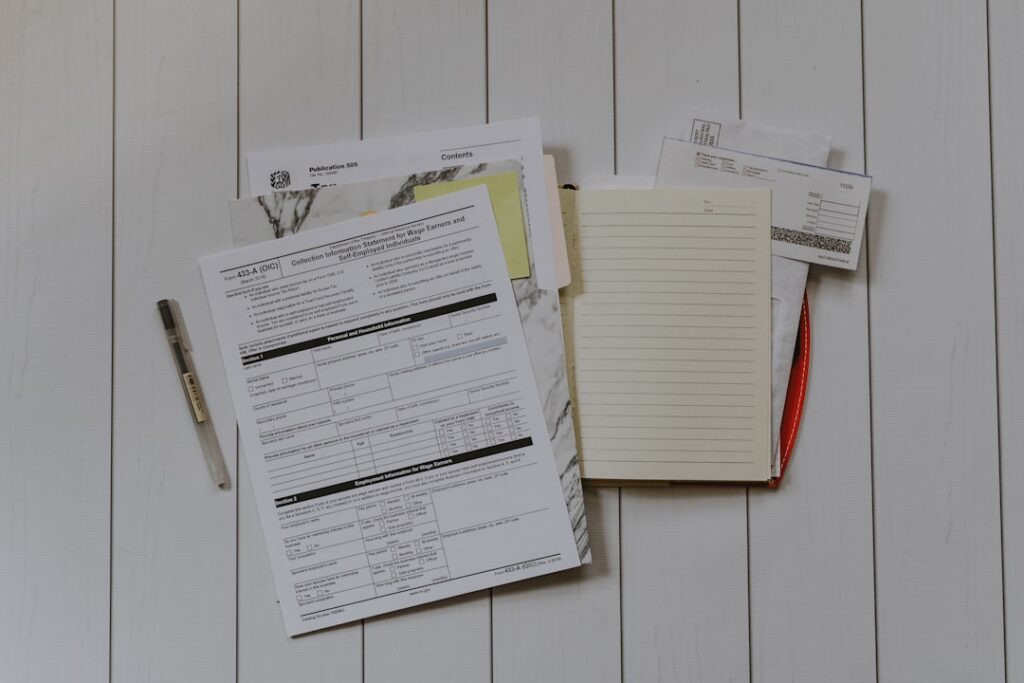
The inspection a buyer orders can reshape or sink a sale, which is why prepared sellers get ahead of it rather than react to it. A practical home inspection checklist for sellers covers the obvious fixes that derail negotiations, the systems an inspector always tests, and the strategic choice of whether to order a pre-listing inspection. Addressing problems before the buyer’s inspector arrives keeps surprises off the table, protects the asking price, and reduces the chance of a renegotiation or a collapsed deal. This guide walks through what to check, what to repair, and how to use the inspection process to a seller’s advantage.
Part of our Home Inspections Explained guide — start there for the full picture →
What should sellers fix before an inspection?
Start with the items that draw red ink on nearly every report: active leaks, electrical safety defects, non-working systems, and moisture or water intrusion. Fix dripping faucets and running toilets, replace missing or non-functioning GFCI outlets, swap dead smoke and carbon-monoxide detector batteries, and address any visible roof or plumbing leaks. These are inexpensive to correct but expensive to ignore, because a buyer’s inspector will list every one and the buyer will assume more lurks behind them.
Next, handle the maintenance items that signal neglect: clogged gutters, overgrown grading that traps water against the foundation, dirty HVAC filters, and missing weatherstripping. A clean, well-maintained home tells the inspector and buyer the property was cared for, which earns benefit of the doubt on minor findings. Understanding the buyer’s side helps — our guide on what to expect from a home inspection shows what their inspector will look at.
Room-by-room and system seller checklist
Exterior, roof, and grading
Clear gutters and downspouts and direct discharge away from the house. Confirm the ground slopes away from the foundation. Check the roof for missing or curling shingles and reseal obvious flashing gaps. Trim vegetation touching the siding or roof. Seal gaps where pipes and wires enter the home.
Plumbing and water
Fix leaks under every sink, stop running toilets, and check the water heater for corrosion and a working pressure-relief discharge pipe. Run all fixtures to confirm drainage and pressure. Address any slow drains.
Electrical
Replace any non-working outlets and switches, confirm GFCI protection in kitchens, bathrooms, garages, and exterior outlets, label the panel, and remove any obvious hazards like exposed wiring or overloaded extension-cord setups.
HVAC and interior
Replace the furnace filter, confirm heating and cooling both work, and have the system serviced if it’s been a while. Inside, repair damaged drywall, fix sticking doors and windows, and test every smoke and carbon-monoxide alarm. Many of these mirror the maintenance side of how to prepare for a home inspection.
Access and presentation
Inspectors can only report on what they can reach. Before the inspection, clear access to the electrical panel, water heater, furnace, attic hatch, and crawl-space entry, and move stored items away from these areas. A blocked panel or an inaccessible attic produces a report note that the area “could not be inspected” — which alarms buyers more than an honest finding would. Trim back any landscaping crowding the foundation or HVAC condenser, and make sure utilities are on so every system can be tested.
Presentation also shapes the inspector’s impression. A clean, organized home with replaced bulbs, no obvious leaks, and tidy mechanical spaces signals a maintained property and earns goodwill on minor findings. The goal is not to stage away problems but to remove the small distractions that make a home look neglected.
Should sellers get a pre-listing inspection?
A pre-listing inspection is one the seller orders before putting the home on the market. The advantage is control: the seller learns about problems first, decides what to fix, and avoids being blindsided by the buyer’s inspector during negotiations. It also lets the seller price the home accurately and disclose known issues upfront, which builds trust and can speed the sale.
The tradeoff is that once a seller knows about a defect, most jurisdictions require disclosing it to buyers even if it isn’t repaired. For homes with significant deferred maintenance, a pre-listing inspection is usually worth it — fixing problems on the seller’s own schedule beats a buyer’s renegotiation under deadline. For well-maintained homes, it offers peace of mind and a marketing edge. Either way, choosing a qualified inspector matters; our list of questions to ask a home inspector applies to sellers hiring their own inspector too.
The timing advantage of a pre-listing inspection is real money. Repairs arranged calmly on the seller’s schedule, with the seller’s own contractors and quotes, almost always cost less than concessions negotiated under a buyer’s deadline, when the buyer’s estimates run high and emotions are charged. A seller who fixes a $400 problem before listing avoids a $1,500 credit demand later. Spreading repairs over the weeks before listing also avoids the cash crunch of fixing everything at once.
A pre-listing report can double as a marketing tool. Sharing it, along with receipts for completed repairs, signals confidence and transparency to buyers, who may then waive or shorten their own inspection contingency. In competitive markets this can speed the sale and reduce the risk of a deal falling apart over surprises. The strategy works best on homes that are genuinely in good shape; on a property with serious problems, the report mainly serves to plan repairs rather than to market.
What sellers cannot hide and must disclose
Disclosure laws vary by state, but sellers generally must reveal known material defects — things like past water intrusion, foundation issues, roof leaks, or system failures. Concealing a known defect can expose a seller to legal liability after closing, so the safer strategy is to disclose and, where practical, repair. A buyer’s inspector is likely to find significant problems anyway, and a discovered-but-undisclosed defect damages trust far more than an honest disclosure.
Cosmetic flaws and normal wear do not require repair and rarely affect a deal. The defects that move negotiations are safety issues, water and moisture, structural concerns, and expensive systems near the end of their life. Sellers who address or honestly disclose those items face fewer surprises at the negotiating table.
Confused by your home inspection report? Decode it free in plain English
Upload your inspector's PDF and get a plain-English summary, what actually matters, rough repair costs, and negotiation talking points. Educational only — not a professional re-inspection. Your file is analyzed and discarded, never stored.
Educational summary only. AI can be wrong and cost figures are rough estimates. This is not a professional re-inspection, appraisal, or legal/financial advice — confirm major items with your inspector or a licensed contractor.
Handling the buyer’s inspection results
After the buyer’s inspection, expect a request for repairs or a credit on a subset of findings. Not every item warrants action — focus negotiations on safety, structural, and major-system items rather than cosmetic notes. Sellers who already fixed the obvious problems enter this conversation from a stronger position, with fewer items to concede.
Offering a repair credit instead of doing the work yourself is often cleaner, letting the buyer arrange repairs to their satisfaction while the seller avoids managing contractors during a move. Knowing which findings typically prompt buyers to renegotiate — and which prompt them to walk — helps sellers respond proportionately; our guide on when to walk away after a home inspection shows the buyer’s perspective on dealbreakers.
Sellers should resist two opposite temptations. The first is to concede everything to keep the deal alive, which invites buyers to nickel-and-dime every cosmetic note. The second is to refuse all requests on principle, which can collapse an otherwise solid sale over fixable items. The productive middle ground addresses legitimate safety and major-system concerns while declining trivial requests, ideally with a brief explanation that keeps the negotiation cooperative rather than adversarial.
Documentation strengthens the seller’s hand. Receipts for recent repairs, service records for the HVAC and roof, and warranties on newer systems all counter a buyer’s worst-case assumptions. When a buyer’s inspector flags an aging water heater, a service record showing it was maintained reframes the item. Sellers who keep their home’s paperwork organized negotiate from evidence rather than guesswork.
Why preparation protects the sale
A home that inspects cleanly closes faster and at a stronger price. Every defect a buyer’s inspector finds becomes a potential price reduction, repair demand, or reason to walk. By correcting the cheap, common problems and honestly disclosing the rest, a seller removes most of that leverage before negotiations begin.
The goal is not to deceive but to present a maintained, transparent property that gives buyers confidence. That confidence is what keeps a deal together when the inevitable minor findings appear. For the larger context of how inspections fit into a transaction, the hiring a home inspector hub connects the seller’s preparation to the buyer’s decision.
What sellers should not bother fixing
Just as important as knowing what to fix is knowing what to leave alone. Cosmetic flaws — minor scuffs, dated paint colors, small nail holes, worn but functional finishes — rarely affect a deal and do not need correcting before listing. Buyers expect normal wear, and over-investing in cosmetic perfection seldom returns its cost. The money is better spent on the safety and function items that actually move negotiations.
Sellers also should not attempt amateur repairs on major systems to mask a problem. A botched electrical fix or a hidden plumbing patch can fail, create a safety hazard, and expose the seller to liability if discovered. When a real defect exists, either hire a qualified contractor to fix it properly or disclose it and let the buyer factor it into the offer. A visible, professional repair builds trust; a hidden, sloppy one destroys it when the buyer’s inspector finds it.
Judgment matters most with aging-but-working systems. A furnace or roof near the end of its life but still functioning does not necessarily need replacing before sale; disclosing its age and condition, and being ready to negotiate, is often the better play than a large preemptive expense. The seller’s aim is a clean, honest presentation, not a renovated home.
Front Range seller considerations
Sellers on the Colorado Front Range face a few region-specific items worth checking. Expansive soils make grading and foundation drainage especially important, so confirm the ground slopes away from the house and downspouts discharge well clear of the foundation. The dry climate and intense sun age exterior caulking and roofing faster, items a buyer’s inspector will note. And because much of the region has elevated radon, a seller who has already tested or mitigated should have that documentation ready, since many Front Range buyers test as a matter of course.
Preparing for these local realities in advance smooths the sale. A seller who addresses drainage, has roof and HVAC service records on hand, and can show a radon test result removes several of the most common Front Range negotiation points before they arise, presenting a property that inspects cleanly in the local market.
Hail and wind damage are recurring Front Range concerns that a seller should get ahead of. The region sees frequent severe storms, and roofs accumulate damage that may not be obvious from the ground. A seller who has the roof evaluated, repairs documented, and any insurance claims resolved before listing avoids a buyer’s inspector flagging a problem that stalls the deal. Where a roof is near the end of its life, disclosing its age and condition is better than hoping it goes unnoticed.
Timing the preparation matters as much as the work itself. Starting a few weeks before listing gives a seller room to schedule contractors, gather quotes, and complete repairs without the pressure of an active deal and a buyer’s deadline. Rushed repairs cost more and look hurried; planned ones cost less and present better. A seller who treats inspection readiness as part of listing preparation, rather than a scramble after an offer, consistently negotiates from a stronger position.
References
- Pre-Listing Seller’s Inspection Guidance — InterNACHI
- Standard of Practice for Home Inspections — ASHI
- Home Maintenance Resources — InterNACHI
Frequently asked questions
What should I fix before a home inspection as a seller?
Prioritize the cheap, common items inspectors always flag: active leaks, non-working GFCI outlets, dead smoke and CO detectors, running toilets, and grading or gutter problems. Then handle maintenance signals like dirty filters and clogged gutters that suggest neglect.
Is a pre-listing inspection worth it?
For homes with deferred maintenance, usually yes. It lets the seller find and fix problems on their own schedule and price accurately, avoiding a buyer's renegotiation under deadline. The tradeoff is that known defects generally must be disclosed even if not repaired.
Do sellers have to disclose inspection problems?
Disclosure laws vary by state, but sellers generally must reveal known material defects such as past water intrusion, foundation issues, or system failures. Concealing a known defect can create legal liability after closing, so disclosing is the safer path.
How should sellers respond to a buyer's repair requests?
Focus on safety, structural, and major-system items rather than cosmetic notes. Offering a repair credit is often cleaner than doing the work, letting the buyer arrange repairs while the seller avoids managing contractors during a move.