Topdon Thermal Imaging Camera: 2026 TC-Series Comparison
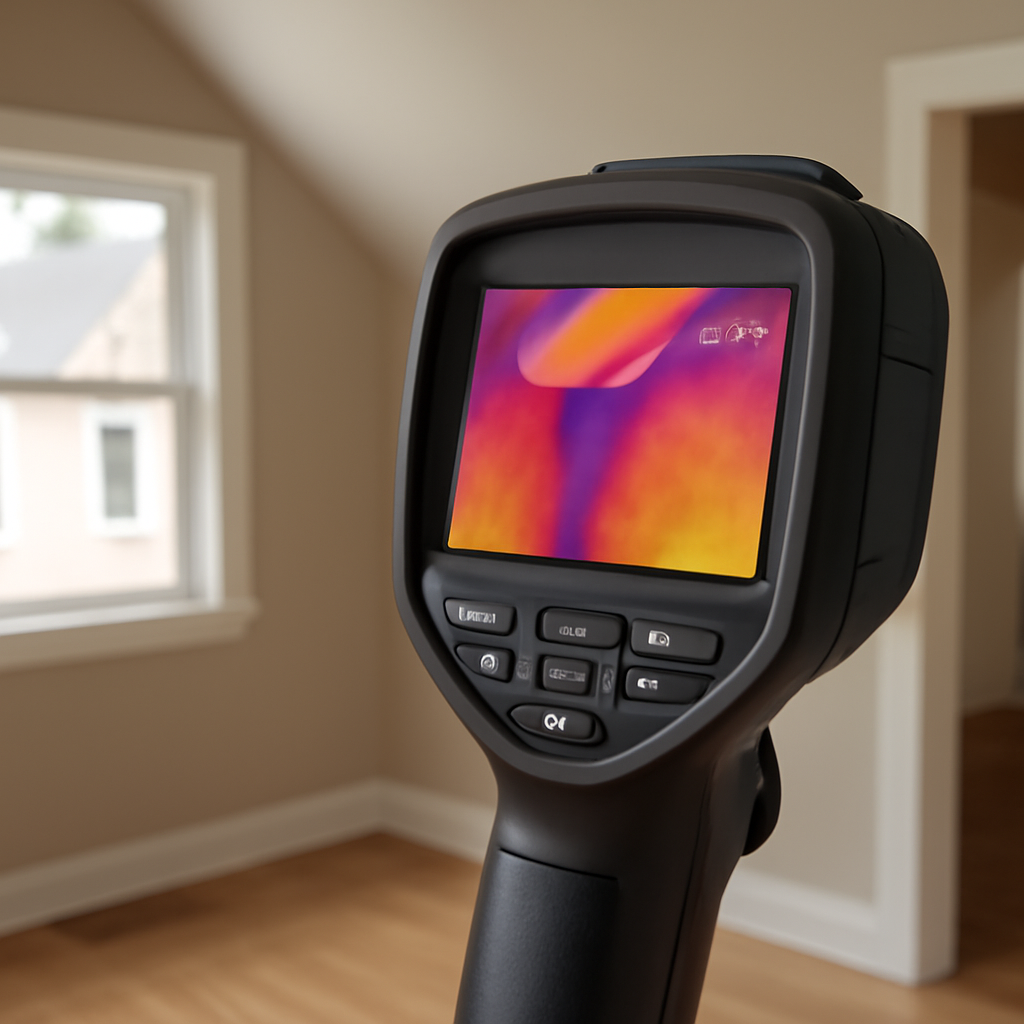
A Topdon thermal imaging camera bridges the gap between smartphone attachments and professional FLIR handhelds, with the TC003, TC005, and TC008 lineup offering 256×192 resolution at prices that undercut FLIR equivalents by half or more. Topdon built its reputation in automotive diagnostic scanners and has applied that engineering experience to thermal imaging, producing cameras that compete on imaging hardware while pricing aggressively. This guide walks through the imaging-focused Topdon lineup — distinct from the brand’s automotive crossover models — and compares specifications, software, and use cases for homeowners and working inspectors considering Topdon as a FLIR alternative.
The Topdon Thermal Imaging Lineup in 2026
Topdon’s thermal-imaging-focused cameras organize into three primary models with clear specification ladders. The TC003 is the entry handheld with 256×192 thermal resolution at around $249. The TC005 is the mid-tier with the same 256×192 resolution but higher refresh rate, larger screen, and improved software at around $349. The TC008 is the higher-resolution upgrade with 384×288 resolution at around $499-$599. Each is a standalone handheld with its own battery, display, and trigger — distinct from Topdon’s smartphone-attached TC001 line that targets a different use case.
The home inspection tools pillar guide covers Topdon alongside FLIR, Fluke, Hikmicro, and other thermal-imaging brands. The Topdon camera overview guide covers the brand’s broader lineup including automotive-crossover models.
TC003 — The Entry Imaging Handheld
The Topdon TC003 offers 256×192 thermal resolution in a pistol-grip handheld form factor at around $249. NETD is specified at 40 mK, which is professional-tier thermal sensitivity. The unit includes a 2.4-inch IPS display, a 30 Hz refresh rate, and 4-hour battery runtime. The temperature measurement range covers -20°C to 550°C, which handles all building-diagnostic applications and most light electrical work. The TC003 ships with a Type-C charging cable, lanyard, and basic carry bag.
Compared to a FLIR C5 at $699 with 160×120 resolution, the TC003 at $249 offers 56 percent more pixels at 36 percent of the FLIR price. The trade-offs include less mature software, smaller U.S. service network, and weaker brand recognition for client-facing reports.
TC005 — The Mid-Tier Imaging Handheld
The TC005 maintains the same 256×192 resolution as the TC003 but upgrades the display to 3.5-inch with higher brightness, the refresh rate to 25-30 Hz with reduced motion blur, and adds onboard WiFi for image transfer. Battery runtime extends to 5-6 hours. Pricing runs around $349. The TC005 is suited to inspectors and energy auditors who need extended runtime and better screen visibility in field conditions but do not require the higher resolution of the TC008.
TC008 — The Higher-Resolution Step Up
The TC008 upgrades to 384×288 thermal resolution at around $499-$599. The 50 percent pixel-count increase improves anomaly resolution at distance and produces sharper imagery for client reports. NETD remains in the 40 mK range. The TC008 competes with the FLIR Ex-series legacy lineup and the current entry E-series at pricing roughly half of equivalent FLIR. For working inspectors who need report-quality imagery but do not require FLIR brand recognition, the TC008 represents strong value.
Topdon TC-Series Versus Topdon TC001
The TC001 is Topdon’s smartphone-attached camera at around $179-$229. Specifications include 256×192 resolution but smaller form factor and reliance on phone battery and screen. The TC-series imaging lineup (TC003/TC005/TC008) is standalone, with dedicated batteries, displays, and triggers. For occasional homeowner use, the TC001 smartphone attachment is the cheapest legitimate entry point. For ongoing inspection work or professional applications, the standalone TC003/TC005/TC008 makes more sense.
Topdon Versus FLIR at Comparable Resolution
The Topdon TC005 at $349 with 256×192 resolution competes against the FLIR C5 at $699 with 160×120 resolution. On pixel count, the TC005 wins by 56 percent. On NETD, both specify in the 40-70 mK range with FLIR’s specifications slightly tighter. On software ecosystem, FLIR’s Thermal Studio is more mature with more annotation types, more report templates, and broader integration with inspection software. On warranty service, FLIR maintains denser U.S. authorized service centers; Topdon service often requires international shipping for repairs.
The verdict for homeowners: Topdon delivers better imaging hardware per dollar. The verdict for working inspectors: FLIR’s ecosystem advantages can justify the premium for clients who recognize the brand. InterNACHI’s infrared certification trains on FLIR equipment but the operating principles transfer.
Topdon Versus Hikmicro at Comparable Resolution
The HikMicro Pocket 2 at around $400 with 256×192 resolution competes directly with the Topdon TC005 at $349. Both are Chinese-manufactured handhelds with similar imaging hardware. Hikmicro’s advantages include slightly better software polish and somewhat more developed U.S. distribution. Topdon’s advantages include lower pricing and stronger automotive-market presence for buyers who own Topdon scan tools already. The choice often comes down to dealer availability and accessory ecosystem rather than imaging performance.
What Topdon Cameras Excel At
Topdon TC-series cameras handle the full range of building-diagnostic applications: moisture intrusion detection, air-leak identification around windows and doors, missing insulation surveys, electrical hot-spot scanning at close range, HVAC ductwork inspection, and rodent/pest activity location in attics and walls. The 256×192 resolution on TC003/TC005 and 384×288 on TC008 produces report-quality imagery for most inspection needs.
For automotive applications — engine hot-spot detection, exhaust system diagnostics, brake-rotor thermal scans — the TC-series imaging models work well, though buyers focused on automotive use may prefer Topdon’s purpose-built automotive thermal scanners that integrate with their broader OBD-II diagnostic platform.
Software and Reporting
Topdon ships a desktop reporting application called Topdon Thermography Studio (sometimes branded differently across regions). The software handles image annotation, basic report generation, and image export to PDF and JPEG. The feature set is narrower than FLIR Thermal Studio — fewer annotation types, fewer report templates, less custom branding flexibility. For inspectors generating high-volume reports, the software gap matters; for occasional use, the included software handles the work adequately. ASHRAE diagnostic standards apply equally regardless of brand.
Battery and Maintenance
Topdon TC-series cameras use proprietary lithium batteries with 4-6 hour runtime depending on model and use intensity. Replacement batteries run $50-$120 from Topdon dealers, notably cheaper than FLIR’s $150-$300 battery pricing. Annual recalibration is optional for casual use; biennial calibration is recommended for fee-for-service work. Topdon’s calibration service is less U.S.-centric than FLIR’s, so professional users should plan for occasional international shipping if recalibration is required.
What to Watch for With Topdon
The most common Topdon caveats include firmware updates that can change menu structure without notice, software versions that vary by region (U.S. customers occasionally receive different versions than European customers), and warranty service that may require international shipping for major repairs. For buyers committed to local service access, FLIR’s U.S. presence remains an advantage. For buyers willing to handle occasional international service interactions, the Topdon savings can be substantial.
The Automotive Crossover Question
Topdon’s brand positioning bridges automotive diagnostic and general thermal imaging. The TC-series imaging models work for both applications but neither is the optimal choice for either extreme. For dedicated automotive diagnostic work, Topdon’s automotive-specific thermal scanners that integrate with their OBD-II platform make more sense. For dedicated building-inspection work, the TC-series competes with FLIR and Hikmicro general-purpose handhelds. Buyers spanning both applications find the TC-series a reasonable single-purchase compromise.
Topdon TC-Series Versus FLIR Ex-Series Used
A used FLIR E4 or E5 from the discontinued Ex-series often appears at $700-$1,200 with 80×60 to 160×120 resolution. A new Topdon TC005 at $349 offers higher resolution (256×192) than these used FLIR units at half the price with full warranty. For buyers comparing new Topdon against used FLIR, the new Topdon often wins on imaging specifications, while used FLIR wins on brand recognition and resale value. The decision is straightforward for value buyers and brand-conscious buyers; less clear for buyers split between the two priorities.
Use-Case Matching for Topdon TC-Series
Homeowner DIYers gain meaningful capability from the TC003 at $249 for occasional moisture, insulation, and electrical surveys. Working inspectors operating in lower-cost markets (where client willingness-to-pay is below the level that justifies FLIR pricing) benefit from the TC005 or TC008 for fee-for-service work. Mechanics and automotive shops adding building-diagnostic capability to existing Topdon scan-tool inventories gain workflow consistency from staying within the brand.
Buyers planning to resell within 3-5 years should consider the depreciation curve. Topdon retains 30-40 percent of purchase value at resale versus 50-60 percent for FLIR; the lower resale offsets some of the initial price advantage over multi-year ownership.
Where to Buy a Topdon TC-Series Camera
Topdon’s direct website and authorized distributors carry the TC-series at consistent pricing. Major online marketplaces host both authorized Topdon storefronts and individual sellers — vet the listing before purchase. Refurbished Topdon stock is less common than refurbished FLIR; most Topdon savings come through new-camera promotional pricing rather than refurbished channels. Used Topdon cameras appear occasionally on marketplace sites but the used market is thinner than for FLIR.
Training and Interpretation
The camera operates simply; interpretation requires training regardless of brand. The same building-science principles that govern FLIR thermal imagery apply to Topdon imagery — moisture appears as cool spots due to evaporation, missing insulation as temperature anomalies, electrical hot spots as warm components. InterNACHI’s infrared certification, ASNT thermographer certifications, and manufacturer-agnostic thermography courses all apply to Topdon equipment.
The Bottom Line
Topdon’s TC-series imaging cameras deliver competitive thermal hardware at notably lower prices than FLIR for homeowner and value-conscious inspector buyers. The TC003 at $249, TC005 at $349, and TC008 at $499-$599 each cover specific niches in the price-versus-resolution matrix. For buyers who do not specifically need FLIR brand recognition with clients and who can accept Topdon’s narrower software ecosystem and longer-shipping service network, the value proposition is straightforward. For client-facing professional work where FLIR’s brand carries weight, the FLIR premium often remains worth paying.
Topdon Accessories and Add-On Components
The TC-series cameras ship with charging cable, lanyard, and basic carry pouch. Optional accessories include hard cases ($30-$60), spare batteries ($50-$120), and tripod adapters ($15-$30). Topdon does not offer interchangeable lenses for the TC-series, which is a meaningful difference from FLIR E-series Pro that supports telephoto lenses for distance imaging. Buyers anticipating distance imaging (commercial inspection, large industrial facilities) need to factor this limitation into the brand decision.
Connectivity and Image Transfer
The TC005 and TC008 include WiFi for image transfer to phone or computer. The TC003 relies on USB cable transfer. WiFi connectivity simplifies field workflow — inspectors can move images to a tablet for client review without removing memory cards or connecting cables. The Topdon mobile app handles image annotation and basic report assembly directly from the captured imagery. For full report generation, desktop Topdon Thermography Studio handles the heavier workflow.
Temperature Measurement Modes
TC-series cameras include spot temperature measurement (center pixel reading), area average across a defined region, and area maximum/minimum identification. Emissivity correction is adjustable in software. The TC008 adds isothermal display (highlight pixels above/below a temperature threshold), which speeds anomaly identification for moisture and electrical work. Temperature accuracy is specified at ±2°C or 2 percent of reading, which is standard for the consumer/prosumer tier.
Real-World Performance Reports
User feedback on Topdon TC-series cameras consistently reports imaging quality matching or exceeding the spec sheet at the price tier. Battery life meets or slightly exceeds the rated 4-6 hours for most users. The most common complaints relate to software polish — menu navigation that feels less refined than FLIR Thermal Studio and occasional firmware update friction. None of these are dealbreakers for buyers who prioritize hardware capability over software workflow.
Where Topdon Falls Short Compared to FLIR
The honest differences favor FLIR in several specific areas: software ecosystem depth (FLIR Thermal Studio offers more annotation types and report templates), U.S. service network density (FLIR has more authorized service centers), brand recognition for client-facing reports, denser used-market resale value, and broader training resources tied to InterNACHI and ASNT certifications. None of these affect raw imaging performance; all of them affect the working inspector’s day-to-day experience. Buyers comparing Topdon against FLIR should weigh these workflow factors against the substantial price savings.
References
- DOE thermal anomaly detection in buildings — U.S. Department of Energy
- ASHRAE Standards and Guidelines — ASHRAE
- InterNACHI Infrared Certified Inspector Program — InterNACHI
Thermal imaging cameras
Infrared cameras reveal hidden moisture, missing insulation, and air leaks. Phone-attachment models are the budget entry point; standalone units have higher resolution.
| Product | Why | Buy |
|---|---|---|
 FLIR ONE Pro (phone) FLIR ONE Pro (phone) | Plugs into iPhone/Android; inspector favorite. | Amazon — $329.00 |
 Topdon TC001 Topdon TC001 | High-res phone module at a low price. | Amazon — $199.99 |
 FLIR C5 Compact FLIR C5 Compact | Standalone pocket camera with Wi-Fi. | Amazon — $610.06 |