Mold Allergies: Symptoms, Trigger Species, and Relief
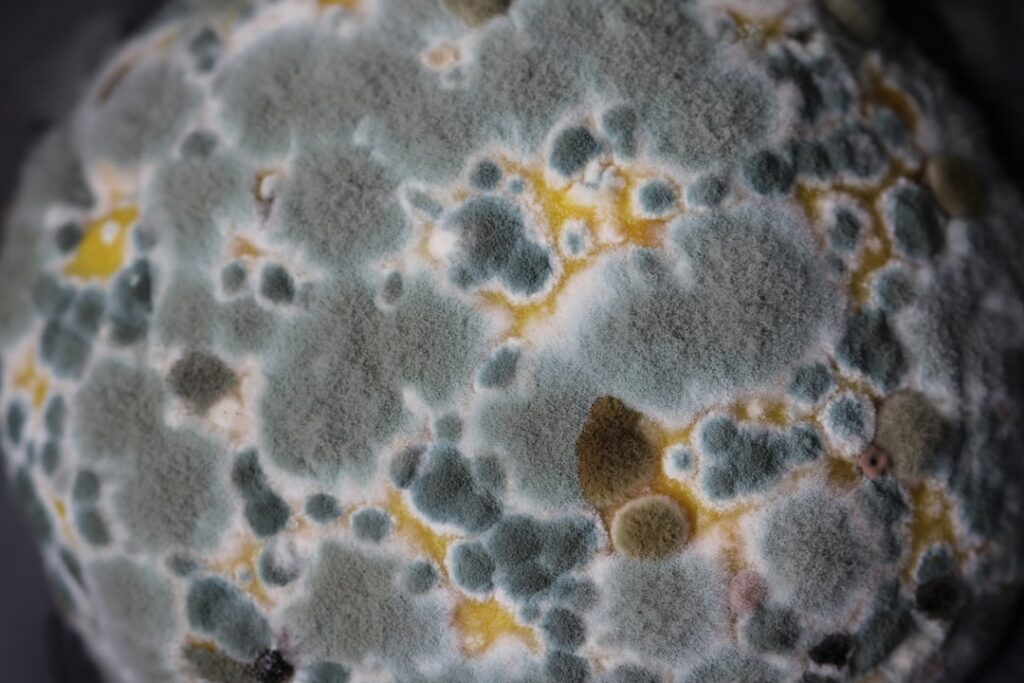
Yes. Mold is a well-established allergen, and the CDC, EPA, and NIH all recognize indoor mold exposure as a cause of both new allergic sensitization and flare-ups of existing allergy and asthma. If you have runny-nose, itchy-eye, or wheeze symptoms that get worse at home and ease when you leave, mold belongs on your list of suspects. Here is how the reaction works, which molds cause it, and what actually reduces your exposure.
Part of our Black Mold & Your Health guide — start there for the full picture →
Is this mold, asbestos, or water damage? Get a free instant screen
Upload a clear photo of the suspect area. You'll get an instant AI screening opinion and what to do next. This is screening guidance, not a professional determination.
Screening guidance only. AI can be wrong. Confirm asbestos, mold type, or lead with lab testing or a licensed professional before acting.
How mold triggers an allergic reaction
Mold reproduces by shedding microscopic airborne spores. Damaged colonies also release hyphal fragments and microbial volatile organic compounds (the musty odor). When a sensitized person inhales spores or fragments, the immune system produces IgE antibodies and releases histamine from mast cells — the same mechanism behind pollen, pet-dander, and dust-mite allergy. The result is congestion, sneezing, itchy eyes, and airway irritation.
Not everyone reacts. Whether you become sensitized depends on genetics, prior exposure, and the dose and duration of contact. But sensitization is common enough that allergy panels routinely include mold, and a damp home with year-round symptoms is worth investigating.
Which indoor molds cause the most allergy
Four genera dominate both indoor air sampling and clinical skin-prick panels. They behave differently enough to be worth knowing apart.
- Alternaria — A major outdoor allergen that also grows on damp carpet, drywall, and duct surfaces. Sensitization is strongly linked to severe and poorly controlled asthma, especially in children. Outdoor counts peak in late summer and early fall.
- Cladosporium — One of the most abundant airborne molds on earth and the classic culprit on window frames, bathroom surfaces, and HVAC coils. It leaves a green-to-brown film on damp materials and is a leading allergen in temperate climates.
- Aspergillus — A common indoor allergen and respiratory irritant. Certain species also cause non-allergic disease in people with asthma, cystic fibrosis, or weakened immunity, so heavy growth is a professional-remediation job, not a DIY wipe-down.
- Penicillium — Grows fast on water-damaged materials as powdery blue-green colonies. Its spores look so similar to Aspergillus under a microscope that labs often report a combined “Pen/Asp” count on air-sample results.
What mold allergy actually feels like
The typical pattern is upper-respiratory and ocular: nasal congestion, runny nose, postnasal drip, sneezing, itchy or watery eyes, and a scratchy throat, sometimes with cough or wheeze. People with asthma may notice chest tightness, shortness of breath, and lower peak-flow readings. High-exposure events — cleaning out a moldy basement without a respirator — can add skin itching or hives.
The clue that points at your house rather than the pollen calendar is location and timing. Symptoms that worsen at home, improve after a few days away, and persist year-round suggest an indoor trigger. Symptoms tied to one room — basement, bathroom, a particular bedroom — localize the source further. Colorado Front Range residents whose seasonal allergies normally spike in spring and fall but who feel worse at home in every season should treat indoor mold as a live candidate. If symptoms cluster in a below-grade space, the pattern in basement mold symptoms is worth reading against your own.
How an allergist confirms it
Diagnosis is a physician’s job, not an inspector’s. An allergist confirms mold-specific sensitization with a skin-prick test or a specific-IgE blood test against a panel of common mold allergens; a positive result plus a matching symptom history is the standard. A negative panel does not fully clear mold — irritation from spore fragments or MVOCs can mimic allergy without triggering IgE. Bring a short log of which rooms and activities set you off; that timing data is the most useful thing you can hand the allergist.
Cutting your exposure
Reducing exposure is the primary intervention, and EPA guidance is consistent: find and fix the moisture source, then remove or clean visible mold. Moisture control is the lever. Specific steps that work for a mold-sensitive household:
- Hold indoor humidity down. EPA recommends keeping indoor relative humidity below 60% — ideally 30% to 50%. A $15 hygrometer in each main living area tells you where you stand and whether a dehumidifier is earning its keep.
- Filter the bedroom air. A True-HEPA filter captures 99.97% of particles 0.3 micrometers and larger, which covers most mold-spore-sized particles. Running a portable HEPA unit where you sleep — eight stationary hours in one room — produces the most noticeable relief. Match the unit’s dust CADR to the room’s square footage; no filter substitutes for fixing the leak.
- Know the DIY line. EPA’s rule of thumb is that you can generally clean mold covering less than about 10 square feet yourself with proper protective gear; anything larger, or any growth fed by sewage or a persistent leak, calls for a trained remediator.
- Choose low-reservoir surfaces. Carpet and upholstery in damp areas keep holding spores after the moisture is gone. Hard flooring with washable rugs is the lower-allergen choice in basements and baths, and washing bedding weekly in hot water helps the same way it does for dust mites.
Because you can’t clean what you can’t find, start with source detection. If symptoms track a specific wall or a hidden leak, detecting mold inside walls covers the moisture-meter and visual clues that narrow it down, and the full inspection-to-remediation path is laid out at the mold inspection and testing hub.
Mold, asthma, and who is most at risk
Mold and asthma intersect sharply. The CDC recognizes damp, moldy environments as asthma triggers, and sensitized asthmatics often lose control during exposure. Children breathe faster, spend more time indoors relative to body size, and have developing immune systems; large studies link early-life exposure to damp housing with higher rates of asthma and wheeze. Older adults with COPD or heart failure, and anyone immunocompromised — transplant recipients, patients on chemotherapy — face elevated risk and should leave cleanup to professionals. For a child with poorly controlled asthma, a documented inspection stops being a property question and becomes a clinical data point the pediatric pulmonologist can act on.
When symptoms mean more than allergy
Most mold symptoms are allergic and respond to exposure reduction plus standard treatment — intranasal corticosteroids, antihistamines, saline rinses, and allergen immunotherapy in stubborn cases. A few conditions are more serious: allergic bronchopulmonary aspergillosis in people with asthma or cystic fibrosis, hypersensitivity pneumonitis from heavy exposure, and invasive infection in immunocompromised people. Persistent fever, coughing up blood, severe breathlessness, or unexplained weight loss warrant prompt medical evaluation, not a home test.
What an inspection adds
An inspection can’t diagnose your allergy, but it can confirm and quantify the trigger: locate the moisture source, compare indoor versus outdoor spore counts and species mix through air sampling, and define the remediation scope. For an allergy-driven visit, ask specifically for a moisture investigation plus a paired indoor/outdoor air sample — the interpretation of that lab report is walked through in air-quality testing for mold. The resulting report does double duty: it scopes the contractor and gives your allergist an objective environmental record alongside your symptom log and test results.
Frequently asked questions
Frequently asked questions
Can I develop a mold allergy even if I've never had allergies before?
Yes. New sensitization can develop at any age after enough exposure, especially in damp or water-damaged homes. A family history of allergy or asthma raises the odds, but adult-onset mold allergy is well documented.
How do I tell mold allergy apart from pollen allergy?
Location and timing. Symptoms that worsen at home, ease within a few days of leaving, and stay constant year-round point to an indoor trigger like mold. Pollen symptoms follow the regional pollen calendar and usually improve indoors with the windows closed.
Do I need an allergy test before remediating mold?
No. EPA guidance is to fix the moisture and clean visible mold regardless of allergy status. A test is medically useful only if symptoms persist or your physician wants to confirm mold sensitization to guide treatment.
Can mold trigger asthma attacks?
In sensitized people, yes. The CDC and NIH recognize damp, moldy environments as asthma triggers, and exposure can worsen asthma control in both children and adults. See a physician if asthma flares in a damp space.
This page summarizes current EPA, CDC, and NIH guidance and is not medical advice; a board-certified allergist should diagnose and treat any allergy. Front Range households with persistent symptoms and a suspected indoor moisture source can reach a vetted local inspector through our contact page.
Sources
- About Mold and Your Health — Centers for Disease Control and Prevention
- Mold and Health — U.S. Environmental Protection Agency
- A Brief Guide to Mold, Moisture and Your Home — U.S. EPA (humidity and 10-square-foot cleanup guidance)
- Mold and Health Effects — National Institute of Environmental Health Sciences
- Mold and Your Lungs — American Lung Association