Lead Poisoning Screening Age: 2026 Parent Guide
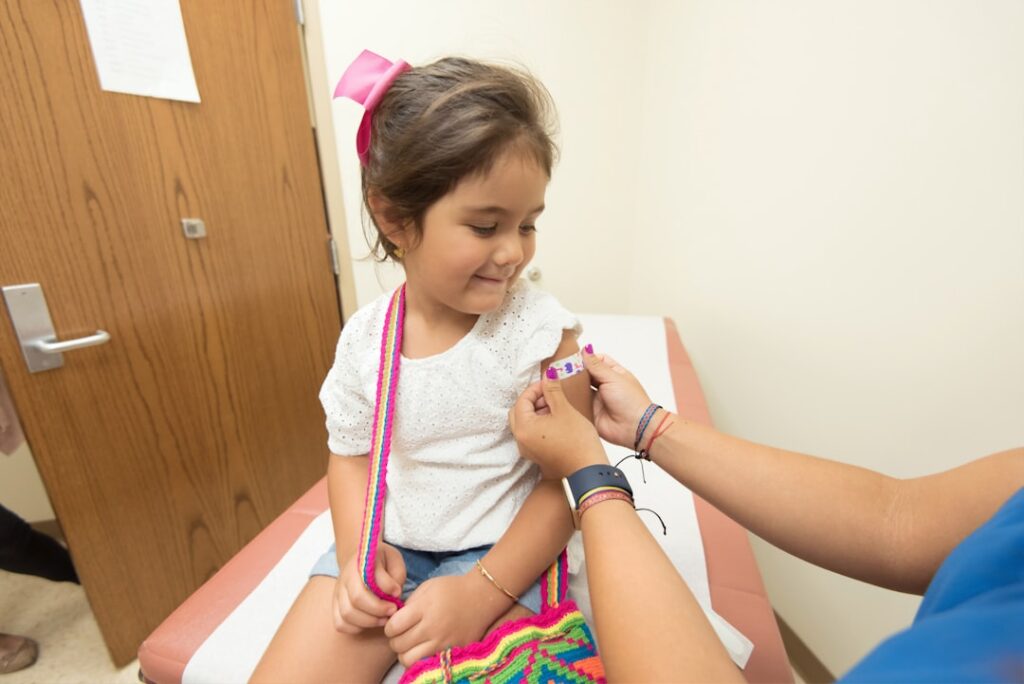
The lead poisoning screening age question has a structured federal answer rooted in CDC pediatric guidance. The CDC recommends universal blood-lead-level (BLL) screening for children at ages 1 and 2, with risk-based screening continuing through age 6 in many cases. Medicaid mandates BLL screening for enrolled children at these ages. Refugee and immigrant children have separate testing protocols. Children living in pre-1978 housing or with documented exposure pathways are considered at-risk regardless of age. This guide explains the screening framework, who qualifies, what the test involves, and what results mean. Pediatric blood-lead testing is a medical procedure. Consult your pediatrician about screening timing and individual risk factors for your child.
Part of our Lead Paint & Lead Testing guide — start there for the full picture →
Asbestos or biohazard concern? Speak with a certified contractor.
📞 Call (877) 742-8496What is the recommended lead poisoning screening age?
The CDC recommends blood-lead-level screening for children at two specific ages: 12 months and 24 months. These two screening points cover the developmental window when children are most likely to ingest lead-paint chips or lead-contaminated dust through hand-to-mouth behavior. The 12-month screening establishes a baseline as the child begins crawling and exploring surfaces. The 24-month screening captures any exposure that accumulated through the second year of life.
Children who missed screening at 1 or 2 should be screened at every well-child visit through age 6, especially if they live in or visit pre-1978 housing. The screening framework is risk-based after age 2; children with documented exposure pathways continue screening, while children at low risk transition to clinical-judgment screening. CDC’s pediatric lead-screening guidance lives at the CDC childhood lead-poisoning prevention pages.
Why ages 1 and 2 are the screening windows
Children between 12 and 36 months are the highest-risk population for lead exposure for behavioral and biological reasons. Behaviorally, this is the age range when children explore surfaces by mouth, putting hands on contaminated surfaces and then in their mouths. Biologically, this is also when rapid brain development occurs and lead exposure has the most damaging neurological impact. Blood-lead absorption is also highest in young children because their gastrointestinal systems absorb more lead than adult systems.
The combination produces a window where screening is most valuable. A blood-lead level identified at 12 or 24 months can lead to early intervention to remove the exposure source and reduce ongoing absorption. Screening at later ages remains useful, but the intervention window is narrower because more developmental damage has potentially already occurred.
The Medicaid screening mandate
Federal Medicaid regulations require blood-lead screening for all enrolled children at ages 12 and 24 months. Medicaid also requires screening between 36 and 72 months for children who were not screened at the earlier ages. The mandate exists because Medicaid-enrolled children are disproportionately concentrated in pre-1978 housing and have higher baseline lead-exposure risk than the general population.
Pediatricians treating Medicaid-enrolled children are required to perform or arrange the screening as part of standard well-child care under the Early and Periodic Screening, Diagnostic, and Treatment (EPSDT) benefit. Parents of Medicaid-enrolled children should expect the screening to be offered at the 12 and 24-month well-child visits without separate cost. Background context for the Medicaid program lives at HUD’s related housing-health resources.
Risk-based screening criteria
For children not covered by the Medicaid mandate, screening is risk-based. The CDC publishes risk-assessment questions that pediatricians use to determine whether a child should be screened. The questions cover housing, behavior, geography, and family exposure history.
Pre-1978 housing exposure
Any child living in or regularly visiting (more than six hours per week) housing built before 1978 should be screened. This includes the child’s primary residence, the home of a regular caregiver, and any home where the child spends substantial time. The 1978 cutoff matches the federal residential lead-paint ban year.
Refugee and immigrant child status
Children arriving in the U.S. as refugees or recent immigrants from countries where leaded gasoline, leaded plumbing, lead-glazed ceramics, or traditional lead-containing remedies are still in use should be screened on arrival. Many state refugee health programs require screening as part of standard intake.
Sibling or playmate exposure
A child whose sibling or regular playmate has been identified with elevated blood-lead levels is at elevated risk and should be screened. Shared exposure sources frequently produce shared exposure outcomes.
Hobbies and occupations
Children whose family members have hobbies (stained-glass work, ceramics, fishing-weight casting) or occupations (construction, lead-paint renovation, battery work) that involve lead exposure should be screened. Lead carries home on clothing and tools, exposing children indirectly.
Pediatricians work through these criteria at well-child visits. Parents can also self-identify risk and request screening. CDC’s evidence-based recommendations are documented at the CDC blood-lead resources.
How the blood-lead test works
Blood-lead testing uses one of two collection methods. Capillary (finger-stick) testing produces a quick screening result but can be contaminated by surface lead on the finger. A capillary result above the action threshold should be confirmed with a venous draw. Venous testing collects blood from a vein and produces the most accurate result. Most pediatric clinics use capillary screening first and venous confirmation only when needed.
Results are reported in micrograms of lead per deciliter of blood (μg/dL). The current CDC blood-lead reference value is 3.5 μg/dL. Children at or above this level are considered to have elevated blood-lead levels and warrant follow-up, including identification of the exposure source, repeat testing, and case management depending on the state’s threshold. The reference value reflects the current 97.5th percentile of U.S. children, not a “safe” level; CDC guidance is that no safe level of lead in blood has been identified.
What an elevated result means
An elevated blood-lead level triggers a clinical workflow. The pediatrician confirms the result with a venous draw if the initial test was capillary. The family receives education about likely exposure sources and immediate steps to reduce exposure (cleaning, handwashing before meals, removing the child from the contaminated environment when possible). The state lead-poisoning program is notified, which may trigger a home investigation to identify and address the source.
Repeat testing occurs at intervals depending on the level. Mild elevations may resolve as exposure ends and the body excretes lead. Higher elevations may require medical chelation therapy under specialist care. The pediatric workflow is detailed in CDC clinical guidance at the CDC childhood lead-poisoning case management resources and parent-facing materials at LeadInfo’s consumer resources.
How parents reduce exposure between tests
Parents can reduce exposure with practical steps. Wet-wipe window sills and floors weekly to remove lead dust. Wash children’s hands before every meal and snack. Wash toys regularly. Avoid bringing soil from the yard into the house. Use cold water for drinking and cooking if older plumbing may contain lead solder. Have children avoid bare-soil play areas near pre-1978 building foundations where lead-paint chips may have accumulated.
These steps are not substitutes for source remediation when lead-based paint is confirmed. They reduce ongoing exposure while permanent solutions are evaluated. Our lead-paint chips cleanup guide covers the cleanup workflow in detail.
Adults and lead poisoning
The CDC screening framework focuses on children because children absorb more lead and suffer more neurological damage per microgram absorbed. Adults can also have elevated blood-lead levels, primarily from occupational exposure. OSHA requires blood-lead monitoring for construction workers regularly exposed above action levels. Pregnant women have screening considerations because lead crosses the placenta and exposes the fetus.
Adults concerned about exposure should discuss testing with their primary-care physician. The clinical-decision threshold for adults is higher than for children, and treatment workflows differ. OSHA’s worker-protection framework lives at OSHA’s lead-in-construction resources.
Lead poisoning in older children and teens
Children older than 6 are screened only on clinical suspicion. The behavioral risk window (hand-to-mouth exploration of dusty surfaces) has closed for most older children. Older children with developmental disabilities that produce ongoing hand-to-mouth behavior may continue to need risk-based screening. Older children who pica (eat non-food items including paint chips) need clinical evaluation including blood-lead testing.
Teens beginning hobbies or part-time work in lead-exposure industries (auto-body work, stained glass, certain construction roles) may need adult-style screening based on the workplace. Schools and parents should be aware of the exposure pathway when teens engage in these activities.
Connecting screening to housing inspection
An elevated blood-lead level in a child often triggers a public-health investigation of the child’s housing. The investigator looks for lead-paint hazards (deteriorated paint, paint chips, contaminated dust) and lead in drinking water from older plumbing. State and local programs vary in their investigation and remediation authority. The investigation may produce a referral for lead-paint risk assessment by a certified inspector, which families can also commission independently before an elevation occurs. Our lead-paint inspector overview covers how independent inspection works.
Families living in pre-1978 housing can be proactive by commissioning a risk assessment before any child shows elevation. The assessment identifies hazards in advance so families can address them, reducing the risk that elevation will ever occur. Pair with our asbestos and lead pillar guide for the broader pre-1978 framework.
References
- CDC childhood lead-poisoning prevention and screening — Centers for Disease Control and Prevention
- EPA lead-exposure prevention resources — U.S. Environmental Protection Agency
- HUD lead-safe housing program — U.S. Department of Housing and Urban Development
- LeadInfo parent and family resources — LeadInfo
Frequently asked questions
At what age should children be screened for lead poisoning?
The CDC recommends universal blood-lead screening at 12 months and 24 months. Risk-based screening continues through age 6 for children in pre-1978 housing or with other exposure risk factors. Medicaid mandates screening for enrolled children at the recommended ages.
Does Medicaid cover lead poisoning screening?
Yes. Federal Medicaid regulations require blood-lead screening for enrolled children at 12 and 24 months, with catch-up screening between 36 and 72 months. The screening is provided as part of standard well-child care under the EPSDT benefit at no separate cost.
What is considered an elevated blood-lead level in children?
The CDC's current blood-lead reference value is 3.5 micrograms per deciliter. Children at or above this level are considered to have elevated levels and warrant follow-up. No safe blood-lead level has been identified.
Should older children be tested for lead?
Children older than 6 are usually screened only on clinical suspicion based on behavior or exposure factors. Children with developmental disabilities producing ongoing hand-to-mouth behavior, or with pica, may need continued risk-based screening at older ages. Consult your pediatrician about individual risk.
Front Range parents living in pre-1978 housing who want to identify lead-paint hazards before a child’s screening can connect with a certified lead-paint inspector through our contact page for risk-assessment options.