Sanding Lead Paint: What Homeowners Need to Know
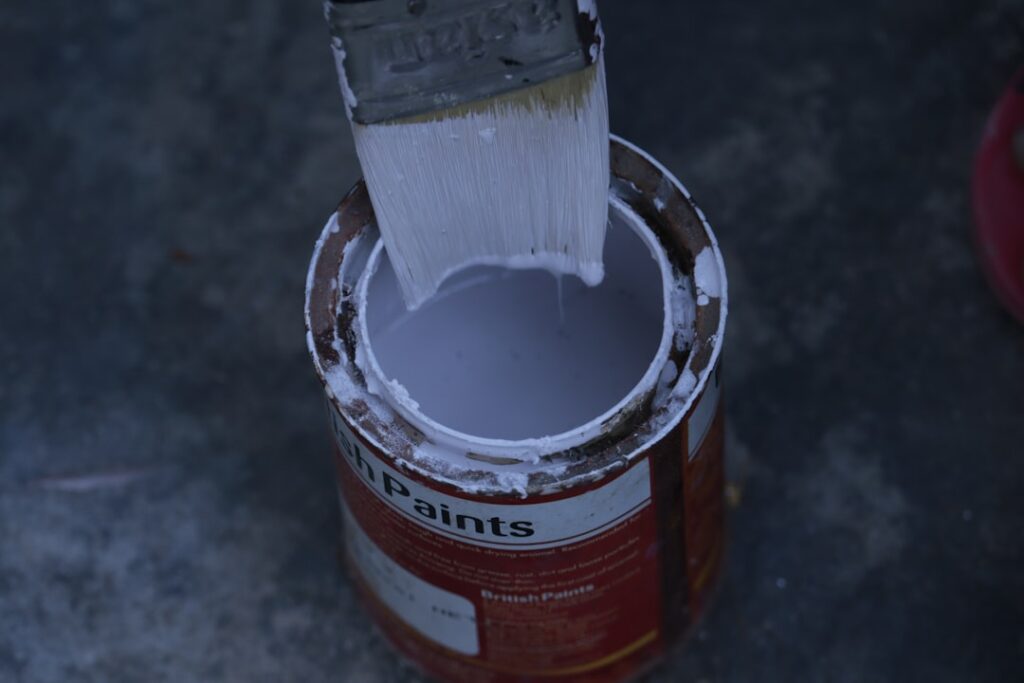
Anyone restoring an older home eventually faces flaking, alligatored paint and reaches for a sander. If the house predates 1978, that instinct can be dangerous, because sanding lead paint is one of the fastest ways to fill a home with invisible, toxic dust. Lead does not break down; it accumulates in the body, and children and pregnant women are most at risk. Federal rules sharply restrict how lead paint can be disturbed, and dry sanding is among the prohibited practices. This guide summarizes EPA, CDC, and HUD guidance current as of 2026; it is educational and not a substitute for a certified lead professional or medical advice from your physician about exposure symptoms.
Is this mold, asbestos, or water damage? Get a free instant screen
Upload a clear photo of the suspect area. You'll get an instant AI screening opinion and what to do next. This is screening guidance, not a professional determination.
Screening guidance only. AI can be wrong. Confirm asbestos, mold type, or lead with lab testing or a licensed professional before acting.
Is It Safe to Sand Lead Paint?
Sanding lead paint is not safe when done without proper controls, and dry sanding in particular is prohibited under federal renovation rules. Sanding pulverizes the paint into a fine dust that spreads through the air, settles on floors and furniture, and is easily inhaled or ingested, especially by small children who put hands and toys in their mouths. The hazard is the dust, not the intact paint film.
Paint applied before 1978 may contain lead, the year the federal government banned lead in residential paint. If your home predates that date and the paint is original or old, treat it as lead-containing until testing proves otherwise. Homeowners can learn how to confirm the presence of lead through guidance on a home lead test kit before disturbing any surface.
Why Lead Dust Is So Dangerous
Lead is a potent neurotoxin with no known safe level of exposure. The CDC states there is no safe blood lead level in children, and even low exposures can affect brain development, learning, and behavior. In adults, lead exposure is linked to high blood pressure, kidney problems, and reproductive effects.
The danger of sanding is that it converts a stable, bound hazard into a mobile one. Intact, well-maintained lead paint poses limited risk; the EPA’s concern centers on deteriorating paint and on activities that disturb it, such as sanding, scraping, and demolition. A single afternoon of careless sanding can contaminate a room with lead dust that persists long after the project ends, requiring specialized cleanup to remove.
What the Law Says About Disturbing Lead Paint
The EPA’s Renovation, Repair and Painting Rule, often called the RRP Rule, governs work that disturbs paint in pre-1978 homes and child-occupied facilities. Contractors performing such work for compensation must be certified, must use lead-safe work practices, and must avoid prohibited methods. Among the explicitly banned practices are open-flame burning, using a heat gun above a certain temperature, and dry sanding or grinding without HEPA-equipped attachments.
The rule also requires containment of the work area, proper cleanup, and clearance verification. For homeowners doing their own work, the RRP certification requirement does not legally apply, but the safety logic still does. The practices the rule mandates for contractors are the same ones that protect a DIY renovator and their family. Anyone hiring out the work should confirm certification, as explained in the resource on lead-based paint certification.
Why Dry Sanding Is Specifically Prohibited
Dry sanding generates the finest, most airborne dust of any common paint-removal method, which is why it sits high on the prohibited list. The fine particles travel on air currents, settle deep into carpet and cracks, and resist ordinary cleaning. Wet methods and HEPA-vacuum-attached tools dramatically reduce airborne dust, which is the entire rationale behind the restrictions.
Safer Alternatives to Sanding
Several approaches reduce the hazard compared with dry sanding. Wet sanding or wet scraping keeps dust bound in moisture so it falls rather than floats. Sanders fitted with HEPA-filtered vacuum attachments capture dust at the source. Chemical strippers, used with care and proper ventilation, can lift paint without generating dust, though they carry their own handling precautions.
Encapsulation is often the most practical option. Rather than removing the lead paint, you seal it under a specialized coating that locks the lead in place. This avoids dust generation entirely and is appropriate where the paint is intact and the surface is not subject to friction. The technique and its limits are covered in the guide on how to encapsulate lead paint safely.
If You Must Disturb Lead Paint: Precautions
When removal is unavoidable, the controls mirror what the RRP Rule requires of professionals. Seal off the work area with plastic sheeting, turn off HVAC to prevent spreading dust through ducts, and protect floors and furnishings. Wear a properly fitted respirator rated for lead particulates, along with disposable coveralls, gloves, and shoe covers.
Keep children, pregnant women, and pets out of the home during the work and the cleanup. Use wet methods, mist surfaces frequently, and never dry sand. Cleanup is as critical as the work itself: HEPA-vacuum all surfaces, wet-wipe repeatedly, and dispose of debris and protective gear properly. Ordinary household vacuums spread fine lead dust rather than capturing it, so they are not adequate.
When to Call a Certified Professional
Large surfaces, heavily deteriorated paint, exterior work, or any project in a home with young children or a pregnant occupant are strong reasons to hire a certified lead professional rather than attempt the work yourself. Certified firms carry the training, equipment, and containment systems to do the job without contaminating the home, and they perform clearance testing afterward.
Cost is real, but it must be weighed against the price of remediating lead contamination and, far more importantly, the health of the household. A botched DIY sanding job can leave a home requiring professional decontamination that costs far more than hiring a pro at the outset. The broader picture of pre-1978 hazards is laid out in the hub on asbestos and lead in older housing.
The Cleanup That Follows Any Lead Paint Work
The work is only half the job; the cleanup determines whether lead dust lingers in the home. Fine lead dust settles into carpet fibers, floor cracks, window wells, and HVAC ducts, where ordinary cleaning spreads it rather than removing it. A standard household vacuum lacks the filtration to capture particles this small and will exhaust them back into the air, worsening contamination.
Proper cleanup uses a HEPA-filtered vacuum followed by repeated wet wiping with disposable cloths, working from the cleanest areas toward the dirtiest. Window troughs and sills are notorious lead-dust traps and deserve extra attention, especially in homes with children. Protective gear, drop cloths, and debris should be bagged and disposed of according to local rules. In professional RRP work, a cleaning verification step confirms the area is safe before reoccupancy, and homeowners doing their own work should hold themselves to a similar standard rather than declaring the job done when the visible mess is gone.
Why Children and Pregnant Women Face the Greatest Risk
Lead exposure is dangerous to everyone, but children under six and pregnant women bear the heaviest risk, which shapes every safety decision around old paint. Young children absorb a larger fraction of ingested lead than adults, and their developing brains are far more vulnerable to its effects. Hand-to-mouth behavior means a toddler crawling on a floor dusted with lead from sanding can ingest a harmful dose without anyone noticing.
The CDC emphasizes that no blood lead level in children is considered safe, and that even low exposures are associated with effects on learning, attention, and behavior. For pregnant women, lead crosses the placenta and can affect fetal development. This is why authorities urge keeping these vulnerable occupants entirely out of a home during lead paint disturbance and thorough cleanup, and why a project that seems minor to an adult can carry outsized consequences for a child. When young children live in the home, the threshold for hiring a certified professional rather than attempting the work yourself should be low.
Recognizing the Signs of Deteriorating Lead Paint
Intact lead paint poses limited risk; deteriorating lead paint is the immediate hazard, so recognizing the warning signs helps a homeowner prioritize. Peeling, chipping, chalking, and cracking, especially the alligator-skin pattern of very old paint, indicate a coating that is shedding dust and chips. Friction and impact points show wear first: window sashes that bind, door edges that rub, and stair treads that see constant foot traffic.
Chalking, a powdery surface residue, is easy to overlook but means the paint is breaking down and releasing fine particles. Bite marks on sills or rails, a hazard in homes with young children, are a red flag because they expose fresh paint and produce chips a child may ingest. Spotting these signs early lets a homeowner address the hazard, through cleaning, stabilization, or professional intervention, before it worsens. It also signals which surfaces to test and which to treat with the most caution during any planned paint work, reinforcing that the condition of the paint matters as much as its mere presence.
What to Do First Before Any Paint Work
The sequence that protects a household is straightforward: test first, plan the method, control the dust, and clean thoroughly. Testing tells you whether lead is present at all, which may spare you the precautions entirely if the paint is lead-free. If lead is confirmed, choose a dust-minimizing method and decide honestly whether the scope exceeds your ability to control it safely.
Treating old paint as potentially hazardous until tested is the conservative default that protects children most. The cost of a test and a careful method is small against the lifelong consequences of childhood lead exposure. When the scope is large or the occupants vulnerable, a certified professional is the safest path.
Where Lead Paint Hides in Older Homes
Knowing where lead paint concentrates helps a homeowner anticipate which surfaces demand caution before sanding. Friction and impact surfaces are the highest priority: window sashes and jambs that rub when opened, door edges and frames, stair treads, and railings all generate lead dust through ordinary wear, even without renovation. These spots are also where a child is most likely to encounter accessible paint chips and dust.
Exterior surfaces carry their own risk, since decades of weathering can leave lead-contaminated soil around the foundation where old paint flaked off. Interior trim, baseboards, and walls in pre-1978 homes may all contain lead beneath later coats of newer paint, which is why scraping or sanding through layers can release it even when the visible top coat is modern. Mapping these locations before any project tells you which surfaces to test first and which to treat with the most care, and it explains why a whole-house repaint of an old home is a far larger lead concern than a single fresh wall.
Renting and Selling: Lead Disclosure Obligations
Beyond the safety of the work itself, federal rules impose disclosure duties tied to lead paint in older housing. Sellers and landlords of most pre-1978 housing must disclose known lead-based paint and hazards, provide any available records, and give buyers or tenants an EPA-approved lead hazard pamphlet. Buyers generally receive an opportunity to conduct a lead inspection or risk assessment before being obligated under the contract.
These obligations matter for a homeowner planning paint work because the condition of the paint, and any disturbance of it, can become part of what must be disclosed in a future transaction. Documentation of testing, lead-safe work practices, and any professional abatement protects a seller and reassures a buyer. A renovation that scatters lead dust through a home can create a hazard that surfaces during a later sale, whereas careful, documented work supports a clean disclosure. Understanding the disclosure framework is part of the larger picture of managing lead responsibly in older housing.
References
- Lead Renovation, Repair and Painting Program — U.S. Environmental Protection Agency
- About Lead Poisoning Prevention — Centers for Disease Control and Prevention
- Lead Hazard Control and Healthy Homes — U.S. Department of Housing and Urban Development
- Protect Your Family from Sources of Lead — U.S. Environmental Protection Agency
Front Range homeowners renovating a pre-1978 house who want a connection to a vetted local inspector or lead professional before disturbing old paint can get in touch through our contact page, and we will help point you toward qualified help.
Lead paint test kits
Instant swab kits flag lead on painted surfaces in minutes — useful before a renovation in any pre-1978 home.
| Product | Why | Buy |
|---|---|---|
 3M LeadCheck Swabs 3M LeadCheck Swabs | EPA-recognized instant swabs. | Amazon — $199.00 |
 Lead Test Kit (lab-based) Lead Test Kit (lab-based) | Mail-in for a documented result. | Amazon — $150.00 |