Lead Paint Abatement: EPA RRP Protocols and Process
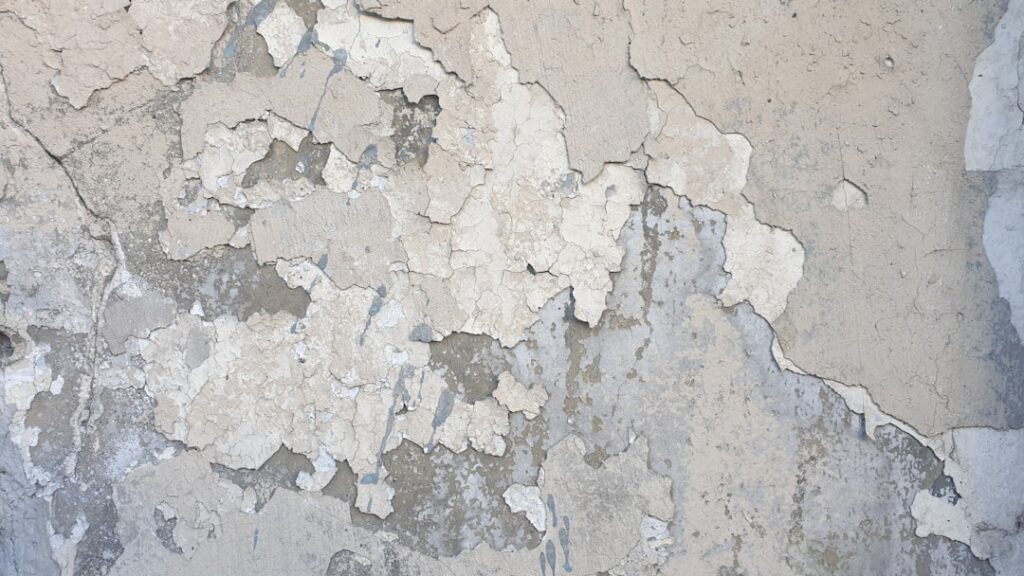
Lead paint abatement is the strictest level of lead-paint hazard reduction in pre-1978 housing. Unlike the broader remediation category that includes encapsulation and enclosure, abatement specifically means the permanent elimination of lead-based paint hazards through removal, enclosure, encapsulation, or replacement, performed under the EPA’s Renovation, Repair, and Painting (RRP) Rule by certified personnel using documented protocols. Abatement is the right approach when comprehensive hazard elimination is needed for child-occupant protection, when regulatory requirements like HUD-assisted housing mandate it, or when blood-lead testing has identified elevated levels in occupants. This guide walks through the regulatory framework, the work practices required, and the post-abatement verification process. Guidance summarizes EPA, HUD, and OSHA standards current as of 2026; consult a certified professional for site-specific abatement planning and a physician for occupant health concerns.
Part of our Lead Paint & Lead Testing guide — start there for the full picture →
Is this mold, asbestos, or water damage? Get a free instant screen
Upload a clear photo of the suspect area. You'll get an instant AI screening opinion and what to do next. This is screening guidance, not a professional determination.
Screening guidance only. AI can be wrong. Confirm asbestos, mold type, or lead with lab testing or a licensed professional before acting.
What lead paint abatement means under federal regulation
The EPA defines lead paint abatement under 40 CFR 745 as any measure or set of measures designed to permanently eliminate lead-based paint hazards. The “permanently” qualifier matters because it distinguishes abatement from temporary or interim controls like routine maintenance or unsealed encapsulation. Abatement methods explicitly include removal of lead-based paint, replacement of lead-painted building components, enclosure or encapsulation of lead-based paint, and removal of lead-contaminated soil.
Firms performing abatement must hold EPA RRP certification or operate under a state-administered equivalent program where one exists. Individual abatement workers and supervisors must complete EPA-accredited training under 40 CFR 745.227 and pass certification exams. The training covers lead-safe work practices, containment protocols, personal protective equipment use, waste handling, and post-abatement clearance procedures.
How abatement differs from remediation
Remediation is the broader umbrella category covering all lead-paint hazard-reduction work. Abatement is the stricter regulatory subset performed under RRP certification with documented protocols, clearance testing, and recordkeeping requirements. A homeowner can spot-encapsulate a chipping windowsill themselves as a remediation measure. An RRP-certified abatement firm can perform the same encapsulation, but they will document the work to the abatement standard, perform post-abatement dust-wipe clearance testing, and provide written records the homeowner files with the property records.
The cost difference between remediation and abatement typically runs 50 to 200 percent. Abatement costs more because of the certified-personnel labor rate, the containment and protocol requirements, the post-work clearance testing, and the more thorough documentation. The cost premium is worth it when regulatory requirements mandate abatement, when occupant health concerns justify the higher standard, or when the property warrants the more durable result.
The 40 CFR 745 work practice requirements
EPA’s RRP Rule under 40 CFR 745.85 specifies work practices that abatement firms must follow. Containment with plastic sheeting prevents dust and debris from leaving the work area. Wet methods using water-misted surfaces or low-pressure misting suppress dust generation during paint removal or surface preparation. HEPA-filtered vacuums collect dust before, during, and after the work. Personal protective equipment including respirators, disposable coveralls, gloves, and shoe covers prevents worker exposure and tracking of contamination.
Several specific work practices are prohibited under RRP. Dry sanding or dry scraping of lead-painted surfaces is prohibited because it generates uncontainable dust. Heat guns operating above 1100°F are prohibited because they vaporize lead at the higher temperatures. Open-flame torches and propane torches are prohibited for the same reason. Chemical strippers containing methylene chloride are heavily restricted due to worker health concerns under OSHA regulation.
Containment setup for abatement work
The containment setup for interior abatement work involves sealing off the work area with 6-mil polyethylene plastic sheeting attached to walls, floors, and ceilings around the perimeter of the project area. HVAC supply and return registers are sealed to prevent dust from entering the duct system. Doors and windows leading to other rooms are sealed. Floors within the work area are protected with additional plastic sheeting taped down at the edges.
Personnel entering and exiting the work area use an airlock or decontamination area where they can remove disposable coveralls, shoe covers, and other PPE before tracking contamination outside the containment zone. The waste from abatement work — plastic sheeting, used PPE, paint chips, dust, and removed building components — is bagged as hazardous waste and disposed of through appropriate channels.
Post-abatement clearance dust-wipe testing
Every abatement project under RRP requires post-abatement clearance testing before the work area is released for occupancy. A certified Lead Risk Assessor or a Lead Sampling Technician collects dust-wipe samples from floors, window sills, and window troughs within the abatement area. The samples are sent to an EPA-accredited laboratory for lead analysis. The results are compared against the federal clearance standards.
The current EPA clearance standards as of 2024 are ≤10 µg/sq ft on floors, ≤100 µg/sq ft on window sills, and ≤400 µg/sq ft on window troughs. These standards represent the maximum residual lead-dust levels allowed on each surface type after abatement. Properties that fail clearance testing on first attempt require additional cleaning and re-testing until clearance is achieved. The clearance report is part of the formal documentation provided to the homeowner.
When abatement is the right approach
Several conditions justify full abatement over the broader remediation approach. Elevated blood-lead levels in a child occupant warrant comprehensive abatement of identified hazards to prevent ongoing exposure. HUD-assisted housing programs typically require abatement of identified hazards as a condition of program participation. Properties subject to lead-paint disclosure litigation or contemplated for child-occupied facilities like daycare centers also commonly require abatement.
Properties with extensive deterioration — peeling exterior siding across multiple elevations, friction-damaged window components in every room, or significant chipping throughout interior trim — also often warrant abatement rather than spot remediation. The abatement approach addresses the full hazard inventory comprehensively rather than chasing individual chips and surfaces over multiple subsequent rounds of remediation.
Cost structure for abatement projects
Whole-house lead-paint abatement on a typical Front Range pre-1978 single-family home with significant hazards typically runs $20,000 to $80,000 depending on the scope, the abatement methods chosen, and the number of building components requiring replacement. Window replacement as an abatement method is often the largest single line item because original lead-painted windows are commonly the highest-priority hazard target. New replacement windows run $700 to $2,500 per unit installed.
Encapsulation as an abatement method runs $6 to $14 per square foot for EPA-recognized encapsulant products applied by certified workers under documented protocols. Enclosure costs run $10 to $22 per square foot for rigid barrier installation. Wet paint removal runs $20 to $50 per square foot for the most labor-intensive abatement method. Most abatement projects combine multiple methods across different building components.
EPA RRP certification verification
Homeowners hiring abatement firms should verify EPA RRP certification before signing a contract. The EPA maintains a public database of certified firms searchable by location and certification status. Each certified firm must have at least one EPA-accredited Certified Renovator on staff who supervises the actual work. Asking the firm for their EPA Firm ID number, the names of the Certified Renovators who will supervise the project, and copies of recent certification renewals is reasonable diligence.
State programs in some states administer RRP equivalent certification under EPA-approved authorization. Colorado does not currently operate a state-equivalent RRP program, so all abatement firms working in Colorado must hold federal EPA RRP certification directly. The EPA lead program provides current authorization and certification information. Lead inspector resources walk through finding qualified personnel for the related assessment work.
OSHA worker protection requirements
Beyond EPA RRP rules covering occupant protection, OSHA’s lead standard under 29 CFR 1926.62 governs worker protection during abatement and other lead-paint work. Workers exposed to airborne lead above the OSHA permissible exposure limit must have respiratory protection, blood-lead monitoring, training, and access to medical surveillance. Abatement firms maintain written exposure assessments, respirator fit-testing records, and worker training documentation that homeowners can request during contractor selection.
Worker protection matters to homeowners because it indicates contractor professionalism. A firm with documented OSHA compliance is also typically rigorous in following EPA RRP protocols. A firm cutting corners on worker protection is sometimes cutting corners on occupant protection as well. Asking about worker training and PPE practices during the contractor interview is a reasonable way to gauge overall firm quality.
Documentation and recordkeeping
RRP-certified abatement work generates substantial documentation. Pre-abatement risk assessment reports identify the hazards being addressed. Work plans document the methods chosen for each component. Daily work logs track containment status, worker activities, and waste handling. Post-abatement clearance reports document residual dust-wipe sample results. The complete file is typically provided to the homeowner at project completion and should be retained for the life of the property.
The documentation matters at resale. Disclosure requirements under federal law require sellers of pre-1978 properties to share known information about lead-based paint hazards with buyers. A property with documented abatement work and clearance testing typically commands a small price premium over an equivalent untreated pre-1978 property. The asbestos and lead pillar guide covers the broader pre-1978 housing transaction landscape.
Hiring the right abatement firm
Selecting an abatement firm starts with EPA RRP certification verification, but extends to references, sample work documentation, and insurance verification. Comprehensive errors and omissions plus general liability coverage protects the homeowner if work fails clearance or causes contamination beyond the work area. Asking for three recent project references with completed clearance documentation gives a realistic sense of the firm’s track record.
Front Range homeowners with abatement scope questions can connect with our team for an introduction to qualified local risk assessors and abatement firms. Starting with a comprehensive assessment before contracting any abatement work ensures the scope matches the actual hazard rather than chasing a generic whole-house package.
Timeline expectations for abatement projects
Most abatement projects on a typical Front Range pre-1978 single-family home run two to four weeks from contract signing to clearance certificate. The first week typically covers permitting, scheduling, and material procurement. The active abatement work runs three to ten work days depending on scope. Post-abatement clearance testing and report finalization adds another two to four days. Homeowners can plan move-back timing once clearance results are confirmed in writing.
Larger or more complex abatement projects extend the timeline. Whole-house exterior abatement involving siding replacement, foundation paint removal, and soil testing can stretch to six or eight weeks. Multi-family or commercial abatement involves additional regulatory notifications and permits that lengthen schedules further. Buyers planning abatement before move-in should build adequate buffer into the closing-to-occupancy timeline.
Tenant notification requirements during abatement
When abatement work occurs in occupied housing — multi-unit properties, rental units, or owner-occupied homes with tenant areas — federal and state notification requirements apply. EPA’s RRP Rule requires distribution of the “Renovate Right” pamphlet to occupants of pre-1978 properties undergoing covered renovation work. The pamphlet explains the work, safety practices, and occupant precautions during the project.
In Colorado, additional notifications under CDPHE rules apply to commercial and certain residential abatement projects. The CDPHE Asbestos Compliance Assurance Program covers asbestos separately from lead, but some lead-paint abatement firms also hold asbestos certifications and follow parallel notification practices. Tenants in rental properties undergoing abatement typically receive written notice of the work scope, schedule, and any required vacating periods. Buyers acquiring properties with documented abatement history should request copies of all such notifications as part of the closing documentation.
References
- EPA RRP Rule and lead abatement guidance — US Environmental Protection Agency
- HUD lead-based paint regulations for federally assisted housing — US Department of Housing and Urban Development
- Lead-safe abatement protocols and resources — LeadInfo
Frequently asked questions
What is the difference between lead paint abatement and remediation?
Abatement is the EPA's regulatory term for permanent elimination of lead-paint hazards under 40 CFR 745. It requires RRP-certified personnel, documented work practices, and post-work clearance dust-wipe testing. Remediation is the broader umbrella term that includes abatement plus less formal hazard-reduction work.
What are the EPA clearance standards after abatement?
As of 2024, the federal dust-wipe clearance standards are 10 micrograms per square foot on floors, 100 micrograms per square foot on window sills, and 400 micrograms per square foot on window troughs.
How much does lead paint abatement cost?
Whole-house abatement on a typical Front Range pre-1978 property with significant hazards runs $20,000 to $80,000 depending on scope and methods. Window replacement is often the largest single line item. Costs are 50 to 200 percent higher than equivalent remediation work.
Do I need to hire an EPA RRP-certified firm for lead paint abatement?
Yes. Firms performing abatement on pre-1978 housing must hold EPA RRP certification or operate under an EPA-authorized state-equivalent program. Colorado does not operate a state-equivalent program, so abatement firms in Colorado must hold federal EPA RRP certification directly.
Front Range homeowners scoping lead-paint abatement should start with a certified risk assessment. Reach out through our contact page for a connection to a vetted local Lead Risk Assessor before contracting abatement work.
Lead paint test kits
Instant swab kits flag lead on painted surfaces in minutes — useful before a renovation in any pre-1978 home.
| Product | Why | Buy |
|---|---|---|
 3M LeadCheck Swabs 3M LeadCheck Swabs | EPA-recognized instant swabs. | Amazon — $15.00 |
 Lead Test Kit (lab-based) Lead Test Kit (lab-based) | Mail-in for a documented result. | Amazon — $35.00 |