Filters for Lead in Water: What to Know
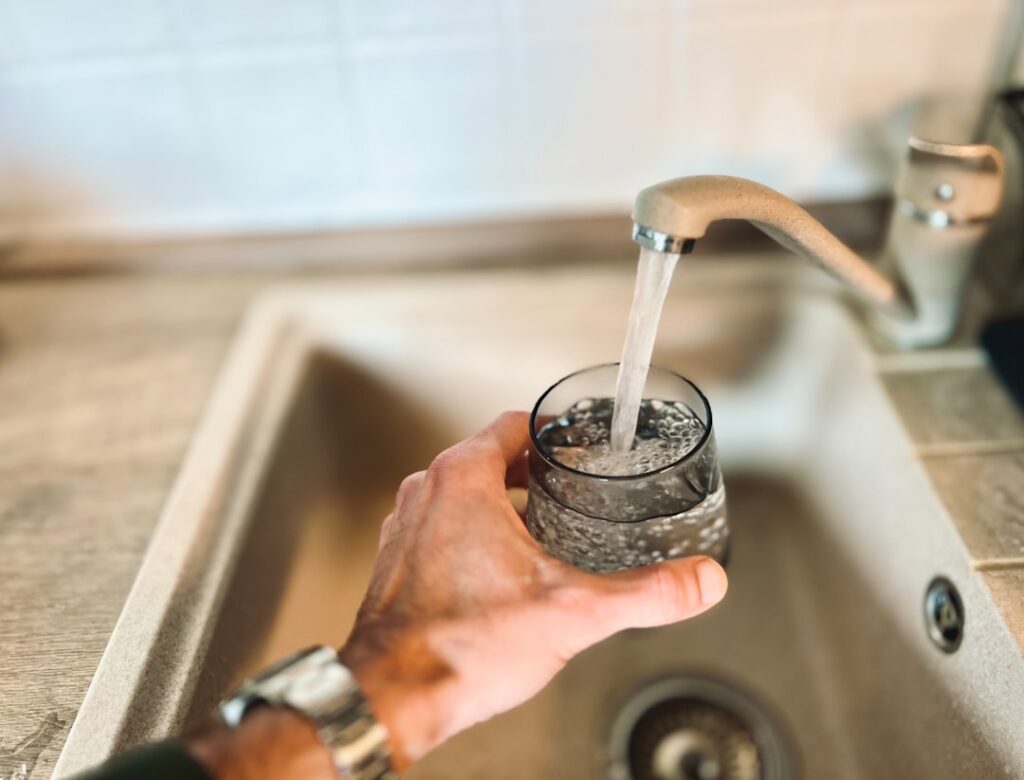
Filters for lead in water are point-of-use devices designed to reduce lead concentrations in drinking water to safer levels, and they matter most in older homes with lead service lines, lead solder, or brass fixtures. Lead is a serious health hazard, especially for children and pregnant women, and unlike many contaminants it has no taste, smell, or color to warn you. This guide summarizes EPA and CDC guidance current as of 2026; it is general information, not legal or medical advice, and you should consult a certified water professional for testing decisions and a physician for health concerns. The key takeaway is that not every filter removes lead, and certification is what separates a real solution from a false one.
Asbestos or biohazard concern? Speak with a certified contractor.
📞 Call (877) 742-8496How filters for lead in water work
Lead enters household water mainly by leaching from lead pipes, lead solder, and brass fixtures as water sits in contact with them. Filters reduce that lead through a few mechanisms. Activated carbon block filters adsorb dissolved lead onto a dense carbon medium and physically trap particulate lead. Reverse osmosis systems push water through a semipermeable membrane that rejects lead along with many other contaminants. Distillation, less common at home, boils water and condenses the vapor, leaving lead behind.
The mechanism matters because lead exists in water in two forms: dissolved and particulate. An effective lead filter must address both. A basic carbon filter aimed only at taste and odor may not reliably capture dissolved lead, which is why the type and certification of the filter are decisive rather than the general label “water filter.”
Filters also have a finite capacity. As a cartridge processes water, its lead-removal ability declines, so replacement on the manufacturer’s schedule is essential. A spent filter can stop removing lead while still improving taste, giving a false sense of safety. Tracking gallons or time and changing cartridges on schedule is part of the job, not optional.
What NSF/ANSI 53 certification means
The single most important thing to look for in a lead filter is certification to NSF/ANSI Standard 53 for lead reduction. NSF/ANSI 53 is the independent standard that verifies a filter actually reduces lead to below the regulatory threshold under tested conditions. A filter certified to this standard has been validated by a third party to remove lead, not merely claimed to.
For reverse osmosis systems, the comparable certification is NSF/ANSI 58, which covers RO performance including lead reduction. Look for the certification mark and confirm the specific claim is for lead, since a filter can be certified for one contaminant, like chlorine taste, without being certified for lead. The EPA and CDC both point consumers toward independently certified filters for lead.
The EPA’s regulatory framework treats lead as a contaminant with an action level of 15 parts per billion at the tap for water systems, and a maximum contaminant level goal of zero because no level of lead exposure is considered safe. A certified lead filter is designed to bring water below the action level, but the health goal is to minimize exposure as much as possible, which makes a properly certified and maintained filter a meaningful protection. Our overview of lead and asbestos in pre-1978 housing covers the broader lead-hazard picture in older homes.
Which filter types remove lead
Several form factors carry NSF/ANSI 53 lead certification, and the right one depends on your needs. Faucet-mounted filters attach to the tap and treat water on demand; they are inexpensive and easy, but cartridges need frequent replacement. Pitcher and dispenser filters are convenient and require no installation, though only certain models are certified specifically for lead, so reading the certification is critical.
Under-sink filters connect to the cold-water line and deliver filtered water through a dedicated faucet, offering higher capacity and convenience for a kitchen. Reverse osmosis systems, usually installed under the sink, remove lead along with a wide range of other contaminants but waste some water and remove beneficial minerals, which some homeowners offset with remineralization. Whole-house systems generally are not the right tool for lead, because lead exposure is primarily a drinking-water concern best addressed at the point of use.
What does not reliably remove lead includes simple carbon filters sold only for taste and odor, refrigerator filters not certified for lead, and softeners, which address hardness rather than lead. The lesson repeats: certification for lead specifically, not the general filter category, is what determines whether a device protects you.
Point-of-use versus point-of-entry
Lead filtration is almost always done at the point of use, the faucet you drink and cook from, rather than the point of entry where water enters the house. This is because lead is a health risk through ingestion, and treating only the drinking and cooking water is the efficient, effective approach. A certified under-sink or faucet filter at the kitchen tap addresses the water that actually goes into food and drink, including water used to mix infant formula, which is a particular concern given children’s vulnerability to lead.
Testing your water first
Before choosing a filter, find out whether you actually have lead and how much. Lead cannot be detected by taste, smell, or appearance, so the only way to know is to test. Many local water utilities offer or recommend testing, and certified laboratories can analyze a sample. The EPA and CDC advise testing in homes built before lead was restricted in plumbing, particularly those that may have lead service lines or lead solder.
Homes built before 1986, when federal law restricted lead in new plumbing, are higher-risk, and the oldest homes with original lead service lines are the highest. Front Range homeowners in older Denver and Boulder neighborhoods, or anyone uncertain about their service line material, benefit from testing before assuming a filter is or is not needed. Knowing your lead level also helps you confirm a filter is keeping water below the action level.
Interim measures help while you arrange a filter. Running the tap to flush standing water before drinking, using only cold water for drinking and cooking, and cleaning faucet aerators reduce, but do not eliminate, lead exposure. These steps are stopgaps, not substitutes for a certified filter or for replacing lead plumbing where feasible. Our guide to lead abatement contractors covers the larger fixes.
When to call a professional
If a water test confirms lead, or if your home has known lead service lines or solder, consult professionals. A certified water-treatment specialist can recommend and install an appropriately certified filtration system, and a licensed plumber or lead-abatement contractor can address the underlying lead plumbing. Your local water utility can advise on service-line status and replacement programs. For any health concern, particularly for children with possible exposure, consult a physician, since blood-lead testing is a medical decision.
Filters for lead in water are an effective, accessible layer of protection when they are certified for lead, sized to your household, and maintained on schedule. Pair a certified filter with water testing and, where possible, removal of lead plumbing, and you address both the immediate exposure and its source.
Why lead in water is a serious health concern
Lead is a potent neurotoxin, and the health stakes are what make certified filtration worth the attention. The CDC and EPA are clear that no level of lead exposure is considered safe, which is why the maximum contaminant level goal for lead in drinking water is zero. The action level of 15 parts per billion is a regulatory trigger for water systems, not a safety threshold below which lead is harmless. The goal for any household is to minimize exposure as much as possible.
Children and pregnant women face the greatest risk. In young children, lead exposure can affect brain development, lowering cognitive function and causing behavioral problems, and the effects can be irreversible. Infants who drink formula made with lead-contaminated water are especially vulnerable because formula may be their entire diet and their bodies absorb lead more readily than adults. In pregnancy, lead can cross to the developing fetus. These risks are the reason public-health agencies treat lead in water as urgent rather than a nuisance contaminant.
Because lead has no taste, smell, or color, a household cannot detect it without testing. Water can look perfectly clean and still carry harmful lead leached from pipes, solder, or fixtures. This invisibility is what makes the problem dangerous and what makes both testing and certified filtration so important; you cannot rely on your senses to warn you. Our overview of lead and asbestos hazards in older homes covers the broader lead picture, including paint and dust.
How lead gets into household water
Lead rarely originates at the water source; it usually enters as water travels through lead-containing plumbing on its way to the tap. The biggest contributor is a lead service line, the pipe connecting a home to the water main, common in older homes built before lead service lines were phased out. Lead solder used to join copper pipes, and brass fixtures and fittings that contain small amounts of lead, also leach into water, especially when water sits stagnant.
The leaching process depends on water chemistry and contact time. Water that is corrosive, or that sits in contact with lead plumbing for hours, picks up more lead than water that flows freely. This is why first-draw water in the morning, after sitting in the pipes overnight, tends to carry the highest lead levels, and why flushing the tap before use reduces, though does not eliminate, lead. Hot water dissolves more lead than cold, which is why guidance is to use only cold water for drinking, cooking, and infant formula.
Federal law restricted lead in new plumbing in 1986 and tightened the definition of lead-free further over the years, so homes built or re-plumbed after these changes carry lower risk. The oldest homes, particularly those that may still have original lead service lines, are the highest risk. Front Range homeowners in older Denver and Boulder neighborhoods, or anyone uncertain about their service-line material, have good reason to test rather than assume.
Choosing and maintaining the right filter
Matching the filter to your household means weighing capacity, convenience, and the volume of water you treat. A pitcher or faucet-mount filter certified for lead suits a small household or a renter who cannot modify plumbing, though cartridges need frequent replacement. An under-sink filter or reverse osmosis system offers higher capacity and the convenience of a dedicated faucet, better for families that cook and drink a lot of filtered water. Whatever the form factor, the non-negotiable requirement is certification to NSF/ANSI 53 for lead, or NSF/ANSI 58 for reverse osmosis.
Maintenance is where many households unknowingly lose their protection. A filter’s lead-removal capacity is finite, and as a cartridge processes water it gradually loses the ability to capture lead. A spent cartridge may still improve taste while no longer removing lead, giving false reassurance. Tracking gallons used or following the manufacturer’s time-based schedule and replacing cartridges on time is essential; an expired filter is not a safe filter. Our guide to lead abatement contractors covers addressing the source plumbing for a more permanent fix.
Point-of-use placement is the standard strategy because lead is a health risk through ingestion. Treating the kitchen tap, the water that goes into drinking glasses, cooking pots, and infant formula, addresses the exposure that matters most, without the cost and complexity of whole-house treatment that lead does not require. A certified filter at the point of use, maintained on schedule, is an effective and affordable layer of protection while you pursue testing and, where feasible, replacement of lead plumbing.
Service-line replacement deserves mention as the most durable solution where a lead service line is the source. Many utilities, including some in Colorado, run programs to identify and replace lead service lines, sometimes sharing or covering the cost, and the long-term trend in federal policy points toward removing lead service lines from the system entirely. Replacing the line eliminates the largest single source of lead at the tap, addressing the problem at its root rather than filtering around it. In the meantime, a certified point-of-use filter bridges the gap, protecting the household while the slower, larger fix proceeds. Contacting your local water utility to learn your service-line material and any replacement program available is a sensible first step alongside testing, and it complements rather than replaces the immediate protection a certified filter provides.
References
- Basic Information About Lead in Drinking Water — U.S. Environmental Protection Agency
- Lead in Drinking Water — Centers for Disease Control and Prevention
- Lead and Copper Rule — U.S. Environmental Protection Agency
If you own an older Front Range home and want help understanding lead risks in your plumbing before choosing a filter, our team can connect you with a vetted local inspector or water professional. Get in touch here to find the right qualified expert for your situation.