Lead in Water Filter: What Homeowners Need to Know
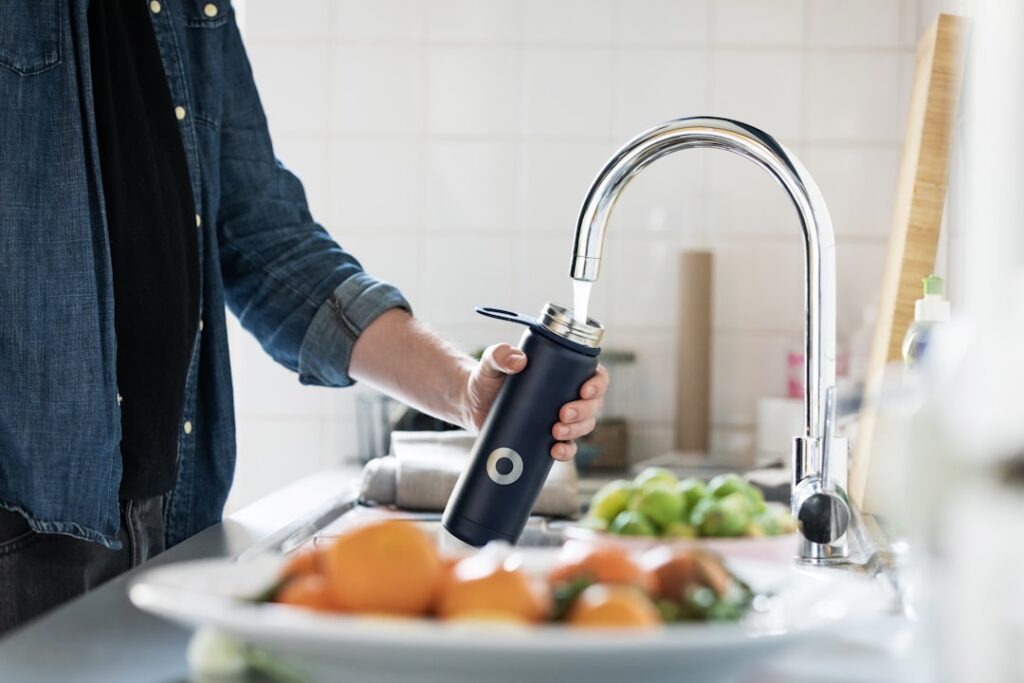
When a household worries about lead in its drinking water, a filter feels like the obvious fix, and it often is—but only the right filter, chosen for the right reason. Not every pitcher or faucet attachment removes lead, and the certification on the box matters more than the marketing on the front. A lead in water filter is a proven tool when matched to a confirmed problem. This guide summarizes EPA, CDC, and public-health guidance current as of 2026 for informational purposes only; it is not a substitute for water testing by a certified laboratory or advice from a qualified professional, and health concerns should go to your physician.
Part of our Lead Paint & Lead Testing guide — start there for the full picture →
Asbestos or biohazard concern? Speak with a certified contractor.
📞 Call (877) 742-8496Does a Water Filter Remove Lead?
Some do, and many do not. A filter removes lead only if it is specifically certified for lead reduction. The key standard is NSF/ANSI 53, which certifies a filter to reduce lead to below the action level under defined test conditions. A filter certified only to NSF/ANSI 42, by contrast, addresses taste and odor—chlorine and particulates—and does nothing reliable for lead, even though such a filter may make the water look and taste noticeably better.
This is the single most important fact for a homeowner. The presence of a filter is not protection; the right certification is. Reverse osmosis systems certified to NSF/ANSI 58 also reduce lead. Before trusting any device, a homeowner should confirm the NSF/ANSI 53 (or 58) lead claim printed on the product and its replacement cartridges. Marketing language like “reduces contaminants” or “for cleaner water” means nothing on its own; the specific, testable claim is the named standard for lead reduction, verified by an independent certification body, and a product that cannot point to that claim should be assumed not to remove lead at all. Our companion guide on a filter for lead in water covers the certification details further.
Why Lead Gets Into Tap Water
Lead rarely originates at the water source. It usually enters drinking water from the plumbing between the main and the tap—lead service lines, lead solder used on copper pipe before 1986, and brass fixtures containing lead. As water sits in contact with these materials, lead leaches in, especially when the water is corrosive or has been standing for hours.
This origin explains why the problem is so household-specific. Two homes on the same street can have very different lead levels depending on their plumbing. Pre-1986 homes are the highest concern because lead solder was legal until the 1986 amendments to the Safe Drinking Water Act restricted it. Homes with lead service lines, common in older neighborhoods, face the greatest exposure. Understanding the source is what tells a homeowner whether a point-of-use filter at the kitchen tap is sufficient or whether the service line itself is the issue, a topic our guide on lead pipe corrosion addresses.
Test First, Then Choose a Filter
The EPA and CDC are consistent: you cannot see, taste, or smell lead in water, so testing is the only way to know whether it is present and at what level. Buying a filter without testing means guessing at both the problem and the solution.
A homeowner can request a test through their water utility, which may offer free or low-cost kits, or use a state-certified laboratory. The test reports lead concentration, typically in parts per billion (ppb) or micrograms per liter. That number drives the decision: a confirmed elevated result justifies a certified lead filter and, potentially, investigation of the service line. The framing of what counts as elevated is covered in our guide on safe levels of lead in water. Testing first also establishes a baseline to confirm the filter is working.
Types of Lead-Reducing Filters
Several filter formats can reduce lead when properly certified. Each suits a different household need.
- Pitcher and dispenser filters — pour-through units; convenient and inexpensive, but only those certified to NSF/ANSI 53 for lead actually reduce it. Capacity is limited.
- Faucet-mounted filters — attach to the tap and filter on demand; many certified models reduce lead and are simple to install.
- Under-sink filters — higher-capacity cartridges plumbed to a dedicated tap; good for steady use.
- Reverse osmosis systems — certified to NSF/ANSI 58, these remove a broad range of contaminants including lead, usually installed under the sink.
The right choice balances how much filtered water the household uses, budget, and installation comfort. What unites every effective option is the certification: a device must carry the NSF/ANSI 53 lead claim or be an NSF/ANSI 58 reverse osmosis system to be trusted for lead.
The Health Stakes of Lead Exposure
Lead is the reason this matters. The CDC states there is no safe blood lead level in children; even low exposures are linked to lower IQ, attention problems, and developmental delays. In adults, lead exposure is associated with cardiovascular and kidney effects. Infants who drink formula mixed with lead-contaminated water are a particular concern because of their small size and rapid development.
Because lead accumulates and harms most where children are involved, the EPA has set the goal for lead in drinking water at zero, reflecting that no exposure is considered beneficial. A certified filter reduces a known exposure pathway, which is why matching the right filter to a tested problem is a meaningful protective step rather than a cosmetic one. This health framing is what elevates the filter choice from a convenience purchase to a safety decision.
Reading Filter Certifications Correctly
The certification label is where a homeowner separates a real lead filter from a taste-and-odor device, so it pays to read it carefully. NSF/ANSI 53 is the standard that covers health-related contaminant reduction, including lead. A filter certified under it for lead reduction has been tested to bring lead below the action level under defined conditions. NSF/ANSI 58 covers reverse osmosis systems, which also reduce lead.
The pitfall is a filter certified only to NSF/ANSI 42, which addresses aesthetic concerns—chlorine taste, odor, and particulates—and does nothing reliable for lead. A product can carry an impressive certification logo while being certified only for taste. The homeowner must confirm the specific claim: the label or product literature should state lead reduction under Standard 53 or 58, not merely list a certification number. Replacement cartridges matter too, since the certification applies only when the correct, in-date cartridge is installed. Checking the actual contaminant claim, not just the presence of a logo, is the step that ensures the filter does what is needed.
Point-of-Use vs. Point-of-Entry Systems
Filters fall into two broad placements, and the distinction matters for lead. A point-of-use system treats water at a single fixture—a pitcher, a faucet attachment, or an under-sink unit serving the kitchen tap. Because lead is a drinking-and-cooking concern rather than a bathing one, point-of-use treatment at the kitchen sink is usually the practical, cost-effective choice for lead.
A point-of-entry system, installed where water enters the home, treats all the water in the house. For lead specifically, whole-house treatment is generally unnecessary and more expensive than the problem requires, since the priority is the water people drink and cook with. Whole-house systems make more sense for problems affecting all water use. For most lead situations, a certified point-of-use filter on the tap used for drinking and food preparation delivers the protection where it counts without the cost of treating water destined for showers and laundry.
Using and Maintaining the Filter Correctly
A certified filter only protects if it is used as designed. The cartridge has a rated capacity, and lead reduction degrades once that capacity is exceeded, so replacing the cartridge on schedule is essential. A neglected filter can perform worse than no filter if it harbors buildup, though for lead the main failure mode is simply running past the rated life.
Other practical habits help. Use the filtered tap for drinking and cooking, especially for infant formula. Run the filter only on cold water, since hot water dissolves lead more readily and many filters are rated for cold use. Flushing a tap that has sat unused for hours, before filtering, reduces the lead load the cartridge must handle. These habits, paired with timely cartridge changes, keep the filter performing to its certification.
When a Filter Is Not Enough
A point-of-use filter protects the tap it serves, not the whole house, and it does not remove a lead service line feeding the home. When testing reveals high lead and the cause is a lead service line, the long-term solution is line replacement, often a shared project between the homeowner and the water utility. A filter is the interim safeguard while that larger work is arranged.
Renovations and disturbances to lead plumbing can also spike levels temporarily, and a filter alone may not keep pace. In those situations, professional assessment of the plumbing and the service line, alongside filtration, gives the complete picture. The broader strategy for managing lead in a home, including paint and dust, is laid out across our asbestos and lead hazard guide.
When to Call a Professional
The conditions that warrant professional involvement are well defined. Reach out to a certified laboratory or the water utility for testing whenever a home predates 1986, has a suspected lead service line, or houses young children or a pregnant person—the households where confirming and reducing lead matters most. If a test confirms elevated lead, a qualified plumber or the utility can assess the service line and fixtures, and a professional can confirm which certified filter fits the situation.
Front Range homeowners concerned about lead at the tap can reach out through our contact page to connect with a vetted local inspector who can help arrange water testing and interpret the results. Testing first, then choosing a certified filter, is the sequence that turns worry into a measured, effective response.
Other Steps That Reduce Lead at the Tap
A filter is one tool, but several no-cost or low-cost habits reduce lead exposure alongside it, and they matter most before a filter is installed or when one is between cartridge changes. Flushing is the simplest: running the cold tap for a minute or two after water has sat in the pipes for hours clears the standing water that has leached the most lead. The longer water sits in contact with lead plumbing, the more it absorbs, so the first draw of the morning carries the highest load.
Using only cold water for drinking, cooking, and especially infant formula is another, because hot water dissolves lead more readily and many filters are rated for cold use only. Cleaning the faucet aerator periodically removes accumulated lead particles and debris that collect in the screen. None of these replaces a certified filter where lead is confirmed and elevated, but together they lower baseline exposure and complement the filter’s work. The EPA points to these practices as practical interim measures, particularly while a longer-term solution like service-line replacement is arranged.
Protecting Infants and Young Children
The reason lead filtration draws such attention is the disproportionate harm to children, and infants fed formula mixed with tap water are a special concern. An infant consumes a large volume of water relative to body weight, and the developing brain is acutely sensitive to lead. The CDC’s position that there is no safe blood lead level in children means even modest concentrations in formula water warrant attention.
Households with an infant or young children, or an expecting parent, should treat any detectable lead as a reason to act—testing the water, using a filter certified to NSF/ANSI 53 for lead or an NSF/ANSI 58 reverse osmosis system for formula and drinking water, and flushing the cold tap before use. Some families use bottled water certified for low lead specifically for formula preparation while a longer-term fix is arranged. The heightened vulnerability of children is what shifts the lead question from a general water-quality concern to a focused safety priority, and it justifies the extra care a certified filter and careful habits provide.
References
- Basic information about lead in drinking water — U.S. EPA
- Lead in drinking water and health effects — CDC
- Lead hazard control in housing — HUD
Frequently asked questions
Do all water filters remove lead?
No. A filter removes lead only if it is certified to NSF/ANSI 53 for lead reduction, or is an NSF/ANSI 58 reverse osmosis system. Filters certified only to NSF/ANSI 42 address taste and odor, not lead. Always check the certification on the product and its cartridges.
Should I test my water before buying a lead filter?
Yes. Lead is invisible, tasteless, and odorless, so testing through your utility or a certified lab is the only way to know whether it is present and at what level. The result tells you whether a filter is needed and gives a baseline to confirm it works.
Why does lead get into my tap water?
Lead usually comes from plumbing, not the source: lead service lines, lead solder used on copper pipe before 1986, and brass fixtures. Water leaches lead as it sits in these materials, so levels vary house to house, with pre-1986 homes at highest concern.
Is a filter enough if I have a lead service line?
A certified point-of-use filter protects the tap it serves and is a valuable interim safeguard, but it does not remove a lead service line. The long-term fix is replacing the line, often a shared project with the water utility, while the filter protects in the meantime.
If you are worried about lead in your Front Range home’s water, test before you buy a filter. Get in touch through our contact page to connect with a qualified local inspector who can help arrange testing and interpret your results.