Radon System Service: 2026 Maintenance Schedule Guide
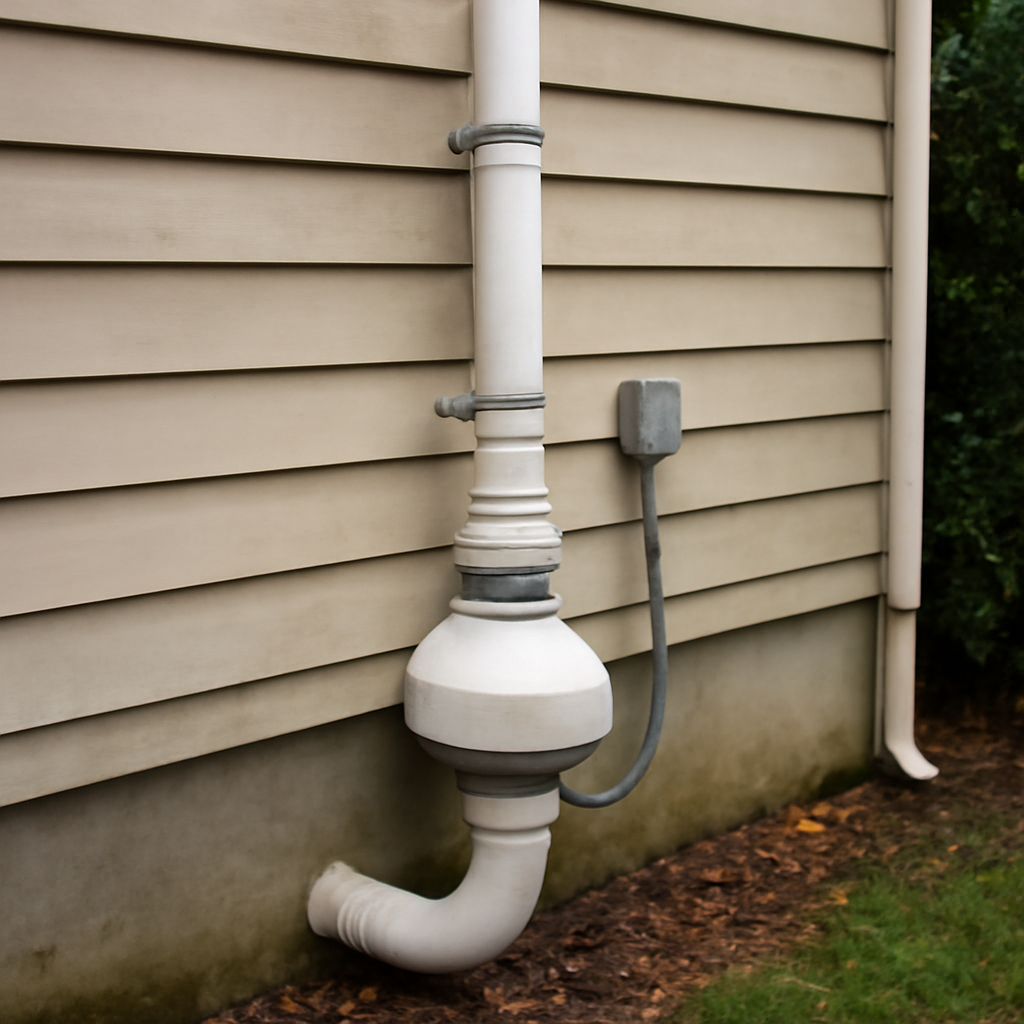
Radon system service is the recurring maintenance work that keeps a sub-slab depressurization (SSD) mitigation system pulling soil gas at the design rate years after the installer leaves. The fan does not last forever, the manometer can drift, and the exhaust pipe collects ice and pests. Front Range homeowners who installed a system after a high reading often assume the job is finished — it is not. This guide summarizes EPA and CDC guidance current as of 2026 — consult a certified radon professional for testing and your physician for symptom evaluation. The pages below cover the annual checklist, the difference between scheduled service and emergency repair, and when to schedule the next confirmatory measurement.
What does annual radon system service actually include?
A proper annual radon system service visit is not a glance at the fan and a thumbs-up. The EPA Radon Mitigation Standard (consensus document last revised by AARST and adopted by many state programs) lists four mandatory checks that a homeowner or NRPP-certified contractor should run every twelve months. Each check has a pass-fail threshold and a documented response if the system fails.
1. Manometer pressure reading
The U-tube manometer mounted on the riser pipe should show a steady, unequal column of liquid. Equal columns mean zero suction. If the offset has dropped from the installation baseline (typically written on the system tag), the fan is weakening, a pipe joint has cracked, or the sub-slab gravel layer has shifted. Service techs photograph the manometer at every visit and compare against the install report.
2. Fan operation and noise check
A healthy radial radon fan hums at a consistent low pitch. Bearing whine, vibration, or intermittent stalls indicate the motor is nearing end of life. Most fans are rated for five to ten years of continuous duty. Tracking the install date on the system tag lets the homeowner predict replacement before failure rather than after.
3. Exhaust pipe integrity and clearance
The exhaust termination must remain ten feet above grade, ten feet from any opening, and free of bird nests, ice plugs, or crushing damage. Colorado winters routinely deposit hoarfrost inside the discharge cap; spring service includes clearing that ice and confirming the screen is intact.
4. Re-test scheduling
The EPA recommends a confirmation radon measurement every two years for mitigated homes, with an immediate re-test if the manometer reading changes. Service contracts that omit the re-test are incomplete — the manometer confirms airflow, but only a radon measurement confirms the indoor level.
How does service differ from repair?
Service is preventive: a scheduled appointment that catches drift before it becomes a problem. Repair is responsive: a call after the manometer has dropped to zero, the fan has gone silent, or a follow-up test came back above 4.0 pCi/L. The same contractor often does both, but the cost structure is different. A typical Front Range annual service visit runs $150 to $250 and includes inspection, manometer reset, and a short-term re-test kit drop. A repair visit starts there and adds parts (a replacement RP260 fan runs $200 to $350) plus labor for diagnosis. Homeowners who skip annual service end up paying the repair price after a failure they could not see coming.
The other practical difference is timing. Service is calendared — most contractors stamp the next visit date on the system tag after each appointment. Repair is unplanned and almost always inconvenient, with the system off for days or weeks while parts ship. For broader background on responsive after-failure work, the radon mitigation system repair guide walks through diagnosis and parts replacement in detail.
Why does fan lifespan matter so much?
The radial blower is the only moving part in a passive-to-active mitigation system, and it runs every minute of every day. Manufacturers like RadonAway, Festa, and Fantech publish lifespan ranges of five to ten years for continuous-duty operation. In practice, Front Range fans installed in unconditioned attics or exterior wall mounts see the shorter end because temperature swings stress the bearings. Fans mounted in conditioned basements often reach the longer end.
Tracking the install date is the single most useful thing a homeowner can do. Photograph the tag on the day of installation, store it in the home file with the post-mitigation test result, and put a calendar reminder at year seven. That gives the household time to schedule a planned replacement during a low-stress window rather than scrambling after the manometer drops.
Signs the fan is at end of life
Bearing whine that develops over weeks. Rattling on cold mornings. A manometer reading that has drifted ten or twenty percent from the install baseline. A spike in the most recent radon measurement despite no other building changes. Any one of these signals warrants a service call; two or more strongly suggest the motor is finished.
What is the annual radon system service checklist?
The list below mirrors the checklist most NRPP-certified service techs follow. Homeowners can complete the visual portions themselves and call a professional for the airflow and re-test steps.
- Manometer: Confirm unequal columns; photograph reading; compare to install baseline.
- Fan housing: Listen for bearing noise; feel for excess vibration; verify no water in housing.
- Pipe joints: Inspect every glued joint from fan inlet to roof for cracks or pulled couplings.
- System label: Confirm the EPA-required system tag is present and legible (install date, contractor, post-mit reading).
- Electrical: Verify the dedicated circuit is live; check the disconnect switch.
- Exhaust termination: Look up — confirm cap is intact, clearance is correct, no nests or ice.
- Sealants: Walk the slab and confirm sump cover gaskets, crack sealants, and floor-wall joints have not pulled.
- Re-test: Deploy a short-term kit or schedule a CRM drop every two years at minimum.
How often should the radon level be re-tested?
EPA recommends a follow-up radon measurement every two years for any home with an active mitigation system. CDPHE echoes this for Colorado homeowners. The two-year interval catches slow fan degradation, foundation movement, or new openings (a basement remodel, a sump pit added, a new bath fan exhausting more aggressively) that change pressure dynamics. A short-term charcoal kit ($15 to $30) under the EPA closed-house protocol works for routine re-tests. After any repair, the re-test should run within thirty days of the work to confirm the fix held.
For homeowners refreshing the whole testing workflow, the Front Range radon testing pillar walks through measurement methods, devices, and post-mitigation verification.
Who is qualified to service a radon mitigation system?
Two national certification programs cover radon mitigation work. The National Radon Proficiency Program (NRPP) and the National Radon Safety Board (NRSB) both certify mitigation specialists and measurement professionals. Many state programs — Colorado among them — require one of these credentials for any commercial mitigation work and recommend it for service. A homeowner hiring a contractor for routine service should ask for the NRPP or NRSB number and verify it on the certifying body’s online registry.
General HVAC contractors and handyman services often advertise radon work without certification. The EPA mitigation standard contains specific airflow, sealant, and termination requirements that non-certified workers regularly miss. The fee difference between certified and non-certified service is small — the risk difference is large.
What about post-mitigation re-test windows?
The EPA Radon Mitigation Standard recommends a post-mitigation re-test within thirty days of system commissioning to confirm the installer hit the target reduction. The same window applies after any major service event — fan replacement, riser modification, sub-slab suction-point addition. A short-term charcoal kit or continuous radon monitor (CRM) under closed-house conditions is the accepted method. The result goes into the home file alongside the system tag.
Some real estate transactions require this re-test before closing if the system is less than a year old. Buyers’ agents on the Front Range increasingly ask for it as part of the inspection contingency, especially in counties where the EPA radon zone designation drives default closed-house testing.
Should homeowners track service themselves or use a contract?
Either approach works if it produces a paper trail. Self-tracking requires a household calendar entry, a folder with the install report and every test result, and the discipline to actually book the service visit when the reminder fires. Most homeowners drift. A service contract from the original installer typically costs $150 to $300 per year and includes the annual visit, the manometer photo log, and a kit drop every other year.
For households juggling other inspection items, bundling radon service with annual HVAC maintenance is one practical pattern. Two visits, same week, same household disruption. Front Range homeowners weighing a fuller pre-listing or annual systems sweep can connect with a vetted local inspector to align radon service with broader checks.
What documents should the homeowner keep on file?
Good radon system documentation makes every future service visit faster and protects the homeowner during a real estate sale. The folder should contain four items. First, the original installation report from the mitigation contractor, listing the suction point locations, the fan model, the design airflow target, and the post-installation radon reading. Second, the system tag photo taken on commissioning day. Third, the running log of annual service visits with the manometer reading and any parts replaced. Fourth, every radon measurement result the household has run since installation, dated and noting closed-house conditions.
That paper trail proves to a future buyer that the system was maintained — not just installed. Front Range agents increasingly request the documentation packet as part of the seller disclosure, and a complete file shortens negotiation. The same packet helps a service contractor diagnose drift faster because the baseline numbers are right there in the homeowner’s hands rather than buried in a vendor database.
Common service findings on Front Range systems
Service technicians who run year-after-year visits across Denver, Boulder, and Douglas County report a recurring set of issues. Knowing what they tend to find helps homeowners prioritize the inspection between professional visits.
Cracked sump cover gaskets
Sump pits are a common suction point. The cover gasket dries and cracks over five to eight years, especially in basements with low humidity. The fix is a fresh bead of urethane sealant around the cover lip, completed in under twenty minutes.
Sealant pull-back at slab cracks
Sub-slab depressurization depends on sealed cracks. Polyurethane sealant adheres well at install but can pull from one edge after several freeze-thaw cycles. A walk of the slab with a flashlight catches these gaps; re-sealing is a homeowner-level task.
Exhaust ice plugs in late winter
Cold-side condensate freezes inside the exhaust cap during long Front Range cold snaps. The plug can completely block airflow, dropping the manometer to zero and sending radon indoor levels up. A spring service visit clears the plug and confirms the screen is intact.
Fan housing water intrusion
Fans installed outdoors should sit at a slight downward pitch so condensate drains. A miscut or settled mount allows water to pool in the housing, killing the motor. Service techs catch this by tapping the housing and listening for water.
When should homeowners call a professional?
Call a certified radon mitigation contractor if the manometer reading drops below the install baseline, if the fan produces new noise or stops, if the most recent radon measurement comes back above 4.0 pCi/L, or if any visible damage to the riser or exhaust pipe appears. Do not attempt fan replacement without verifying the new unit matches the original suction rating — undersized fans fail to maintain depressurization, and oversized fans waste energy without improving performance. Households planning a major basement renovation, a sump pit addition, or any work that breaks the slab should book a service visit before and after the project to confirm the system still meets its design target.
References
- EPA Consumer’s Guide to Radon Reduction — U.S. Environmental Protection Agency
- Colorado Radon Program — Colorado Department of Public Health and Environment
- CDC Radon Information — Centers for Disease Control and Prevention
- Find a Radon Measurement or Mitigation Professional — U.S. Environmental Protection Agency
Front Range homeowners with a mitigation system due for annual service or a confirmatory re-test can reach a vetted local contractor through our contact page and align the visit with broader home maintenance.