Radon Mitigation Crawl Space Service: What to Know

A radon mitigation crawl space service addresses one of the trickiest spaces to protect from radon. Unlike a poured slab, a crawl space often has exposed soil or a thin vapor barrier, giving radon gas an easy path into the home above. The standard fix — a sealed membrane combined with active sub-membrane suction — is well established, but the quality of the installation determines whether levels actually drop and stay down. This guide summarizes EPA and Colorado health-department guidance current as of 2026; consult a certified radon professional for system decisions and your physician for any health concerns.
Part of our Radon Mitigation Systems guide — start there for the full picture →
How Crawl Space Radon Mitigation Works
The preferred method for crawl spaces is sub-membrane depressurization. A durable polyethylene membrane is laid across the entire crawl space floor and sealed at the seams, the walls, and around any piers or penetrations, creating a continuous barrier over the soil. A suction pipe is placed beneath the membrane and connected to a continuously running fan that draws soil gas from under the barrier and vents it above the roofline, away from living space.
The membrane and the suction work together: the seal stops radon from entering the crawl space, and the fan maintains negative pressure beneath it so gas is pulled out rather than pushed up into the home. This mirrors the sub-slab depressurization used under basements, adapted to bare ground. Our guide on the radon mitigation system for a crawl space details the design choices, and the broader explainer on how radon mitigation systems work covers the underlying principle.
What a Quality Service Includes
A thorough crawl space service is more than dropping plastic on the dirt. Watch for these elements.
Complete, sealed coverage
The membrane should cover the entire soil surface and be sealed continuously at all seams, perimeter walls, support columns, and pipe or duct penetrations. Gaps and unsealed edges are where systems fail, because radon and the fan’s suction both follow the path of least resistance. A heavier-gauge membrane resists punctures from future foot traffic during maintenance.
Proper suction and venting
The suction point and fan must be sized to the crawl space so the system maintains negative pressure beneath the membrane. The vent pipe should run to a code-compliant discharge above the roof, and a manometer should be installed so the homeowner can confirm the system is working at a glance.
What Does a Crawl Space Service Cost?
Crawl space mitigation generally costs more than a simple slab system because of the labor to seal a membrane across an irregular, low-clearance space. Typical pricing falls in the range of roughly $1,500 to $4,000, with the high end reflecting large or difficult crawl spaces, multiple suction points, or extensive sealing work. Tight clearances, debris removal, and damaged existing barriers all push cost upward.
The variation is wide because crawl spaces vary so much. A clean, accessible space with a single suction point sits at the low end; a cramped, multi-section space requiring extensive membrane and several suction points runs higher. For a fuller comparison of pricing across system types, see our cost for radon mitigation guide.
Why the Front Range Makes This a Priority
Colorado’s geology produces elevated radon across much of the state, and the EPA places most Front Range counties in its highest radon zone. Crawl space homes in Denver, Douglas, El Paso, Boulder, and surrounding counties are common, and an unsealed crawl space is a direct conduit for the soil gas the region’s bedrock and soils release. A properly executed crawl space service is often the difference between a home that tests well above the 4.0 pCi/L action level and one that holds safely below it. Our overview of high radon levels for Front Range homeowners explains why local testing is non-negotiable, and the parent radon testing guide ties it together.
Membrane Materials and Why Gauge Matters
The membrane is the component that most determines whether a crawl space system lasts, and its specification deserves attention. Membranes are measured in mils (thousandths of an inch), and the thickness chosen reflects how the crawl space will be used. A thin barrier suffices where no one will ever enter, but most crawl spaces see occasional access for plumbing, electrical, or HVAC service, and foot traffic over a thin membrane causes punctures that breach both the radon seal and the vapor barrier.
For that reason, quality crawl space services typically use a heavier-gauge reinforced membrane in the range commonly specified for encapsulation work, which resists tearing under traffic and lasts for decades. Reinforced products with a woven scrim layer add puncture resistance over plain polyethylene. The sealant and tape used at seams and penetrations must be compatible with the membrane and durable enough to maintain the seal over time, since a seam that lets go reopens the radon pathway. When comparing quotes, ask what membrane gauge and seaming method the contractor uses; a bid that wins on price by specifying a flimsy barrier is a false economy, because a punctured or unsealed membrane forces a repair and can let radon climb back undetected between tests.
Choosing a Service and Verifying the Result
Hire a certified radon mitigation professional, confirm the system carries a written guarantee to reduce levels below the action level, and ask to see the manometer and the membrane sealing details before final payment. A reputable installer will perform or recommend a post-installation radon test to verify the system achieved the target reduction, not just that the fan runs.
After installation, retest radon to confirm success, then build retesting into a routine — every two years and after any service — because a torn membrane or a failing fan can let levels rise without warning. Keep the installer’s documentation and the marked manometer baseline so future changes are easy to catch. A crawl space system protects you only as long as the seal and suction hold.
For Front Range homeowners, the investment in a quality crawl space service pays off on two fronts. It brings radon below the action level in a foundation type that is otherwise difficult to protect, and it delivers the moisture-control benefit of a sealed soil barrier in a region where crawl space dampness can otherwise feed wood decay. Choosing a certified installer who specifies a durable membrane, seals it completely, sizes the fan correctly, and verifies the result with a test is what turns that investment into lasting protection. The cheapest bid that skimps on membrane gauge or sealing detail tends to cost more over time through repairs and re-tests, so weigh the proposals on the quality of the seal and the strength of the guarantee, not on price alone.
Why Crawl Spaces Are Harder to Mitigate Than Slabs
Crawl spaces present challenges a poured slab does not, which is why crawl space service is its own specialty. A slab is a continuous, relatively flat concrete surface that a single suction point can often depressurize effectively. A crawl space, by contrast, frequently has exposed soil or a thin, leaky vapor barrier, an irregular floor with piers and obstructions, and low clearance that makes the work physically demanding. The soil floor is essentially an open conduit for radon, so the gas enters far more freely than through a sealed slab’s cracks.
Low clearance complicates everything. Installers may have to work on their backs in 18 inches of space, threading membrane around support columns and sealing it to uneven foundation walls. Debris, old insulation, moisture, and pests are common obstacles that must be cleared first. The irregular geometry also means a single suction point may not depressurize the whole area beneath the membrane, sometimes requiring multiple suction points. These realities explain why crawl space mitigation costs more and demands more skill than a comparable slab system, and why the quality of the membrane seal is the make-or-break factor.
The Step-by-Step Installation Process
A professional crawl space service follows a defined sequence. The installer first clears the space of debris and assesses the soil, clearance, and any existing barrier. A suction point is established beneath the planned membrane, connected to the pipe that will route to the fan. The polyethylene membrane is then laid across the entire soil surface, cut to fit around piers and penetrations, and sealed continuously at all seams, perimeter walls, columns, and pipe or duct passages using compatible sealant and mechanical fastening where needed.
With the membrane sealed, the vent pipe is routed from the suction point up and out to a code-compliant discharge above the roofline, and the continuously running fan is installed outside the living space. A manometer is mounted so the homeowner can verify suction at a glance. The installer confirms the system holds negative pressure beneath the membrane and then performs or recommends a post-installation radon test. A reputable installer treats the seal as the heart of the job, because gaps and unsealed edges are where systems fail — both radon and the fan’s suction follow the path of least resistance, and any breach undermines the whole installation.
Combining Radon Control With Moisture Control
A well-designed crawl space service often delivers a second benefit: moisture control. The same sealed polyethylene membrane that blocks radon also acts as a vapor barrier, dramatically reducing the soil moisture that evaporates into the crawl space and migrates upward into the home. In many homes this encapsulation improves indoor humidity, reduces the risk of wood decay and mold in the floor framing, and can modestly improve comfort and energy performance.
This dual function is worth discussing with the installer, because a membrane installed primarily for radon may be specified differently — heavier gauge, more complete coverage — when moisture control is also a goal. Some homeowners pair the radon system with a dehumidifier or additional encapsulation work to fully condition the crawl space. While radon reduction is the primary objective and the metric that must be verified by testing, the moisture benefit is a genuine advantage that makes a quality crawl space service a sound investment beyond radon alone. The membrane’s durability matters here too, since a barrier doing double duty should withstand the occasional foot traffic of future maintenance.
Verifying the System and Long-Term Maintenance
Installation is not complete until testing confirms success. After the system runs, the homeowner should verify the manometer shows active suction and then conduct a radon test — a short-term test for a quick read or, better, a long-term test placed for more than 90 days to capture a representative annual average. The target is a result below the EPA action level of 4.0 pCi/L. A reputable installer backs the work with a written guarantee to reach that threshold and confirms it with a post-install test.
Long-term maintenance is straightforward but essential. Inspect the membrane periodically for tears or lifted seams, especially after anyone has entered the crawl space, and repair breaches promptly. Watch the manometer for any drop in suction that would signal a failing fan. Hold to the EPA’s recommendation to retest every two years and after any service. Because a torn membrane or a weakened fan can let radon climb without any visible sign, this routine vigilance is what keeps a crawl space system protecting the home over its full service life.
References
- Consumer’s guide to radon reduction methods — EPA
- Colorado radon program and zone map — Colorado Department of Public Health and Environment
- Radon and lung health — American Lung Association
Frequently asked questions
How is a crawl space treated for radon?
The standard method is sub-membrane depressurization: a sealed polyethylene membrane covers the soil, and a continuously running fan draws soil gas from beneath it and vents it above the roof. The seal and suction work together to keep radon out of the home.
How much does crawl space radon mitigation cost?
Typical pricing runs roughly $1,500 to $4,000, more than a simple slab system because of the labor to seal a membrane across an irregular, low-clearance space. Size, clearance, debris, and the number of suction points drive the cost.
Why is crawl space radon a concern on the Front Range?
Colorado's geology produces elevated radon, and the EPA places most Front Range counties in its highest radon zone. An unsealed crawl space is a direct path for soil gas into the home, so a properly sealed system is often essential to stay below the action level.
Do I need to retest after the service?
Yes. Retest radon after installation to confirm levels are below the EPA action level of 4.0 pCi/L, then retest every two years and after any service. A torn membrane or failing fan can let levels rise without warning.
Front Range homeowners with a crawl space and elevated radon can get in touch through our contact page to connect with a certified local mitigation professional.
Test your home for radon
Radon is invisible and odorless, so a test is the only way to know your level. A short-term kit gives a first reading in days; a digital monitor tracks it over time.
| Product | Why | Buy |
|---|---|---|
 AirChek Charcoal Radon Test Kit AirChek Charcoal Radon Test Kit | Lab fee usually included; EPA short-term protocol. | Amazon — $21.95 |
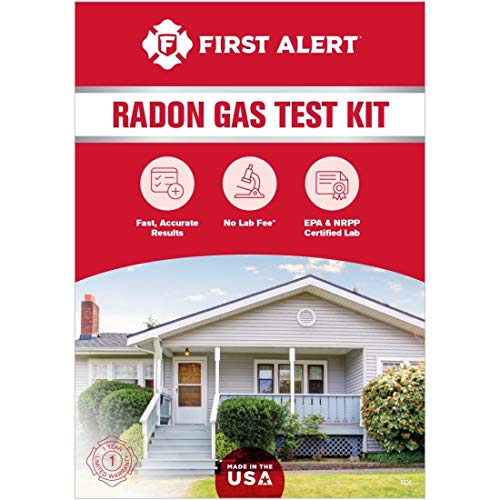 First Alert RD1 Radon Test Kit First Alert RD1 Radon Test Kit | Widely stocked; 48-hour charcoal test. | Amazon — $16.98 |
 Airthings Corentium Home Airthings Corentium Home | Digital monitor with a long-term average. | Amazon — $142.99 |