Radon System: How Mitigation Systems Reduce Indoor Levels
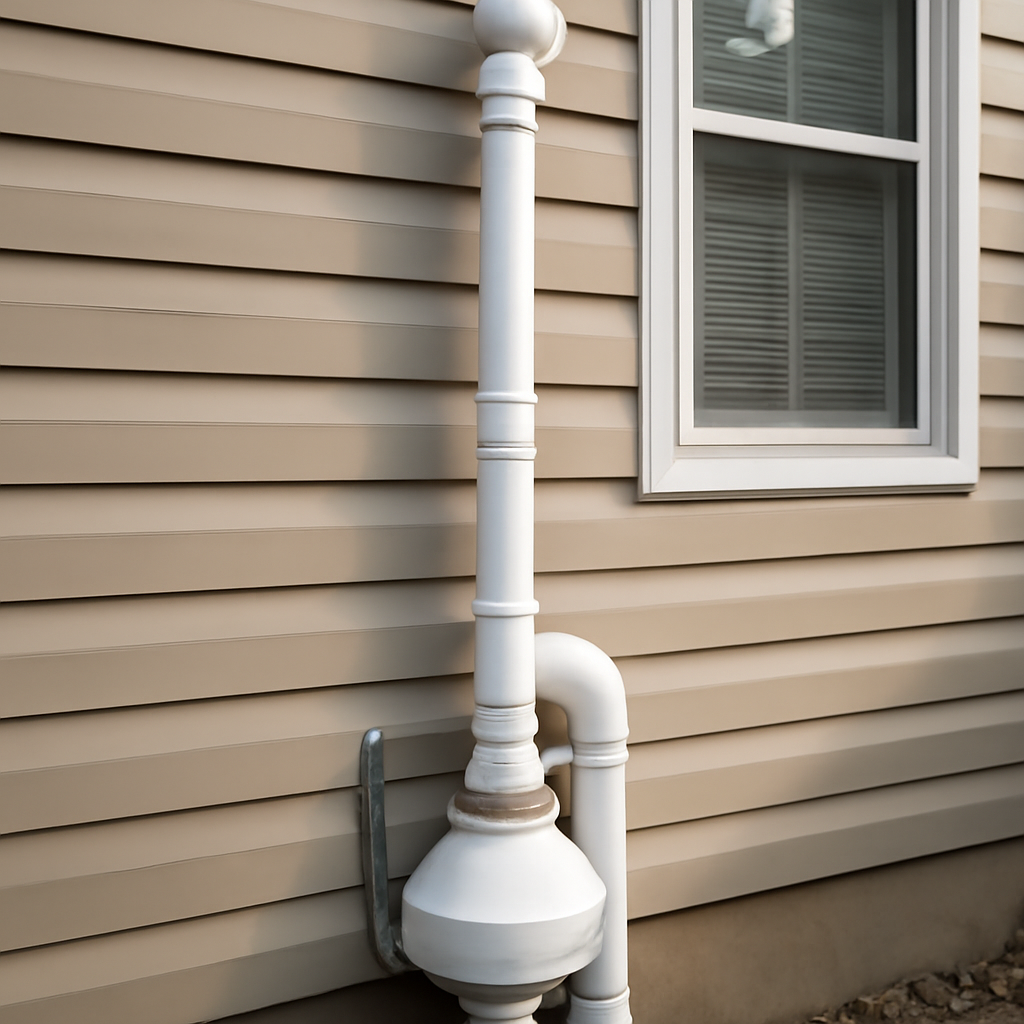
A radon system is the engineered solution that homeowners install when post-test indoor radon levels exceed the EPA action level of 4 picocuries per liter. The standard solution is sub-slab depressurization — a relatively simple but precisely engineered combination of perforated piping, a low-wattage inline fan, and an outdoor exhaust that pulls soil gas from beneath the foundation before it can enter living spaces. This guide walks through the engineering of a typical residential radon mitigation system: the components, the installation sequence, the verification testing that confirms it works, the typical cost on the Front Range, and the certification framework that separates competent installations from unreliable ones. This guide summarizes EPA and CDC guidance current as of 2026 — consult a certified radon professional for system design and installation in your specific property.
What a radon system does and why it works
The principle behind sub-slab depressurization (SSD) is straightforward: the soil under a residential foundation contains radon gas at concentrations far higher than what is acceptable indoors. Pressure differences between the soil and the interior of the home drive soil gas — and the radon it contains — through cracks, utility penetrations, sump openings, and porous concrete into the basement or slab-on-grade living space. An SSD system reverses the pressure differential. By drawing a slight vacuum under the slab, the system pulls soil gas through engineered piping and exhausts it above the roof line before it can enter the home.
EPA’s protocol for residential radon mitigation under the Radon Mitigation Standard (originally ASD-1995, now codified through ANSI/AARST standards) specifies the design parameters for an effective SSD system. The post-mitigation goal is indoor radon below 4 picocuries per liter — the EPA action level — with most properly designed systems achieving 1 to 2 pCi/L. EPA additionally recommends consideration of mitigation for indoor levels between 2 and 4 pCi/L given the documented health risk gradient. The broader radon testing in Colorado pillar resource covers when testing should trigger system installation.
SSD system components and how they fit together
A standard SSD system has five primary components. The first is the suction point — a hole drilled through the basement slab or accessed through an existing sump pit, typically 4 to 6 inches in diameter, positioned to maximize coverage of the sub-slab area. The second is the perforated PVC pipe — 3 or 4-inch diameter Schedule 40 PVC laid horizontally in the gravel layer beneath the slab when foundation design permits, or relying on a single vertical suction point penetrating a high-permeability sub-slab gravel layer.
The third is the inline radon fan — a centrifugal blower rated for continuous duty in radon-mitigation applications, typically 30 to 90 watts and delivering 50 to 200 cubic feet per minute of airflow depending on sub-slab permeability and system geometry. Common manufacturers include RadonAway, Festa, and Tjernlund. The fan is mounted in the exhaust path, typically in an attic, garage, or exterior wall mount, never inside the conditioned space (so that a fan failure cannot draw radon-laden air into the home).
The fourth is the manometer — a U-tube pressure gauge installed in the suction-side piping that provides continuous visual confirmation that the fan is creating the design vacuum under the slab. A typical operating manometer reading runs 0.5 to 1.5 inches of water column. A reading at zero indicates fan failure or a major air leak in the system. The fifth is the exhaust termination — the system discharges through a vertical exhaust stack extending above the eave line, with the discharge point positioned at least 10 feet from any window, door, or air intake to prevent re-entry of exhaust air into the building.
Passive versus active SSD systems
Passive SSD systems rely on the natural stack effect of warm interior air rising through the exhaust stack to create a slight depressurization under the slab. New residential construction in many radon-prone jurisdictions includes passive SSD as a code requirement — the rough-in piping is installed during construction so that an active fan can be added later if post-construction testing identifies elevated radon. Passive systems typically reduce indoor radon by 25 to 50 percent compared to no system, which is rarely sufficient on its own for homes with significant radon entry rates.
Active SSD systems add the inline fan to the passive piping configuration. The fan creates a consistent vacuum regardless of weather or stack-effect conditions, delivering the reliable performance needed to bring elevated indoor radon below the EPA action level. The vast majority of post-construction mitigation systems on the Front Range are active SSD installations, often retrofitted into homes that were not built with passive rough-in.
Crawlspace and slab variant systems
Homes with crawlspace foundations require a different approach than slab-on-grade. The standard solution is a soil-gas membrane — a heavy polyethylene barrier laid over the crawlspace floor and sealed at the perimeter and around penetrations. The membrane creates an airtight boundary between the soil and the conditioned space above. A radon fan then draws air from beneath the membrane and exhausts it through the same vertical stack configuration used in slab SSD systems. The homeowner fix guide for high radon levels covers the design considerations.
Sump-cover systems are another variant. Homes with active sump pits can use the existing sump opening as the suction point. A sealed sump cover with a port for the SSD piping connects the sump pit to the radon fan and exhaust stack. This approach is cost-effective when an existing sump is present but requires careful design to ensure the sump can still discharge water without compromising the radon-mitigation seal.
Installation sequence and typical timeline
A typical residential SSD installation follows a predictable sequence over one to three weeks. Day one usually involves a pre-installation site visit by the radon mitigation professional, who evaluates the foundation type, identifies the optimal suction point location, traces the exhaust path through the building, and finalizes the system design. Day two through five typically covers the actual installation: drilling the suction point through the slab (often a half-day task for a single suction point), installing the perforated piping in the sub-slab gravel layer or routing the piping through the basement to the suction point, installing the vertical exhaust stack with appropriate clearance from windows and air intakes, mounting the fan in its exterior or unconditioned-space location, installing the manometer, and sealing visible foundation cracks and openings that could short-circuit the depressurization.
Day five through eight typically covers electrical hookup of the fan (often requiring a dedicated circuit), final system commissioning, and the start of the 48-hour post-mitigation test that verifies system performance. Total installation time from project start to verified completion typically runs one to three weeks depending on contractor scheduling and the complexity of the specific foundation.
Post-mitigation testing verifies the system works
An SSD system is not considered complete until post-mitigation testing confirms that indoor radon has dropped below the EPA action level. The standard post-mitigation protocol is a 48-hour test using a continuous radon monitor (CRM) or charcoal canister, deployed at least 24 hours after the system is energized to allow indoor air to equilibrate with the new ventilation pattern.
Most properly designed and installed SSD systems demonstrate effectiveness within 24 to 48 hours of system activation. Indoor radon levels typically drop from pre-mitigation values of 6 to 20 pCi/L down to 1 to 2 pCi/L post-mitigation. Systems that fail to achieve below 4 pCi/L on the first test usually indicate a design issue — insufficient suction-point coverage, an unsealed foundation pathway, or a fan undersized for the specific sub-slab conditions. Competent radon professionals offer a performance guarantee that ties their fee to achieving the action-level threshold.
Long-term performance monitoring
The manometer provides continuous performance monitoring. A homeowner who checks the manometer monthly can detect fan degradation, ice blockage of the exhaust stack, or other failures before indoor radon rises back to elevated levels. EPA recommends post-mitigation re-testing every two years to verify continued performance. Re-testing is also recommended after major renovation that disturbs foundation seals or modifies the building envelope.
Typical Front Range installation cost
Cost varies with foundation type, exhaust-path complexity, and contractor pricing. Typical Colorado Front Range residential SSD installation falls in the $1,000 to $2,500 range for standard slab-on-grade or basement installations. Crawlspace systems with soil-gas membrane installation often run $1,500 to $3,500. Multi-component systems combining basement SSD with crawlspace membrane work, or systems requiring multiple suction points in homes with large or complex foundations, can reach $4,000 or more.
The price includes the suction point, piping, fan, manometer, exhaust stack, foundation crack sealing, electrical hookup, and the post-mitigation verification test. Some installations require additional electrical work — running a dedicated circuit to the fan location — that adds modest cost. Ongoing operating cost is low: the fan typically consumes 30 to 90 watts of continuous power, translating to roughly $50 to $150 per year in electricity at Front Range utility rates.
NRPP and AARST certification framework
Two complementary certification bodies govern professional radon mitigation in the United States. The National Radon Proficiency Program (NRPP) certifies individual mitigation professionals through training, examination, and ongoing continuing education. The American Association of Radon Scientists and Technologists (AARST) develops the technical standards that govern system design and installation, including the ANSI/AARST Soil Gas Mitigation Standards for new and existing construction.
Homeowners commissioning a radon mitigation system should verify the contractor’s current NRPP certification status before signing a project contract. Colorado does not currently impose state-level licensing on radon mitigation contractors, making NRPP certification the practical credential to look for. The certification process requires demonstrated training, examination of technical knowledge, and ongoing renewal — a meaningful filter against unqualified operators in a market where the consequences of a poorly designed system include continued elevated indoor radon exposure.
Front Range context: why mitigation systems are common
Most of the Colorado Front Range falls within EPA Radon Zone 1 — the highest-risk zone for indoor radon. EPA Zone 1 designation reflects the regional combination of uranium-bearing soils derived from Front Range granite and sedimentary formations, foundation construction patterns common in Front Range housing stock, and seasonal weather patterns that drive soil gas into the building envelope during cold months. CDPHE radon program data suggests that roughly 50 percent of Front Range homes tested show indoor radon levels at or above the EPA action level.
The practical implication is that radon mitigation systems are common rather than exceptional on the Front Range. A homeowner purchasing a home in Denver, Boulder, Jefferson, Douglas, or El Paso counties should expect that a radon test conducted during real-estate due diligence may identify elevated levels requiring mitigation — and should budget accordingly. Sellers who have already installed an SSD system often include the system as a value-adding feature in the disclosure, with documentation of installation date, contractor certification, and post-mitigation test results transferring to the buyer at closing.
Troubleshooting common system performance issues
SSD systems are mechanically simple but not entirely set-and-forget. Several common performance issues can develop over the system’s service life, all of them addressable with appropriate diagnosis. A manometer reading at zero indicates fan failure — most radon fans carry 5-to-10-year service warranties, and failure requires fan replacement (typically $300 to $500 in parts plus labor). A manometer reading lower than the design vacuum but not at zero may indicate ice blockage of the exhaust stack during cold weather, a partial obstruction in the suction-side piping, or air leakage at a previously sealed foundation pathway that has reopened.
Audible whistling from the exhaust stack often indicates an air leak in the suction-side piping or at the suction-point seal. Visible condensation dripping from the exhaust stack discharge point is normal during cold weather and does not indicate a problem. Persistent humming or vibration from the fan may indicate worn bearings approaching end of service life — a sound that warrants scheduled fan replacement before catastrophic failure. Most issues can be diagnosed and resolved by the original installing contractor under standard service contracts.
Integrating SSD with energy-efficient construction
Modern energy-efficient construction creates new considerations for radon mitigation. Tight building envelopes — typical of homes built to current energy-code standards or to Passive House standards — reduce the natural air exchange that historically diluted indoor radon. The result can be elevated indoor radon levels in homes that would not have shown problems under older construction practices. Builders increasingly install passive sub-slab depressurization rough-in piping during construction so that an active fan can be added later if post-construction testing identifies elevated levels.
Heat-recovery ventilator (HRV) and energy-recovery ventilator (ERV) installations can also affect indoor radon by changing the pressure regime within the building envelope. Properly designed HRV/ERV systems maintain balanced ventilation that does not depressurize the home relative to soil gas pressure. Improperly designed systems can create indoor depressurization that pulls additional soil gas through foundation pathways. Coordination between the HVAC contractor and the radon mitigation contractor matters when both systems are operating in the same building. The causes-of-high-radon-in-homes guide covers the underlying soil-gas drivers.
References
- EPA radon mitigation guidance and the Radon Mitigation Standard — U.S. Environmental Protection Agency
- CDC radon health risk and prevention resources — Centers for Disease Control and Prevention
- CDPHE Colorado radon program guidance — Colorado Department of Public Health and Environment
Front Range homeowners considering radon mitigation can reach out through our contact page for a referral to a vetted NRPP-certified mitigation professional.